Category Preventative Health
ALCAT Food Intolerance Testing

I URGE people to get the ALCAT Test done to determine what specific food intolerances they may have. The impact to one’s health from being exposed to such triggers can be significant! I am not talking about food allergy, which is an IgE immune system response that is rapid (seconds to hours) and is typically characterized by hives, shortness of breath, upset stomach and anaphylaxis in some cases. The most common food allergies are to nuts, shellfish, wheat and dairy. Interestingly enough, only about 4% of the United States population has a food allergy. The ALCAT Test does not detect food allergy, but it tests food INTOLERANCE which is far more widespread and insidious.
Food intolerance is characterized by digestive disorders, migraines, obesity, chronic fatigue, aching joints, skin disorders and behavioral issues. It has been stated that upwards of 70-80% of the US population has food intolerance. Unfortunately for many, those food intolerance symptoms are often identified as individual problems and treated as such, thus treating the symptoms and not the cause. The ALCAT Test is now considered the, “gold standard” laboratory method for identification of non-IgE mediated reactions to foods, chemicals, and other substances.
Some insurance plans will cover part or all of the expense of the testing…We at Urban Med recommend the Comprehensive Wellness Panels 1, 2, and 3, which include testing of 150 to 200 Foods, plus Food Additives/Colorings, Environmental Chemicals and Molds. These panels run from $675 to $850. Here’s the thing: though the testing is pricey, it is very specific. In addition, you get a detailed rotation diet for reintroduction of the foods which you have intolerance to after you have eliminated them for the recommended period (3 months for moderate intolerant foods, 6 months for severe intolerant foods). This information can be invaluable if you are suffering from unexplainable conditions or conditions which are resistant to medications or other interventions.
I finally got mine done in January for the first time despite the fact that I have counseled and tested patients using this technology for over three years. I had suspected that I had some intolerance to certain foods which the ALCAT test confirmed, but I was astonished by some of the other results.
These panels are extensive and specific, and only require a blood draw. You can explore your options for obtaining testing here: https://www.alcat.com/alcattesting.php
The different panels which are offered by ALCAT are listed here:
https://www.alcat.com/test_panels/
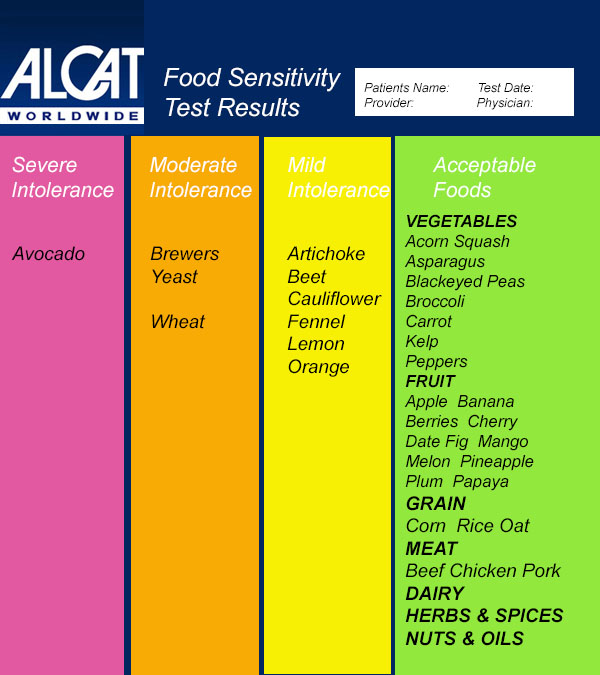
Here is a sample test result sheet:
Do Anti-Inflammatory Medications Hinder Muscle Growth?

There has been a heated debate over many years within the bodybuilding community about whether anti-inflammatory medications like ibuprofen (Advil, Motrin) and naproxen sodium hinder muscle growth. These medications inhibit the synthesis of prostaglandins, which also play a role in muscle synthesis. All it took was one clinical study published in the Journal of Clinical Endocrinology and Metabolism to put bodybuilders into a panic about reduced protein synthesis, and it didn’t matter that such results were found in laboratory rats. While there is some evidence to suggest that the anabolic signal is shut off when anti-inflammatories circulate in the bloodstream, nothing is absolutely conclusive, and what might be seen in the rat model might not necessarily be the case for humans.
While I will never advocate chronic use of painkillers and anti-inflammatory agents, I think they definitely serve a purpose when acute injury is present. When I find myself in the middle of disputes with bodybuilders who INSIST that a few days on such medications will completely destroy all their efforts in the gym, I simply shake my head in frustration. If you are injured and your lifting is adversely affected by the injury, whether it be a muscle strain, a ligament tear, or a minor disc herniation, you need to be aware that training through that injury, especially when it deranges your form and causes other body parts to compensate for the injury, will end up really messing you up over time. I honestly think that a minimal decrease in muscle mass over the course of a few days is preferable to the imbalance and asymmetry which usually occur when a bodybuilder foolishly pushes through heavy workouts despite an injury which has a domino effect on the body.
Common sense, and medical expertise, dictate that the inflammation must be removed from the area, most commonly through short term administration of anti-inflammatory agents, ice, and rest. Trust me, if you follow a regimen like this, you won’t lose all the muscle you have built over the years. Be sure to take these medications with food, and if you have any history of gastric ulcers. bleeding disorders, or kidney dysfunction, avoid taking them. Remember that I am talking about DAYS, not weeks or months. This is one time when eating constantly has its benefits, since bodybuilders and fitness people can pretty easily fit in their medication administration with one of their meals. I know it’s difficult to back off from training, but if you truly want to HEAL, you must give the injured area time to repair itself. If you insist on continuing to train through the injury, especially, without any medications or other interventions on board, you can count on the injury either lingering or worsening over time.

Supplements You Should Be Taking Based On Your Age
Originally published on mensphysique.com on Saturday, 06 September 2014
http://www.rxmuscle.com/blogs/the-lab-supplement-school/11503-supplements-you-should-be-taking-based-on-your-age.html
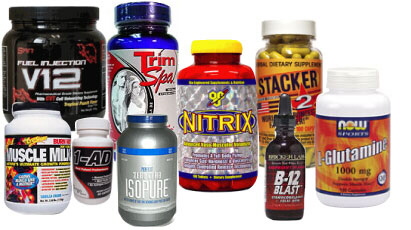
Most of you who are reading this article are probably already taking certain nutritional supplements which are popular among bodybuilding folk, such as conjugated linoleic acid, glutamine, fish oil, whey protein, and glutamine. However, there are basic nutritional demands in everyone which competitors might not be addressing in their daily regimens. In addition, those demands change as we age, as do the supplements which confer optimal health. In an effort to address those demands, I have compiled a list of supplements which you should consider adding to your regimen.
The following supplements serve as core nutrients which people of all ages require:
Multivitamin – I realize that there is some controversy regarding multivitamins, but I happen to be in the camp that is pro-multivitamin. Contest prep meal plans are notorious for being deficient in a multitude of nutrients, underscoring the need for a high quality multivitamin/multimineral supplement.
Vitamin C – This miracle nutrient is a potent antioxidant, assists in wound healing, aids in the absorption of iron from foods, and is critical for the development of collagen. Recommended daily dosages of this important vitamin are anywhere from 1,000 milligrams to 5,000 milligrams, split into 2 to 4 doses.
Zinc – One reason why this mineral is so important for men of all ages is because it is required for sperm production. Zinc is also a potent aromatase inhibitor, but only in doses of 100 milligrams or more per day. If you choose to take high doses of zinc, be sure to also take copper supplementation.
Alpha-Lipoic Acid (ALA) – This is a potent antioxidant which also aids with glycogen uptake. Basically what that means is that ALA will assist your body in metabolizing dietary sugars more efficiently. ALA is also great for brain and liver health. Recommended dosage is 100 milligrams to 300 milligrams daily.
Probiotics – These beneficial bacteria promote intestinal heath and a stronger immune system. The general population can obtain probiotics from milk, yogurt, tempeh and other products, but those who compete may opt for a supplement which will keep one’s diet contest-friendly. Look for formulations which have at least 20 billion live bacteria.
Vitamin D3 – This vitamin has gotten a lot of attention in recent years as a result of research which determined that the vast majority of the human population is deficient. This deficiency is largely the result of wide use of sunblock (thus turning off the body’s production of vitamin D3), and a drop in milk consumption. Why is Vitamin D3 so important? Vitamin D3 is associated with bone health, but may also play a role in the prevention of diabetes, cancer and multiple sclerosis. If you are like a vampire and remain indoors all day, take at least 1,000 international units (IU) daily. I personally take 5,000 IU daily to get the most of its ability to absorb calcium. I also recommend getting vitamin D3 from dietary sources like whole eggs or fatty fish like salmon.
Calcium – Calcium supplementation is essential for individuals who don’t consume lots of dairy or calcium fortified foods. Ironically, calcium supplements are absorbed more readily in the presence of lactose and protein. However, if dairy products are forbidden due to lactose intolerance or contest prep diets, consuming protein when calcium is taken will enhance absorption. Make sure to take vitamin D3 with calcium supplements to further enhance absorption. Recommended dosage is 1,000 milligrams per day, split into two doses.
Add these to your regimen if you are in your 30’s:
Glucosamine – This supplement is especially important for those who lift weights since it can ameliorate pain from joint inflammation. A good daily dosage is 1,500 milligrams. I tend to recommend formulations which contain MSM and NO chondroitin, because I have had too many patients complain of gastrointestinal upset with the chondroitin formulas.
Vitamin B12 – Vitamin B12 is found in animal protein, but the body cannot access it well, and this impairment becomes worse as we age. Because of this, taking a B12 supplement should become a part of your daily regimen if you are over 30.
DHEA – This is a controversial supplement because it has a considerable side effect profile, but I am including it here because so many people who compete can benefit from it as they age. DHEA is a sex hormone precursor which is secreted mainly by the adrenal glands and which is usually abundant in people who are in their 20’s. However, production begins to decline in one’s 30’s, and continues to drop significantly over the decades. It is a key player in maintenance and building of muscle, fat loss, and slowing the aging process. Side effects include heart palpitations, elevated blood pressure, breast enlargement, testicular atrophy, and interactions which certain medications. For this reason, you should consult with a physician to determine if your DHEA levels are low and if you may benefit from DHEA supplementation.
Individuals over 40 should add the following:
Leucine – This is probably the most important supplement you can add to your regimen as you age, especially if you are a competitor, because it helps to offset age-related muscle loss. One of the branched-chain amino acids, leucine is unique in this regard. Add 2 grams of leucine to a couple of your protein-containing meals. Leucine powder is VERY bitter, so make sure to mix it with a tasty protein powder, or take it in capsule form with your whole food meals.
Coenzyme Q10 – This antioxidant aids in ATP production, especially in the heart. It’s a good idea to take at least 30 milligrams per day, but I personally take 100 milligrams daily for the cardiac benefits.
Saw Palmetto – If your bathroom visits in the middle of the night are frequent and are not confined to your water-loading evenings, then you are probably experiencing prostatic enlargement. If this is the case, you might want to consider taking saw palmetto at a recommended dosage of 160 milligrams per day.
Over 50? Stack this supplement onto the above regimens:
Phosphatidylserine – This nutrient is important for optimal brain health. Take 200 milligrams per day.
Melatonin
Originally published on RxGirl on Thursday, 19 June 2014
http://www.rxmuscle.com/rx-girl-articles/11102-melatonin.html

Melatonin is a hormone produced by the pineal gland in the brain which regulates the wake-sleep cycle. Production is turned on later in the evening when lights are turned off for bedtime. However, there are a number of poor habits which people commonly engage in which interfere with the body’s production of melatonin, with harmful results such as impaired immune response, increased rate of cellular aging, and increasing the risk of cancer formation.
Basically, those late nights you spend watching TV or reading are interfering with optimal health. As soon as a light is turned on at night, you send a signal to your brain that it is daytime. Production of melatonin ceases and does not resume when you turn the light off either.
Shorter wavelengths (red, orange, yellow) of light are less detrimental than white or blue light and should be used in the evening. I love the salt lamp I have in my bedroom and try to use that light as my sole illumination in the bedroom as much as possible at night.
Why is it so important to preserve the body’s natural production of melatonin? Because melatonin is a potent antioxidant and excellent for reducing inflammation throughout the body, including the brain.
Implement the following guidelines to optimize the body’s production of melatonin:
1. Try to get daily bright sun exposure. Production of melatonin approximates the contrast between bright sun exposure during the day and complete darkness in the evening.

2. Turn off your computer and TV at least one hour before going to bed. Both computers and televisions emit blue light which interferes with the body’s normal production of melatonin.
3. Sleep without any lights on. The darker your room is while you sleep, the better chance you have of allowing your body to produce melatonin without interruption.
4. Drop the thermostat to 60 to 70 degrees.
If you think your melatonin levels are low or you have lab work demonstrating low melatonin, and you also suffer from insomnia, you might want to supplement with melatonin tablets. Beware of the dosage, and keep it at 0.5 to 3 milligrams maximum dosage each night. At higher doses, melatonin can have hypnotic effects on some individuals, and on others, a paradoxical hyperaware state may manifest.
On a personal note, I had lab work early this year which demonstrated low melatonin, but I wasn’t suffering from insomnia. A colleague insisted I supplement with 3 milligrams of melatonin per night, which resulted in anxiety and a completely sleepless night for all of the nights I took melatonin.
Another caution: If you are trying to get pregnant, you must avoid taking melatonin supplements because they interfere with fertility.
One More Thought On Muscle Loss And Aging
I posted an article several days ago which discussed the interventions which can be practiced by older individuals to maintain muscle mass. In that article I discussed the importance of weight training, consuming adequate protein, and adding certain supplements which can reduce inflammation. A critical component in maintaining optimal function of the body at the cellular level is ensuring that micro-nutrient needs are met, i.e., meeting the body’s vitamin and mineral requirements. Given the fact that numerous nutrient deficiencies are increasingly common (such as magnesium, vitamin D3, calcium), supplementation with high quality products can often make the difference between a healthy state and one riddled with illness.
One sure way to meet micro-nutrient needs each day is to take a multivitamin/mineral supplement. I recommend taking a multivitamin which is dosed several times a day because the chance of optimal absorption is much greater than once-daily dosing. My favorite is SWAT Fuel’s .40 Caliber, because it delivers high bioavailability on a three time dosing regimen each day and is suitable for everyone, but it is especially great for individuals who tend to experience intestinal discomfort from multivitamin formulas.
You can order .40 Caliber directly from the website: http://swatfuel.com/products.aspx

Celiac Disease: A Blessing In Disguise For Competitors?
Originally published on RxGirl on Thursday, 13 March 2014
http://www.rxmuscle.com/rx-girl-articles/10435-celiac-disease-a-blessing-in-disguise-for-competitors.html

Celiac disease is an autoimmune response to gluten which results in inflammation in the small intestines and may include symptoms such as abdominal pain, constipation, nausea, fatigue, and diarrhea. This disease can be extremely debilitating for some people, and for this reason, sufferers need to adopt a gluten-free diet for a lifetime.
Gluten is found in so many different food items that it can be quite a challenge to avoid it. For example, gluten is found in grains such as rye and barley, and certain grains like oats can become contaminated with wheat during their production. Wheat is the most ubiquitous gluten-containing grain, hiding in bulgur, farina, kamut, semolina, spelt, beer, breads, baked goods, candies, cereals, crackers, cookies, croutons, French fries, imitation meat, pastas, luncheon meats, salad dressings, soy sauce, potato chips, tortilla chips, soups, modified food starch, and even some supplements and medications. Gluten-free items include fresh eggs, meats, poultry, fish, vegetables, fruits, dairy products, buckwheat, flax, corn and cornmeal, amaranth, millet, quinoa, soy, tapioca, sorghum, and gluten-free soy, corn, rice and potato flours.

The good news is that the dietary restrictions of celiac disease complement the restrictions practiced during contest prep. The only commonly used grain in contest prep which might cause an issue in those suffering from celiac disease (oats) can be found in a gluten-free version now. Gluten free items tend to be very contest friendly and provide sound nutrition for building muscle and optimizing metabolism. In addition, the practice of avoiding the commonly designated forbidden foods which usually serve as nuisances for most competitors is a requirement for the celiac sufferer, because delving into such foods carries significant health consequences for her.

Perhaps you have been competing for a while and were just recently diagnosed with celiac disease. If so, you are most likely practicing eating habits which are consistent with the diet you need to follow in order to manage your disease. Perhaps you have lived with celiac disease for some time and have been considering stepping onstage to compete. If you have been managing your disease with dietary modifications, those modifications will be remarkably similar to what you will be practicing with contest prep.
It may indeed be a blessing in disguise for competitors to have celiac disease, since it can turn a weak will into an iron will. Celiac sufferers must make lifestyle adjustments for a lifetime in order to avoid the potentially devastating complications which can manifest over time when a gluten free diet is not followed. I have noticed that competitors who have celiac disease tend to be the most consistent with their meals and contest prep regimen. It certainly makes sense to underscore the health impact of a meal plan which is gluten free and which centers around whole food sources. Such a strategy will also maximize one’s chances of success onstage.
Hormone Roller Coaster
Originally published on RxGirl on Tuesday, 09 April 2013

http://www.rxmuscle.com/rx-girl-articles/7895-hormone-roller-coaster.html
Oh, to be a woman. We are blessed with goddess energy and are also capable of being strong and muscular while holding onto our femininity. But with our female distinction we also have hormonal fluctuations which can wreak havoc on our health and our moods. It can be a tricky thing to keep estrogen and progesterone levels balanced consistently, especially for those of us who compete. Estrogen imbalance can also bring about early menopause, premenstrual symptoms, menstrual irregularities, and skin issues.
Women who practice a healthy diet, regular exercise, adequate sleep and stress management have the best chance of keeping their hormones in balance throughout their cycles. Overly processed foods, especially refined sugars, should be avoided. Strength training is also an excellent way of regulating estrogen levels in the body. However, I realize that the majority of you who are reading this are already on board with clean eating and weight training, but may still struggle with mood swings, food cravings, menstrual irregularities, and menstrual cramps.
Here are some tips on how to combat mood swings and food cravings which may emerge each month. These supplements will not affect contest prep, and may actually equip you with the best chance of staying on track even during THAT time of the month.
MOOD SWINGS: I am a big fan of the B vitamins because they are proven to reduce stress and anxiety. In fact, I make sure that all of my patients who suffer from depression and anxiety take a B-complex supplement to regulate their mood. It is also a good idea to take magnesium glycinate to restore the magnesium that is depleted during times of stress. Start with 250 milligrams daily, then increase to three times daily with meals. If you get drowsy or have frequent bowel movements, decrease your dose down to once or twice per day.
FOOD CRAVINGS: One of the reasons why women tend to crave chocolate around that special time of the month is because they are often deficient in magnesium, which is found in high amounts in chocolate. For this reason, I suggest taking magnesium glycinate(as stated before) to normalize magnesium levels in the body. Dosage parameters are the same, but if you prefer, you can take magnesium for two weeks at a time, starting a week before your period and ending a week after you get your period.
Another great supplement to take for food cravings is alpha lipoic acid. Take 100 milligrams three times daily. If you really get slugged with strong food cravings before flow visits, add chromium picolinate (200 micrograms three times daily) and vanadyl sulfate (10 milligrams three times daily) to your regimen.
The Incredible Edible…
Originally published on mensphysique.com on Saturday, 06 April 2013
http://www.rxmuscle.com/blogs/the-kitchen-eating-strategies/7870-the-incredible-edible.html
If you haven’t already incorporated eggs into your regular meal plan, you should. Eggs are an excellent source of protein, and also provide all eight essential amino acids which are necessary for optimal muscle gains. Eggs are also packed with the following nutrients:
· Vitamin A
· Vitamin E
· Vitamin K
· Vitamin B12
· Riboflavin
· Folic acid
· Iron
· Zinc
· Calcium
· Selenium
· Choline
You may have been duped into believing that eggs should not be eaten due to the fat content in the yolks. However, there are only 2 grams of saturated fat and a total of 5 grams of fat in an average egg. The body actually requires a certain amount of saturated fat for proper function, which translates to about 20 grams of saturated fat on a 2,000 calorie per day diet. If you add only four whole large eggs to your daily diet, you will get 20 grams of quality protein with only 8 grams of saturated fat. As for the cholesterol content in egg yolks, it has been determined that dietary cholesterol does not raise blood cholesterol levels. In fact, consumption of eggs can improve blood lipid panels.
Here is a macronutrient breakdown of one large egg:
· 71 calories
· 6 grams protein
· 5 grams fat
· Zero carbohydrates
· 211 milligrams cholesterol
· 70 milligrams sodium
· 37 milligrams Omega 3 fatty acids
· 574 milligrams Omega 6 fatty acids
As a general rule, we purchase large or extra-large eggs for our household so that we can get the most protein possible. The larger eggs cost only a bit more than small or medium eggs and are a very cheap and high quality protein source which can be consumed during contest prep.
Individuals who want to gain muscle, especially during a bulking phase, should incorporate egg yolks in order to meet the high energy requirements that such a phase demands. Eggs are very easily digested and absorbed and can help to ensure a balanced diet. They are also quite versatile and can be eaten with other foods in omelets and high protein pancakes. If you want a quick snack which provides a good amount of protein, you can hard-boil eggs, making them a portable food source which can easily be packed in a food cooler for the day.
The Many Benefits Of Cinnamon
Originally published on mensphysique.com on Tuesday, 05 March 2013
http://www.rxmuscle.com/blogs/the-kitchen-eating-strategies/7644-the-many-benefits-of-cinnamon.html

Most of you have added cinnamon to your meal plans and know what a flavor boost it can provide to an often dull and monotonous regimen. Some of you also recognize the health benefits which cinnamon provides. This article is directed at individuals who are not aware of the powerful health benefits of this spice.
Ever since I discovered the health benefits of cinnamon a few years ago I have made sure to incorporate a half-teaspoon of this fragrant spice in my first meal of the day. Cinnamon spice is obtained from the bark of the cinnamon tree and can be purchased either in its whole quill form (cinnamon sticks) or as ground powder. I find it more convenient to use the powdered form, but a cinnamon stick in a mug of hot tea is fantastic on a cold winter day.
Cinnamon got a lot of attention a few years back in a 2003 study involving patients with diabetes. Subjects who were given 1, 3 or 6 grams of cinnamon per day demonstrated a measurable reduction in blood sugar, triglycerides, blood pressure, body fat mass, waist circumference, LDL cholesterol and total cholesterol. Studies conducted since that time have determined that cinnamon helps to stabilize blood sugar levels by decreasing insulin response in non-diabetics as well.
As if the blood sugar stabilizing effects weren’t enough, cinnamon has the following health benefits:
· ANTI-FUNGAL AND ANTI-CANDIDA: Especially effective in individuals who are prone to yeast overgrowth.
· ANTI-CLOTTING EFFECT
· ANTIOXIDANT PROPERTIES
· RELIEVES PAIN FROM ARTHRITIS
· INHIBITS BACTERIAL GROWTH AND FOOD SPOILAGE
· FIGHTS ULCER CAUSING H. PYLORI
· FIGHTS E. COLI BACTERIA IN UNPASTEURIZED JUICES
· INHIBITS GROWTH OF LEUKEMIA AND LYMPHOMA CANCER CELLS
· NATURAL MIGRAINE REMEDY
· EXCELLENT SOURCE OF MANGANESE (almost 50% of RDA)
· GOOD SOURCE OF CALCIUM AND DIETARY FIBER
Cinnamon is a versatile spice which can be added to savory dishes while also enhancing sweeter dishes. It can also serve to curb cravings for sugary food items because of its satisfying flavor. Cinnamon is especially tasty in tea, oatmeal, cream of wheat, protein pancakes. If you haven’t added this amazing spice to your daily meal regimen, I highly recommend you do so today!
 dr. stacey naito's blog