Some Foods Just Don’t Like Me

broccoli

As one who loves most types of foods and who isn’t particularly finicky, I look back fondly on the days when I could eat whatever I wanted without any digestive or reactive consequence. Sadly, the past three years have been defined by a number of food intolerances which have required me to monitor what I eat. I honestly believe that the extreme and repetitive meal plans which I consumed while competing were major factors in the development of my food intolerance issues. During one particular contest prep regimen, I began to notice that every single time I ate broccoli, I would get severe abdominal cramps and a headache which persisted for an entire day (now they last for 3-5 days if I am stupid enough to eat even one small floret).

After my last Pro contest in June of 2014, I noticed that other foods were aggravating my gut, my skin, my head and my mood, so I decided to eliminate them. In January of 2015, I had an ALCAT food intolerance test , and was pretty stunned by the results. Not only was broccoli on the list of offending foods for me, but I also apparently had SEVERE gluten intolerance, as well as intolerance to coconut, mangos, casein, blueberries, and a number of other foods considered healthy. In an effort to allow my body to calm down, I eliminated every food which I had any intolerance to (there were about 30 foods) for close to a year.

Because I am hoping and assuming that my body has reset from the elimination of offending foods, I currently allow myself to have blueberries, coconut, mango, lobster, cashews, bison, and spinach on occasion, and have noticed no reactions. However, every single time I eat broccoli or any food which has barley in it, I regret doing so within 30 minutes. This means that pizza (which I actually don’t consider a favorite food) is no longer a cheat meal option, not unless it is a gluten free version. Food combinations also wreak havoc on me. For example, if I have pizza and wine, I might as well forget about functioning like a normal person for a couple of days.

If you suspect that you have food intolerance, try eliminating the suspect food to see if it makes a difference. Trust your body’s signals. And if you want to get a food intolerance test, check out ALCAT.com and Everlywell.com for the kits they offer.

Make Regular Exercise A Priority

inspiration-4

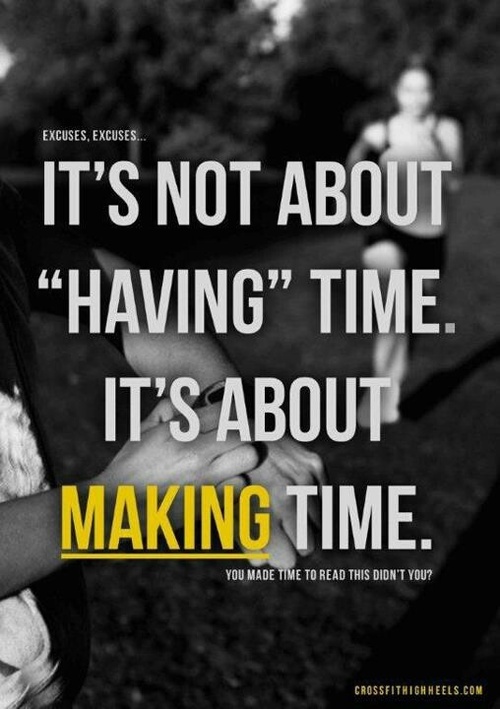
I freely admit that I chuckle to myself whenever I hear people say that they wish they had the discipline to work out on a consistent basis. It’s not that I am insensitive to the rigors of busy schedules, because I spend my days running from place to place, multitasking and barreling through tons of tasks, errands and responsibilities. But I set aside about an hour per day, six days per week, to go to the gym, and I train HARD and HEAVY every time. In recent months, I have also managed to fit in two aerial hoop classes each week. The main reason why I am so consistent about exercising consistently is that it is a priority, as important as brushing my teeth and showering on a daily basis. As a matter of fact, I look forward to my gym sessions as a way to begin each day, which is why Sunday, my rest day, is a bit rough for me and throws me off my usual daily pattern of waking up and heading straight to the gym.

Perhaps you are one of those people who believes that there isn’t time to work out, and you continue to allow your schedule to annihilate any chance of working out. The thing is, if you actually made working out a MUST instead of something to fit into your schedule as it allowed, you would find a way to get your butt to the gym and follow a plan. I have definitely noticed that people who want to reach certain fitness goals are much more successful in reaching them when they follow a specific regimen which provides guidance and structure. Making promises to yourself like, “I will go to the gym on Mondays, Tuesdays, Thursdays and Fridays from 6 am to 7:30 am”, or “I will drive straight to the gym after work every day” can be a great start to adding discipline and consistency, but you need to follow through and hold yourself accountable.

I am not kidding when I say that you need to put your workouts into your schedule! Enter your workouts on your iPhone or your Google calendar so that you have the time blocked out in your schedule. Don’t allow other things to interfere with the time you have allotted for exercise either, because when you do that, you reinforce the idea that exercise is not that important and can be pushed off. Those of us who are committed to a fitness way of life don’t allow life’s little hiccups to interfere with our gym time. It’s that simple.

Keeping Pace With A Crazy Schedule

George Kontaxis shoot

The last few weeks have been NUTS. I am talking about day after day of so many shifts in my schedule and demands on my time, that I am torn in many different directions, and cannot focus on a darned thing. When this kind of chaos ensues, I begin to lose items, certain basic vocabulary terms escape me, and I feel like I am rushing by everything and everyone, like a bullet train zooming through a bustling cityscape.

For the life of me, I can’t find a gray tank top which I had recently purchased and put…somewhere. I honestly can’t remember where. This isn’t like me, because I am VERY organized, to the point of having all of my clothing organized by color, sleeve length, etc. So why can’t I find that gray top?

I literally run around in my bedroom, grabbing for clothes, rushing, trying to keep up with the stressful demands of being in so many places all the time. It’s starting to get old. Forget about having time to read a book, or watch a TV show, because by the time the dust settles from the crazy days I have been flying through, the notion of blissful sleep is so seductive that I don’t want to do anything else.

What keeps me from unraveling is the consistency I demand with my eating habits and my workouts. I am not joking about this. Despite the insane schedule I have been juggling lately, I still weight train six mornings each week. I attend lyra class one to two evenings during the week. My meals consist of clean foods like chicken breast, salmon, tilapia, green beans, asparagus, brown rice, quinoa, avocado, almonds, oats, and Greek yogurt. I have been drinking plenty of alkaline water. I have also been consistent about consuming MitoXcell every morning (I LOVE this supplement and intend to post more about it when I get a chance to breathe!), and I also take my regular supplements (like turmeric, CoQ10, folic acid, etc.) daily. My energy levels have been decent, and my mood has been generally great, with only a couple of stark exceptions.

There are two days next week which I have designated as clean up and organization days, and I desperately need them. During those days, I will perform the deep cleaning throughout most of the house which the housekeeper always neglects, I will reorganize cabinets and drawers, clean up the garage and patio, and find that gray top!

How Weekend Drinking Binges Make You Fat (Repost)

One of the reasons why people tend to look forward to the weekend so much, besides being away from work, is the ritualistic imbibing of alcohol and consumption of rich foods which many tend to engage in. I have clients who will follow a sensible and healthy meal plan during the week, only to abandon all self-control, put on party hats and eat and drink during the entire weekend.

I will explain to you why this practice is a sure way to keep you from attaining your fitness goals. When you drink large amounts of alcohol, say 3 drinks or more, your body gets a sudden influx of alcohol which puts your body’s metabolism of nutrients to a grinding halt. Why? Because the body cannot store alcohol and must use it immediately as a fuel source. What happens with nutrients is that they are converted to fat and then stored in fat tissue for later use, so alcohol essentially prevents the body from utilizing fat. High consumption of alcohol also impairs the cerebral function (specifically the prefrontal cortex), flattening inhibitions and increasing the appetite. That is why you will often crave greasy foods when you drink, because the body turns to rich foods to replenish nutrients. The combination of increased appetite and behavioral changes are enough to get you to eat a calorie laden, fatty meal which is then stored as fat.

I enjoy the occasional cocktail and as a result will never tell people to avoid drinking altogether. However, I have several recommendations which will minimize the fat deposition which alcohol consumption triggers.

1. Always eat a meal with PROTEIN, FIBER and HEALTHY FAT before you begin drinking to offset the surge in blood sugar which occurs with alcohol consumption and to slow the absorption of alcohol once it is introduced to the gut.

2. Drink two glasses of water for every drink of alcohol. Alcohol is a diuretic, meaning that it will dry you out. Because of this, it is important to maintain a high level of hydration to offset the diuretic effect.

3. Limit consumption to 1 or 2 drinks in an evening. This will keep calorie consumption down.people at party

The Five Keys To Optimal Brain Health

Sharpens-Your-Brain

By: Dr. Stacey Naito – Physician and IFBB Pro

Even if your genetics put you at risk for developing dementia, there are numerous lifestyle and behavior adjustments which you can make in order to protect brain function and fight dementia. The five keys listed below are proven to improve brain health and keep your mind vital and sharp for decades.

1. MOVE YOUR BODY

Scientific research has proven that overall physical health is closely linked to brain health. Regular exercise aids in the maintenance of a healthy weight range, normal cholesterol levels, while also optimizing blood flow throughout the body and the brain and supporting the growth of new brain cells.

The benefits of physical health stem not only from regular exercise, but also from other good health practices. Support your brain’s health by doing the following:

• Exercise at least 30 minutes daily to relieve stress.
• Make sure to get between seven to eight hours of sleep each night.
• Refrain from using tobacco.
• See your doctor regularly.
• Maintain a healthy weight.

2. YOU ARE WHAT YOU EAT

Research studies indicate that diets which are low in saturated fats and cholesterol, and rich in polyunsaturated omega-3 fatty acids and nutrients like lutein and vitamin E, may have a protective effect on brain cells and overall brain health.

Brain-healthy dietary changes:

• Opt for healthy fats which are found in olive oil and fatty fish like salmon. Avoid saturated and trans fats.
• Consume a diet which incorporates milk, eggs, vegetable oils, nuts, whole grains, and dark leafy greens like spinach, all of which are rich in vitamin E. Vitamin E is an important nutrient which supports brain health. If you can’t get vitamin E from foods, you can take it in supplement form.
• Eat plenty of fresh fruits and vegetables, aiming for nine fist-sized servings each day. Select colorful fruits like cranberries, blueberries and tomatoes which are packed with powerful anti-inflammatory compounds known as polyphenols. Keep the skin on fruits and vegetables to maximize their nutritional benefits.
• Add lutein. Lutein is a potent antioxidant which is critical for eye and brain health. Foods which are rich in lutein include spinach, kale, turnip greens, collard greens, egg yolks, corn, and peas. You can also take lutein in supplement form.

3. EXERCISE YOUR BRAIN

Extensive research has proven that the brain continues to learn new skills and information throughout life, and benefits from frequent intellectual stimulation. Make sure to pursue new activities, education and games to challenge your mind. Read books to elevate your knowledge base.

How to stimulate your brain:

• Engage in regular sessions of a mental activity you enjoy, such as reading, word games such as crossword puzzles, or learning a foreign language.
• Get into a daily habit of learning a new word or fact.
• Master a new skill or subject each year.
• Manage stress and balance your energy by meditating. Meditation may help to reduce stress and body inflammation by soothing the vagus nerve, an important nerve which controls the body’s immune response.

4. NURTURE RELATIONSHIPS

Though we know that relationships with family and friends are key factors in a person’s happiness, regular social interaction promotes the formation of new brain cells and aids in brain repair. One study revealed that men and women who had the most social interaction had less than half the rate of memory loss as those who were the least socially involved. By visiting friends and family and being involved in community activities, you will protect brain health.

Social brain boosters:

• Spend time with your family and friends regularly, and make them a priority.
• Volunteer for an organization which surrounds a cause which you are passionate about.
• Work for as long as you can, and for as long as you feel motivated to do so.
• Join clubs and become involved in religious or spiritual activities which resonate with you.

5. BALANCE YOUR NEUROTRANSMITTERS

Brain function relies on important molecules known as neurotransmitters. Neurotransmitter levels affect mood, behavior, cognitive function, social function, digestion, sleep, weight regulation, and many other processes.

The problem with current society is that the vast majority of people have overly stimulated sympathetic nervous systems, which over time can drain the body of serotonin. The excitatory part of the nervous system dominates once the inhibitory neurotransmitters are depleted, resulting in anxiety and an inability to “wind down”. Eventually, even the excitatory neurotransmitters such as serotonin, epinephrine, norepinephrine and GABA are also depleted, and severe depression or chronic fatigue usually develop.

Conventional drugs cannot replenish these neurotransmitters, and in fact, tend to cause depletion of the neurotransmitters. This is the reason why some depression medications do not work on some individuals. The good news is that supplementation with amino acids can help to replenish deficient neurotransmitters.
How To Nourish Neurotransmitters:
• Eat a healthy diet. Neurotransmitter imbalance is aggravated by poor diet. Diets high in protein supply the brain with the amino acids it needs to replenish neurotransmitter levels.
• Consume branched chain amino acids to ensure a rich supply of neurotransmitter precursors.

REFERENCES
Neurotransmitter Assessment Brings Light to Management of Psychiatric Problems
Monday, 15 August 2005 00:59By Erik L. Goldman | Editor in Chief – Vol. 6, No. 3. Fall, 2005

Hormone Roller Coaster (repost)

anxious_woman

Oh, to be a woman. We are blessed with goddess energy and are also capable of being strong and muscular while holding onto our femininity. But with our female distinction we also have hormonal fluctuations which can wreak havoc on our health and our moods. It can be a tricky thing to keep estrogen and progesterone levels balanced consistently, especially for those of us who compete. Estrogen imbalance can also bring about early menopause, premenstrual symptoms, menstrual irregularities, and skin issues.

Women who practice a healthy diet, regular exercise, adequate sleep and stress management have the best chance of keeping their hormones in balance throughout their cycles. Overly processed foods, especially refined sugars, should be avoided. Strength training is also an excellent way of regulating estrogen levels in the body. However, I realize that the majority of you who are reading this are already on board with clean eating and weight training, but may still struggle with mood swings, food cravings, menstrual irregularities, and menstrual cramps.

Here are some tips on how to combat mood swings and food cravings which may emerge each month. These supplements will not affect contest prep, and may actually equip you with the best chance of staying on track even during THAT time of the month.

MOOD SWINGS: I am a big fan of the B vitamins because they are proven to reduce stress and anxiety. In fact, I make sure that all of my patients who suffer from depression and anxiety take a B-complex supplement to regulate their mood. It is also a good idea to take magnesium glycinate to restore the magnesium that is depleted during times of stress. Start with 250 milligrams daily, then increase to three times daily with meals. If you get drowsy or have frequent bowel movements, decrease your dose down to once or twice per day.

FOOD CRAVINGS: One of the reasons why women tend to crave chocolate around that special time of the month is because they are often deficient in magnesium, which is found in high amounts in chocolate. For this reason, I suggest taking magnesium glycinate(as stated before) to normalize magnesium levels in the body. Dosage parameters are the same, but if you prefer, you can take magnesium for two weeks at a time, starting a week before your period and ending a week after you get your period.

Another great supplement to take for food cravings is alpha lipoic acid. Take 100 milligrams three times daily. If you really get slugged with strong food cravings before flow visits, add chromium picolinate (200 micrograms three times daily) and vanadyl sulfate (10 milligrams three times daily) to your regimen.

Paying Attention

Guess-What-Butterflies-Made-From

If you’re like most people these days, you barely have a moment to catch your breath as you power through your day. You may be powering through meetings, working feverishly on projects, taking your kids to their activities, making dinner, etcetera, without pausing to wonder WHY you are doing all of those things. You just DO them, because you’re supposed to, right? You probably also tend to expect everything to run smoothly, which of course may topple over at any given time.

The thing is, if you never stop to wonder why those little glitches occur, you may be missing an important message. Sometimes things just line up in the oddest ways, and what you might think is a disaster is actually a wonderful opportunity to start fresh. Wonderful, magical, serendipitous things are always occurring, and if we pay attention a bit and slow our roll just a bit, we can begin to appreciate how amazing and frequent those moments are. Like a chain reaction, one small event can cause a cascade which opens many doors, changes your focus and direction so that you explore something you might never have thought to explore before, and enables you to grow as a person.

Pause for a moment, pay attention, and observe.

How To Assess A Client For Body Asymmetries (repost)

Asymmetric Musculature

I originally wrote this piece for AFE and am reposting it here.

Fitness pre-testing is a valuable tool for evaluating movement patterns and assessing a client’s strengths and weaknesses. The information gathered from such testing can then be utilized to develop a customized program which addresses and corrects functional abnormalities. The more thorough the pre-testing, the better equipped a trainer is to help the client reach optimal potential within the training program, while also guarding against injuries which the client might be predisposed to as a result of compensatory patterns.

Many people have developed compensatory patterns over time. Sometimes structural abnormalities exist from birth, or develop in childhood, and often throw surrounding soft tissues and joints out of alignment. In other cases, injuries from sports or other activities can cause a person to begin favoring one side of the body in an effort to reduce the stress load on the injured side. The problem with these compensatory patterns is that they allow the weak or restricted side to become even worse over time. Because of this, functional weight training should always address these patterns in an effort to correct them.

How To Determine Asymmetry

One of the most valuable early tests for determining structural asymmetry is the single leg stance, in which the client’s ability to stabilize the trunk over the supporting leg is determined. Misalignments of the hips, knees, or ankles/feet can be detected easily with this screening tool. For example, if one hip joint is restricted or otherwise unstable, the client will shift weight in an effort to maintain balance. A trainer can then utilize the information gathered from the single leg stance test to focus on compromised function in a joint or extremity.

Clients will frequently exhibit asymmetries in strength, range of motion, or muscle recruitment which can easily be overlooked if a trainer doesn’t have a practiced eye. Because of this, a thorough assessment of the client’s posture, range of motion, and form should be implemented before training begins so that the trainer can identify and properly address compensatory movement patterns.

Let’s say a client exhibits poor movement while performing a basic bodyweight squat, the source of the dysfunction must be determined so that the trainer can correct it. Is the limitation is coming from the foot, the knee, the hip joint, the pelvis, or the sacrum? Is the issue one of limited mobility, muscle weakness, joint instability, or of poor muscle activation? The origin and the nature of the dysfunction will determine which corrective exercises should be added to the client’s program.

Sports and Compensatory Patterns

Asymmetries are especially common in people who engage in sports such as baseball, golf, soccer, football, and tennis, which rely heavily on one side of the body. Because of this, it is important to ask clients if they currently play sports or have played them in the past. It is also important to ask clients about any past injuries which may be contributing to current compensatory patterns. Compensation results from a number of factors, including muscle weakness, impaired joint mobility, musculoskeletal asymmetry, leg length discrepancy, previous injury, and even joint stress from obesity. Joints can become lax and unstable, forcing contralateral muscles to take the brunt of the movement in order to stabilize the dysfunction. What often results is overuse in the compensating region, which in turn adversely affects the client’s training, and also reinforces the asymmetry.

Minimalist Footwear (repost)

minimalist-shoes-5

I wrote this article for AFE last year, and am reposting it for you to enjoy.

Less Is More

Are there benefits to training in minimalist footwear? Studies have demonstrated that training while wearing minimalist shoes results in enhanced performance, due to greater foot pliability and a closer approximation to a barefoot stance. Since our feet adjust to wearing raised heels over time, it can be incredibly challenging to keep our heels on the ground while performing exercises like deep squats. Proponents of minimalist footwear may even argue that barefoot is best for heavy weightlifting, but the risks of exposure to microbes or hazardous fragments of glass, metal, or rocks, make minimalist shoes a much more feasible choice while at the gym.

Dysfunctional movement patterns become established throughout the body over time. Conventional athletic shoes can often contribute to ankle and foot dysfunction because they inhibit natural foot action. If you don’t believe it, then try to perform some of your physical activities barefoot and see how well, or poorly, you perform. Chances are that the impaired mechanics in the feet and ankles will make it difficult at best to perform those activities. By gradually switching over to minimalist footwear, an athlete can essentially correct improper foot mechanics and optimize kinetic feedback throughout the body during movement.

Benefits Of Minimalist Shoes

Conventional athletic footwear features a cushioned heel which also can compromise power. In contrast, minimalist footwear features little to no heel, and the soles are very thin and malleable, so they allow the joints in the foot to move and adjust to weight loading movements. In addition, the heels and midfoot make solid contact with the floor, causing more activation in the glutes and hamstrings. Studies have demonstrated that people who wear minimalist footwear develop greater strength in their legs and feet, since more power is transferred from the working muscles, through the feet, and into the movement. Plyometric movements and sprint power will also be enhanced while wearing minimalist shoes.

A 2011 study by Squadrone and Gallozzi assessed the ability of experienced runners to estimate the degree of inversion, eversion, dorsiflexion, and plantarflexion, of a slope surface board placed under their right foot while standing. They found that the degree of proprioceptive feedback which subjects received while wearing Vibram Five Fingers® was much more accurate than in subjects who wore a standard running shoe. In conclusion, cushioned shoes conferred a distinct disadvantage when compared to minimalist shoes during assessment of foot position awareness.

How To Transition Into Minimalist Shoes

Anyone who is transitioning from conventional athletic shoes to minimalist footwear needs to do so gradually, since the body has to adjust to radically different proprioceptive input. There have been cases of metatarsal stress which developed after converting too quickly to minimalist shoes. However, once the transition is made, noticeable strength gains should occur. Try spending about 15 to 30 minutes, twice a day, wearing minimalist shoes around the house. After about a week or two, you can try them out at the gym one to two days a week until you become accustomed to the feel of the shoes. Be aware that your gait and foot stance will probably change as you acclimate to this type of shoe.

REFERENCES:

1. Squadrone R, Gallozzi C (2011) Effect of a five-toed minimal protection shoe on static and dynamic ankle position sense. J Sports Med Phys Fitness Sep;51(3): 401-8.