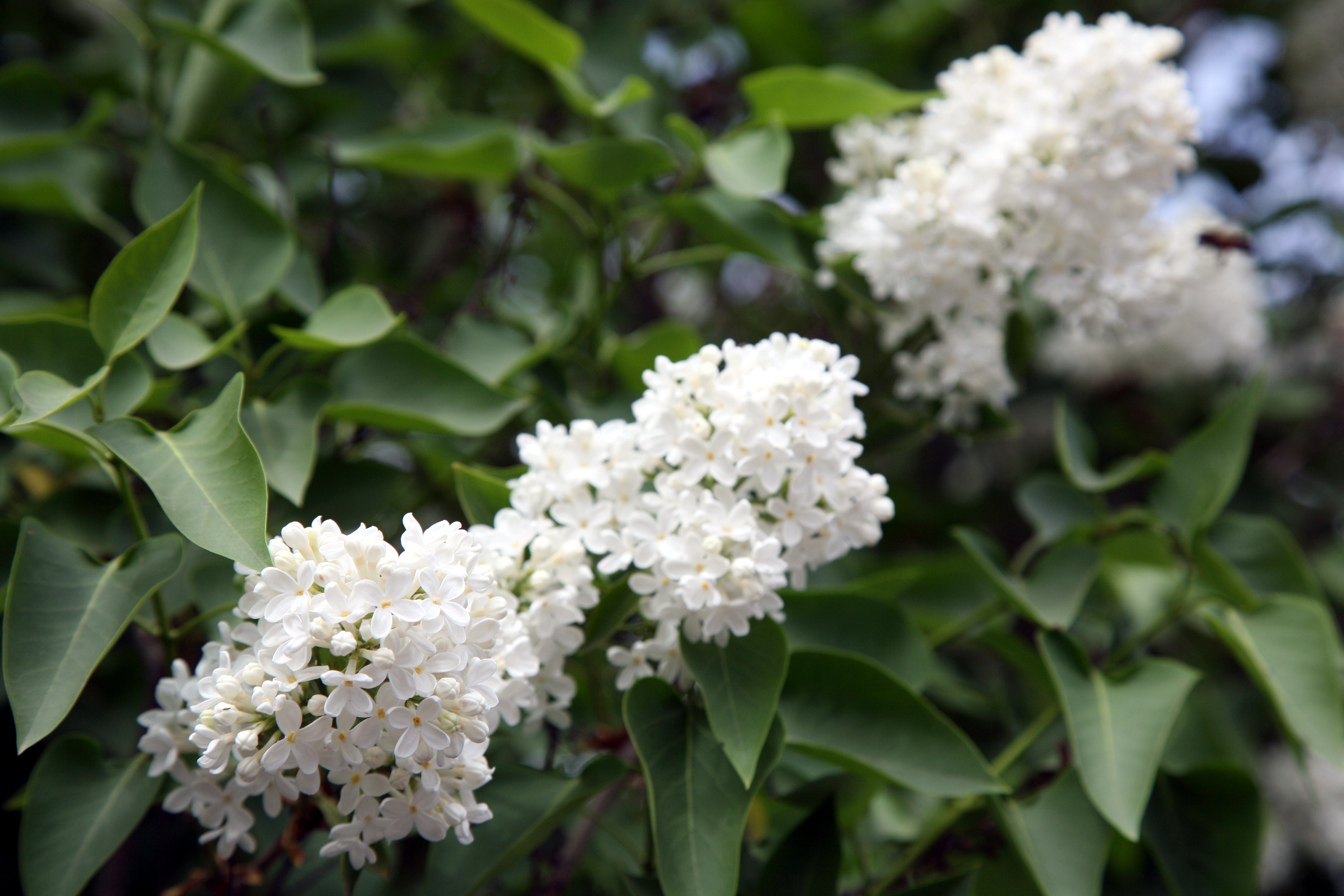
Osmanthus is a flowering plant belonging to the genus Osmanthus, which is part of the olive family (Oleaceae). Native to East Asia—particularly China, Japan, and the Himalayas—this evergreen shrub or small tree is best known for its small but incredibly fragrant blossoms, which appear in shades of white, pale yellow, or orange-gold.
🌸 Fragrance of Osmanthus
The fragrance of osmanthus is what makes it truly enchanting and prized in perfumery and tea blending. The scent is:
Sweet and fruity, often compared to ripe apricots, peach, or plum.
Laced with honeyed, creamy, and slightly green floral notes.
Sometimes subtly leathery or reminiscent of tea leaves when dried.
It’s an aroma that manages to be both delicate and persistent—soft, comforting, and refined.
✨ Spiritual and Cultural Significance
In Chinese Culture
Osmanthus, or guì huā (桂花) in Mandarin, is deeply revered in Chinese tradition.
It blooms in autumn, and is strongly associated with the Mid-Autumn Festival, where it symbolizes reunion, harmony, and longevity.
The osmanthus tree is often linked with the moon. Chinese legends tell of Wu Gang, a man condemned to eternally chop down an osmanthus tree on the moon—a myth that adds a sense of the plant’s mystical endurance.
Osmanthus is also a symbol of nobility, love, and romantic longing, sometimes evoking nostalgia or homesickness.
In Traditional Chinese Medicine
Osmanthus flowers are used in herbal remedies to ease coughs, improve skin health, and support digestion.
It’s believed to cleanse the body and mind, representing purity and serenity.
In Perfume and Tea
Osmanthus is a luxury note in high-end perfumery, loved for its unique fruit-floral profile.
In tea, osmanthus blossoms are often blended with green or oolong tea, creating a beverage that is as aromatic as it is soothing.
🌿 Interesting Qualities
Rare Fragrance Profile: Few florals combine fruit and flower in such a balanced way—osmanthus stands apart from heady roses or indolic jasmine.
Cultural Depth: It’s not just a pretty flower; osmanthus is woven into poetry, myth, and ritual across centuries.
Seasonal Beauty: Unlike many spring-blooming flowers, osmanthus blooms in autumn, offering unexpected beauty and fragrance when most other flowers have faded.
Versatility: It’s used in food, tea, perfume, skincare, and spiritual practices—a true multi-sensory botanical.
In essence, osmanthus is a plant that quietly stuns—with a fragrance that whispers rather than shouts, and a cultural legacy that touches everything from ancient moon legends to modern luxury.
As an avid plant lover, I have enjoyed the many benefits of being surrounded by beautiful greenery in my home. I honestly believe that having indoor houseplants offers a multitude of benefits. Here’s a closer look at why incorporating greenery into your home is a great idea:
Health Benefits
Improved Air Quality – Many houseplants, such as spider plants and snake plants, help remove toxins like formaldehyde and benzene from the air, creating a cleaner living environment. I have several snake plants (Sansevieria genus) in my home, and appreciate the fact that they clean the air while looking very attractive and interesting.
Increased Oxygen Levels – Plants release oxygen during photosynthesis, which can improve air circulation and overall respiratory health.
Humidity Regulation – Plants release moisture through transpiration, which can help maintain healthy humidity levels, reducing issues like dry skin and irritated sinuses. I also help my plants out by running two humidifiers in my den and kitchen to optimize plant functions.
Reduced Allergens – Some plants, like peace lilies, can trap dust and allergens, helping those with sensitivities breathe easier.
Stress Reduction & Lower Blood Pressure – Studies have shown that being around greenery can help lower stress levels and even contribute to reduced blood pressure. When I am in my home, I truly feel like I am in a garden paradise, and I feel instantly calm.
Decor Benefits
Aesthetic Appeal – Houseplants add natural beauty to any room, complementing different interior design styles. I make sure to stage my plants in such a way that they make sense in my interior living space, without sacrificing their ambient light needs.
Versatility in Design – Whether you want a bold statement piece like a fiddle-leaf fig or a subtle accent like a small succulent, there’s a plant to match every space.
Enhanced Space Perception – Large plants can fill empty corners, creating a fuller and more inviting atmosphere. If I lived in a larger home, I would definitely have tall plants strategically placed in empty corners.
Seasonal Adaptability – Unlike furniture or decor that can feel outdated, plants offer a timeless appeal and can be rearranged easily for a fresh look.
Brings Nature Indoors – For those in urban settings, houseplants help create a connection to nature, bringing an element of the outdoors inside.
The desk sentinels around my workspace
Mood Benefits
Boosted Mental Well-Being – Studies suggest that caring for plants can reduce anxiety and depression, providing a sense of accomplishment and responsibility. I know that I have a responsibility to keep my plants as healthy as possible, and I make an effort to address their needs on a weekly basis.
Increased Productivity & Focus – Plants in workspaces have been shown to enhance concentration and creativity, making them great additions to home offices. There are plants all around my desk space, and I absolutely love them.
Better Sleep – Certain plants, like lavender and jasmine, have calming properties that promote relaxation and better sleep. I only wish I could keep such plants alive in my home! Instead, I use scented candles to impart a calming mood.
Mood Elevation – Simply looking at greenery can evoke feelings of happiness and tranquility, making plants a natural mood booster.
Encourages Mindfulness – Watering, pruning, and tending to plants can be a meditative and mindful practice, helping people slow down and enjoy the present moment. Despite the fact that my weekly plant watering is a bit of a chore, I find myself getting into a zone which is meditative and beneficial.
Final Thoughts
Houseplants do much more than just decorate a space—they contribute to better air quality, reduce stress, and create a soothing ambiance. Whether you’re looking for a productivity boost, improved well-being, or a stylish home upgrade, adding indoor plants is a simple yet impactful way to enhance your living environment.
Since one of my biggest interests lies in houseplants, I thought I should cover the health benefits of growing greenery within a household. Houseplants offer a range of health benefits, both physical and mental, making them a great addition to any home or office space. Here are some of the key benefits:
1. Improved Air Quality
One of the most well-known benefits of houseplants is their ability to purify indoor air. Plants absorb carbon dioxide and release oxygen through photosynthesis. Additionally, certain houseplants, such as peace lilies, spider plants, and snake plants, are known to remove toxins from the air, including formaldehyde, benzene, and trichloroethylene. This can lead to cleaner, fresher air indoors, which may help reduce respiratory issues and improve overall health.
2. Stress Reduction
Several studies have shown that being around plants can help reduce stress and anxiety. The presence of greenery has a calming effect, potentially lowering heart rates and blood pressure. Simply interacting with plants—whether it’s watering them, trimming leaves, or just admiring their beauty—can trigger a relaxation response, helping you feel more grounded and less overwhelmed. Houseplants offer a range of health benefits, both physical and mental, making them a great addition to any home or office space. The best part of having a large collection of houseplants is that my home has a Bohemian, Zen-like feel to it which people find relaxing and welcoming.
I will say that watering the plants in my collection is a bit of a hassle, even considering the fact that I only water half of the plants each week. Part of the issue is that I have over 100 plants inside my home, and many of them are suspended from ceiling hooks, making it necessary for me to cart around a stepladder on plant watering day. However, as long as you have a manageable assortment of plants in your residence, the task shouldn’t be too strenuous.
3. Enhanced Mood and Mental Health
Houseplants can have a positive impact on mental well-being. Studies suggest that spending time around plants can improve mood, reduce feelings of fatigue, and increase feelings of calm and contentment. The act of caring for a plant, and the sense of responsibility that comes with it, can also boost feelings of accomplishment and purpose. For people experiencing mild depression or anxiety, the nurturing of plants can offer therapeutic benefits, acting as a form of mindfulness or relaxation practice.
4. Improved Productivity and Concentration
Research has shown that having plants in the workspace or at home can improve focus, cognitive function, and productivity. Plants can increase attention span, enhance memory retention, and even promote creativity. In offices, employees with plants in their workspaces often report higher satisfaction, fewer sick days, and improved mental clarity. The presence of plants can help people feel more connected to nature, even in an urban setting.
5. Better Humidity and Temperature Regulation
Houseplants naturally release moisture into the air through a process called transpiration, which can help maintain a more balanced level of humidity in the home. This is particularly helpful in environments where air conditioning or heating systems dry out the air. Proper humidity can reduce the risk of dry skin, sore throats, and respiratory irritation. Additionally, plants can help moderate temperature fluctuations by absorbing sunlight and releasing moisture, leading to a more stable and comfortable living environment.
6. Better Sleep
Certain plants, like lavender and jasmine, have been shown to promote better sleep. The calming scents emitted by these plants may help to lower anxiety levels and encourage relaxation before bedtime. Moreover, the act of caring for plants and spending time in nature can also help you develop healthier sleep habits by reducing stress during the day.
7. Boost to Immune System
Some research suggests that exposure to plants and nature can have a positive effect on the immune system. Spending time in green spaces, even within your home, can increase the production of white blood cells, which help defend against illness. Additionally, houseplants can encourage you to spend more time in your living space, which could lead to healthier habits, such as better hydration, nutrition, and sleep, all of which support a stronger immune system.
8. Reduction in Noise Pollution
Houseplants can also absorb sound, which helps reduce noise levels in indoor environments. In a busy home or office, the presence of plants can create a more peaceful atmosphere by dampening echoes and muffling background noise. This can lead to improved concentration and overall well-being, particularly in noisy urban environments.
9. Connection to Nature
Having plants in your home helps foster a sense of connection to the natural world. In urban environments, where access to parks and green spaces may be limited, indoor plants can provide a touch of nature, helping to counteract the effects of “nature-deficit disorder” (a term coined by Richard Louv to describe the negative impact of disconnection from nature). This connection can improve your mental and emotional well-being, helping you feel more grounded and centered.
10. Aesthetic and Environmental Benefits
In addition to the direct health benefits, houseplants also improve the aesthetic value of a space, making it feel more welcoming and vibrant. A well-decorated home or office with plants can enhance your environment, making it feel more lively and positive. This positive visual impact can indirectly boost your mood and contribute to a healthier mindset.
Final Thoughts
Integrating houseplants into your environment can be a simple yet effective way to enhance both physical and mental well-being. Whether you’re looking to improve air quality, reduce stress, boost productivity, or just make your home more inviting, the presence of plants can have far-reaching benefits for your health. And the best part is that they require relatively little effort to maintain, making them an easy and accessible way to improve your overall quality of life.
I just stumbled across this video which I had recorded at the beginning of last year. It clearly shows my most robust Hoya linearis (nicknamed Superstar) in bloom, which was a lovely surprise. Alas, Superstar has not given me blooms since, but perhaps she will in a few months.
Here’s another update on my Hoya linearis collection from August 2023. I have one more update after this, in which I reveal the beautiful blooms which appeared on my longest Hoya linearis in September.
Feeding raw food to cats and kittens is a topic of debate among veterinarians and pet owners. While some advocates believe in the benefits of a raw food diet for cats, it’s essential to consider both the potential advantages and risks associated with this feeding approach. When I got my cream European Burmese kitten Sumi, the breeder told me that she was accustomed to raw food, so after a few weeks, I acquiesced, looked up the specific brand of raw food, found a local distributor, and purchased the food. Luckily, my kitten and my junior cat (sable American Burmese Koji, who is 1-1/2 years old) both love the raw food, so they now get raw food every morning.
Here are some potential benefits of raw food for cats and kittens:
Nutrient Density: Raw food diets can be formulated to closely mimic a cat’s natural prey diet, which is high in protein and low in carbohydrates. This can provide essential nutrients in a highly digestible form.
Improved Coat and Skin Health: Some cat owners report that their pets on raw diets have shinier coats and healthier skin, which could be due to the higher levels of essential fatty acids found in some raw ingredients. This is definitely true for my cats, including my 14-year-old Tenshi, whose coat had been looking dull until he started eating a small amount of raw food each morning (I have to limit the amount due to his kidney disease). His coat is now thicker and has a sheen to it similar to what he used to have when he was young.
Dental Health: Chewing on raw bones and meat can help maintain dental health by reducing tartar buildup and promoting natural tooth cleaning. I actually get a kick out of watching Koji and Sumi eat raw food, because their wild instincts kick in, and they chew pretty vigorously.
Weight Management: Raw food diets may help with weight management, as they are generally low in carbohydrates, which can contribute to weight gain.
Allergy Management: Some cats with food allergies or sensitivities may benefit from a raw food diet because it allows for precise ingredient control, avoiding common allergens. Koji has some food allergies which I had discovered quite by accident, so it’s a relief to know that he has no issues with the raw food I feed him.
Improved Digestion: Proponents of raw diets argue that these diets are easier to digest and can lead to fewer digestive issues, such as vomiting and diarrhea. Since incorporating raw food into my cats’ diets, I have noticed that vomiting is extremely rare.
Increased Hydration: Raw diets often contain a higher moisture content, which can help keep cats well-hydrated and reduce the risk of urinary tract problems.
My two-year-old, Koji
It’s important to note that there are also significant risks associated with feeding raw food to cats and kittens:
Bacterial Contamination: Raw meat, especially poultry and fish, can be contaminated with harmful bacteria such as Salmonella and E. coli, which can pose health risks to both cats and humans. However, the company from which I purchase raw food, Blue Ridge Beef, uses High Pressure Processing (HPP), a cold-water process that applies pressure on the food that fractures the cell walls of pathogenic bacteria such as Salmonella, E. coli 0157:H7, and Listeria Monocytogenes, killing them while leaving all nutrients intact. I also wash my hands before handling the food, and when I section out the 2-pound chubs, I use a sharp knife to cut the chub into medallions, wrap the medallions in plastic wrap, and then into a freezer bag to re-freeze until feeding time.
Nutritional Imbalance: Formulating a balanced raw diet that meets all of a cat’s nutritional needs can be challenging. Deficiencies or excesses in essential nutrients can lead to health problems. For this reason, I still leave dry and freeze-dried kibble for my cats to graze on, and I also feed them commercial wet food for dinner to ensure a balanced diet.
Parasites: Raw meat can contain parasites, such as Toxoplasma gondii, which can be harmful to cats and can be transmitted to humans.
Choking Hazards: Feeding bones can be risky, as cats may choke or suffer from intestinal blockages. However, I have noticed that Blue Ridge Beef Kitten Mix does not contain any large pieces of bone.
Zoonotic Diseases: Cats on raw diets may be at increased risk of contracting zoonotic diseases, which can be transmitted from animals to humans.
Cost and Time: Preparing and feeding a raw diet can be more time-consuming and expensive than commercial cat foods. I can’t imagine going through the hassle to make raw food for my cats, so I am thankful that I can purchase Blue Ridge Beef products which are almost completely hassle free. I will say that when I purchase a case of fifteen 2-pound chubs, I don’t look forward to tempering the chubs, cutting them into medallions, wrapping them and then placing them in bags, but I only do that every 5 months.
Before switching your cat or kitten to a raw food diet, it’s crucial to consult with a veterinarian who can provide guidance on whether it’s appropriate for your specific pet’s needs and help you formulate a balanced and safe diet. If you decide to feed a raw diet, it’s important to follow best practices for food safety to minimize the risk of bacterial contamination and ensure your cat’s overall health and well-being.
Wisteria is a beautiful vining plant which fascinates me, mostly because my surname means “among the wisteria”. However, I never knew how hardy wisteria was until very recently, so it holds even more symbolism for me now. The blossoms on a wisteria vine are absolutely gorgeous, but it turns out that the Chinese wisteria (Wisteria sinensis) and Japanese wisteria (Wisteria floribunda) are invasive when planted in gardens and forests in the United States. Evidently, the root system of a wisteria plant can extend up to one mile, which means that wisteria vines in yards across a neighborhood are most likely from a single specimen.
Here is a great video explanation of what non-native wisteria plants do in U.S. soil:
If you live in the United States and are considering planting wisteria, you might want to consider American wisteria (Wisteria frutescens), because it is far less aggressive than its Chinese or Japanese counterparts. Interestingly enough, the type of wisteria which is most commonly planted in American gardens is the Japanese version, and the wisteria plant which adorns the security gate where I live is the Japanese variety. That seems fitting for me, considering the meaning of my last name and the fact that it is a Japanese name!

 53431489 123rf.com





 dr. stacey naito's blog