Branched-Chain Amino Acids For Muscle Growth and Recovery

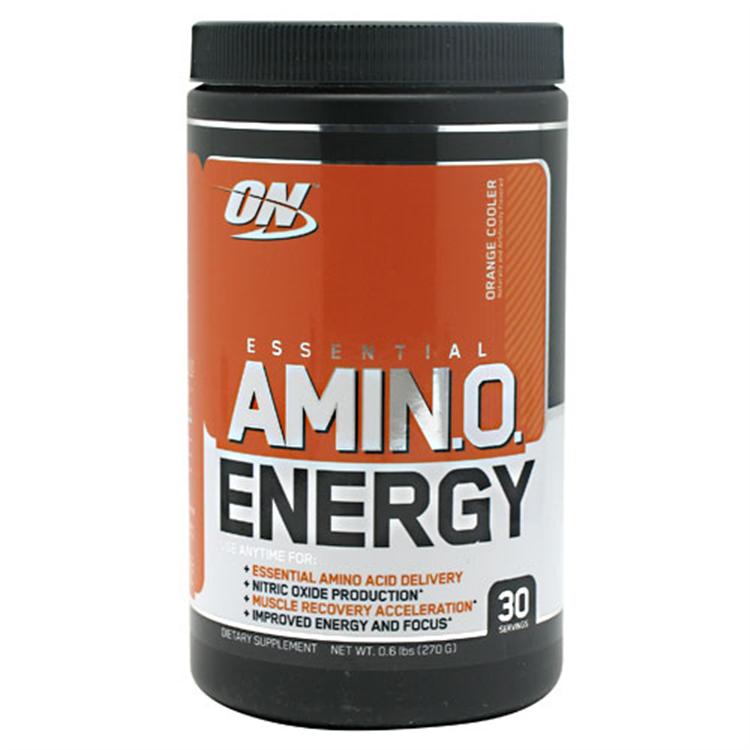
ON Amino EnergyBranched-chain amino acids (BCAAs) are the essential amino acids leucine, isoleucine, and valine. What makes them essential is the fact that we must obtain them from food sources since our bodies do not produce them. Since BCAAs comprise one third of the amino acids found in muscle tissue, and also since they possible reduce muscle breakdown, they are an essential part of the supplement regimen for individuals who are committed to building muscle. They are also capable of sparing glycogen during training. Glycogen is the primary source of fuel for muscles during high intensity workouts. Individuals who ingest BCAAs before and during training preserve their glycogen levels by 25%. Even when glycogen stores are depleted in working muscles, BCAAs enhance fat oxidation which allows people to train longer.

BCAAs can also boost testosterone levels when consumed before training. Testosterone levels increase during intense training but plummet to normal levels once training is done, but if BCAAs are on board, testosterone levels remain elevated for a number of hours. BCAAs also improve the body’s testosterone to cortisol ratio. What does this mean? Testosterone levels will remain high long after training is completed, while cortisol release will be minimized. This translates to more muscle growth and less breakdown of muscle. As if this wasn’t enough, the amino acid leucine increases insulin sensitivity which promotes fat loss, muscle growth and protection against diabetes.

Other uses for BCAAs are to prevent fatigue, improve concentration, treatment of liver-related brain conditions, and Lou Gehrig’s disease. A recommended dose range is 4 to 8 grams before training and 4 to 8 grams immediately post-training.

My favorite BCAA brands are listed below:
1. Optimum Nutrition Amino Energy (this has caffeine so beware if you need to keep your caffeine intake down)
2. BSN Amino X
3. Scivation Xtend
4. RSP Nutrition ReGen
CoQ10’s Benefits

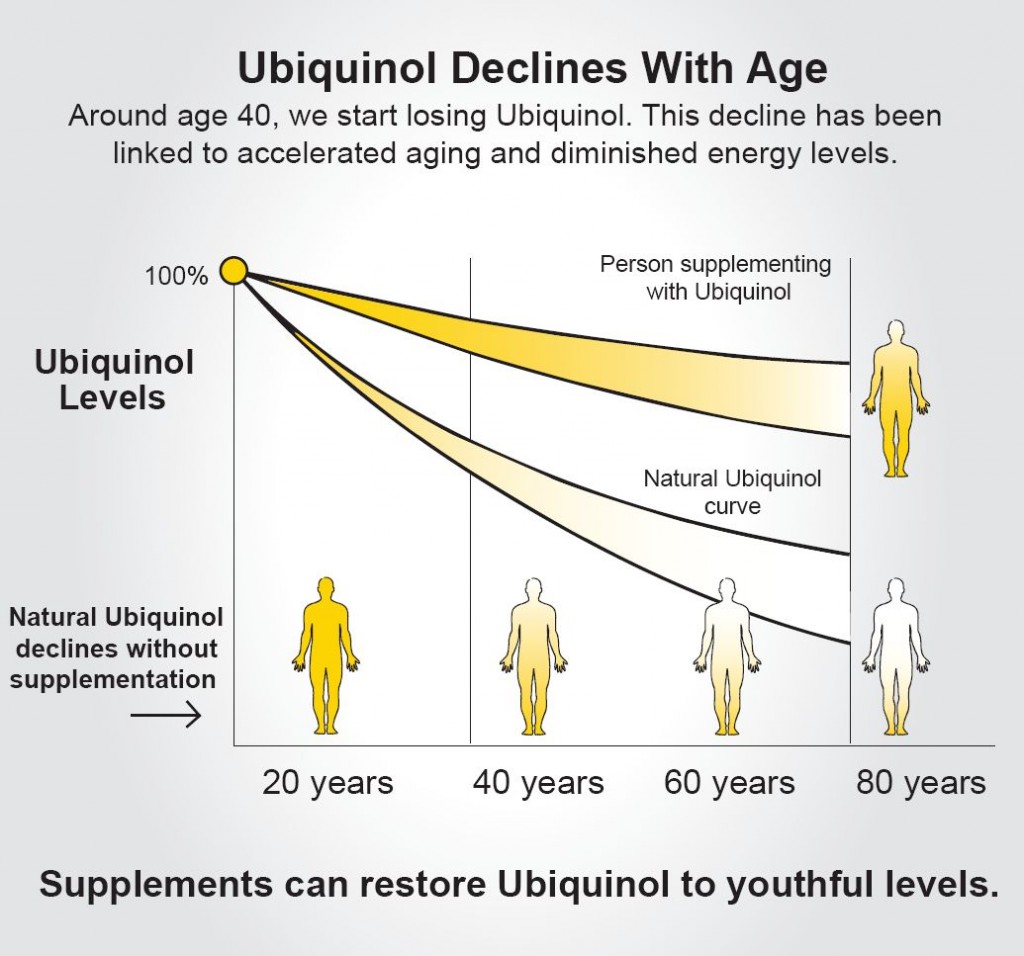
CoQ10 ChartCoenzyme Q10 is an essential nutrient found in every cell of the body which is involved in cellular energy production. It confers a protective effect against damage from free radicals, thus also classifying it as an antioxidant. CoQ10 can be found in a multitude of foods, but is especially high in beef, peanuts, sardines, mackerel and organ meats.

CoQ10 has demonstrable effects against cardiovascular disease, cancer, and periodontal disease, and is also said to boost recovery from exercise. However, the most documented effect on health which CoQ10 has is its beneficial effect on treating hypertension. People with hypertension have CoQ10 levels which are below normal, and these same individuals have shown a reduction in blood pressure when supplemented with CoQ10.

Another strong benefit of CoQ10 supplementation is treatment of periodontal disease. CoQ10 can reduce the swelling, bleeding, pain and gum recession which characterize the disease. However, pairing this supplement with vitamin C would yield stronger benefits.

Some individuals take CoQ10 to reverse skin damage and preserve the collagen and elastin in skin. Levels of CoQ10 decrease with advancing age, resulting in decreased ability to produce collagen and elastin, so taking CoQ10 orally or applying it topically may boost skin repair.

Most individuals should supplement with 100 milligrams of CoQ10, but if insomnia occurs, take half the dose and only take it in the morning. Side effects at high doses (300 milligrams or more per day) include rashes, abdominal pain, nausea, dizziness, headache, fatigue and sensitivity to light. Individuals who are taking warfarin may experience a diminished response to the blood thinner when taking CoQ10. Diabetics will experience decreased insulin requirements when taking CoQ10.

Tips For Visualizing Your Body Transformation Goal

Body B&AWhenever I do initial consultations with weight management patients I make sure to ask them what their ultimate weight loss goals are.  Invariably my patients will mention a friend or relative who has the physique they desire, or they will mention a time in their lives at which they considered their own bodies to be ideal for them.  At the end of the evaluation, I instruct my patients to find at least one picture of that ideal body and post it in a prominent place, either on a desk, bathroom mirror, refrigerator, or car dashboard.  The whole point is to create a visual representation of the patient’s goal so that it becomes more tangible over time.

Another tip which I give to weight management patients is to take weekly progress pics so that they can monitor the subtle changes in their bodies over an interval period of time.  What they might not see from week to week can be very dramatic when they compare their baseline photos to photos taken many weeks or months later.  Over time it becomes easier to take these progress pictures.  Trust me, I do it regularly myself.

Lori HarderThe tips I have just mentioned also work EXTREMELY well for people in the midst of contest prep.  What I employ with my contest prep clients is the weekly progress picture ritual, as I have seen the high value of doing so in order to monitor subtle changes week by week and to provide information which I can use in order to make small changes in a prep plan.  However, when I first began competing in 2009, I quite randomly picked a couple of images of female competitors whom I really admired, printed them, and placed them on my bathroom mirror.  I saw these images daily and was able to visualize my goal on a consistent basis.  I did not remove these images from my mirror until I moved in October of last year, and when I did so, I moved the images to bulletin boards in our trophy room.

What is amazing now is that I have images of myself next to the images of the ladies I had so admired, and you know what?  I achieved my goal.    I no longer look at the images of these ladies as something to aspire to, but instead look at them as peers.

In summary, there are two things you can do to visualize your goal:

1. FIND AN IMAGE OF THE BODY YOU WANT AND POST IT IN A PROMINENT PLACE.

2. TAKE WEEKLY PROGRESS PICTURES OF YOURSELF.

Visualize and make your goal materialize!

Magnesium Supplementation

MagnesiumMagnesium is an essential mineral which is involved in over 300 biochemical reactions in the body, including energy production, transmission of nerve impulses, regulation of body temperature, detoxification, and formation of healthy bones and teeth. It also aids in the body’s absorption of calcium. As if this wasn’t enough, magnesium is involved in protein synthesis, muscle function and normal parathyroid function. It prevents the development of osteoporosis, coronary artery disease, stroke, constipation, diabetes, high blood pressure, migraines, kidney stones, gallstones, insomnia, depression, anxiety, and also enhances the bioavailability of cholesterol and vitamin B6. Women also gain relief from the symptoms of premenstrual syndrome and menopause when they have sufficient levels of magnesium.

Be careful not to oversupplement with magnesium, because in large doses it can cause low blood pressure, muscle weakness, fatigue, diarrhea and nausea. Magnesium can also interact with some heart medications, antibiotics and diuretics. Anyone with significant disease or illness should be evaluated by a physician before taking magnesium supplements.

Magnesium can be found in whole grains, fish, leafy green vegetables, dark chocolate and nuts (particularly almonds), but it is difficult to get the recommended daily allowance from food sources alone. You can take 400 milligrams per day in two or three divided doses. Chelated forms, which are forms ending in “-ate” (citrate, taurate, glycinate) tend to be better absorbed by the body and are preferred over other forms. There are also magnesium topical formulations available which some say is a more readily absorbed form.

What Is Folic Acid?

Folic acid is one of the B vitamins which is essential for the formation of new cells as well as the formation of DNA. The natural form is known as folate and is found in foods such as leafy green vegetables, asparagus, lentils, yeast, mushrooms, organ meats, bananas, melons, lemons, orange juice and tomato juice. Most people do not get adequate amounts of folate from foods sources, and the body does not assimilate the natural form as readily as folic acid, which is the manmade form.

The most well known use of folic acid as a supplement is in women who are trying to get pregnant and in pregnant women. Folic acid is documented as a safeguard against neural tube defects which occur very early in prenatal development. The risk of neural tube defects is reduced by 50 to 75 percent in women who take at least 400 micrograms of folic acid daily for at least one month before conception and throughout the first trimester of pregnancy.

Women who have sufficient intake of folic acid and folate also have significantly reduced risk of developing high blood pressure later in life. It is believed that folic acid reduces the risk of high blood pressure by causing blood vessels to relax, thus improving circulation.

Folic acid is used in treating folic acid deficiency, poor intestinal nutrient absorption, ulcerative colitis, liver disease, alcoholism, and end-stage kidney disease. It is also used to treat anemia and heart disease, memory loss, vitiligo, nerve pain, muscle pain, depression, age-related hearing loss, Alzheimer’s disease, osteoporosis and restless legs syndrome. It is also used topically to treat gum infections and gum disease. Additionally, folic acid can be used in a preventative manner for age-related macular degeneration, colon cancer, and cervical cancer.
folic acid
There are some side effects associated with high doses of folic acid, such as diarrhea, stomach upset, abdominal cramps, irritability, excitability, nausea, gas, behavior changes, skin reactions, rashes and pernicious anemia. A safe daily dosage of folic acid for most people is 400 micrograms per day.

Biotin For Healthy Skin, Nails and Hair

Woman touching her faceBiotin is a B vitamin which is naturally present in the human body and which is important for numerous metabolic functions. It is a carbon dioxide transporter and also expedites the processing of carbohydrates, protein and fat. As a result biotin can be a great component in a weight loss plan. Biotin’s involvement in carbohydrate processing also makes it responsible for maintaining normal blood sugar levels. It can also help to lower cholesterol levels, but be aware that it may interfere with the effects of some cholesterol-lowering medications.

There is extensive evidence to suggest that biotin plays an important role in the maintenance of healthy skin and nails. Those who suffer from eczema, seborrheic dermatitis or brittle nails often benefit from supplementation with this nutrient. Biotin is also helpful in treating a number of hair issues such as hair loss, reduced growth, thinning hair, and dull, brittle hair. I have put patients on biotin who have reported stronger, healthier and thicker hair after taking biotin for a few months.

This supplement is relatively inexpensive and carries rare and minimal side effects. The most common side effect reported is cystic acne at the chin and jawline and subsides after a few weeks. If this is something you experience while taking biotin, decrease your daily dosage to 25 micrograms per day.

Most sources recommend a dosage of 30 micrograms per day. However, I have taken 5,000 micrograms daily for many years and have not experienced any untoward effects.