The Many Benefits Of Cinnamon

Originally published on mensphysique.com on Tuesday, 05 March 2013

http://www.rxmuscle.com/blogs/the-kitchen-eating-strategies/7644-the-many-benefits-of-cinnamon.html
images
Most of you have added cinnamon to your meal plans and know what a flavor boost it can provide to an often dull and monotonous regimen. Some of you also recognize the health benefits which cinnamon provides. This article is directed at individuals who are not aware of the powerful health benefits of this spice.

Ever since I discovered the health benefits of cinnamon a few years ago I have made sure to incorporate a half-teaspoon of this fragrant spice in my first meal of the day. Cinnamon spice is obtained from the bark of the cinnamon tree and can be purchased either in its whole quill form (cinnamon sticks) or as ground powder. I find it more convenient to use the powdered form, but a cinnamon stick in a mug of hot tea is fantastic on a cold winter day.

Cinnamon got a lot of attention a few years back in a 2003 study involving patients with diabetes. Subjects who were given 1, 3 or 6 grams of cinnamon per day demonstrated a measurable reduction in blood sugar, triglycerides, blood pressure, body fat mass, waist circumference, LDL cholesterol and total cholesterol. Studies conducted since that time have determined that cinnamon helps to stabilize blood sugar levels by decreasing insulin response in non-diabetics as well.

As if the blood sugar stabilizing effects weren’t enough, cinnamon has the following health benefits:

· ANTI-FUNGAL AND ANTI-CANDIDA: Especially effective in individuals who are prone to yeast overgrowth.

· ANTI-CLOTTING EFFECT

· ANTIOXIDANT PROPERTIES

· RELIEVES PAIN FROM ARTHRITIS

· INHIBITS BACTERIAL GROWTH AND FOOD SPOILAGE

· FIGHTS ULCER CAUSING H. PYLORI

· FIGHTS E. COLI BACTERIA IN UNPASTEURIZED JUICES

· INHIBITS GROWTH OF LEUKEMIA AND LYMPHOMA CANCER CELLS

· NATURAL MIGRAINE REMEDY

· EXCELLENT SOURCE OF MANGANESE (almost 50% of RDA)

· GOOD SOURCE OF CALCIUM AND DIETARY FIBER

Cinnamon is a versatile spice which can be added to savory dishes while also enhancing sweeter dishes. It can also serve to curb cravings for sugary food items because of its satisfying flavor. Cinnamon is especially tasty in tea, oatmeal, cream of wheat, protein pancakes. If you haven’t added this amazing spice to your daily meal regimen, I highly recommend you do so today!

Why You Should Add Curcumin To Your Diet

Originally published on mensphysique.com on Sunday, 09 December 2012. The original post was published with white text on white background, so the only way to read it on the site is to highlight the text. To make things easier for everyone, I have copied and pasted the article here for you to read.

http://www.rxmuscle.com/blogs/the-lab-supplement-school/7143-why-you-should-add-curcumin-to-your-diet.html
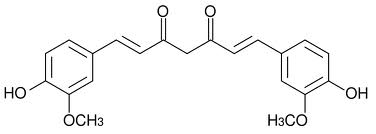
Curcumin diagram
Antioxidants have become a hot topic in combating disease in recent years, and the list of these substances has grown thanks to extensive research which has been conducted and disseminated to the public. A particularly powerful antioxidant is curcumin. Curcumin, an extract which is derived from turmeric, has been used in Asian curries for many centuries and has also been used for treatment of arthritis and other health conditions. Only recently has curcumin received attention from the United States regarding its remarkable benefits as a potent antioxidant.

Perhaps the most exciting potential benefit of curcumin is that it may help to prevent and treat cancer by inhibiting cancer cell growth and the growth of blood vessels which feed into tumors. There is some speculation that curcumin can prevent cancer cells from multiplying and is also capable of causing self-destruction of cancer cells. As if this wasn’t enough, there is a possibility that curcumin may prevent Alzheimer’s Disease by decreasing the accumulation of amyloid which characterizes this disease.

Here is a list of other benefits which curcumin confers:
· Accelerates wound healing
· Acts as a cleanser for the liver
· Regulates metabolism and assists in weight loss
· Reduces LDL cholesterol and raises HDL levels
· Decreases severity of inflammatory skin disorders such as psoriasis
· Acts as a natural painkiller

If these reasons are not enough to compel you to add curcumin supplementation into your meal plans, consider the fact that curcumin reduced the COX-2 enzyme in the body, thus decreasing the pain and swelling of arthritis. In fact, recent studies revealed that curcumin was even more effective than ibuprofen (Motrin, Advil) in its anti-inflammatory effects. One particular study in Italy which was conducted on 50 patients, all of whom had confirmed knee osteoarthritis, found a 58 percent decrease in reported overall pain and stiffness as well as an improvement in physical functioning among the curcumin group versus the control group.
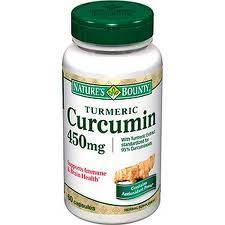
Curcumin bottle
How To Take Curcumin
Some individuals may prefer to ingest curcumin in the form of straight turmeric powder which can be added to meals or tea. However, I prefer to take curcumin in capsule form. If you opt for the capsule version, look for formulations which contain piperine, or black pepper extract. Piperine augments the gastrointestinal absorption of curcumin. Recommended daily dosage is 400 to 600 milligrams per day. For acute flare-ups of arthritis or other musculoskeletal pain, you can double the dosage until the acute phase abates.

Supplements Women Need

Originally published on RxGirl on Friday, 30 November 2012. The original post was published with white text on white background, so the only way to read it on the site is to highlight the text. To make things easier for everyone, I have copied and pasted the article here for you to read.

http://www.rxmuscle.com/rx-girl-articles/7082-supplements-women-need.html
Supps for women
The number of nutritional supplements which are available today can be pretty intimidating to those who are not familiar with the benefits which they confer on those who take them. If you also consider the performance supplements which are marketed to fitness-minded individuals, and which are marketed mostly to men, women are often left bewildered. Since it is my aim to address the issues of women in this article, I will not discuss general supplements such as multivitamins, CLA, fish oil, CoQ10 or the like. Rather, I will focus on supplements which have demonstrated efficacy in treating female-specific woes.

Biotin: This substance promotes growth of healthy hair and nails and is something I have taken daily for many years. Though I have horribly thin nails (and continue to suffer from them despite biotin), my hair has actually gotten considerably thicker in the past ten years, and I honestly believe that biotin has played a large role with respect to my hair health. Another great benefit of biotin is the demonstrated effect it has on regulation of blood glucose. I recommend taking the maximum dose possible, 5,000 micrograms per day.

Calcium: Calcium is a mineral which is a critical component of bone health. There are three mistakes I see people making when taking this supplement:
1. Taking it without Vitamin D or magnesium – Both Vitamin D and magnesium must be present in order for the body to be able to absorb calcium.
2. Taking it on an empty stomach – Calcium is best absorbed when taken with food.
3. Taking large doses at one time – The body is unable to absorb much more than 500 milligrams of calcium at one time. Since the general daily dose in women of childbearing age is 1,000 mg, supplementation should be broken up into 2 doses of 500 milligrams each per day.

DHEA: Dehydroepiandrosterone (DHEA) is a precursor hormone which is produced in the adrenal glands which is later converted to sex hormones such as estrogen and testosterone. Levels of DHEA fall with advancing age and can also decline as a result of exposure to stress. Signs of declining DHEA include stress, fatigue, memory loss, depression, dry skin, and decreased libido. Women are struggling with infertility may also find that DHEA will increase their fertility by promoting hormonal balance and ovulation. I generally feel that any woman over the age of 35 would benefit from supplementation with DHEA at 5 to 15 milligrams per day.

Folic Acid: Many women are aware that supplementation with folic acid decreases the risk of neural tube defects in a developing fetus, but not many know that folic acid has been proven to lower blood pressure in women and prevent development of hypertension. A daily dose of 800 micrograms is advised.
ALA: Alpha lipoic acid, or ALA for short, is effective in regulating blood glucose, optimizing carbohydrate consumption and reducing sugar cravings. Effective dose ranges are between 100 to 200 milligrams, taken two to three times daily.

Chromium Picolinate: Chromium picolinate can decrease sugar cravings and is effective at regulating blood glucose. A dose of 200 micrograms three times daily is optimal.

Vanadyl Sulfate: This is another supplement which can curb sugar cravings. Take 10 milligrams three times daily.

Phosphatidylserine Complex: This supplement supports the adrenal glands during stressful times. Those with poorly functioning adrenal glands should not take this supplement. A daily dose of 200 milligrams taken earlier in the day is recommended.

Melatonin: Melatonin is well known for its effectiveness in balancing out sleep patterns and treating insomnia. This is due to the fact that it reduces cortisol levels (cortisol is known as the stress hormone). Women who suffer from infertility should not take this as it can aggravate the condition. Start with 0.5 milligrams shortly before bedtime and slowly increase the dose by 0.5 mg increments ever few days until you get the desired effect. Do not take more than 5 mg in a dose. Some experts recommend that melatonin only be taken in the short term for isolated insomnia bouts.
Natural Woman
B-Complex – B-complex formulations consist of the following: B complex capsule contains the following vitamins: folic acid, thiamine (B1), riboflavin (B2), niacin (B3),panthothenic acid (B5), pyridoxine (B6), cyanocobalamin (B12) and biotin. This complex supports memory, improves mood, decreases anxiety and combats the effects of stress. It also boosts metabolism, thus increasing energy. I have encountered remarkable responses to B-complex in people who have suffered from depression and who did not respond to prescription antidepressants. I recommend 100 mg per day.

GLA: Gamma-linoleic acid can be very effective in treating the symptoms of PMS, such as menstrual cramps and breast tenderness, especially when taken in tandem with magnesium and vitamin B6. Take 500 to 1,000 milligrams per day.

Magnesium Glycinate: This is a highly bioavailable form of magnesium which helps not only with PMS but also with hot flashes which some menopausal women experience. Recommended dosage is 250 milligrams one to three times daily, and should be taken with food.

Vitamin B6: Vitamin B6 is effective in mellowing the symptoms of PMS, menopause, and morning sickness associated with early pregnancy. It is also effective for depression, acne, and bladder inflammation. Take between 50 to 600 milligrams per day in two to three divided doses.

Cranberry Extract: This is an excellent supplement for good urinary tract health, as it renders the inner bladder walls slippery so that bacteria are unable to adhere to them. Any women who have recurrent bladder infections should take this supplement at a daily dosage of 400 to 500 milligrams.

Diindolylmethane: This extract is found in cruceiferous vegetables such as broccoli and cauliflower and supports healthy estrogen metabolism by optimizing breakdown of excess estrogen. A great formula is DIM-Plus by Nature’s Way. Take two capsules per day.

Emotional Eating

Originally published on RxGirl.com on Monday, 12 November 2012. The original post was published with white text on white background, so the only way to read it on the site is to highlight the text. To make things easier for everyone, I have copied and pasted the article here for you to read.

http://www.rxmuscle.com/rx-girl-articles/6941-emotional-eating.html

emotional-eating ice creamRather than discuss well-known emotional eating disorders such as bulimia, I will concentrate on binge eating which many women engage in from time to time. It is important to recognize this behavior if it becomes a regular pattern, because frequent emotional eating warrants a diagnosis of binge eating disorder and requires treatment and intervention.

Binge eating is characterized by eating compulsively to cope with negative emotions and stressful situations. A binge eater is rarely hungry when she begins to eat and will continue to eat well after she is full. Such episodes can last for up to two hours or can occur off and on throughout the day. The binger feels guilty both during and after the episode, but will not attempt to counteract it by fasting, taking laxatives, vomiting, fasting or over-exercising. A strong lack of self-control as well as feelings of shame will accompany this behavior pattern. There is a strong association between binge eating and depression. Binge eating is also driven by social components such as social pressure to be thin, emotional and sexual abuse, parental criticism of a child’s weight, and the use of food as reward or punishment.

Food cravings are usually the strongest when you are in emotional crisis. You may reach for food for comfort or to serve as a distraction. Consider the following highly stressful events and think about whether you reached for comfort foods during such times:

· Financial problems
· Health problems
· Work issues
· Relationship issues
· Fatigue
· Family issues

Though some people will lose their appetites when stressed and will refrain from eating, many others will engage in impulsive eating in an effort to deal with negative emotions. This may be relatively harmless if such emotional eating occurs on a very rare occasion, but becomes a serious problem when it is used as the only coping mechanism for stressful situations or negative emotions. Just bear in mind that if you have a rare moment of weakness, it is important to recognize it as just that and to prevent yourself from spiraling into excessive feelings of guilt over the incident. If you engage in an episode of emotional eating, learn to forgive yourself and have a fresh start the following day.

Why We Engage in Emotional Eating

What occurs almost invariably when we eat emotionally is that we turn to cookies, cakes, candy, fried foods and breads rather than to healthy foods. There is a biochemical basis for such behavior. Carbohydrates which are high in sugar or fat release dopamine in our brains which in turn stimulates the brain’s pleasure center, creating a sense of euphoria. These foods are usually associated with pleasurable memories, such as cake which you may have looked forward to on your birthday, or macaroni and cheese as a treat after school when you were a child.

Food can also serve as a happy distraction from conflict or stressful events by stimulating the aforementioned pleasure centers. What will frequently occur is that an excessive amount of these foods will be consumed. However, if you remain aware of such automatic connections between food and mood and realize when you are eating for reasons other than hunger, you can break this cycle and get back on track with healthy eating habits which are associated with true hunger.

How To Combat Emotional Eating

· Keep a food diary. Get in the habit of writing down everything you eat and drink, including the quantity, the times at which you eat, your emotional state while eating the meal, and your level of hunger. By doing this you may see patterns which will reveal your emotional relationship with food.

· Remove tempting foods. Avoid stocking comfort foods in your home if you find that they are difficult to resist. And by all means avoid making trips to the grocery store if your emotions are spiraling out of control!

· Practice stress management. Yoga, meditation, and relaxation techniques are effective methods of managing your stress.

· Determine whether you are truly hungry. Many times people may believe they are hungry when in reality they are actually emotionally distraught and desperately searching for a way to defuse such emotions.

· Make sure you consume adequate calories. Individuals who are trying to lose weight will often restrict their calorie intake too much, and will turn to the same foods in an effort to remain on track without rewarding themselves with an occasional treat. Adding variety to your meal plan will also help to keep you on track.
Emotional_Eating cake
· Distract yourself. If you get an urge to snack when you aren’t truly hungry, distract yourself by watching a movie, calling a friend, reading, listening to music, or taking a walk.

· Consume healthy snacks. If an urge to snack between meals strikes, choose a low-calorie snack such as vegetables with seasoned nonfat Greek yogurt, fresh fruit, low fat cottage cheese or rice cakes.

· Get enough sleep. Getting enough sleep is an important component in decreasing cravings for comfort foods.

· Eat at regular intervals. Consume smaller meals every three to four hours to keep you from feeling hungry or deprived.

· Focus on the experience of eating. Learn to eat in a mindful manner, in which you pay attention to your meal and only your meal. Become aware of the sensations associated with eating.

· Reward yourself. It is both physically and emotionally unhealthy to practice excessive calorie restriction for prolonged periods. Allow yourself to have a favorite food or meal once each week.

· Connect with your emotions. When a food craving hits during an emotional time, write down the emotions you are experiencing, such as sadness, loneliness or anger.

· Seek professional help if emotional eating is frequent. There are countless support groups which you can join which will help you to develop insight as well as the skills to avoid engaging in such behavior.

Should You Block Cortisol Production?

Originally published on mensphysique.com on Thursday, 01 November 2012

http://www.rxmuscle.com/blogs/the-lab-supplement-school/6894-should-you-block-cortisol-production.html
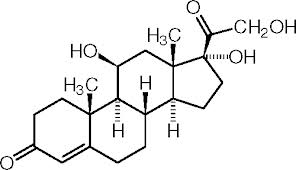
cortisol
Cortisol’s Functions

Cortisol has gotten a bad rap in recent years due to its nickname, the “stress hormone”. What occurs during times of excessive emotional stress? The adrenal glands respond by producing more cortisol in an effort to provide more energy and a higher pain threshold which is in keeping with the “fight-or-flight” response you may be familiar with. Normally, cortisol levels are at their highest in the morning then decrease progressively throughout the day, but if your body is placed under excessive stress, it may produce abnormally high levels of cortisol which disrupt this natural pattern. The resulting elevation in cortisol stimulates the metabolism of carbohydrates and fats and also triggers insulin release. These activities can result in an increased appetite and uncomfortable hunger pains. Blood glucose levels also rise as a result of excessive cortisol release, and if that glucose is not used for energy, it will be stored in the body’s fat reserves, particularly in the fat cells of the abdominal region.

An alarming consequence of excess cortisol release as a result of stress is the damage to the hippocampus and potential memory loss which can occur over time. Several studies have discovered that about one fourth of the hippocampus cells in the brain are lost as we age. Since the hippocampus is responsible for giving feedback to the cerebral cortex in order to prevent production of excess cortisol, such feedback is impaired and could lead to memory loss over time.

However, while it is true that cortisol is responsible for responding to stressful situations, it is also essential for a number of important functions in the body, including regulation of blood pressure, glucose metabolism, immune system support, memory support and regulation of blood sugar. Keeping cortisol release at a balanced and normal range is the key to optimizing its beneficial effects.

Catabolism, Anabolism and Cortisol

Cortisol is a potent catabolic agent and has been shown to cause significant loss of muscle mass in sedentary individuals. When cortisol is released into the bloodstream, it binds to receptors on muscle cells and activates the ATP-dependent ubiquitin/proteasome pathway which causes the body to literally consume its own muscle tissue. It’s a disturbing thought, but the upside is that weight training is effective in counteracting some of cortisol’s direct catabolic actions. The strange paradox is that training both reduces cortisol’s direct catabolic effects and increases the body’s secretion of the substance. Cortisol also slows the body’s anabolic drive by inhibiting the release of testosterone, human growth hormone and insulinlike growth factor 1. Thankfully, weight training once again blocks this anti-anabolic action to some extent, but this block only occurs in the trained muscles.

Another bizarre paradox with cortisol is found with protein absorption. Eating any meal will trigger cortisol release, but proteins are the most potent cortisol releasers. Cortisol release can be blocked by administering alpha-1-blockers before a protein meal, but this will also adversely affect protein absorption. What this boils down to is that cortisol must be released in order to properly assimilate proteins. Keep in mind that protein-induced cortisol release is very brief, while cortisol released as a result of stress persists for a much longer period of time.

Controlling Cortisol Release

A certain level of cortisol secretion is normal. However, if you are interested in controlling excessive cortisol release, you may want to consider taking certain supplements. The most prudent manner in which to do this is to get a blood test beforehand which will determine whether you actually have abnormally high cortisol levels.

GlutamineComplex300L-glutamine: Athletes who supplement with L-glutamine are well aware of its mass building and reparative effects, but L-glutamine also halts cravings for simple carbohydrates, thus aiding in stabilizing blood sugar in individuals who have high cortisol levels.

Theanine: Theanine is naturally found in green tea and has been studied for its calming effects on the nervous system. It works by triggering dopamine and gamma aminobutyric acid (GABA) release, which serve to protect the hippocampus.

L-lysine and L-arginine: Combination oral supplementation of these two amino acids have been proven to reduce anxiety and restore cortisol to basal levels.

B-Complex Vitamins: All of the B vitamins work synergistically in adrenal hormone production, especially vitamin B-6, pantothenic acid and niacin. Not only do they support adrenal hormone production, they also protect against the effects of excess cortisol.

Vitamin C: When the body is placed under stress, free radicals are produced which cause the body to use up vitamin C as a protective mechanism for cells. Since we are unable to produce our own vitamin C, it must be ingested regularly. In fact, vitamin C intake should be increased during stressful times.

Zinc: Stress-related cortisol surges will often trigger sugar cravings which, when indulged, may result in a zinc deficiency due the fact that sugar binds with zinc and is excreted. However, individuals who supplement with zinc and refrain from sugar indulgences benefit from a protective effect which zinc confers. One study in particular, “Zinc Acutely and Temporarily Inhibits Adrenal Cortisol Secretion in Humans” by J. Brandao-Neto et al in the January 1990 issue of the journal “Biological Trace Element Research”, administered zinc to some subjects and placebo to the control group. The group which was given zinc supplementation showed an acute drop in cortisol levels compared with the control group.

Magnesium: Studies by Dr. Hans Selye revealed that when the human body shifts from an acute “fight or flight” reaction to a chronic stress response, the high levels of cortisol and norepinephrine result in magnesium depletion. When the body is deficient in magnesium, one becomes predisposed to panic attacks which lead to more stress and more depletion. Studies have also shown that 80 percent of the American population is deficient in magnesium. By supplementing with magnesium, one can boost serotonin production and provide protection against the harmful effects of excess cortisol.

ZMA: ZMA, which stands for Zinc monomethionine aspartate and Magnesium Aspartate, is a popular sports supplement which is comprised of zinc, magnesium and vitamin B6. The proportion of ingredients usually seen is 20-30 mg zinc, 400-500 mg magnesium and 10 mg of vitamin B6. This supplement meets the body’s magnesium requirement, and the zinc and vitamin B6 allegedly increase strength levels.

Pregnenalone: Pregnenalone is a precursor to progesterone and DHEA. Since progesterone has a protective effect against the effects of estrogen and cortisol, and since DHEA causes cortisol levels to fall, pregnenalone can be an effective supplement in controlling cortisol excess.

Phosphatidylserine: This phospholipid is an essential building block for cells which is extremely effective in reducing cortisol levels in response to physical stress. Phosphatidylserine can also have a positive effect on one’s mood.

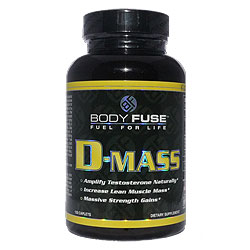
Bodyfuse D-MassTestosterone Boosters: These substances can moderate the release of cortisol in response to exercise.

Growth hormone boosters: These substances also control exercise-induced cortisol release while leaving basal cortisol release unaffected.

Carbohydrate drinks: When a workout is lengthy, blood glucose levels fall, resulting in hypoglycemia which triggers the release of cortisol. Consuming a carbohydrate beverage can prevent this drop in blood glucose while also maintaining insulin at a high level.

To Suppress, Or Not To Suppress…Cortisol, that is:

Many of you are aware that cortisol can simultaneously cause degradation of protein and impair protein synthesis. However, there is a danger in taking supplements to inhibit cortisol release if your basal cortisol levels are already low. When basal cortisol levels are below normal, metabolism is disrupted, blood sugar drops and glycogen stores are diminished. Low cortisol levels also cause blood pressure to plummet along with a decrease in cardiac output. Diminished cortisol also causes hyperactivity in the melanocytes which produce skin pigment, precipitating dark discoloration.

If that isn’t enough, low cortisol results in impaired immune response, weakness and dehydration. When infection, excessive sweating or surgical trauma occur in such an environment, an adrenal crisis can occur. If such a crisis is pronounced, a whole host of symptoms can manifest, a number of which are life threatening. The most severe of these symptoms are loss of consciousness, low blood pressure, seizures, shock and coma.

As stated before, it is a good idea to check your cortisol levels before taking any type of supplement which is designed to control cortisol release.

High Fructose Corn Syrup

Originally published on mensphysique.com on Monday, 01 October 2012

http://www.rxmuscle.com/blogs/the-lab-supplement-school/6661-high-fructose-corn-syrup.html
Corn Syrup
Corn sugar, or high-fructose corn syrup (HFCS) as it is more commonly called, is the most common sweetener which is used in processed foods and beverages. In fact, HFCS comprises more than 40 percent of caloric sweeteners added to foods and beverages and is the sole caloric sweetener in soft drinks in the United States. It is adored by the food industry because it is extremely sweet, incredibly cheap, easy to transport and keeps foods moist. Like its chemical cousin table sugar (sucrose), it has raised eyebrows in the research world and prompted a growing body of studies which examine the manner in which the body processes it. The general consensus is that consumption of large quantities of any type of sugar is closely linked to dental cavities, obesity, malnutrition, and increased triglycerides. One study which was published in Metabolism Journal discovered that individuals who drank a beverage sweetened with HFCS had fructose blood levels five grams higher than those consuming a beverage sweetened with table sugar. This may not seem like much, but when you consider the cumulative effects, HFCS becomes a much more insidious dietary villain.

Fructose and GlucoseLet’s examine the composition of HFCS. This substance contains from 43 to 55 percent fructose with the remainder as glucose. In contrast, sucrose is 50 percent fructose and 50 percent glucose. Both are quite similar except when it comes to chemical bonds. When HFCS is made from cornstarch, the fructose molecules are not bound to other sugar molecules, while with sucrose, every fructose molecule is bound to a glucose molecule. When sucrose is ingested, it must undergo an extra metabolic step before the body can use it. With HFCS, the body reacts to the fructose readily. The problem is that fructose has no effect on glucose levels and insulin release (in other words, it skips glycolysis) and thus will not trigger the release of leptin (the hormone which signals your body to stop eating when it is full) nor create a feeling of satiety. This can lead to a higher caloric intake with a corresponding body weight increase. Basically, HFCS tricks the body into thinking it’s hungry when it may already be full.

Foods Containing Large Levels of HFCS
· Regular soft drinks
· Salad dressings
· Breakfast cereals
· Frozen yogurts
· Canned soups
· Canned fruits (if not in their own juice)
· Jarred and canned pasta sauces
· Bread
· Fruit-flavored yogurts
· Pancake syrups fruit juice and fruit drinks
· Popsicles
· Ketchup and barbecue sauces

Make sure to check ingredient listings, especially with the foods listed above, and try to avoid HFCS whenever possible.

Protein Denaturing And What It Means For You

Originally published on mensphysique.com on Wednesday, 05 September 2012

http://www.rxmuscle.com/blogs/the-lab-supplement-school/6456-protein-denaturing-and-what-it-means-for-you.html

protein denaturing
Proteins are comprised of amino acids arranged like beads on a string (primary structure) which are then folded upon themselves by means of hydrogen bonds (secondary, tertiary and quaternary structures). This intricate folding can be very complex, conferring specificity which defines a protein’s biological activity. If such higher structures are disrupted, such as by temperature extremes, altered salt concentration or changes in pH, a protein’s biological activity can be reduced or completely obliterated.

When most proteins are heated beyond 41 degrees Celsius (105.8 degrees Fahrenheit), the bonds are broken, thus resulting in denaturing of proteins. When you consider the fact that normal body temperature is 37 degrees Celsius or 98.6 degrees Fahrenheit, not much heat is required to break down a protein. Most stoves have broiling air temperatures up to 500 degrees Fahrenheit, with the surface temperatures of food reaching higher temperatures as a result of direct radiation from the heating elements. In essence, normal cooking practices heat proteins well above the temperatures at which they become denatured.

In addition to denaturing, cooking temperatures can cause cross-linking of some proteins, best exemplified by hardening of bread or eggs during the cooking process. This reduces the digestibility of the proteins, but it is important to consider that the majority of those proteins is absorbed and utilized by the body. Most whey protein has been processed at temperatures exceeding 160 degrees Fahrenheit or 72 degrees Celsius, qualifying it as hydrolyzed protein. However, despite the fact that the peptide bonds in the protein are broken during pasteurization, denatured protein still contains all of the amino acids that are found in unhydrolyzed protein and which provide the building blocks for muscle.

What this translates to is the fact that there is still nutritional benefit to be gained from denatured protein despite the argument by some that such proteins are useless. During the critical post-workout window, the body needs protein in order to repair and build muscle. Most of this is absorbed and utilized by the body, with a small portion excreted as waste which is often characterized by a particularly pungent “protein bomb” odor.

Why have I brought up the subject of denatured protein? Because I have heard people argue that hydrolyzed whey protein is useless because it is not bioactive. It seems to me that the considerable muscle mass found on individuals who ingest large amounts of whey protein flies directly in the face of such a short-sided argument. Furthermore, I do not believe that the baking process to which whey protein used in high protein breads is subjected poses any greater risks on the constituent amino acids themselves since they are already hydrolyzed to begin with. Until I see an individual who shows no increase in muscle mass despite proper weight training and sufficient protein intake which relies heavily on whey protein sources, I will continue to hail hydrolyzed whey protein as an excellent source of protein for those who are trying to gain muscle.

Collagen Controversy: Is This Protein For You?

Originally published on mensphysique.com on Wednesday, 01 August 2012

http://www.rxmuscle.com/blogs/the-lab-supplement-school/6215-collagen-controversy-is-this-protein-for-you.html
Collagen Protein
Though collagen is not the most popular sports protein source, a number of sports supplement companies use it as part of their formulations, and in a couple of instances showcase this ingredient. There have been claims suggesting that hydrolyzed collagen may promote the oxidation of fat while promoting the preservation of lean muscle mass. In addition, collagen is believed to provide important amino acids that serve as building blocks to help strengthen connective tissues throughout the body, thus restoring elasticity to tendons, ligaments and skin. However, the controversy surrounding collagen is significant, and those who currently ingest collagen, whether for nutritional protein supplementation or for restoration of skin and ligament integrity may wonder if this pricey protein is simply a waste of money.

Collagen is the second most common substance encountered in the human body, right behind water. It is essential for strong connective tissues and is also found in membranes that surround blood vessels and internal organs. In addition, collagen is a vital component of skin. This adds up to one third of all the protein found in the body. As a response to collagen’s gradual age- and activity-related degradation, collagen supplements have been formulated in an effort to restore this loss. Here are the numerous benefits which proponents of collagen protein claim:

· Increased fat oxidation
· Increased lean muscle mass
· Cardioprotective benefits
· Improvement in skin, hair and nails
· Stronger bones
· Stronger joints

Which of these claims are valid, and which simply convince consumers to add an unnecessary supplement to their daily regimens?

Evidence Supports Use of Collagen For:
Osteoarthritis and Rheumatoid Arthritis – Numerous studies have been conducted in order to determine whether collagen supplementation has any effect on the treatment of arthritis, and the results are encouraging. Such studies have revealed measurable increase in joint mobility, as well as reduction of pain and joint inflammation after administration of collagen (specifically undenatured type II collagen) supplements. Supportive evidence of the importance of supplementation with type II collagen is the presence of anti-type II collagen autoantibodies in patients suffering from rheumatoid arthritis. Optimal daily dosage of type II collagen in the treatment of arthritis is 5 to 10 grams.

Sports-Related Joint Pain – In a study conducted on 86 adult athletes at the German Olympic Center in Essen, Germany, 79 percent of the study’s subjects had a statistically significant improvement in joint mobility and flexibility as well as decreased pain after a 12- week, 10 gram daily course of CH-Alpha (a nutritional supplement containing collagen hydrosylate, other proteins and amino acids which is nearly identical to the collagen found in joint extracellular matrices).

Preservation of Lean Body Mass in the Elderly – According to a 2009 study in the Journal of the American Dietetic Association, a number of elderly, sedentary women who were given hydrolyzed collagen supplements showed an increase in lean body mass at the end of the study. However, other studies which were conducted in younger subjects and athletes failed to show a correlation between administration of collagen protein and preservation of lean mass.

Forget Collagen When Treating the Following:
Preservation of Bone Density – A number of studies conducted in recent years have failed to show any effects on bone density in subjects suffering from osteopenia or osteoporosis.

Sagging Skin and Wrinkles – The aging process results in impaired collagen production as well as progressive degradation of collagen, leading to thinner skin and wrinkles. Unfortunately, topical collagen formulations fail to penetrate the skin and thus have no utility in reversing these age-related changes. In addition, scientific studies have shown no correlation with oral collagen supplementation and restoration of youthful skin. The only utility transdermal creams have is in fattening up the wallets of skincare companies.
Cardiovascular Health – Despite the fact that collagen fibers are abundant in the extracellular matrix of the myocardium and arterial walls, there is no evidence which supports oral collagen supplementation and prevention of atherosclerotic disease.
Collagen Sources and Cow Scares

The oldest and most common sources of collagen include the skin, bones and connective tissues of chickens and cows. However, the incidence of transmissible bovine spongiform encephalopathy (aka mad cow disease) has resulted in the increasing use of marine collagen hysdrosylate and shark skin collagen. In addition, products derived from animal sources carry a risk of a potential allergic reaction. For those who are hesitant to use any form of collagen, it may be prudent to consider supplementation with substances which have been proven to boost the body’s natural production of collagen.

What Boosts Collagen Production?
Above all else, maintaining healthy eating habits, getting regular exercise and hydrating sufficiently will support the body’s natural ability to produce collagen. However, there are substances which play integral roles in collagen production and which can be easily incorporated into a daily supplement regimen.

Vitamin C – This substance’s primary role is to make collagen and its presence is essential for collagen formation. If for some reason you are unable to tolerate vitamin C supplements, you may want to take the C ester form which is also known as ascorbyl palmitate.

Alpha Lipoic Acid – This substance recycles the body’s vitamin C pool, thus optimizing its effectiveness. Alpha Lipoic Acid is also an excellent antioxidant which can aid in reducing joint swelling.

Lysine – One of the essential amino acids, lysine plays a vital role in collagen production. For individuals who are interested in lysine supplementation, a daily dosage of 1,000 mg is suggested. However, diets which incorporate eggs, nuts, poultry, red meat, pork, cheese, legumes or cheese will in the majority of cases provide adequate amounts of lysine.

Glucosamine combinations – Glucosamine is typically formulated with either chondroitin or MSM and is excellent for management of joint pain. However, it does not directly impact the production of collagen. Due to common reports of gastrointestinal upset in some individuals who take the chondroitin formulations, it may be wise to opt for glucosamine/MSM combinations.

Vitamin A – This fat-soluble vitamin stimulates collagen renewal by increasing the activity of enzymes in collagen and improving elasticity. One commonly used form of vitamin A is retinol, which can be found in a plethora of skincare products.

Vitamin E –This powerful antioxidant is extremely effective in eliminating free radicals which result from sun exposure and works synergistically with vitamin A to prevent progression into collagen degradation. Food sources include almonds, avocado and dark green leafy vegetables.

CoQ10 – This is another powerful antioxidant which has significant cardioprotective benefits. It stimulates skin cell activity in general as well as stimulating collagen production.

Summary
Collagen supplementation may have some utility in alleviating joint pain. However, it does not confer benefits to skin integrity since it is not assimilated via the oral or transdermal routes. In addition, nutritional collagen is extremely costly and does not offer any advantages over the more popular whey protein powders on the market.

Get Revved Up For The New Year!

Golden 2015 Happy New Year Greeting Card With Sparking Spot Ligh
Every year we have the opportunity to start fresh with a brand new set of days to change our attitudes and tackle our goals. Many people start the new year with resolutions to embark on diet and fitness programs in an effort to get into the best shape of their lives, improve their health, or perhaps enter a bodybuilding contest. I am bracing myself for the influx of new gym members this month because I know they will pack my local gym, but I am also well aware of the attrition rate which also occurs each year. I applaud anyone who makes the effort to change old habits and who truly commits to a regular exercise program and clean meal plan, and believe it is important to implement supplements which can boost energy levels and hasten fat loss and weight loss efforts.

Two of my favorite fat burner supplements are SWAT Fuel’s 9mm and 9mm+P, both of which deliver sustained energy with no jitters or crash. These thermogenic capsules were formulated with military personnel and law enforcement offers in mind, who must remain razor sharp through long vigils and who must also wield weapons which require precision aim. A case of the jitters in these individuals could be disastrous, so it is reassuring to know that 9mm and 9mm+P deliver on their promise of steady and long lasting energy. The 9mm+P formula contains an appetite suppressant which is extremely effective in halting cravings and preventing overeating. Both of these products are also excellent for anyone who wants more energy, whether it be for a workout or for work.

Be sure to check out SWATFuel.com and order directly from them!