ALCAT Food Intolerance Testing

ALCAT-Logo-1

I URGE people to get the ALCAT Test done to determine what specific food intolerances they may have. The impact to one’s health from being exposed to such triggers can be significant! I am not talking about food allergy, which is an IgE immune system response that is rapid (seconds to hours) and is typically characterized by hives, shortness of breath, upset stomach and anaphylaxis in some cases. The most common food allergies are to nuts, shellfish, wheat and dairy. Interestingly enough, only about 4% of the United States population has a food allergy. The ALCAT Test does not detect food allergy, but it tests food INTOLERANCE which is far more widespread and insidious.

Food intolerance is characterized by digestive disorders, migraines, obesity, chronic fatigue, aching joints, skin disorders and behavioral issues. It has been stated that upwards of 70-80% of the US population has food intolerance. Unfortunately for many, those food intolerance symptoms are often identified as individual problems and treated as such, thus treating the symptoms and not the cause. The ALCAT Test is now considered the, “gold standard” laboratory method for identification of non-IgE mediated reactions to foods, chemicals, and other substances.

Some insurance plans will cover part or all of the expense of the testing…We at Urban Med recommend the Comprehensive Wellness Panels 1, 2, and 3, which include testing of 150 to 200 Foods, plus Food Additives/Colorings, Environmental Chemicals and Molds. These panels run from $675 to $850. Here’s the thing: though the testing is pricey, it is very specific. In addition, you get a detailed rotation diet for reintroduction of the foods which you have intolerance to after you have eliminated them for the recommended period (3 months for moderate intolerant foods, 6 months for severe intolerant foods). This information can be invaluable if you are suffering from unexplainable conditions or conditions which are resistant to medications or other interventions.

I finally got mine done in January for the first time despite the fact that I have counseled and tested patients using this technology for over three years. I had suspected that I had some intolerance to certain foods which the ALCAT test confirmed, but I was astonished by some of the other results.

These panels are extensive and specific, and only require a blood draw. You can explore your options for obtaining testing here: https://www.alcat.com/alcattesting.php

The different panels which are offered by ALCAT are listed here:
https://www.alcat.com/test_panels/

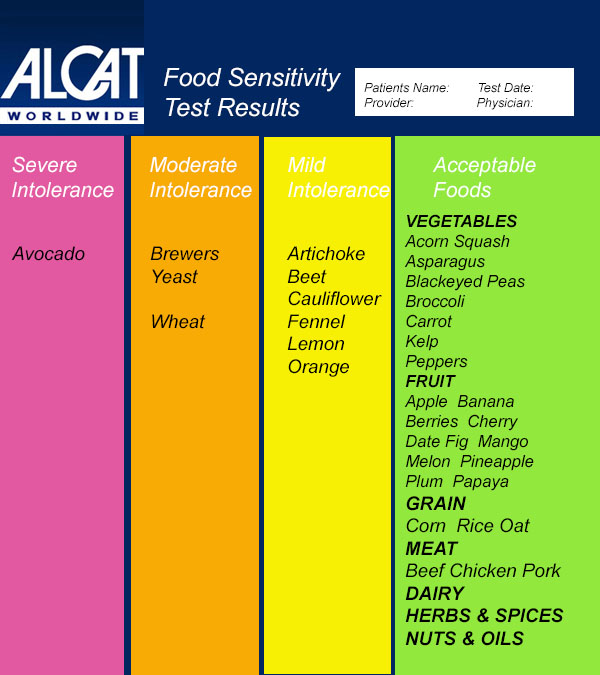
Here is a sample test result sheet:
ALCAT-Food-Allergy-Sensitivity-Test-Sample

Supplements You Should Be Taking Based On Your Age

Originally published on mensphysique.com on Saturday, 06 September 2014

http://www.rxmuscle.com/blogs/the-lab-supplement-school/11503-supplements-you-should-be-taking-based-on-your-age.html
supplements4
Most of you who are reading this article are probably already taking certain nutritional supplements which are popular among bodybuilding folk, such as conjugated linoleic acid, glutamine, fish oil, whey protein, and glutamine. However, there are basic nutritional demands in everyone which competitors might not be addressing in their daily regimens. In addition, those demands change as we age, as do the supplements which confer optimal health. In an effort to address those demands, I have compiled a list of supplements which you should consider adding to your regimen.

The following supplements serve as core nutrients which people of all ages require:

Multivitamin – I realize that there is some controversy regarding multivitamins, but I happen to be in the camp that is pro-multivitamin. Contest prep meal plans are notorious for being deficient in a multitude of nutrients, underscoring the need for a high quality multivitamin/multimineral supplement.

Vitamin C – This miracle nutrient is a potent antioxidant, assists in wound healing, aids in the absorption of iron from foods, and is critical for the development of collagen. Recommended daily dosages of this important vitamin are anywhere from 1,000 milligrams to 5,000 milligrams, split into 2 to 4 doses.

Zinc – One reason why this mineral is so important for men of all ages is because it is required for sperm production. Zinc is also a potent aromatase inhibitor, but only in doses of 100 milligrams or more per day. If you choose to take high doses of zinc, be sure to also take copper supplementation.

Alpha-Lipoic Acid (ALA) – This is a potent antioxidant which also aids with glycogen uptake. Basically what that means is that ALA will assist your body in metabolizing dietary sugars more efficiently. ALA is also great for brain and liver health. Recommended dosage is 100 milligrams to 300 milligrams daily.

Probiotics – These beneficial bacteria promote intestinal heath and a stronger immune system. The general population can obtain probiotics from milk, yogurt, tempeh and other products, but those who compete may opt for a supplement which will keep one’s diet contest-friendly. Look for formulations which have at least 20 billion live bacteria.

Vitamin D3 – This vitamin has gotten a lot of attention in recent years as a result of research which determined that the vast majority of the human population is deficient. This deficiency is largely the result of wide use of sunblock (thus turning off the body’s production of vitamin D3), and a drop in milk consumption. Why is Vitamin D3 so important? Vitamin D3 is associated with bone health, but may also play a role in the prevention of diabetes, cancer and multiple sclerosis. If you are like a vampire and remain indoors all day, take at least 1,000 international units (IU) daily. I personally take 5,000 IU daily to get the most of its ability to absorb calcium. I also recommend getting vitamin D3 from dietary sources like whole eggs or fatty fish like salmon.

Calcium – Calcium supplementation is essential for individuals who don’t consume lots of dairy or calcium fortified foods. Ironically, calcium supplements are absorbed more readily in the presence of lactose and protein. However, if dairy products are forbidden due to lactose intolerance or contest prep diets, consuming protein when calcium is taken will enhance absorption. Make sure to take vitamin D3 with calcium supplements to further enhance absorption. Recommended dosage is 1,000 milligrams per day, split into two doses.

Add these to your regimen if you are in your 30’s:
Glucosamine – This supplement is especially important for those who lift weights since it can ameliorate pain from joint inflammation. A good daily dosage is 1,500 milligrams. I tend to recommend formulations which contain MSM and NO chondroitin, because I have had too many patients complain of gastrointestinal upset with the chondroitin formulas.

Vitamin B12 – Vitamin B12 is found in animal protein, but the body cannot access it well, and this impairment becomes worse as we age. Because of this, taking a B12 supplement should become a part of your daily regimen if you are over 30.

DHEA – This is a controversial supplement because it has a considerable side effect profile, but I am including it here because so many people who compete can benefit from it as they age. DHEA is a sex hormone precursor which is secreted mainly by the adrenal glands and which is usually abundant in people who are in their 20’s. However, production begins to decline in one’s 30’s, and continues to drop significantly over the decades. It is a key player in maintenance and building of muscle, fat loss, and slowing the aging process. Side effects include heart palpitations, elevated blood pressure, breast enlargement, testicular atrophy, and interactions which certain medications. For this reason, you should consult with a physician to determine if your DHEA levels are low and if you may benefit from DHEA supplementation.

Individuals over 40 should add the following:
Leucine – This is probably the most important supplement you can add to your regimen as you age, especially if you are a competitor, because it helps to offset age-related muscle loss. One of the branched-chain amino acids, leucine is unique in this regard. Add 2 grams of leucine to a couple of your protein-containing meals. Leucine powder is VERY bitter, so make sure to mix it with a tasty protein powder, or take it in capsule form with your whole food meals.

Coenzyme Q10 – This antioxidant aids in ATP production, especially in the heart. It’s a good idea to take at least 30 milligrams per day, but I personally take 100 milligrams daily for the cardiac benefits.

Saw Palmetto – If your bathroom visits in the middle of the night are frequent and are not confined to your water-loading evenings, then you are probably experiencing prostatic enlargement. If this is the case, you might want to consider taking saw palmetto at a recommended dosage of 160 milligrams per day.

Over 50? Stack this supplement onto the above regimens:
Phosphatidylserine – This nutrient is important for optimal brain health. Take 200 milligrams per day.

The If-It-Fits-Your-Macros Trend

Originally published on mensphysique.com on Thursday, 09 October 2014

http://www.rxmuscle.com/blogs/the-kitchen-eating-strategies/11653-the-if-it-fits-your-macros-trend.html
IIFYMslide
You have probably heard about the “If It Fits Your Macros” (or IIFYM) trend which has been increasing in popularity within the fitness and bodybuilding world. It’s not surprising that the concept was embraced and developed by people within the industry who were sick and tired of adhering to monotonous, restrictive meal plans in which the vast majority of foods were labeled as evil and forbidden. On a personal note, I jumped on the IIFYM bandwagon as well because I was fed up with avoiding certain so-called “bad” foods and also dealing with metabolic burnout from years of caloric restriction. What surprised me was the positive manner in which my body responded to taking in maintenance calories as opposed to constantly functioning at a caloric deficit which only served to slow down my metabolism.

The term macro refers to the principal nutrients which the body requires: protein, fat, carbohydrates. IIFYM dictates that as long as you fulfill the energy needs of your body, you can obtain calories from any food source. Let’s face it: your body needs a certain amount of protein, carbohydrate and fat, along with fiber and micronutrients such as vitamins and minerals in order to function optimally, but it doesn’t scrutinize every macronutrient gram as it is thrown into the body. On the other side of the coin, it is also important to bear in mind that most proponents of IIFYM do not consume large amounts of junk food either. As long as quality protein is consumed in adequate amounts to contribute to muscle growth and repair, along with micronutrients and dietary fiber to support normal digestion, it shouldn’t matter if a small percentage of caloric daily intake is obtained from discretionary or junk food items.

My personal opinion is that the quality of carbs still should come into play if you are employing an IIFYM approach. However, if the majority of carbs comes from quality sources such as oats, sweet potatoes and brown rice, a small amount of junk carbs (cookies, Pop Tarts) shouldn’t tip the balance too much. I am a fan of carb BACKloading and believe the largest insulin spike should come at night before you sleep, since you will be fasting for several hours.

I know some of you are still reading this with great skepticism and want to hold onto your six boring meals of tilapia and green beans every day, refusing to accept the concept of loosening the reins a bit and actually enjoying a variety of foods. IIFYM doesn’t mean that you lose control and eat whatever you want, whenever you want. What it DOES mean is that foods will no longer be forbidden or “bad”, and that you can actually consume them on a fairly regular basis as long as you keep track of your daily nutrient intake.

The main drawback of IIFYM is that you must track your food intake, which in a sense is another form of food fixation. However, there is a greater chance that you will meet your body’s nutrient needs than if you follow a cookie cutter, calorie restricted, orthorexia lover’s contest prep meal plan. When clean eating is followed 100% and the majority of food sources are banned, caloric restriction is almost inevitable. Such caloric restriction, when practiced for an extended period of time, will cause fat loss to stall and metabolism to slow down.

How about if you met your macronutrient needs without having to banish most foods from your diet? So many people in the world of fitness suffer from orthorexia, a psychopathological condition in which foods are labeled as “good” or “bad”, and in which individuals become socially isolated over their need to eat “correctly”. I have seen so many competitors struggle with an increasing difficulty in losing fat, so their coaches restrict their calories even more and ban more foods from their meal plans. Fruit, healthy fats, and healthy carbs are stripped away in an effort to lean the competitor out. Another thing to consider is what food deprivation does to people. If a food is “bad”, suddenly the temptation to indulge in that bad food is intensified.

You might want to consider trying IIFYM if you are in a slump with your current meal plan. You may feel like a hamster on a very boring and restrictive “clean eating” wheel in which you are only allowed to eat very specific foods in certain combinations. For some of you who have been doing this incessantly for years, you may have noticed over time that it has become more and more difficult to lose weight. Your meal plan is probably VERY rigid and VERY boring, consisting of foods you are probably so sick of that if you never had to eat them ever again, you would rejoice in the streets for days. Give IIFYM a try. You might be pleasantly surprised at how your body responds.

Melatonin

Originally published on RxGirl on Thursday, 19 June 2014

http://www.rxmuscle.com/rx-girl-articles/11102-melatonin.html
Sleep-girl
Melatonin is a hormone produced by the pineal gland in the brain which regulates the wake-sleep cycle. Production is turned on later in the evening when lights are turned off for bedtime. However, there are a number of poor habits which people commonly engage in which interfere with the body’s production of melatonin, with harmful results such as impaired immune response, increased rate of cellular aging, and increasing the risk of cancer formation.

Basically, those late nights you spend watching TV or reading are interfering with optimal health. As soon as a light is turned on at night, you send a signal to your brain that it is daytime. Production of melatonin ceases and does not resume when you turn the light off either.

Shorter wavelengths (red, orange, yellow) of light are less detrimental than white or blue light and should be used in the evening. I love the salt lamp I have in my bedroom and try to use that light as my sole illumination in the bedroom as much as possible at night.

Why is it so important to preserve the body’s natural production of melatonin? Because melatonin is a potent antioxidant and excellent for reducing inflammation throughout the body, including the brain.

Implement the following guidelines to optimize the body’s production of melatonin:

1. Try to get daily bright sun exposure. Production of melatonin approximates the contrast between bright sun exposure during the day and complete darkness in the evening.

SuprachiasmaticNucleus

2. Turn off your computer and TV at least one hour before going to bed. Both computers and televisions emit blue light which interferes with the body’s normal production of melatonin.

3. Sleep without any lights on. The darker your room is while you sleep, the better chance you have of allowing your body to produce melatonin without interruption.

4. Drop the thermostat to 60 to 70 degrees.

If you think your melatonin levels are low or you have lab work demonstrating low melatonin, and you also suffer from insomnia, you might want to supplement with melatonin tablets. Beware of the dosage, and keep it at 0.5 to 3 milligrams maximum dosage each night. At higher doses, melatonin can have hypnotic effects on some individuals, and on others, a paradoxical hyperaware state may manifest.

On a personal note, I had lab work early this year which demonstrated low melatonin, but I wasn’t suffering from insomnia. A colleague insisted I supplement with 3 milligrams of melatonin per night, which resulted in anxiety and a completely sleepless night for all of the nights I took melatonin.

Another caution: If you are trying to get pregnant, you must avoid taking melatonin supplements because they interfere with fertility.

Worth Your Weight In Salt: Why Some Dietary Salt Is Good

Originally published on mensphysique.com on Wednesday, 28 May 2014

http://www.rxmuscle.com/blogs/the-kitchen-eating-strategies/10971-worth-your-weight-in-salt-why-some-dietary-salt-is-good.html
salt
Salt has gotten a bad rap due to its rampant overuse in the food and restaurant industries and its potential to elevate blood pressure in susceptible individuals. However, it is responsible for the generation of nerve impulses, electrical conduction of the heart, and the contraction of all other muscles in the body.

The human body contains 4 to 8 ounces of salt and requires this to regulate body water, proper blood volume and normal blood pressure. It’s quite remarkable how the body can rid itself of excess sodium via the production of sweat and urine. Perhaps you have noticed instances in which you have retained water after a brief spike in dietary sodium intake, but this is rather short-lived in healthy individuals. What happens is that the high concentration of sodium causes fluid to travel from body tissues into the bloodstream to dilute the sodium influx. Blood volume increases, then blood pressure also increases, triggering the kidneys to increase urine output in order to excrete the excess sodium and water.

I’m not suggesting that you consume massive amounts of sodium in your daily meal plan, but I have met many competitors and athletes who are so terrified of the idea of consuming any sodium that they do themselves a disservice by pulling their daily sodium intake down significantly. When you keep sodium intake at very low levels for the long term, the kidneys will conserve serum sodium as a safeguard. When contest day approaches, no amount of water manipulation will work to give you that dry and peeled look if sodium was not on board in the weeks preceding the event. It is a far better strategy to maintain a sodium intake of approximately 2 to 3 grams per day, so that when you drop sodium and water intake right before a contest, it will be much easier to shed that subcutaneous fluid.

If you still aren’t convinced of the importance of sodium in your daily diet, remember that your body needs sodium to function properly in general. You also lose a considerable amount of sodium through the profuse sweating that most, if not all, of you fellas experience during your intense lifting sessions. If you consume very little sodium, and also lose a great deal of sodium through sweat, muscle contractility will become impaired and cramping will often develop. That’s reason enough to grab a little sea salt and add it to a few meals each day.

You might want to experiment a bit to see when it is best for you to cut sodium for a contest. For most competitors, cutting sodium intake in half for four to seven days before the event, then cutting water the day before showtime seems to work well.

Celiac Disease: A Blessing In Disguise For Competitors?

Originally published on RxGirl on Thursday, 13 March 2014

http://www.rxmuscle.com/rx-girl-articles/10435-celiac-disease-a-blessing-in-disguise-for-competitors.html
celiac-disease-villi
Celiac disease is an autoimmune response to gluten which results in inflammation in the small intestines and may include symptoms such as abdominal pain, constipation, nausea, fatigue, and diarrhea. This disease can be extremely debilitating for some people, and for this reason, sufferers need to adopt a gluten-free diet for a lifetime.

Gluten is found in so many different food items that it can be quite a challenge to avoid it. For example, gluten is found in grains such as rye and barley, and certain grains like oats can become contaminated with wheat during their production. Wheat is the most ubiquitous gluten-containing grain, hiding in bulgur, farina, kamut, semolina, spelt, beer, breads, baked goods, candies, cereals, crackers, cookies, croutons, French fries, imitation meat, pastas, luncheon meats, salad dressings, soy sauce, potato chips, tortilla chips, soups, modified food starch, and even some supplements and medications. Gluten-free items include fresh eggs, meats, poultry, fish, vegetables, fruits, dairy products, buckwheat, flax, corn and cornmeal, amaranth, millet, quinoa, soy, tapioca, sorghum, and gluten-free soy, corn, rice and potato flours.
gainst-the-grain
The good news is that the dietary restrictions of celiac disease complement the restrictions practiced during contest prep. The only commonly used grain in contest prep which might cause an issue in those suffering from celiac disease (oats) can be found in a gluten-free version now. Gluten free items tend to be very contest friendly and provide sound nutrition for building muscle and optimizing metabolism. In addition, the practice of avoiding the commonly designated forbidden foods which usually serve as nuisances for most competitors is a requirement for the celiac sufferer, because delving into such foods carries significant health consequences for her.
gluten-free
Perhaps you have been competing for a while and were just recently diagnosed with celiac disease. If so, you are most likely practicing eating habits which are consistent with the diet you need to follow in order to manage your disease. Perhaps you have lived with celiac disease for some time and have been considering stepping onstage to compete. If you have been managing your disease with dietary modifications, those modifications will be remarkably similar to what you will be practicing with contest prep.
It may indeed be a blessing in disguise for competitors to have celiac disease, since it can turn a weak will into an iron will. Celiac sufferers must make lifestyle adjustments for a lifetime in order to avoid the potentially devastating complications which can manifest over time when a gluten free diet is not followed. I have noticed that competitors who have celiac disease tend to be the most consistent with their meals and contest prep regimen. It certainly makes sense to underscore the health impact of a meal plan which is gluten free and which centers around whole food sources. Such a strategy will also maximize one’s chances of success onstage.

One Step Forward Two Steps Back: Fighting Muscle Loss As You Age

Originally published on mensphysique.com on Monday, 07 April 2014
fit at older age
http://www.rxmuscle.com/blogs/the-news-the-newest-in-mp/10590-one-step-forward-two-steps-back-fighting-muscle-loss-as-you-age.html

The sad truth about getting older is that it becomes more and more difficult to hold onto the plentiful lean muscle mass and low body fat we tend to take for granted during our younger years. An inevitable consequence of growing older is the increasing struggle to maintain lean muscle mass as the years pass. Even if you have been blessed with a genetic propensity for the optimal balance of lean tissue and body fat, be prepared to work harder over time to keep what you have. This also means that master’s competitors usually have to train harder to build muscle mass, and are also more sensitive to dietary fluctuations and digressions than their younger counterparts.

The good news is that there are steps which can be taken to combat the unfavorable shift in body composition which makes its appearance after one’s mid-thirties. Perhaps the MOST important intervention which the vast majority of you are already practicing is weight training. You can continue to challenge yourself and lift heavy, but you might want to consider adding glucosamine and turmeric to your supplement regimen to protect the joints and minimize inflammation. Another adaptation in the weight room which older athletes respond especially well to is unilateral training. Unilateral movements improve balance and coordination and make it possible to correct strength imbalances.

Another way to naturally boost the body’s ability to combat aging which you are most likely already practicing is to consume adequate protein. When protein is consumed, a steady stream of glucose is released via glucagon without spiking insulin levels in the body. Conversely, a diet low in protein but high in carbohydrates results in high levels of insulin, which over the course of time can result in widespread inflammation, diabetes, and obesity. Surprisingly, the protein needs of people from middle age on (40’s and over) increase as a result of diminished protein synthesis in the aging body. Protein intake must be increased in order to offset the deficiency.

If you are already weight lifting regularly and taking in sufficient protein, you may want to consider boosting your intake of glutamine and branched-chain amino acids, particularly leucine. These building blocks help to optimize the body’s ability to utilize dietary protein to build new muscle and repair damaged muscle fibers.

Though animal sources of protein are excellent options for people of any age, whey protein in particular is a remarkable protein source in older people. It is highly absorbable, contains all 18 amino acids, immunoglobulins and lactoferrin, and all the building blocks for a powerful antioxidant called glutathione. Glutathione deficiency is linked to Alzheimer’s disease, cardiovascular disease, arthritis, asthma and cancer, and because of this, it is considered a key substance in combating the process of aging. Natural glutathione production in the body declines with age, but with whey protein on board, the amino acids necessary for glutathione production are supplied to the body and optimal levels can be attained as a result.

Though athletes and competitors are aware of the health and muscle building benefits of whey protein, I am astonished by how it is not utilized nearly enough by the average person. All too often I see patients who regularly skip meals and eat fast foods and other processed foods, and who assume that whey protein is only for athletes. If you are an average person who wants to change poor eating habits and optimize cellular function, then you need to boost protein intake and add whey as one of your protein sources. You are doing yourself a disservice if you insist on eating junk carbs like simple sugars and processed foods, skipping meals, and consuming insufficient protein, especially if you are over the age of 35 and trying to fend off disease and aging.

If you are proactive and consistent about taking the necessary steps to battle age-related muscle loss, you will reap the benefits of better health and vitality and will rival those half your age with a muscular physique to be envied.

Unstoppable: SWAT Fuel Thermogenic Formulas

3Q2A3669+copy-2959894122-O

As a physician, I have a built-in skepticism when it comes to trying sports supplements, and it takes a lot for a supplement to impress me. So when I say that SWAT Fuel makes two of the very best thermogenic fat burner/preworkout formulas, you can believe that they are pretty exceptional. I have used SWAT Fuel products for two years now,and never once have I had issues with jitters, cutaneous flush or a sudden slump in energy. What I get is a very pleasant, sustained energy boost which enhances my concentration and performance. I feel GREAT when I take 9mm or 9mm+P!

Common Diet Myths

Originally published on RxGirl on Tuesday, 28 May 2013

http://www.rxmuscle.com/rx-girl-articles/8325-common-diet-myths.html
bigstock_Myth_truth_1199244
MYTH: You should avoid eating fat.
FACT: Despite the fact that fat carries more than twice the amount of calories per gram when compared with carbohydrates and protein, fat takes longer to empty from the stomach and thus keeps you feeling fuller for a longer period of time. Fat also adds flavor to foods and heightens the dining experience. In addition, you must consume some fat in order to maintain proper cellular health. Omega fatty acids, monounsaturated and polyunsaturated fats, all of which are healthy forms of dietary fat, actually lower LDL cholesterol in the blood.

Healthy Meal Image
MYTH: Healthy foods are more expensive.
FACT: Many unprocessed foods such as grains, fresh vegetables and fruit are extremely cheap. Think about it. You can purchase a five pound bag of potatoes for a couple of dollars, or you can buy a bag of potato chips for $3.49 or more. And I don’t need to tell you that the bag of potatoes will provide sound nutrition and far more food bulk than the chips. I am not a big fan of certain natural food markets because they are grossly overpriced, so I visit other markets which have very reasonable prices on their unprocessed foods. Processed and fast foods may be more convenient, but they are more costly over time, especially if you eat them frequently.
Double Arches Meal
MYTH: Late night meals will make you fat.
FACT: Your body doesn’t process food differently once the sun comes down. The problem that many people have is that they restrict their caloric intake too much during the day, usually by skipping meals. By the time they get home from a busy day, they are starving, and will eat an excessive amount of calories to satisfy their hunger. Another issue is the mindless munching on snack foods which people often do while watching TV or sitting at the computer.

As long as you eat a reasonably sized, healthy meal, nighttime eating shouldn’t result in weight gain.

MYTH: You can eat any foods you want as long as you do it in moderation.
FACT: It’s okay to indulge in a calorie dense or unhealthy food item once in a while, but if you make it a regular practice to eat junk foods every day, you are doing your body and your health a huge disservice. Trust me, a chiseled physique can never be built on a pizza diet (I know, wishful thinking, right?). Your body requires high quality protein, healthy fats, and unprocessed or minimally processed carbohydrates to function optimally and to support a healthy metabolism.

MYTH: Skipping meals is a good way to lose weight.
FACT: Spacing your meals throughout the day will keep your metabolism running in high gear. It is true that breakfast is an important meal because it provides essential nourishment, regulates mood and energy levels and boosts mental clarity. People who skip meals are notorious for eating excessive amounts of food when they actually do eat, and those meals are usually unhealthy and of poor nutritional value. If you are prone to skipping meals, try keeping a food journal to monitor your meal consumption throughout the day.

MYTH: Carbohydrates will make you fat.

The truth is,carbohydrates are usually consumed in excess by many people. What this does is cause a sharp increase in blood glucose, which triggers insulin release so that the glucose can be converted to glycogen for storage in the liver and muscles. Only a certain amount of this glycogen can be stored, with the excess being stored as body fat. Once the blood glucose level falls below normal, carbohydrate cravings are triggered which many individuals succumb to.

When you cut carbohydrate intake, you will experience a rapid weight loss initially as the body drains glycogen stores for energy. What also occurs is that water is released as the glycogen is utilized, resulting in weight loss from the increased urination which results. But after about two weeks, the increased urination ends, and along with it, the rapid weight loss.

The Incredible Edible…

Originally published on mensphysique.com on Saturday, 06 April 2013

http://www.rxmuscle.com/blogs/the-kitchen-eating-strategies/7870-the-incredible-edible.html

If you haven’t already incorporated eggs into your regular meal plan, you should. Eggs are an excellent source of protein, and also provide all eight essential amino acids which are necessary for optimal muscle gains. Eggs are also packed with the following nutrients:

· Vitamin A
· Vitamin E
· Vitamin K
· Vitamin B12
· Riboflavin
· Folic acid
· Iron
· Zinc
· Calcium
· Selenium
· Choline

You may have been duped into believing that eggs should not be eaten due to the fat content in the yolks. However, there are only 2 grams of saturated fat and a total of 5 grams of fat in an average egg. The body actually requires a certain amount of saturated fat for proper function, which translates to about 20 grams of saturated fat on a 2,000 calorie per day diet. If you add only four whole large eggs to your daily diet, you will get 20 grams of quality protein with only 8 grams of saturated fat. As for the cholesterol content in egg yolks, it has been determined that dietary cholesterol does not raise blood cholesterol levels. In fact, consumption of eggs can improve blood lipid panels.

Here is a macronutrient breakdown of one large egg:
· 71 calories
· 6 grams protein
· 5 grams fat
· Zero carbohydrates
· 211 milligrams cholesterol
· 70 milligrams sodium
· 37 milligrams Omega 3 fatty acids
· 574 milligrams Omega 6 fatty acids

As a general rule, we purchase large or extra-large eggs for our household so that we can get the most protein possible. The larger eggs cost only a bit more than small or medium eggs and are a very cheap and high quality protein source which can be consumed during contest prep.

Individuals who want to gain muscle, especially during a bulking phase, should incorporate egg yolks in order to meet the high energy requirements that such a phase demands. Eggs are very easily digested and absorbed and can help to ensure a balanced diet. They are also quite versatile and can be eaten with other foods in omelets and high protein pancakes. If you want a quick snack which provides a good amount of protein, you can hard-boil eggs, making them a portable food source which can easily be packed in a food cooler for the day.