Antibiotic Resistance

antibiotic resistance

I cringe every single time I hear people say that they stopped taking an antibiotic after a day or two because they felt better. Those of you who are not trained in medicine, who flippantly decide that you won’t continue to take an antibiotic because you “feel much better”, should be aware that by engaging in this habit, you are making the issue of antibiotic resistance even worse.

Bacteria are quite crafty, because they constantly find ways to neutralize or block the effects of antibiotics. Most of the time, they acquire genetic mutations from the bacteria which have become resistant. So even if some of the more susceptible bacteria die, even one resistant bacterium can multiply rapidly and thus replace all the bacteria which were killed. Those new bacteria also have the same resistance which the original stubborn bacterium has. This is how things can get pretty ugly pretty quickly in the face of bacterial resistance.
it is a virus
Antibiotic resistance can occur even when patients follow instructions and take the full course of antibiotic therapy, but the chances are far greater when patients miss doses or stop taking the medication because a smaller proportion of the bacteria are killed or inhibited. Another situation in which antibiotic resistance can run rampant is when antibiotics are taken for viral infections such as the common cold. Specific antibiotics are used for specific types and strains of bacteria, and are not one-size-fits-all medications. Yet people continue to foolishly turn to an antibiotic (usually one which was prescribed for a bacterial infection, and which was abandoned before the full course was taken) when they have symptoms which they believe to be from a bacterial source. I have even heard friends freely admit that they took their child’s or spouse’s leftover antibiotic in hopes that it would make them feel better.

Please don’t be one of those people who contributes to antibiotic resistance by being irresponsible about antibiotic use!

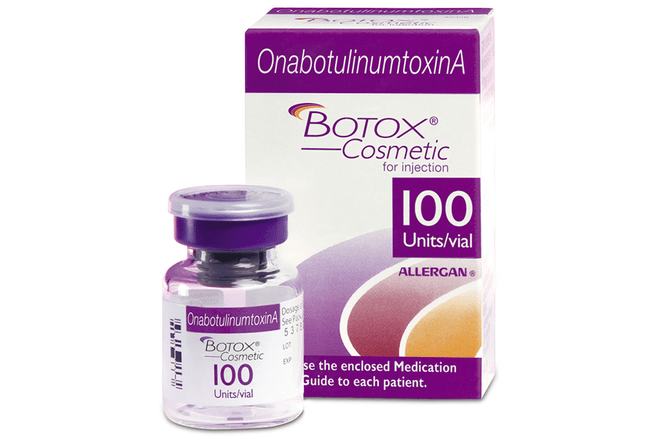
Allergan Spends $90 Million to Buy Company Developing “Topical Botox”

Botox topical

I am reposting an article from New Beauty here…the original post can be found at:

https://www.newbeauty.com/hottopic/blogpost/9124-allergan-spends-90-million-to-buy-company-developing-topical-botox/

Liz Ritter , Executive Managing Editor | January 07, 2016

Still hot off the heels of its historic merger at the end of last year with Pfizer, Allergan announced today that it will purchase Anterios, Inc., a clinical-stage biopharmaceutical company that is developing what they refer to as “a next-generation delivery system and botulinum toxin–based prescription products.”

It all sounds very futuristic, but what makes this particularly interesting is that Allergan (which is best-known as being the maker of Botox) will now be in business with a company that has a “proprietary platform delivery technology that enables local, targeted delivery of neurotoxins through the skin without the need for injections.” In other words, something that sounds a lot like a topical type of Botox.

According to the official Allergan release, executive vice president David Nicholson said the acquisition “demonstrates our ability to apply our tremendous scientific leadership in neurotoxins to further extend our already deep neurotoxin pipeline by advancing a new delivery system and formulations that are appealing to both patients and physicians.”

“Allergan is once again showing their commitment to aesthetics by purchasing Anterios and acquiring the global rights to ANT–1207,” Montclair, NJ, dermatologist Jeanine B. Downie, MD, says. “The absolutely awesome potential of these two products is thrilling for patients that are looking for non-invasive approach is to treat their aesthetic and dermatologic conditions. An enhanced delivery system would be of great interest to physicians, as well as to the general public. I do believe these acquisitions will bring more people that are considering cosmetic procedures into their doctors’ offices for treatment.”

Online Cognitive Training – Helpful Or Not?

lumosityx299_1

I came across an interesting article which discussed online cognitive training, and I wanted to share excerpts from it. Following the shared post is my own opinion of online cognitive training, based on my personal experience with the most popular programs.

Does Online Cognitive Training Work? – By Pauline Anderson

Online cognitive training programs promise to boost memory and attention, and they’re popping up at a rapid pace. According to one dementia expert, the online cognitive training business has grown from about $200 million annually 6 or 7 years ago to an estimated $2 billion a year today.

But are these companies truly giving patients an edge when it comes to warding off dementia, or are they cashing in on the worried well and an often vulnerable aging population?

Cognitive training is loosely defined as regularly engaging in a cognitive task, for example, learning a list of words, a set of pictures, or a certain route to a particular target.

Online cognitive training programs typically involve buying a monthly or annual subscription that allows users access to various cognitive tasks. These users sit at a computer to do these tasks on a regular basis. They usually have to pay more to get upgraded applications.

“It’s a huge industry,” says Peter Snyder, PhD, professor, neurology, Alpert Medical School, Brown University, and chief research officer, Lifespan Hospital System, Providence, Rhode Island, and editor, Alzheimer’s & Dementia: Diagnosis, Assessment & Disease Monitoring, the Alzheimer’s Association’s online, open-access journal. Not surprisingly, many of these brain training companies target the aging baby boomer market. For the next 15 years, 10,000 people per day, every day, will turn age 65 in the United States, Dr Snyder said.

Many of them are worried about their memory. The issue of how to prevent dementia ”actually comes up almost every time I see a patient,” says David Knopman, MD, professor, neurology, Mayo Clinic College of Medicine, and an investigator in the Mayo Clinic Alzheimer Research Center, Rochester, Minnesota. If they still have a job, Dr Knopman advises patients that they probably get enough stimulation in the work environment. ”Certainly the computer can’t be as good for mental stimulation as the challenges you face in the work environment, even if you’re not in an executive position.”

And if the patient is retired but reads newspapers, belongs to a book club, or does volunteer work, “what would the computer testing offer that this socially engaging and mentally stimulating activity doesn’t provide?” asks Dr Knopman.

The benefits of cognitive activity aren’t in question. It’s clear from the literature, says Dr Snyder, that engaging cognitively with challenging and varied tasks may help slow the rate of progression of Alzheimer’s disease.

Rock Solid Evidence

The lifestyle factor that has the most credible evidence for protecting against dementia to date is not cognitive training but physical activity. “The evidence is absolutely rock solid; it’s incontrovertible,” says Dr Snyder.

He worries that patients will play online cognitive games three times a week in the hopes of protecting their brain instead of taking a brisk walk three times a week.

And Dr Knopman is concerned that those playing brain games may not be socially active. Online cognitive training is ‘the opposite of being socially engaged,” he notes. “They force people to bury themselves in the computer for a certain period of time.”

It’s not clear whether pursuing cognitive training online adds any further benefits to physical and cognitive pursuits offline. That’s because to date there’s scant literature on the subject.

One study published earlier this year in The Lancet looked at the effect of healthy eating and exercise in addition to brain training in 1260 people aged 60 to 77 years who were at risk for dementia. Researchers found that an intensive program incorporating all three approaches, plus management of metabolic and vascular risk factors, slowed cognitive decline over 2 years.

Overall scores on the Neuropsychological Test Battery in the intervention group were 25% higher than those in a control group that received only regular health advice. The results were particularly striking in the areas of executive function and processing speed.

But how much brain training contributes to the mix remains to be seen.

Literature a “Wreck”

The literature in this area leaves a lot to be desired, Dr Snyder said. Most of the published literature is a “wreck,” he says, partly because the outcome measures are confounded, the follow-up period isn’t long enough, or proper comparisons aren’t in place.

A randomized controlled trial of cognitive training would have to compare this training to an appropriate placebo, he points out. “In this case, what’s the placebo? Is it absolutely nothing at all, which in most cases is what has been done?”

The question, says Dr Snyder, should be whether the online tasks are more effective than freely accessible pursuits doctors might routinely recommend to older adults, which in addition to regular physical activity might be things like learning a new language or practicing the piano.

Learning a language or an instrument is a complex process that involves several cognitive functions. In contrast, many of the online cognitive games being marketed focus on very specific cognitive functions, for example, remembering word lists.

So after some practice, you may get good at remembering those word lists — the so-called training effect — but how that translates into everyday life is unclear. “Is learning word lists over and over again on a computer going to generalize to being able to find your car in a crowded parking lot at a shopping mall?” asks Dr Snyder.

But forgetting where you parked your car, or the name of your grandson, can be a scary experience. More and more patients are looking for ways to prevent their descent into mental fog.

And so they’re increasingly turning to online cognitive games. “This is an industry that I worry preys on the elderly, preys on a vulnerable population,” says Dr Snyder.

Sweet Spot

William Mansbach, PhD, from Mansbach Health Tools LLC, Simpsonville, Maryland, agrees that the “sweet spot” for the at-home brain training industry is the “worried well” and that in general the industry’s claims far exceed the evidence.

But this may not be the case for those already experiencing memory impairment. His company has developed programs that he says can improve global cognition in these patients in as little as 3 weeks if they practice for 20 minutes, three times a week.

One of his programs — Memory Match — is a cognitive training task that exercises working memory and attention using themed cards. A study discussed at the Alzheimer’s Association International Conference earlier this year found that those with mild cognitive impairment and mild dementia improved significantly on this test compared to a control group that didn’t receive it. Importantly, says Dr Mansbach, those with more severe dementia did not improve.

In structured interviews following this study, participants in the treatment group pointed to the intervention as a reason their memory improved, according to Dr Mansbach.

He’s proud of the “clear evidence” and “large effect sizes” from the study that suggest that this approach is legitimate.

Patients using his brain training tasks first do a self-assessment to determine at what level to start in order to get maximum benefit, he says. One of his criticisms of other programs is that there are no real assessment of the person doing the training and no concrete idea of what needs improving.

However, while he’s convinced his program works in the short run, long-term benefits are unclear. “We have no idea, and no one does.”

There could well be an important role for cognitive training outside industry, though. Jens Pruessner, PhD, professor, psychiatry, McGill University, Montreal, thinks that using this training may help pinpoint patterns that might be clues to the onset of dementia.

In a research project, he and his colleagues are testing PONDER (Prevention of Neurodegenerative Disease in Everyone at Risk), a free online cognitive training program aimed at those aged 40 years and up. Using neuropsychological assessments, researchers are tracking the progress of users to see whether the frequency, intensity, and duration of cognitive training leads to observable changes over time.

“Let’s say that in general, the training effect is such that you improve by 20% over time when you have been doing this task every other week for 6 months,” said Dr Pruessner. “Are those people who only improve by 10% or 5% at risk of developing mild cognitive impairment and eventually dementia?”

So far, the mean age of users is 57 years, which is exactly when age-related cognitive decline begins in those destined to develop dementia. Dr Pruessner notes that dementia begins some 20 years before clinical symptoms become significant.

Perhaps the most well-known of these companies is Lumos Labs in San Francisco, California, whose brain training site, Lumosity, is used by more than 70 million “brain trainers” in 182 countries, the company’s website notes.

The company has a collaborative research initiative, called the Human Cognition Project (HCP), that it says partners with more than 90 collaborators from 40 universities. “Through the HCP, we grant qualified researchers free access to Lumosity’s cognitive training tasks, assessments, research tools, and in some cases, limited access to data on cognitive task performance — helping them conduct larger, faster, and more efficient studies,” the website notes.

Lumosity also has in-house researchers to develop new cognitive training tasks and assessments, provide administration of controlled studies, and study Lumosity gameplay information to enhance the experience, the site notes.

Several publications in peer-reviewed journals have used Lumosity data. Earlier this year, researchers published a paper in Alzheimer’s & Dementia using data from Lumosity’s Memory Match game, which requires visual working memory, to look at individual differences in age-related changes in working memory. They found significant effects of age on baseline scores and lower learning rates. “Online memory games have the potential to identify age-related decline in cognition and to identify subjects at risk for cognitive decline with smaller sample sizes and lower cost than traditional recruitment methods,” the authors concluded.

A randomized trial of nonaction video games from the Lumosity site reported in 2014 in Frontiers in Aging Neuroscience showed improvements with training in processing speed, attention, and immediate and delayed visual recognition memory in the trained group, but no variation in the control group. Neither group improved in visuospatial working memory or executive control, the researchers report.

“Overall, the current results support the idea that training healthy older adults with non-action video games will enhance some cognitive abilities but not others,” the researchers, with first author Soledad Ballesteros, PhD, Studies on Aging and Neurodegenerative Diseases Research Group, Universidad Nacional de Educación a Distancia, Madrid, Spain, concluded.

Multiple emails and telephone messages to Lumosity requesting an interview for this article, sent over several weeks, were not returned.

Personal Trainer for the Brain?

So, at the end of the day, should that 57-year-old patient who is worried about his forgetfulness fork out subscription fees every month to play cognitive games? If it keeps someone mentally active, “why not?” says Dr Belleville.

She points out that people pay a lot of money to join a gym when they could jog for free in the park. “If you have to pay a gym to continue to do your exercises, then pay; it’s worth the money.”

However, she acknowledges that while there’s a good deal of evidence that a certain amount and intensity of physical activity is good for the brain, “when you look at cognitive training, it’s all over the place.”

And she agrees that it’s not clear whether the training effect goes beyond the task being practiced — or whether it has the same impact as informal training, such as doing crossword puzzles several times a week.

On the other hand, “it’s probably better than doing nothing at all and looking at silly programs on television,” she says. “I think there’s something there, but we need to understand better what the active ingredient is so we can provide good advice to people.”

Now here’s my take on online training:

I believe that the practice and the HABIT of performing cognitive training serves a beneficial purpose for people who engage in it. I also strongly agree that such training programs are a much better alternative to watching television. While I agree with Dr Knopman that computer cognitive training doesn’t provide an individual with any benefits over reading, learning a foreign language, or engaging in a complex mental activity which would protect brain function, I strongly believe that the current pace of society has made it extremely difficult for people to find time to engage in such activities. On a personal note, I never have time to leisurely read a book like I used to in the past. For me, a ten minute visit to a brain training website keeps my skills sharp and is a nice break from the hectic lifestyle which I deal with all the time. In addition, my regular cognitive games do not interfere in any way with my four to six day per week exercise regimen. I also maintain social engagement through work and my personal life. I am thankful for the brief visits to training websites, because they make me feel less guilty about not having an hour or two to carve out of the day to dive into a book.

The Grinch’s Medical Maladies

how-the-grinch-stole-christmas-post1
I recently watched “How The Grinch Stole Christmas” as part of my yearly Christmas ritual, and made several observations about the Grinch. For those of you who are reading this, please bear in mind that this is totally tongue in cheek, and meant to be a playful, albeit odd, interpretation of the 1966 animated classic. Sometimes my medical mind kicks in, and I think of silly things like medical diagnoses which could explain a fictional character’s behavior. Yes, I am a bit of a nerd that way!

We all know that the Grinch is a thief:

Around the whole room, and he took every present!
Pop guns! And bicycles! Roller skates! Drums!
Checkerboards! Tricycles! Popcorn! And plums!
And he stuffed them in bags. Then the Grinch, very nimbly,
Stuffed all the bags, one by one, up the chimney!
Then he slunk to the icebox. He took the Whos’ feast!
He took the Who-pudding! He took the roast beast!
He cleaned out that icebox as quick as a flash.
Why, that Grinch even took their last can of Who-hash!
Then he stuffed all the food up the chimney with glee.

He went to the chimney and stuffed the tree up!
Then the last thing he took was the log for their fire!
Then he went up the chimney, himself, the old liar.
On their walls he left nothing but hooks and some wire.
And the one speck of food That he left in the house,
Was a crumb that was even too small for a mouse.
Then He did the same thing To the other Whos’ houses
Leaving crumbs Much too small For the other Whos’ mouses!
It was quarter past dawn… All the Whos, still a-bed,
All the Whos, still asnooze When he packed up his sled,
Packed it up with their presents! The ribbons! The wrappings!
The tags! And the tinsel! The trimmings! The trappings!
Three thousand feet up! Up the side of Mt. Crumpit,
He rode with his load to the tiptop to dump it!

The Grinch is also quite a liar:

The Grinch had been caught by this tiny Who daughter,
Who’d got out of bed for a cup of cold water.
She stared at the Grinch and said, “Santy Claus, why,”
“Why are you taking our Christmas tree? WHY?”
But, you know, that old Grinch was so smart and so slick,
He thought up a lie, and he thought it up quick!
“Why, my sweet little tot,” the fake Santy Claus lied,
“There’s a light on this tree that won’t light on one side.”
“So I’m taking it home to my workshop, my dear.”
“I’ll fix it up there. Then I’ll bring it back here.”
And his fib fooled the child. Then he patted her head,
And he got her a drink and he sent her to bed.
grinch noise

But the poor Grinch also seems to have suffered from a couple of medical disorders. Based on the fact that he complains about the noise, I bet he had a wicked case of misphonia:

And then! Oh, the noise! Oh, the Noise!
Noise! Noise! Noise!
That’s one thing he hated! The NOISE!
NOISE! NOISE! NOISE!

It could also be that the Whos were so darned loud that anyone outside of Whoville would have flipped out in anger over the constant cacophony. Where were the cops when the noise was so deafening? Add to that the Grinch’s likely diagnosis of misphonia, and you have a perfect explanation for why he couldn’t take it anymore.

At the end of the animated film, the Grinch’s heart grew three sizes in one day. Since time is deranged in the world of animation, let’s just say that his hypertrophic cardiomyopathy finally became symptomatic, especially after all the physical exertion he went through when he tried to stop Christmas from coming. He developed chest pain and shortness of breath, and imaging studies taken at the end of that big day revealed the hypertrophy. Since it is likely that the Grinch also suffered from valvular disease and hypertension, that roast beast isn’t the best choice of food for him either. So he might be better off avoiding the Whos and their roast beast until his health improves!

Grinch heart

My Experience With Banishing Gluten

gluten

Yesterday I posted a piece which was written by a woman who has suffered from celiac disease for many years. While I don’t have celiac sprue, I have gluten intolerance which was verified last January with an ALCAT blood test. When I eat gluten, I become irritable and emotional, I get headaches, my belly aches, and I don’t sleep well. Of course I didn’t know that this was the case until I did an elimination diet and gradually began feeling better, then tried eating gluten after many months of avoiding it. Every time I ingest gluten containing foods, I notice symptoms which can be mild or severe depending on the food and the quantity eaten. Pizza is VERY dangerous for me now, so if I am faced with the prospect of eating the cheesy, gluten filled meal, I have to take a Glutagest (which breaks down gluten in the food eaten) if I want to avoid the ugly consequences of allowing gluten to enter my body.

I agree that the whole gluten-free trend has gotten a little out of hand, but I also strongly believe that there are many people walking around with gluten intolerance who have no idea that the glutinous foods they are consuming are affecting their health and well-being. Gluten-free foods have become trendy these days, and people are quite willing to pay extra for gluten-free foods which are frequently tasteless and odd in texture, even if they have no health issues with gluten. One great feature about the new trendiness of gluten is that there have been great improvements in the taste and texture of these foods without having to throw in a ton of fat and flavorings, so even those who aren’t suffering from gluten intolerance or celiac are happy to consume gluten-free dishes.

Going gluten-free is definitely not a guarantee to weight loss or any other magic cure, but it can certainly help those who suffer from celiac disease or gluten intolerance. I have personally benefitted from going gluten free in the past year, with more luminous skin, better digestion, better overall mood and energy, and much better sleep. If you suspect you have gluten intolerance, try an elimination diet in which you avoid any foods containing gluten for a period of time (I recommend at least 4 weeks). You may notice a difference in how you feel, in which case you may want to continue avoiding gluten. If you prefer objective data, you can ask your doctor about getting tested for gluten and other types of food intolerance.

What Killed Knut The Polar Bear

Knut sit
Please check out my original post at:

http://xactmind.com/xc/articles/what-killed-knut-the-polar-bear/

By: Dr. Stacey Naito – Physician and IFBB Pro

Zoo veterinarians were astonished and puzzled when Knut, the polar bear at the Berlin Zoo who rose to celebrity status, died suddenly in 2011 after suffering from a seizure and collapsing into the pool in his enclosure. Knut’s death at the young age of four was a complete surprise, since polar bears can live up to 20 years in the wild and even longer in captivity, so researchers were determined to find out the cause of his bizarre demise.

Mystery Solved

Researchers have finally discovered what killed Knut. The reason for his death was an autoimmune disorder called anti-NMDA receptor encephalitis, a type of brain inflammation in which the body attacks its own brain cells and causes them to malfunction. Anti-NMDA receptor encephalitis strikes one in 200,000 people and is the main cause of non-infectious encephalitis. Initial symptoms are nausea, fever, headaches and hallucinations, later progressing to motor abnormalities, seizures and death if untreated. Until Knut’s cause of death was discovered, scientists believed that this form of encephalitis only occurred in humans.

Knut’s Legacy

Anti-NMDA receptor encephalitis is treated in humans with high-dose steroids and plasma exchange. Now that scientists have determined that the disease affects other creatures in the animal kingdom, zoo veterinarians are optimistic that zoo animals who exhibit signs of encephalitis without a clear cause can be treated with the same medications. The knowledge of what killed Knut has also made scientists aware that anti-NMDA receptor encephalitis may be undertreated, which can aid in the development of earlier intervention and more effective treatments for this disease.
Knut hug

What’s All That Noise?

woman-covering-her-ears-12001518

There are very rare instances when the slightest noise will set me off. Even if it is something as benign as one of my roommates opening the refrigerator door, it can sound like a thousand spoons clattering to the floor to me if I am in this state. For whatever reason, I didn’t think much of it until about three weeks ago when EVERY little noise I heard was painful for me, and I was in complete agony the entire night. Lucky me…I have been experiencing misphonia, and have had this condition since childhood.

What freaks me out the most is that my dislike of sounds when I am caught up in this nightmare can send me into so much anxiety that I must hide away until things return to normal. It was a tremendous problem for me during medical school, when I found that I had to wear earplugs while studying in public places or when taking exams. The mere sound of someone coughing would send me into such distress that it would take a massive effort for me to concentrate on my studies or an exam.

Misphonia, also called selective sound sensitivity syndrome, is usually set off by a small repetitive noise, causing the sufferer to become agitated, disgusted, panicky, and angry. Those who suffer from misphonia may seem to react excessively to soft sounds, such as the sounds of a person eating, or a dog barking in the background. This is considered a lifelong condition which is more common in females than males, and usually appears between the ages of 9 and 13. It is aggravated by emotional exhaustion, so those of you ladies who might have noticed that noises which would be considered normal can suddenly become jarring when you are in the middle of an emotional and stressful situation.

This is a very real condition, so if you think you might have it, talk to your doctor about getting tested to see if you have it. If you don’t want to go that route, you might want to read this very amusing article by Wendy Aron on how she handled her own case of misphonia:

https://www.psychologytoday.com/blog/sounds-awful/201405/how-my-shrink-cured-my-misophonia-free

30 Actual Sentences Found In Patients Hospital Charts

Shocked-Doctor-26695685_l

I recently saw this post on a friend’s Facebook timeline, and was compelled to write a response to it. The thing is, most of these chart notes ARE funny, but some are taken out of context. In addition, the language used in several of the notes are completely appropriate when spoken within the medical world, so I clarified those notes in a comment which I posted. Here is the original list of chart comments, followed by my clarifying remarks.

http://www.tickld.com/x/jaw/30-actual-sentences-found-in-patients-hospital-charts

1. She has no rigors or shaking chills, but her husband states she was very hot in bed last night.
2. Examination of genitalia reveals that he is circus sized.
3. Since she can’t get pregnant with her husband, I thought you might like to work her up.
4. The patient is tearful and crying constantly. She also appears to be depressed.
5. The patient has been depressed since she began seeing me in 1993.
6. Discharge status: Alive but without my permission.
7. Healthy appearing decrepit 69 year-old male, mentally alert but forgetful.
8. The patient refused autopsy.
9. The patient has no previous history of suicides.
10. Patient has left white blood cells at another hospital.
11. Patient’s medical history has been remarkably insignificant with only a 40 pound weight gain in the past three days.
12. Patient had waffles for breakfast and anorexia for lunch.
13. Between you and me, we ought to be able to get this lady pregnant.
14. On the second day the knee was better, and on the third day it disappeared.
15. She is numb from her toes down.
16. While in ER, she was examined, X-rated and sent home.
17. The skin was moist and dry.
18. Occasional, constant, infrequent headaches.
19. Patient was alert and unresponsive.
20. Rectal examination revealed a normal size thyroid.
21. She stated that she had been constipated for most of her life, until she got a divorce.
22. I saw your patient today, who is still under our car for physical therapy.
23. Both breasts are equal and reactive to light and accommodation.
24. Patient has chest pain if she lies on her left side for over a year.
25. The lab test indicated abnormal lover function.
26. The patient was to have a bowel resection. However, he took a job as a stock broker instead.
27. Skin: somewhat pale but present.
28. The pelvic exam will be done later on the floor.
29. Patient was seen in consultation by DR. Blank, who felt we should sit on the abdomen and I agree.
30. Patient has two teenage children, but no other abnormalities.

As a physician, I know that some of these chart notes actually make perfect sense to those who work in the medical field and who are on the hospital wards.

For example, “Since she can’t get pregnant with her husband, I thought you might like to work her up.” refers to a physician referring a patient to a fertility specialist who would be able to “work up” a patients to see what the issue might be with respect to difficulty getting pregnant.

Here’s another one: “The patient is tearful and crying constantly. She also appears to be depressed.” Crying “constantly” does not automatically infer that someone is depressed. Ostensibly the patient is distressed over something, but the clinical diagnosis of depression has a set of criteria which must be met on evaluation of the patient.

“The patient has been depressed since she began seeing me in 1993.” Really, just stupid. This patient had depression beginning at the very latest in 1993, and this clinician had begun seeing the patient at that time. So snicker all you want, but the clinician’s presence in the patient’s life is NOT the causative factor in her depression.

“The patient was to have a bowel resection. However, he took a job as a stock broker instead.” If I could count the number of times a patient was advised to have a surgical procedure, only to evade medical advice, I’d be a millionaire by now.

“The pelvic exam will be done later on the floor.” The “floor” refers to a hospital ward. This patient was most likely evaluated in the emergency room, so the plan was to do a full work-up, including a pelvic exam, once the patient was transferred to a regular bed in the appropriate ward or section of the hospital.

“Patient was seen in consultation by DR. Blank, who felt we should sit on the abdomen and I agree.” The phrase, “sit on the abdomen” means that the clinicians who were evaluating the patient had decided to hold off on any interventions with respect to the abdomen, most likely because they were confident that there was no imminent danger, and no need for surgical intervention.

The remaining chart notes ARE funny, and I could see why lay people find them amusing.
Hope this clears up some of the confusion regarding some of the notes which were perfectly sound within the medical world.

Uncompromised

Breaking stereotypes!

Breaking stereotypes!

I am always being challenged to pick one career that defines me, and it drives me nuts. When people find out that I am a medical doctor, they struggle with the stereotype of what they expect doctors to be like, in other words, very conservative in dress and demeanor, and without any flavor or personality. Well, I’ve got news for you. I will NEVER be a typical doctor. And please don’t doubt my credentials or schooling. I am NOT a nurse (not that there is anything wrong with this highly respected profession), I am a fully licensed and board certified physician.

A huge project came my way recently, and I was selected for it, only to have the decision-maker flip out over my fitness and modeling images and reverse the decision. I was stunned and dejected, but after reflecting on the whole incident, I began to get angry. Part of the problem was that the decision-maker was a complete hypocrite, pretending to be squeaky clean, but who openly praised one of the dirtiest human beings to ever alight on the entertainment scene. To coin an analogy, at the root of this was a case of the bride being upstaged by another lady wearing white. Mind you, I never intentionally wore white, but hey, my doctor’s coat is white.

I am every bit as much about fitness as I am about medicine, and I shouldn’t have to choose one over the other. I am damned proud of what I have accomplished in fitness, especially because I took things to the next level in my forties, not when I was a young whipper-snapper. If people are confused by the sampler plate philosophy by which I live, too bad. Yes, I am a board certified physician AND a degreed fitness professional, IFBB Pro, certified nutrition coach, writer, sponsored athlete and contest prep coach. I know it’s unusual, but why is that so hard for people to grasp? I mean, here I am, doing all of that, sending a message to the world that no one should have to be one-dimensional and boring.
1538624_10202090935769442_1829315007_n
I don’t hide from myself. I am honest. I have sass, and I speak my mind. I am proud of what I have achieved in my life, and I will NOT hide parts of myself which some overly judgmental people may have a problem with. I am NOT going to apologize for having a sense of humor, for using cuss words here and there (though I don’t use them while seeing patients). I am not going to paint a false picture of who I am. If you don’t like what I am doing, no worries. Move on.

If you find that you are compromising your own vision, dreams, or goals, perhaps you need to re-examine why you are allowing that to occur. If you subscribe to the no limits philosophy, then you would never even consider pulling the reins back. I will always encourage driven people to go for whatever they want, and if it doesn’t fit in with the conventions of one of their chosen careers or hobbies, even better. Break stereotypes and show people what you are made of! Don’t hide all the facets which make you who you are!