Building Lasting Habits: How to Keep Up with Your Wellness Goals

Image via Pexels

Check out this helpful article by Julia Merrill of befriendyourdoc.org!

Consistency is key when it comes to wellness and self-care, yet maintaining momentum can often feel challenging amid life’s demands. Staying committed to these goals requires more than just motivation; it calls for intentional habits, thoughtful planning, and realistic strategies that make wellness a sustainable part of daily life. By creating a framework that integrates self-care into your routine, you can build lasting habits that nurture your physical and mental well-being, even on busy days.

Crafting a Consistent Wellness Routine for Lasting Self-Care

Creating a daily routine that integrates wellness and self-care practices is crucial for maintaining both physical and mental health. By incorporating simple activities like drinking water upon waking, engaging in breathing exercises, or maintaining a gratitude journal, you can create a personalized schedule that supports your well-being. Consistency is key, as it helps reinforce these habits, making them a natural part of your day. Flexibility is also important, allowing you to adjust your routine as needed to accommodate life’s changes while still prioritizing self-care.

Improving Your Career Trajectory by Aiming for an Online Degree

Staying true to your career aspirations is vital, and one effective way to do this is by sharpening your skills through further education. Enrolling in an online degree program allows you to gain valuable knowledge in fields like IT, programming, and computer science theory, all while maintaining your current job. For instance, obtaining a computer science degree can significantly boost your technical acumen, preparing you for advanced roles in the industry. Also, thanks to the flexibility of online learning, here’s a solution that makes it feasible to balance work and study. 

Empowering Your Wellness Journey Through Informed Choices

Understanding the advantages of various wellness activities is crucial for making informed decisions that align with your personal health goals. By educating yourself on the benefits of different wellness practices, such as wearable technology, gut health, and holistic services, you can tailor your self-care routine to meet your specific needs. For instance, insights from the 2024 Health and Wellness Toolkit reveal that individuals who actively engage in wellness behaviors often experience enhanced physical, mental, and emotional well-being.

Employing the Power of Accountability for Wellness Success

To maintain consistency in your wellness and self-care objectives, consider joining accountability groups or partnering with a friend. This approach not only provides a structured framework for tracking progress but also enhances motivation through shared responsibility. When you know someone else is counting on you to meet your commitments, it becomes harder to justify skipping steps or making excuses. Regular check-ins serve as constant reminders of your goals, keeping them at the forefront of your mind.

Harnessing the Power of Social Connections for Stress Relief

Building a network of supportive friends, family, or support groups can significantly ease the burden of stress. Engaging with others who understand your experiences can provide emotional comfort and practical advice, which is crucial for managing both daily pressures and more severe stressors like burnout or PTSD. By sharing your challenges and triumphs with a trusted circle, you create a buffer against stress, which can lead to improved resilience and a more balanced life.

Incorporating Technology for Enhanced Fitness and Health

Incorporating fitness apps and wearable devices into your daily routine can significantly enhance your physical activity levels and overall health. These technologies provide real-time monitoring of vital statistics such as heart rate, steps, and sleep patterns, offering personalized insights and recommendations tailored to your health profile. By leveraging data-driven approaches, you can stay consistently engaged with your fitness goals, making it easier to track progress and adjust your routines as needed.

Mastering the Art of Saying ‘No’ for Better Self-Care

Learning to decline commitments that sap your energy and time is crucial for maintaining your wellness and self-care objectives. By saying ‘no’ to tasks that do not align with your overarching goals, you preserve your most valuable asset – time – for pursuits that truly matter. This practice not only safeguards your energy but also fosters healthier relationships, as it demonstrates self-respect and clear boundaries. While it might be challenging to refuse requests due to fear of judgment, remember that every ‘no’ to an unimportant task is a ‘yes’ to yourself.

Staying consistent with wellness and self-care is an investment that pays off in countless ways, from improved energy and mood to a deeper sense of personal fulfillment. By embracing realistic strategies and making small, sustainable changes, you can integrate wellness into your life as a natural extension of your daily routine. Remember that progress doesn’t require perfection; it’s the steady commitment to taking care of yourself that makes a lasting impact.

Discover a world of wellness, lifestyle tips, and more with Dr. Stacey Naito and elevate your everyday living!

Why Dating Is So Challenging These Days

Image: rilueda 123rf.com ID 68660535

Dating today can feel particularly challenging due to a variety of factors, both social and technological. I can honestly say that I frequently consider abandoning the whole idea of meeting new people and going on dates, simply because making such efforts can be incredibly disappointing and frustrating. Here are some of the key reasons why dating in the modern era can be difficult:

1. Online Dating and the Paradox of Choice

With the advent of dating apps and websites, there is an overwhelming number of potential matches to choose from. While this may seem like an advantage, it can lead to what is known as the “paradox of choice” — too many options can make it harder to commit to one person. The ease of swiping left or right may also foster a mindset of “better options are just a click away,” which prevents deeper connection and commitment from developing.

2. Superficiality and Instant Gratification

Modern dating, especially through apps, tends to prioritize appearance, quick judgment, and instant gratification. Swiping based on looks can overshadow personality, values, and long-term compatibility. This shallow approach can make it difficult to form genuine, meaningful relationships that go beyond initial attraction.

3. Fear of Commitment

Many people today, especially younger generations, struggle with the concept of long-term commitment. There’s a societal shift toward prioritizing personal freedom, career advancement, and self-exploration over traditional relationship milestones like marriage and family. This can make dating feel like a series of short-term flings or “situationships,” rather than opportunities for serious partnerships.

4. High Expectations and Pressure

Social media and dating apps often present unrealistic standards of beauty, success, and happiness, which can put undue pressure on individuals to meet these expectations. As a result, some people may find it difficult to live up to the curated versions of themselves that they feel they must present to the world. Additionally, with all the “perfect couples” posted online, there is a heightened sense of competition and comparison, which can make people feel inadequate or unsure about their own dating lives.

5. Ghosting, Bread-crumbing, and Other Toxic Behaviors

The rise of digital communication has led to an increase in negative dating behaviors, such as ghosting (cutting off all communication without explanation), bread-crumbing (giving just enough attention to keep someone interested but without committing), and benching (keeping someone as a backup option). These behaviors are often easier to get away with in online dating, where anonymity and lack of accountability allow for more casual disregard of others’ feelings. Such experiences can make people wary of opening up to others, leading to distrust and cynicism.

6. Timing and Life Circumstances

The pace of life today can complicate dating. Many people are busy with careers, studies, or personal goals, leaving little time to invest in meaningful relationships. Additionally, as people reach different life stages, they may have different priorities. For example, one person may be focused on settling down and starting a family, while another might be more interested in casual dating or personal growth, leading to mismatched expectations.

7. Cultural Shifts and Changing Norms

Social and cultural shifts have altered traditional dating norms. Gender roles are evolving, and there’s more emphasis on finding equality and mutual respect in relationships. While this is largely positive, it can also lead to confusion around expectations, especially when people from different backgrounds or with different experiences come together. For example, the way men and women approach dating has changed, and these shifts may create misunderstandings or mixed signals about intentions, roles, and commitments.

8. Mental Health and Emotional Baggage

Many people today are more aware of mental health issues, but the increasing rates of anxiety, depression, and relationship trauma can make dating more difficult. The fear of vulnerability, past emotional wounds, or unresolved issues can make it hard to form healthy, trusting connections. Furthermore, the pressure to be “perfect” for a potential partner can exacerbate self-esteem issues, preventing people from fully opening up or engaging in the dating process.

9. Globalization and Long-Distance Relationships

Technology has made it easier to meet people from all over the world, but long-distance relationships can bring unique challenges. While digital communication can help maintain connections, physical distance, time zone differences, and limited in-person interaction can make it difficult to develop a deep bond. Additionally, some people might be hesitant to commit to someone they can’t easily see in person or feel pressure to keep up with the demands of maintaining a virtual relationship.

10. Changing Attitudes Toward Sex and Intimacy

In some ways, attitudes toward sex and intimacy have become more open and fluid, which can be liberating. However, this also complicates dating, as some individuals may have very different approaches or expectations about what sex, love, or commitment should look like. This can create friction in relationships, as mismatched desires or differing levels of emotional intimacy can lead to confusion or frustration.

11. Lack of Social Skills or Face-to-Face Interaction

As more people engage in online or app-based dating, the art of face-to-face communication and the ability to navigate the subtleties of in-person interactions have weakened. Social skills like reading body language, tone, or recognizing cues of interest or disinterest are less developed for those who rely heavily on texting or online chat. This can result in awkward, disjointed, or frustrating experiences when people finally meet in person.

12. Societal Pressure to Find “The One”

There’s a pervasive cultural narrative that tells people they need to find “the one,” or that their soulmate is out there waiting for them. This notion can make the dating process feel like an all-or-nothing endeavor, where any date that doesn’t lead to a deep connection is seen as a failure. It also places immense pressure on individuals to find someone who meets every one of their needs, making it harder to accept imperfections or to build relationships gradually.


In summary, modern dating is more complex than ever due to technological advancements, evolving cultural norms, and shifting expectations. While it offers new opportunities to connect with others, it also introduces new challenges. Navigating this landscape requires patience, clear communication, self-awareness, and an openness to building deeper connections in a world that often emphasizes speed, convenience, and surface-level interactions.

Candles Out Of Control

I had no idea that I would become fully obsessed with Voluspa candles, to the point where I have the majority of their 56 scents. Though I am not a fan of every single Voluspa candle fragrance, I own and enjoy over 40 of them. Voluspa candles are made with eco-friendly coconut wax, burn well, and most of the aromas have good throw, meaning that they permeate at least part of the room nicely.

In the span of three weeks, my Voluspa candle collection grew from 10 Voluspa candle varieties to over 40, thanks to the purchase of a candle warmer which increases the throw of smaller candles. I ended up purchasing many smaller candles in an attempt to accumulate the bulk of the Voluspa line. Obviously, my love for candles expanded into an earnest hobby which I enjoy immensely.

There are smaller candles in the wooden boxes on this shelf…

To give you an idea of which fragrances I have in my collection now, here’s the list:

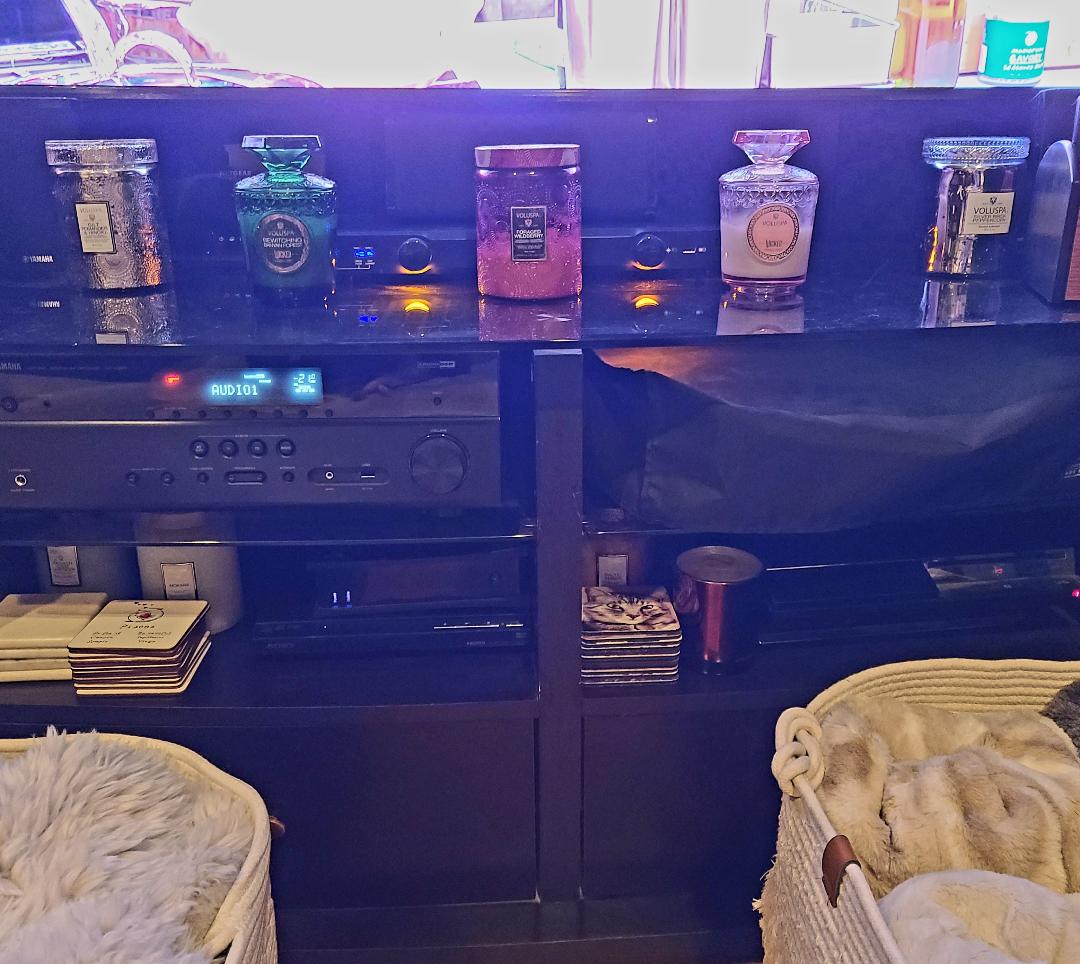
I always make sure to have my candles displayed in such a way that they aren’t too conspicuous, and actually look like they are part of the decor. This is critical to me, because I abhor the idea of having clutter which isn’t organized in a clever way. The images on this post feature the main candle groupings I have scattered throughout the second floor of my home. As you can see, I have established candle mini zones so that I can display/store my collection in a manageable way. You can’t tell that I have over 40 Voluspa candles in my home! Incidentally, I also have several other candles from other candle companies as well.

Chronic Pain Sufferers Can Use This Holistic Guide For Active Living

Article written by Karen Weeks (https://elderwellness.net/)

Photo via Pexels

Living with chronic pain doesn’t mean putting life on hold. Innovative strategies and supportive resources are available that empower individuals to lead fulfilling lives despite persistent discomfort. By tapping into specialized care and community support, people with chronic pain can reclaim their daily activities and joy. In this article, presented by Dr. Stacey Naito, we’ll go over several things you can do to live an active life even with chronic pain.

PT for Movement and Pain Relief

Collaborating with a skilled physical therapist is pivotal in effectively managing chronic pain. These professionals develop tailored exercise regimens that address your specific pain points and mobility issues, whether they stem from joint pain, muscle stiffness, or injuries. Through gentle, targeted exercises, physical therapists work to strengthen your muscles, enhance flexibility, and improve overall mobility. 

Seek Out a Skilled Chiropractor 

Many things can contribute to chronic pain, but car accidents are one of the most common causes. Chiropractic care, especially from a car accident chiropractor, can significantly alleviate pain from back and neck injuries such as whiplash, herniated disks, and other accident-related conditions. These specialists focus on spine and joint alignment to help restore function and relieve tension. Treatment duration varies widely, from just a few sessions to ongoing care, based on the injury’s severity and your recovery progress. 

Pace Yourself 

Mastering the art of pacing is essential for managing chronic pain effectively. It involves balancing activity to avoid overexertion, which can exacerbate pain, and underactivity, which can lead to muscle weakening. By breaking tasks into smaller segments and taking regular breaks, you can conserve energy and avoid pain triggers. Prioritizing essential activities and learning to delegate or refuse less critical tasks also helps manage physical strain and mental stress, supporting a more comfortable and fulfilling lifestyle.

Access Pain Management Workshops 

Attending pain management workshops offered by clinics, hospitals, and organizations can provide comprehensive support and education on managing chronic pain. These workshops cover a variety of pain management strategies, from dietary tips to reduce inflammation to exercise routines and cognitive-behavioral techniques for mental coping. You can also look for telehealth services that will help you manage pain from the comfort of your own home.

Build a Supportive Community

Building connections with others who understand the challenges of living with chronic pain can significantly reduce feelings of isolation. Support groups, whether online or in person, offer a platform to share experiences, tips, and personal milestones, providing both emotional and practical support. These communities can help diminish loneliness and foster a positive, motivated mindset. Engaging with others facing similar struggles can also offer fresh perspectives and encouragement, making the pain management journey less daunting.

Track and Understand Your Pain

Regularly tracking your pain can play a crucial role in managing it effectively. Various apps are available to help monitor pain levels, triggers, and the effectiveness of different treatments, providing valuable data for you and your healthcare provider. This ongoing record helps identify patterns and tailor treatments more accurately, enhancing your ability to make informed decisions about your daily activities. Effective pain tracking also improves communication with your healthcare team, ensuring you receive optimal care tailored to your needs.

Alternative Therapies for Relief

Exploring alternative therapies can complement traditional treatments and offer additional relief from chronic pain. Techniques like acupuncture, which uses fine needles to stimulate specific body points, and massage therapy, which relaxes tight muscles and improves circulation, tap into the body’s natural healing mechanisms. These methods not only help in reducing tension and promoting pain relief but also enhance overall well-being and mobility.

Managing chronic pain effectively requires more than just enduring discomfort—it involves actively seeking solutions and support systems that enhance quality of life. With the right approaches and resources, individuals can navigate their challenges more confidently and with greater ease. This journey is about continuous learning and adaptation, enabling people to not only manage but thrive despite chronic pain. 

Candle Obsessed

My good friends are all well aware of how much I adore scented candles, because there is an assortment of them throughout my home. I am definitely not talking about candles from TJ Maxx or Marshall’s, or Yankee Candles, which are made with paraffin wax and soy wax and look and smell tacky. Thanks to my cousin Rose, who gifted me with two Voluspa candles on Christmas Eve 2020, I got swept up into the world of candles. Rose also inspired me to develop a nightly ritual in which I select a fragrance which resonates with me at that moment, light the candle, and enjoy the soft glow and wonderful aroma while winding down for the late afternoon into evening.

I have sampled other candle brands, but I keep coming back to Voluspa, which features eco-friendly and clean burning coconut wax. In addition, the vessels which Voluspa uses are absolutely gorgeous, so much so that it seems a shame not to repurpose every single one once the candle wax has completely melted. Lastly, the fragrances are outstanding, and they continue to add incredible new scents to their collection. At this point, I have ten favorites in their lineup, and two of them are relatively new:

Mind you, this is not a sponsored post in any way, shape or form. I simply love Voluspa candles, reed diffusers, diffuser oils, and room sprays, and intend to continue to feature their products in my home. What I love about Voluspa fragrances is that they are distinctive, unique, complex, and beautiful, similar to fine body fragrances. These aren’t cheap, flat scents, but layered, elegant, and deep olfactory journeys.

Why Burmese Cats Are The Best (Updated Repost)

Taiko, a Platinum American Burmese Male – My first Burmese love…

Since 1986, I have had fourteen different cats, and cannot imagine life without felines in my household. Six of the cats I had have been of mixed breed, while the other eight were purebred. Of those pure breeds, I have had a Blue Point Birman (Natasha, b1991-d2000), a Snow Bengal (Abbey, b2002-2005 not due to death), a Scottish Fold (Sophie, b2000-d2009), two European Burmese (Kazu, b2009-d2023, and Sumi, born in 2023), and three American Burmese (Taiko b2001-d2009, Tenshi, born in 2008, Koji, born in 2021). From the moment I brought Taiko, a platinum male, home, I actually enjoyed how intensely social and needy Taiko was, and I completely fell in love with his doglike personality, which I quickly learned was characteristic of Burmese cats. It was enough to solidify my preference for Burmese cats, and now I insist on always having Burmese cats in my life.

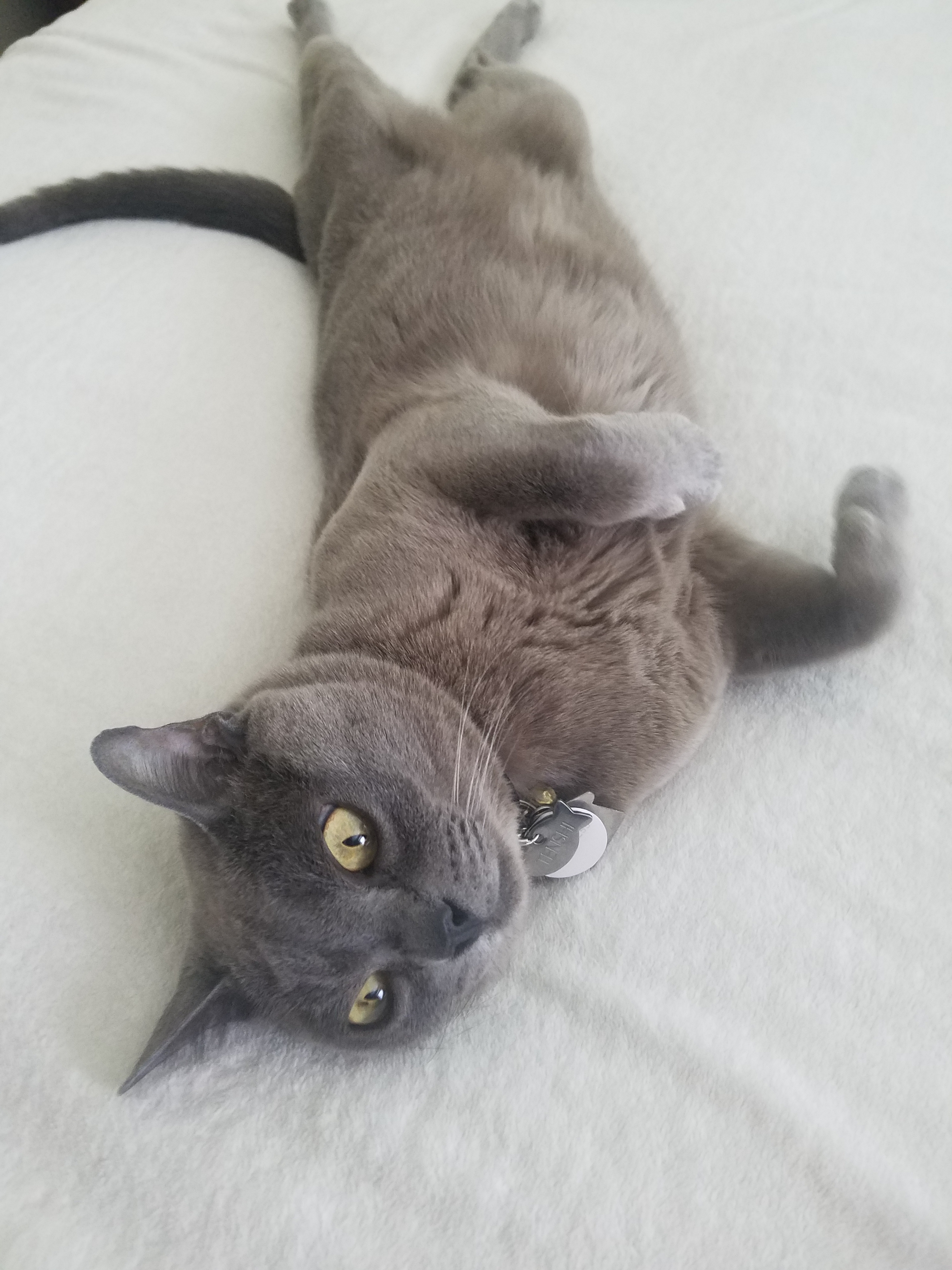
Tenshi, my Blue American Burmese Male

Burmese cats truly are extremely friendly, need to be around their humans the majority of the time, and are so drawn to laps that they are referred to as “lap Velcro”. Having lived with Burmese since 2001, I can definitely vouch for the fact that these felines are attention whores, which is quite the opposite of what some cat haters think about cat temperament. My cats are social, playful, gentle, and intelligent, and they often want to cuddle, sometimes when I am trying to do housework or telemedicine! I’m also accustomed to having all my cats on my bed at some point during every night. These cats have tons of personality!

Kazu, my Cream European Burmese Female (4.2.2009 – 5.12.2023)

There are some minor physical differences between American Burms and European Burms, such as head shape (American Burms have more rounded skulls, while European Burms have a slight wedge shape), and there are colors which are unique to E Burms (such as Cream, which is what my Kazu was), but both Burmese versions are very similar and also feature the same loveable personality profile. It is much more difficult to find European Burmese breeders in the United States, so if you have your heart set on an E Burm, you will probably have to travel out of state to find one.

Koji, my Sable American Burmese Male

As a matter of fact, I flew to Philadelphia in June of 2023 to scoop up a beautiful cream European Burmese female, whom I named Sumi. Sumi very quickly adopted the dual roles of official greeter and main bed buddy, both of which my dear, departed Kazu performed like a champ. It was absolutely worth it for me to fly across the country to get another blondie, because Sumi truly has become a snuggly sweetheart and a welcome addition to the family.

Sumi, my Cream European Burmese Female

The following are breed descriptions from CFA.org and TICA.org respectively. The CFA recognizes the American Burmese, while TICA recognizes the European Burmese.

AMERICAN BURMESE BREED DESCRIPTON:

The Burmese breed first came to America in 1930 when Dr. Joseph Thompson of San Francisco brought a small walnut brown female cat from Burma. He named her Wong Mau and bred her to Siamese cats. Through selective breeding the unique solid brown colored coat, now known as Sable, was isolated. This work demonstrated that these Burmese cats were a distinct breed and ultimately led the breeders to request championship recognition from the Cat Fanciers’ Association (CFA). Along the way, the other colors seen in the Siamese breed were also seen in litters. Over time and with much controversy, these other colors were accepted by CFA. The four colors we now recognize in CFA are Sable, a rich dark brown; Champagne, a warm beige; Platinum, a pale gray with fawn undertones; and Blue, a medium gray with fawn undertones.

Burmese cats carry surprising weight for their size. Their coats are short and close-lying, and they have a very silky texture. They need very little grooming, usually requiring only some daily petting. You will see a range of styles of Burmese cats, with those with rounder heads and shorter bodies being the show cats. Their large, expressive eyes radiate an innocence that will seduce you, and they have an irresistible appeal that has won over many a person who thought he didn’t like cats. Burmese cats have an endearing quality that has won the hearts of those lucky enough to be owned by one. They have great affection for their people, wanting to be with them as much as possible without being overly demanding. Many Burmese will even play fetch with a toy, given the chance.

Burmese kittens can be quite spirited. They are playful and fearless, attempting feats beyond their means and landing on their sturdy little rear ends. A Burmese kitten will remain playful well into adulthood. As they mature, their unique intelligence will reveal itself as their personalities unfold. They will soon grow into confident and charming little executives who will rule the house and your heart. Burmese are soft-spoken beings who have little trouble making their wishes known. They adore their people and are known for being good with children as well as liking (or at least tolerating) the family dog. Burmese are extremely people-oriented companions. Their personalities are almost dog-like. They will follow you from room to room, and they greatly desire to give and receive affection. They seek out warm laps and gentle strokes of your hand, and they love to snuggle up with their owners when they are reading or watching TV. Come bedtime they look forward to sleeping in or on your bed if allowed. Burmese are convinced that it is their job to run the house. Females tend to demand center stage and take an active role in managing the household. Males on the other hand tend to be more relaxed, managing from a comfortable spot on your lap. Be forewarned – Burmese cats can be addictive! It is not uncommon for someone to acquire a Burmese and find one is not enough. Many people ultimately have two or more Burmese, one of each gender or of different colors. Being one of the most trusting cat breeds, Burmese should never be allowed outside.  https://cfa.org/burmese/

EUROPEAN BURMESE BREED DESCRIPTION:

Burmese can be found in a range of solid and tortoiseshell colors: rich, dark sable brown; medium, warm blue; warm, honey beige chocolate with pink or fawn tints; lilac that ranges in tone from a bright pinkish grey to a silvery platinum with pink tints; reds of a light, golden apricot with melon-orange overtones; rich, warm deep creams with hints of apricot; and the soft mingling of red or cream with sable, chocolate, blue or lilac found in the tortoiseshells. In young cats, the points will be darker but as the cat gets older and the coat matures the body color becomes deeper and richer until there is only a very slight difference between its body and the color on the legs, head and tail. On Mar 29 1955, the first blue Burmese kitten, Sealcoat Blue Surprise, was born in England. Cats other than sable had appeared earlier, but most Burmese breeders chose to breed only the sable cats. It is now believed that Wong Mau also carried the genes for dilution and chocolate that resulted in the appearance of chocolate, blue and lilac kittens. The red factor was added later in Europe. The Burmese was one of the original breeds TICA recognized in June 1979.

Waterbeds

Who remembers waterbeds from the 1970’s and 1980’s? They had such an iconic “cool” factor that anyone who had one was considered pretty hip. My dad would frequently visit a friend of his in Huntington Beach, and the friend’s very cute older son, who was about 5 years my senior, would often invite my siblings and me to sit on his waterbed. Since I had a major crush on the boy, I would make sure I had applied my favorite lip gloss before entering his room and battling the undulating movement of the waterbed as I crawled onto it. The boy never noticed my efforts to pretty myself up, but I never gave up hope.

I never enjoyed how much movement occurred throughout the bed whenever anyone would move on it, because it was akin to sitting in a boat on a choppy ocean. It puzzled me how popular waterbeds were, because they didn’t seem stable or comfortable at all. I also didn’t like the large frame which encased the mattress, because it was always made of a hard wood with no padding whatsoever.

In 1981, when I was 14 years old, I met Tom, who became my first boyfriend. He was 15 years old and hung out with the stoner crowd at a large public high school. We met at a friend’s party and latched onto each other almost immediately, becoming an inseparable pair for almost a year. When I first visited him at his house, I noticed that he had a waterbed, and I soon found out that it was his pride and joy. He had a bedspread on it which screamed late 1970’s, with its wide brown, white, and blue stripes in a curved pattern.

We would have make out sessions on that waterbed, despite my complaints about getting motion sickness from time to time. I even lost my virginity on that waterbed to Tom, after 8 months of constant begging on his part for me to give in. Another incident which occurred on that bed was that I became violently ill one evening when I was at Tom’s place, and I threw up in a number of rooms in the house. Tom put me in the bed, placed a towel underneath my face in case I puked again, and called my mom to tell her that I was very ill and needed to stay at his place. I remember hugging the bed frame so tightly, in an effort to keep the waterbed from moving.

All in all, I am glad that waterbeds fell sharply in popularity after the early 80’s!

High Yield Savings Plans Rock

© inspirestock, 123RF Free Images

I am a huge fan of high yield savings accounts, and have been using them for about ten years now. Why? Because they offer enticing yields, FDIC insurance for up to $250,000 per banking institution (make sure that the banking institution is FDIC insured), and enable people to set aside money for things like emergencies without much effort. In addition, the funds are completely liquid and accessible within a matter of days after a transfer has been initiated.

Anyone who is still holding onto high savings account balances in traditional banks is honestly doing themselves a disservice, since the national average yield in such accounts averages 0.46%. Compare this with high yield online savings accounts, some of which exceed a 5% APY (annual percentage yield). Even when percentage rates drop after the Fed rate drops, online high yield savings accounts will always trump traditional savings accounts.

I strongly believe that a high yield savings account is the best way to set aside an emergency fund, which all people should have. An emergency fund which will cover 3 to 6 months (more if you can actually put more into the fund) of fundamental expenses will serve as an insurance plan, should any unforeseen events occur which disable your usual income stream. At this point, I have enough money in my emergency fund to cover 6 months of expenses, and I still add a small amount every month to continue to grow the balance.

The Car We Bought At An Auction

162721051 123rf.com Stock Photo

I am wary of purchasing a vehicle at an auction, primarily because of the experience I had back in early 2002, when I was married. My husband approached me, insisting on attending a car auction. His contention was that it would be good to have a third car which we could use if either of our primary rides ever ran into mechanical issues. I didn’t have a problem with the logic, but I feared that we would get stuck with a car which would only add to our expenses and also collect dust.

We attended a car auction on a very hot Saturday, set our budget, and settled in for the experience. A BMW was the first auto up, and I was stunned when my husband Pete placed a bid on it. I tapped him on the arm and told him that the BMW wasn’t even in our budget, but he told me that he didn’t think he’d win the auction anyway, which actually turned out to be the case. A succession of halfway decent cars followed the BMW in the auction lineup, but we sat back and just observed the activity.

Then a green Ford Fiesta was driven to the auction block. Pete leaned towards me and said, “Babe, I wanna bid on this car, it’s definitely in our price range”, and seemed not to notice how old and dingy it was, with dulled paint and mismatched tires. My gut was telling me that bidding on the Fiesta was a bad idea, so I told him that. He brushed me off, and said he was bidding anyway. Long story short, he won the auction, and we had this crappy, ugly Ford Fiesta in our possession.

Since we had taken Pete’s car over to the auction, he suggested that I drive the Fiesta back to our residence. I will never forget how miserable the experience was, of driving that car home, because the engine had very little power, and the interior was filthy. Once we arrived home, I told Pete that I would never willingly drive the Fiesta, upon which he went ballistic and started yelling at me about how I had to use the car. In order to keep the peace, I drove the car to work twice, then never did it again.

Pete and I separated in May of 2002, and he found another place to live. What he failed to do was to take the Fiesta, so the car sat in a parking spot at our apartment complex. He told me that it was my responsibility to move the car every few days so as not to upset the apartment manager, but I refused to do so. I kept pleading with him to take the car to his place, but he stubbornly ignored my requests.

A couple of months later, I received a call from the Upland Police Department, asking me if my husband was available to verify ownership of a Ford Fiesta. When I replied that my husband was not available at the residence, the police officer informed me that the vehicle had been stolen, then recovered in a parking lot at a local park. I hadn’t even noticed that the car was missing! The officer stated that I needed to come to the park to pick up the vehicle, so I complied.

When I saw the car in the parking lot, I noticed that there were a bunch of deep gouges along the front hood and roof. I asked the officer what the gouges were from, and he told me that they were from skateboard wheels. Evidently, some skateboarders thought it would be cool to launch off the hood, causing considerable cosmetic damage to a vehicle I hated. I drove the heap back to the apartment complex, called Pete, and said, “Get your car. I’m not babysitting this thing any longer.”

Pete picked up the Fiesta and ended up giving it to his parents as an extra car. I felt so bad for my in-laws!

Building Healthier Communities: Your Guide to Leading Advocacy Efforts

Image: Freepik

By Julia Merrill of Befriendyourdoc.org
julia@befriendyourdoc.org

Your passion for health and wellness can serve as a powerful agent of change, impacting not just your own life but also enriching your community. By directing this enthusiasm toward advocacy and educational efforts, you transform it into actionable initiatives that can significantly improve communal health. Embrace this role wholeheartedly, and you’ll find yourself at the forefront of promoting healthful changes.

Initiate Community Health Sessions

Consider launching small group sessions in your community to discuss crucial health topics like nutrition, exercise, and mental health. These gatherings offer a platform to share valuable knowledge and strategies for healthy living, providing a foundation for community members to make informed choices about their well-being. As these sessions grow in popularity, they can foster a supportive network, encouraging ongoing participation and commitment to health.

Advocate for Health Policy Changes

Dive into the complexities of local health policies to understand how they impact your community. Use your insights to advocate for enhancements or the development of new initiatives that promote better health outcomes. By engaging with policymakers and stakeholders, you can influence decisions that lead to substantial improvements in public health infrastructure and services.

Launch a Health-Focused Business

Launching your own health and wellness business not only aligns with your passion but also taps into a burgeoning market for health services. To start a business, identify your niche, create a solid business plan, secure financing, register your business, and establish your brand and online presence. Opting to establish a limited liability company (LLC) provides you with perks such as limited liability protection, potential tax benefits, and the flexibility to adapt operations with minimal bureaucratic overhead. To streamline the process and save on legal fees, consider using services like ZenBusiness to handle your LLC setup.

Collaborate with NGOs

Partner with local non-governmental organizations to create impactful health campaigns and awareness drives. These collaborations can amplify your efforts, reaching a wider audience and drawing in more community engagement. Together, you can organize volunteer opportunities that promote health education and preventative measures, making a tangible difference in the health landscape of your community.

Organize Public Health Events

Help plan and execute public events such as health screenings, workshops, or informational seminars. These events provide critical health information and services to the public, often reaching individuals who are underserved or unaware of available health resources. By making these opportunities accessible, you contribute directly to the improved health of your community.

Share Your Health Journey

Utilize the power of blogging or vlogging on sites like YouTube to share your health journey and expertise. This personal touch can resonate deeply with your audience, providing them with practical advice and emotional support. Your stories and tips can inspire others to take action toward healthier lifestyles, creating a ripple effect of health consciousness across digital platforms.

Establish Support Groups

Facilitate the formation of support groups where you and others can freely share both the struggles and victories of your health journeys. In these groups, foster an environment of trust and empathy, allowing members to connect and draw strength from each other’s experiences. This sense of unity not only bolsters individual commitment to health goals but also nurtures a supportive community atmosphere that can lead to sustained well-being.

Offer Personalized Health Coaching

Offering individualized sessions, counseling, or coaching can profoundly impact someone’s health journey. By tailoring your guidance and support to their specific needs and challenges, you equip them to pursue and achieve their health objectives more effectively. This personalized touch not only enhances their ability to meet goals but also provides the encouragement and accountability crucial for lasting health transformations.

In harnessing your passion for health and channeling it into advocacy, you create a multi-faceted approach that not only enriches your life but also significantly impacts those around you. Each step you take builds upon the next, weaving a network of health empowerment that can sustain and grow with the collective effort of your community. By stepping forward, you light a path for others, proving that individual passion can indeed lead to collective health improvement.

Unlock the secrets to a healthier, fitter lifestyle with insights from Dr. Stacey Naito. Follow her blog today for expert tips on health, fitness, and living your best life!