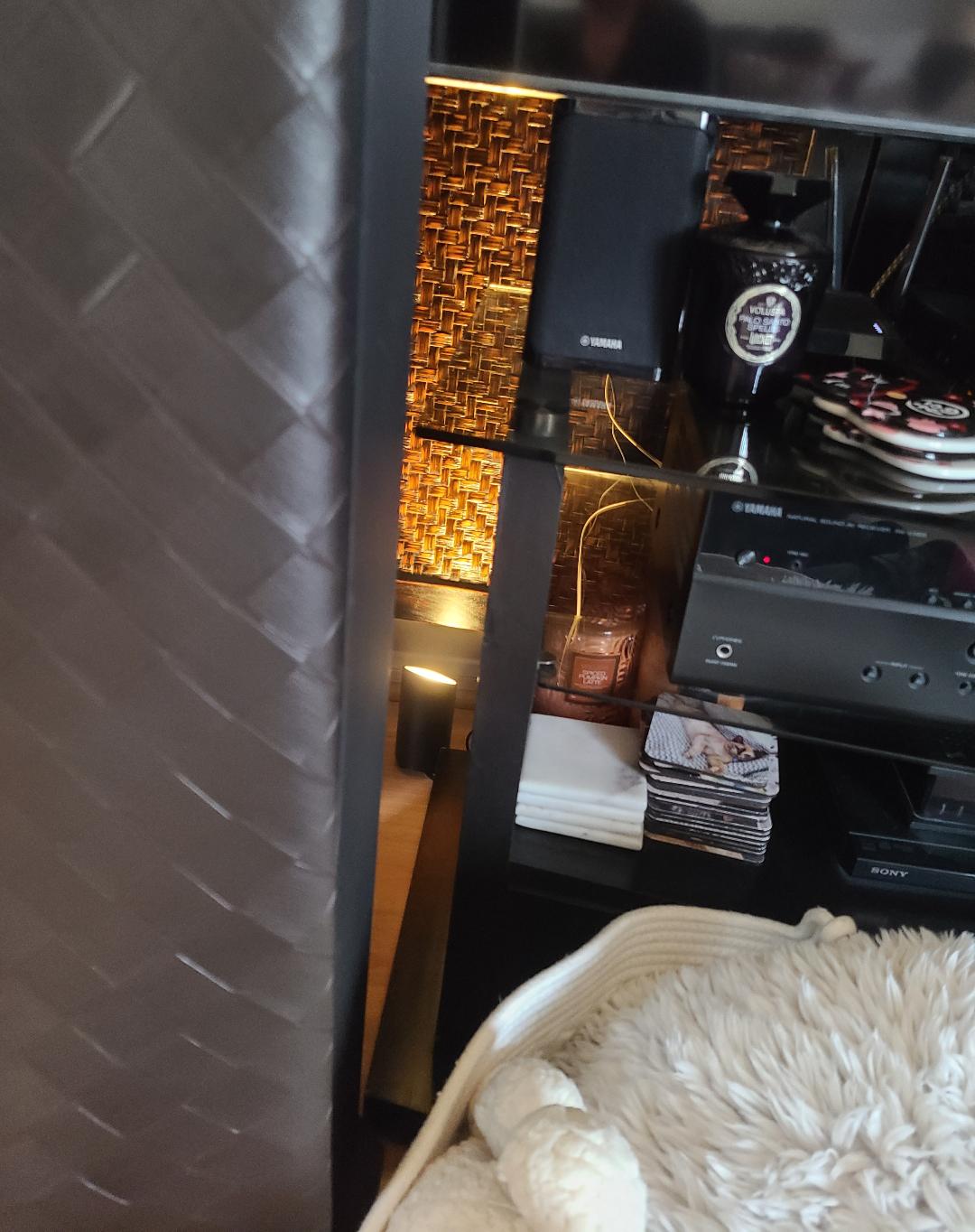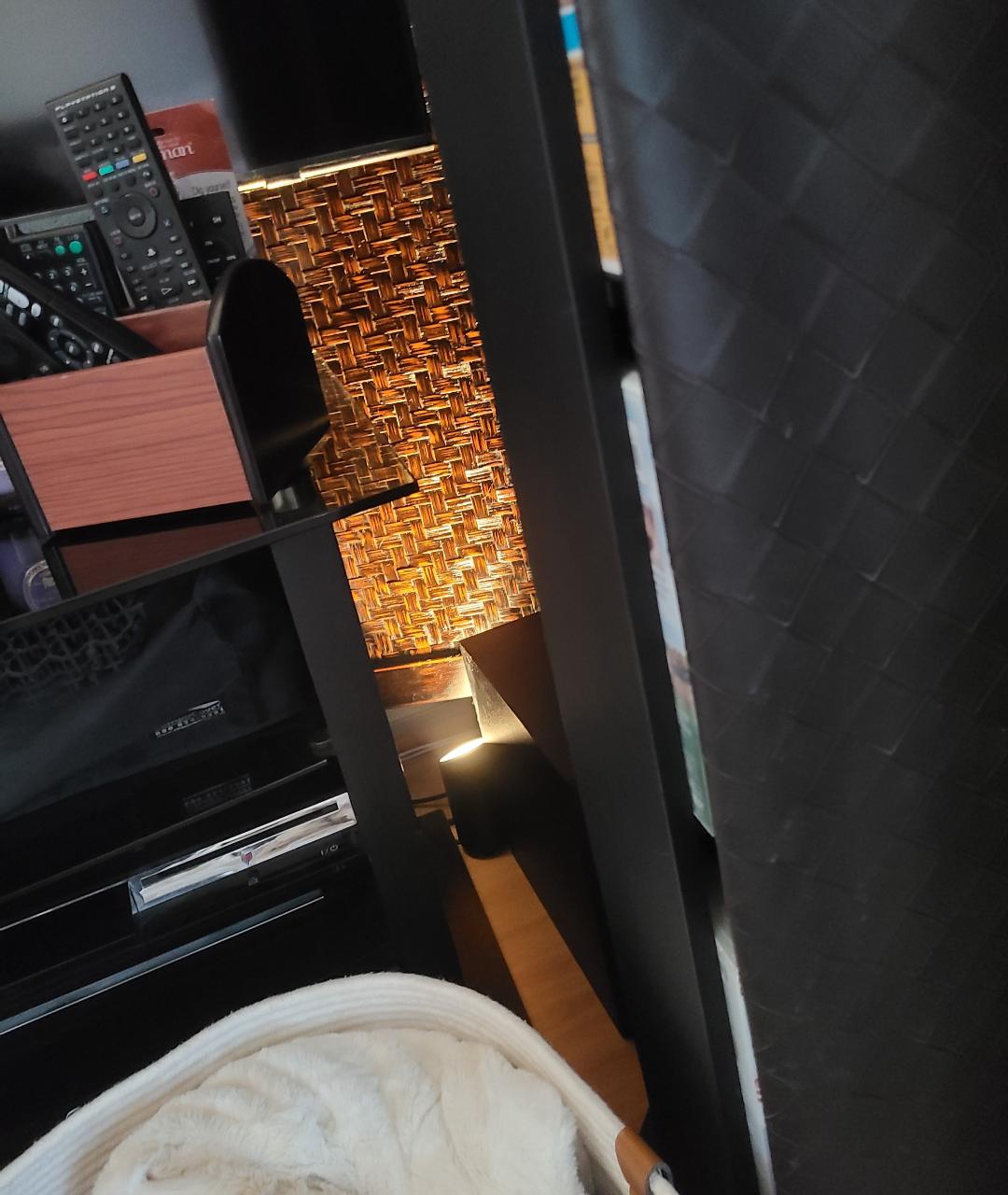
Over this recent period, I’ve been intentionally tending to my home as a way of tending to myself. Each task I completed was not just about cleaning or organizing, but about restoring a sense of peace, agency, and care in my daily life. Moving through these spaces with purpose helped me reconnect with myself and reminded me that small, consistent acts can be deeply healing.
I began by decluttering and reorganizing existing storage, including carefully sorting through holiday ornaments and letting go of items that no longer served me. Releasing what I didn’t need created both physical space and emotional breathing room. At the same time, I chose to bring in gentle moments of joy, like adding new Christmas stockings for the cats — a small but meaningful expression of warmth, playfulness, and love that made my home feel more alive and personal.
I spent time thoughtfully organizing my makeup and fragrances, transforming what had once felt scattered into something intentional and inviting. This shift made my daily routines feel more like rituals of self-respect rather than obligations. I also worked through closets throughout the home — the bedroom, master closet, gym closet, laundry area, and other storage spaces — cleaning, sorting, and creating systems that feel sustainable. With each cleared shelf and reorganized space, I felt a growing sense of clarity, stability, and confidence.
Alongside this inner and outer clearing, I made practical upgrades that supported my well-being. Refreshing the bedroom with new comforter sets transformed it into a space of comfort and rest, a place where I can truly recharge. I also deep-cleaned the master bathroom and other key areas, restoring them as calm, supportive spaces for daily care and grounding.
Altogether, this work has been an act of self-affirmation. By caring for my environment with intention, I reinforced the belief that I deserve a home that supports me, comforts me, and reflects who I am becoming. As my space has grown more organized, warm, and intentional, I’ve felt lighter, steadier, and more empowered in my life. This process has reminded me that tending to my surroundings is a meaningful way of honoring my own growth and well-being.
Camille Johnson of Bereaver.com does it again, with an inspiring article to get you on track for a fantastic new year!
January has a way of putting everything under a spotlight. Energy levels, habits, ambitions—suddenly they all feel negotiable again. This guide is for anyone who wants to reset without burning out, aiming for momentum instead of perfection. The goal is simple: start the year with clarity, practical action, and a sense that you’re moving forward on purpose.
A Quick Orientation Before You Begin
This is not about radical overnight change. It’s about stacking small, intentional decisions that compound over weeks and months. Focus on direction first, intensity second. When you know where you’re going, effort feels lighter.
Step One: Reclaim Your Daily Energy
Energy is the foundation of self-improvement. Without it, even the best plans collapse.
Remove one recurring commitment that drains more than it gives.
Organize one physical space you use daily.
Choose one habit to add and one to pause.
Schedule a weekly 20-minute reflection block.
Print it. Check it off. Done is better than optimized.
Using Structure to Build Momentum
Many people fail not because of laziness, but because they rely on motivation alone. Structure carries you when motivation dips.
A structured approach to health can be especially powerful. Stacey Naito’s nutrition and fitness plans offer a clear, goal-oriented framework for people who want to rebuild energy and consistency at the start of the year. Her programs are designed to support realistic habits, physical strength, and long-term lifestyle changes, helping participants stay focused and empowered as they work toward better health and personal growth. For those who prefer guidance over guesswork, this kind of structure can make all the difference.
Investing in Your Future Self Through Learning
Personal growth isn’t only about habits—it’s also about expanding your options. Education can play a major role here, especially when it’s flexible. Earning an online degree can be a practical way to move your career forward while balancing real life. For example, pursuing a graduate-level nursing degree opens doors to roles in education, informatics, leadership, and advanced practice.
Online programs allow you to study while working full-time, making it easier to grow without pressing pause on income or responsibilities. If professional advancement is part of your reset, you can enhance your career options with an MSN by choosing a path that fits around your current commitments.
Habits That Actually Stick
Not all habits are created equal. The ones that stick usually share three traits: they’re visible, small, and tied to identity.
This structure keeps change manageable while still meaningful.
A Resource Worth Bookmarking
Sometimes motivation comes from outside your own head. For mental clarity and stress reduction, the Mindful organization offers free, research-backed articles and guided practices on mindfulness and well-being. Their content is approachable and practical, making it a useful companion during periods of change.
Frequently Asked Questions
How long does it take to feel real change? Most people notice small shifts within two weeks, especially in energy and focus. Bigger results often appear after 60–90 days.
What if I fall off track? That’s normal. Resume at the next possible moment without overcorrecting.
Should I work on everything at once? No. One or two focused changes at a time leads to better long-term results.
Closing Thoughts
A new year doesn’t require a new personality—just a clearer direction and a few supportive systems. Start small, stay consistent, and let momentum do the heavy lifting. Progress that feels calm and sustainable is far more powerful than change driven by pressure. Give yourself permission to build, not rush.
☐ Are we okay maintaining our regular friendship outside of intimacy?
☐ How affectionate are we comfortable being (cuddling, texting daily, etc.)?
☐ Are we okay spending the night, or is it strictly “hang out then go home”?
☐ What emotional responsibilities do we not want (e.g., regular dates, holiday expectations)?
B. Physical & Sexual Boundaries
☐ Are there any activities one of us isn’t comfortable with?
☐ How often do we expect to meet up?
☐ Are spontaneous hookups okay, or should everything be planned?
C. Social Boundaries
☐ Should our friends know?
☐ Are we okay hanging out in group settings like normal?
☐ Are there any behaviors in public that feel too “couple-like”?
D. Lifestyle & Time Boundaries
☐ Are we okay with late-night texts, or should contact happen earlier?
☐ What happens if one of us starts dating someone else?
☐ How do we handle changes in schedules, stress, or emotional bandwidth?
E. Exit Plan
☐ How do we end this in a way that protects the friendship?
☐ Should we do regular check-ins (e.g., every 2–4 weeks)?
This checklist ensures clarity and protects the connection—both the friendship and the arrangement.
2. A Sample Script for a Boundary Conversation
Below is a natural, pressure-free script you can modify. It works whether you’re starting the FWB or adjusting one.
“Hey, I’m really enjoying our friendship and I want to make sure this is comfortable and positive for both of us.” “Can we talk for a few minutes about what we both want and don’t want? I think it’ll make everything smoother.”
Emotional Expectations
“Just so I’m clear: I’m looking for something fun and casual, without the expectations of dating. Is that how you feel too?” “What does ‘casual’ mean for you? For me, it means no exclusive relationship expectations, but still being respectful and thoughtful.”
Social Boundaries
“How private do you want this to be? I’m okay keeping it low-key, but I’m fine if close friends know too.” “When we’re with other people, do we act like normal friends?”
Timing & Logistics
“How do you feel about late-night texts? Should we plan things ahead of time or keep it spontaneous?”
Exit Plan
“And if either of us starts catching feelings or dating someone else, let’s agree to talk about it honestly. I’d rather protect our friendship than let things get messy.”
This script is direct but kind, non-awkward, and creates space for the other person to express their needs.
3. How to End an FWB Gracefully
Ending an FWB does NOT have to be dramatic or uncomfortable. The key principles are:
A. Be honest, not apologetic
You don’t have to justify your feelings. Something simple works:
“I’ve really enjoyed this, but I feel like it’s time for me to shift out of the physical part of things.”
B. Give a reason without over-explaining
Acceptable reasons include:
You’re catching feelings
They’re catching feelings
You’re starting to date someone
You’re mentally/emotionally busy
It’s simply run its course
You’re not obligated to provide more detail than you want.
C. Reaffirm the friendship
This helps preserve the connection.
“I value our friendship a lot, and I want to make sure we keep that intact.”
D. Offer space if needed
Sometimes things recalibrate naturally.
“If you need a little space to adjust, I completely get it.”
E. Follow through on the boundaries
If physical intimacy ends, don’t send mixed signals.
Example Script (Friendly & Mature)
“I’ve really liked what we’ve had, but I think I need to end the FWB part. I want to make sure our friendship stays solid, and I feel like this is the right time. You’re important to me, and I want us to keep things good between us.”
4. Signs an FWB Might Be Turning Into Something Else
Here are the biggest indicators that the dynamic is shifting toward emotional attachment or developing into a pseudo-relationship.
A. Emotional Attachment Signs
You miss them emotionally, not just physically
You catch yourself wanting to impress them or make them happy
You feel jealous when they date or talk to others
One or both of you start prioritizing each other over other potential partners
B. Behavioral Signs
You’re spending time together outside of sex—movies, errands, chill nights
Sleepovers become more frequent and affectionate
You talk every day or update each other like a couple
You start doing “relationship-style” things (buying gifts, making plans in advance, etc.)
C. Social Signs
Friends start asking if you’re dating
You show a level of physical affection in public
You start meeting each other’s close friends or family more often
D. Emotional Discomfort Signs
You feel anxious if they don’t text back
You’re thinking about exclusivity
You start imagining a future with them
E. Direct Statements
Sometimes it’s obvious:
They say they “feel something”
You notice your feelings growing
They express interest in taking things further
If even 2 or 3 of these signs show up consistently, it’s worth having a conversation to see what direction both of you want to go.
A friends-with-benefits (FWB) arrangement can sound unconventional, but when it’s healthy, consensual, and clearly communicated, it can offer several legitimate benefits. Here’s a full, balanced explanation of why an FWB situation isn’t inherently “bad,” along with the key aspects that shape how well it works.
1. Emotional Aspects
Potential Advantages
Reduced pressure: An FWB dynamic can remove the emotional expectations and performance pressure of a formal relationship. You can enjoy closeness without the responsibilities of a committed partnership.
Companionship without deep attachment: For some people—especially if they’re not in a place for a serious relationship—light emotional connection plus physical intimacy strikes a healthy balance.
Familiarity and trust: Since you already know each other as friends, you may feel safer and more comfortable than with a random hookup.
Potential Challenges
Emotional mismatch: One person might develop deeper feelings. This doesn’t make the arrangement “bad,” but it does mean clear communication is crucial.
Ambiguity: If expectations aren’t spelled out, assumptions can lead to hurt feelings or misunderstandings.
2. Physical & Practical Aspects
Potential Advantages
Consistency and safety: Instead of seeking multiple new sexual partners, FWBs offer a familiar person with whom you can establish boundaries, trust, and safer-sex practices.
Physical autonomy: Adults who enjoy intimacy but don’t want the logistical complexity of a relationship may find this setup meets their needs effectively.
Convenience: It fits into busy lives without requiring the level of commitment that relationships often need (planning, compromise, emotional labor).
Potential Challenges
Routine can change: If either person dates someone new or priorities shift, the arrangement has to evolve or end.
Complacency about boundaries: Because it’s casual, some people forget to regularly check in about consent, comfort levels, or health practices.
3. Social Aspects
Potential Advantages
Redefining norms: Modern relationships aren’t one-size-fits-all, and FWB arrangements can empower people to explore connection in ways that genuinely suit their lifestyle and values.
Respect for autonomy: It encourages communication about needs, boundaries, and expectations—skills valuable in any relationship.
Potential Challenges
External judgments: Some people still see FWBs as “less legitimate,” but that’s a social bias, not an inherent flaw.
Friend group complexity: If you share mutual friends, secrecy or awkwardness can arise, though clear communication can help prevent this.
4. Emotional Maturity & Communication Requirements
For an FWB relationship to not be bad—and actually to work well—these factors make the biggest difference:
Clear boundaries (e.g., exclusivity, frequency of hanging out, emotional expectations)
Regular check-ins to make sure the arrangement still feels good for both
Honesty about feelings if they change
Mutual respect for each other’s autonomy, schedules, and romantic lives
An understanding that the arrangement might naturally end as life circumstances shift
FWB only tends to become “bad” when these skills are missing. When they are present, an FWB can be a healthy, low-pressure way to experience connection.
5. Personal Growth Benefits
Learning communication skills: Because you have to be explicit about needs and boundaries, you often become a better communicator.
Exploring what you want: Many people discover their relationship preferences—casual or serious—through experiences like FWBs.
Maintaining independence: You get intimacy without compromising personal goals, schedules, or emotional bandwidth.
A friends-with-benefits arrangement isn’t inherently negative. In fact, it can be positive, fulfilling, and healthy when both people:
Understand what they want
Communicate openly
Respect each other’s boundaries
Stay honest as circumstances evolve
It’s not “less than” a relationship—it’s simply a different type of connection that works well for certain people in certain stages of their lives. However, FWB arrangements work best when both people are explicit about expectations. It’s essential to establish some ground rules to protect both individuals in the arrangement, which I have detailed below.
A. Communication Rules
Check-ins every so often to make sure both people still feel comfortable.
Be honest if feelings change—romantic or otherwise.
Say when you need to pause or end the arrangement without guilt.
B. Emotional Boundaries
Clarify the emotional tone: Are you purely physical? Are you okay hanging out as regular friends too?
Limit couple-like behaviors (e.g., meeting the parents, celebrating anniversaries) to avoid blurred lines.
Agree on the level of affection outside of intimacy—some people want hugs/cuddles, others prefer distance.
C. Physical & Sexual Boundaries
Safer-sex agreements: STI testing schedules, barrier use, exclusivity or non-exclusivity.
Define what activities are on or off limits, just like any consensual arrangement.
Decide how spontaneous or scheduled the meetups should be.
D. Lifestyle & Practical Agreements
Respect each other’s time and privacy.
No unannounced drop-ins (a very common rule).
Clarify what happens if one person starts dating someone else—usually, the FWB ends out of respect.
These aren’t rigid “rules” but rather guidelines to prevent misunderstandings and protect the friendship.
2. How to Talk About Boundaries in an FWB
Many people avoid the boundary talk because they think it will feel awkward—but it actually prevents awkwardness later. Here’s how to do it in a straightforward, low-stress way.
A. Start with the Purpose
Example: “Just so we’re on the same page, I want this to be fun, respectful, and comfortable for both of us.”
Setting the tone removes defensiveness.
B. Cover the Core Topics
A boundary talk can be structured around four main questions:
What are we looking for emotionally? – “Are we keeping this casual? What does ‘casual’ mean for you?”
What are our expectations physically? – “How do you feel about exclusivity? What safer-sex practices do we both want?”
What are our social boundaries? – “How private do you want to keep this? Are we acting like normal friends in public?”
What happens if something changes? – “If either of us catches feelings or starts dating someone else, what do we do?”
C. Keep it open-ended, not confrontational
Instead of statements like:
“I don’t want you catching feelings.”
Try:
“How do you usually handle emotions in more casual situations?”
Questions invite openness rather than defensiveness.
D. Revisit boundaries occasionally
A quick check-in every few weeks keeps things healthy:
“Everything still feel good to you?”
“Anything you want to adjust?”
This normalizes honesty.
3. Pros vs. Cons Compared to Casual Dating or Traditional Relationships
Below is a clear comparison of FWB vs casual dating vs traditional relationships, showing unique strengths and tradeoffs.
A. Friends With Benefits (FWB)
Pros
Low commitment, low pressure
Familiarity and trust already there
Safe, consistent intimacy without the emotional labor of dating
Flexible for busy or transitional periods of life
Clear communication can deepen the friendship
Cons
Risk of emotional imbalance
Friendship can become complicated if someone wants more
Harder to navigate once outside relationships enter the picture
Social stigma or misunderstanding
Potential for blurred lines without clear boundaries
B. Casual Dating (but not exclusive)
Pros
Opportunity to explore romantic interest without commitment
Freedom to see multiple people
Lower expectations than a relationship
May naturally progress to something more if both feel it
Cons
Less trust and familiarity than with a friend
Can involve mixed signals or inconsistent communication
More emotional ambiguity (“Are we moving forward or not?”)
Possibility of ghosting or flakiness
C. Traditional Relationship (committed)
Pros
Emotional depth and partnership
Stability, support, and long-term planning
Societal understanding and acceptance
Clear expectations around loyalty, time, and bonding
Cons
Requires significant emotional labor
Less personal freedom and spontaneity
Higher stakes when conflicts arise
Not ideal if you’re in a life stage where you can’t commit
Can carry more pressure or expectations
Summary
FWB is best for people who want:
Physical intimacy without romantic responsibilities
Clear, honest communication
Flexibility and independence
A dynamic that can adjust or end without drama
Casual dating is best for people who want:
Romance and exploration without full commitment
The possibility of a relationship, but not the demand for one
Meeting new people and experimenting socially
Traditional relationships are best for people who want:
Camille Johnson of Bereaver.com has done it again with another fantastic article which is full of tips to honor and nurture yourself as the new year approaches.
Each season carries its own rhythm, subtly shaping our bodies, moods, and routines. When we honor those natural shifts, we cultivate steadiness, energy, and calm — even as life changes pace. This guide is your personal almanac for balance, offering simple ways to align your habits with the seasons and keep joy in motion year-round.
Key Takeaways
Each season calls for a unique form of care.
Move, eat, and rest in rhythm with nature.
Build daily joy rituals and grounding habits.
Use tools like calendars to remind yourself to pause and reconnect.
Small adjustments create big emotional dividends.
Seasonal Self-Care Essentials
Season
Focus
Self-Care Boost
Activity Ideas
Spring
Renewal
Declutter mind and space
Gardening, journaling, morning walks
Summer
Energy
Hydration and social joy
Swimming, picnics, sunrise yoga
Autumn
Reflection
Nourishment and gratitude
Long walks, warm meals, goal review
Winter
Rest
Deep rest and warmth
Cozy reading, candlelight baths, stretching
Tune Your Nutrition and Movement
Shifting your habits with the seasons keeps energy and mood stable. Eating seasonally means savoring what nature offers: crisp greens in spring, berries in summer, root vegetables in autumn, and hearty stews in winter. Matching movement to the weather helps too — from outdoor runs in warm months to gentle indoor yoga when it’s cold.
For customized guidance, explore StaceyNaito.com, which offers fitness and nutrition plans that align with seasonal rhythms and personal goals.
Do this daily for a week, and your nervous system will begin anticipating the calm before you even begin.
Keep Joy in View
Visual reminders keep wellness top of mind. Design a personalized calendar filled with quotes that lift your mood, favorite photos, and gentle self-care cues. Many online tools make it simple: choose a template, upload images, tweak colors or fonts, and order in the format you love. Select a printing service that offers premium paper, custom sizes, and the ability to mark personal milestones like birthdays or reflection days.
Product Highlight: Cozy Earth Bamboo Throw
Evening rituals feel richer with comfort items that invite stillness. The Cozy Earth Bamboo Throw is soft, breathable, and ideal for quiet moments of rest — a tangible cue to slow down and reset. Any similar high-quality blanket will do; the point is softness that signals safety.
FAQ: Common Questions About Year-Round Balance
Q1: What’s the easiest way to start seasonal self-care? Begin with one anchor habit per season — hydration in summer, stretching in winter, journaling in autumn, walking in spring.
Q2: I can’t keep routines consistent. What helps? Link them to daily cues — like brushing your teeth or brewing coffee — to build natural reminders.
Q3: Do I need special products? No. Nature, structure, and attention are the best tools. Products just help reinforce intention.
Q4: What if I miss days or weeks? Gentleness is key. Life has seasons too. Start again without guilt.
Balance isn’t a destination — it’s a rhythm. By tuning into what each season offers, you stay in harmony with the world around you and the world within you. Whether it’s a nourishing meal, a mindful pause, or a reminder pinned to your personalized calendar, these small acts keep joy not just in reach, but in motion.
There’s something almost magical about meeting someone organically — in a way that feels unforced and serendipitous. Maybe it happens at a friend’s gathering, in line at a coffee shop, or during a random conversation that unexpectedly stretches for hours. When you meet someone in real life, there’s an immediate energy — you see their mannerisms, hear their laugh, feel their presence. The connection unfolds naturally, without filters or curated profiles. You don’t have to guess if there’s chemistry; you feel it, in the way your heart speeds up or how the conversation flows effortlessly. That kind of spark — that instinctive, magnetic pull — is something no algorithm can replicate.
By contrast, dating apps can feel like a never-ending loop of small talk, swiping, and disappointment. You scroll through endless profiles, reading the same recycled prompts and smiling pictures, trying to decide who might actually feel real in person. You invest time chatting with someone who seems great on paper — they have the right job, hobbies, maybe even your sense of humor — only to meet and realize there’s no physical attraction, no spark, just a polite disconnect. It’s disheartening. Add to that the flakiness: people disappearing mid-conversation, canceling last minute, or simply losing interest. After a while, the whole thing starts to feel like a chore rather than an adventure.
That’s why those organic connections feel so precious. They remind you that chemistry can’t be engineered — that when you really click with someone, it’s electric, immediate, and deeply human. You can’t swipe your way to that kind of connection; it happens when you’re simply living your life and, somehow, the right person crosses your path.
In a world that moves faster each day, it’s easy to lose sight of the quiet blessings woven into our everyday lives. We rush from one task to the next, chasing goals, solving problems, and planning for tomorrow. Yet, within the ordinary moments—the morning light filtering through the window, the rhythm of our breath, the sound of laughter—there is a quiet abundance waiting to be noticed.
That is the gift of gratitude: it brings us home to the present moment.
When we make gratitude a daily practice, something subtle but profound begins to shift within us. Our focus moves from what’s missing to what’s already here. We start to see that joy isn’t hidden in some distant future; it’s in the warmth of a cup of tea, the comfort of a deep breath, or the presence of someone who truly listens.
Meditation and mindful breathing are natural doorways into gratitude. When we pause, close our eyes, and inhale deeply, we create space between ourselves and the endless noise of our thoughts. In that stillness, appreciation naturally rises—soft, quiet, and sincere. A few moments each morning spent reflecting on even three small things you’re thankful for can change the tone of your entire day.
Science echoes what ancient wisdom has always known: gratitude reduces stress, improves sleep, strengthens relationships, and nurtures overall well-being. But beyond its measurable effects, gratitude is deeply human. It opens the heart. It reminds us that, despite life’s uncertainty, there is always something worth honoring.
Living with gratitude doesn’t mean ignoring pain or pretending everything is perfect. It means acknowledging life in its fullness—the light and the shadow—and choosing to focus on what sustains us. It’s about remembering that every breath is a gift, every sunrise an invitation to begin again.
So today, take a moment. Breathe in. Feel the air fill your lungs. Whisper a quiet “thank you”—for this breath, this body, this moment. Let gratitude be your practice, your meditation, your way of moving through the world.
Because when you live with gratitude, you don’t just see life differently—you feel it more deeply.
Dating apps can be incredibly frustrating for women over 50 — and not just a little. They often feel like a wasteland of bad profiles, lazy conversations, and mismatched intentions. Here’s a breakdown of why dating apps suck for women in this age group, and what kinds of challenges they’re running into.
1. The Men on These Apps Are… Not Great (Often)
Let’s start with the elephant in the room: the dating pool.
❌ Emotionally Unavailable or Damaged
A lot of older men on apps are freshly divorced, widowed, or never dealt with their emotional baggage. Instead of seeking genuine connection, they’re:
Still hung up on their ex.
Testing the waters post-divorce.
Looking for someone to “fix” them.
❌ Looking for Younger Women
Many men in their 50s, 60s, and even 70s swipe right on women 20 years younger. So if you’re a 50-something-year-old woman hoping to date someone age-appropriate, you’ll often be overlooked — while those same men chase women in their 30s and 40s.
❌ Catfishers, Scammers, and Creeps
Unfortunately, women over 50 are heavily targeted by romance scammers posing as military men, oil rig engineers, or conveniently “wealthy but lonely” entrepreneurs. Some are real men with fake intentions; others are entirely fraudulent.
2. Conversations Are Mind-Numbingly Awful
Even if you match with someone decent-looking and age-appropriate, the conversation is often a disaster.
💤 Boring and Generic Openers
“Hi”
“How are you?”
“You’re beautiful :)”
After decades of life experience, it’s insulting to get messages with the depth of a damp napkin. Where’s the spark?
🧱 Zero Effort
No follow-up questions.
No interest in your personality.
All replies are one-word answers or just emojis.
It feels like you’re carrying the entire conversation — and frankly, after raising kids, holding careers, and managing life, who has the energy to drag a grown man into a coherent discussion?
🛏️ Quick to Turn Sexual
Many men skip straight to innuendo, sexting, or asking what you’re “into.” Some will ask for nudes within five messages. It’s not flirtation — it’s objectification, and it’s exhausting.
3. The Algorithms Aren’t Your Friend
Most dating apps are built around engagement, not compatibility. They favor:
Younger users.
Profiles with high swiping activity.
People who conform to narrow beauty standards.
Women over 50 often get fewer matches because the system simply isn’t designed for them. The more you swipe without matching, the more the algorithm deprioritizes your profile.
4. It’s Hard to Find People With Real Intentions
By 50, most women know what they want. Whether it’s companionship, romance, or sex — clarity matters. But the men on apps often:
Say they want a relationship but act like they want a fling.
Say they’re “easygoing” but can’t handle a strong woman.
Aren’t emotionally mature enough for a serious connection.
5. It Can Feel Like a Second Job
Crafting a profile.
Finding good photos.
Screening creeps.
Starting and maintaining conversations.
Deciding whether someone is legit.
It’s time-consuming, emotionally draining, and often leads nowhere.
Final Thoughts:
For many women over 50, dating apps are more disappointing than hopeful. The problem isn’t the age — it’s the quality of the interactions and the lack of emotionally mature, genuine men. The design of these platforms — shallow, swipe-based, and appearance-driven — makes it worse.
I hope you all enjoy reading this wonderful article, written by Julia Merrill of befriendyourdoc.org! It’s all about keeping those creative juices flowing and dampening stress.
There’s a kind of pressure no app fixes—mental static that clings to your thoughts, your sleep, your body. You carry it until it becomes background noise. But creativity can cut through that. Not as escape, but as reset. Drawing, dancing, scribbling a thought—these aren’t luxuries. They’re ways your brain reclaims rhythm. You don’t need to be good. You just need to begin. Creative work interrupts stress. That’s where everything starts to shift.
Creativity quiets mental noise
There’s something remarkable about what happens when your brain turns toward a tactile, expressive task. Paintbrush to paper. Fingers to clay. Even organizing a shelf with intention. These acts redirect your attention away from loops of rumination into a space of sensory input and focused decision-making. Creative activities ease emotional overwhelm by helping the brain regulate its own threat response system. In other words, your mind stops screaming and starts listening. This isn’t a distraction. It’s a biological rebalancing—an internal volume knob finally turning down.
Routine creativity builds resilience
When creative work stops being occasional and starts becoming habitual, it stops functioning as a band-aid and starts acting like armor. That doesn’t mean routine kills the spark. It means the spark has a place to land. Daily journaling, weekly collage-making, or recording your dreams each morning—these routines gently wire the brain to process, not suppress. Repetition turns expression into integration. And that’s where regular creativity strengthens emotional resilience. It trains the body to trust itself. Over time, that’s the difference between managing stress and becoming it.
When study supports the practice
Understanding why creativity works can deepen your relationship to it. Learning the mechanics of cognitive load, stress responses, or emotional regulation through psychology doesn’t make creativity clinical—it makes it sustainable. Formal study helps you notice patterns, name blocks, and recognize when you’re shifting states. For some, exploring online learning and psychology degrees becomes a tool for understanding not only their own minds but also the behaviors they witness in others. It’s not about credentials—it’s about access to frameworks that clarify what’s happening beneath the surface. And with that clarity comes choice. The kind that helps you move differently in moments of pressure.
Hobbies as emotional outlets
You don’t need a masterpiece to feel better. You need a release valve. That’s where simple hobbies come in. When you take time to sketch a flower, stitch a pattern, or write a few unedited sentences, you’re doing more than making art—you’re giving shape to what doesn’t have language yet. Stress lives in the body, and the body is trying to tell you something. The act of using creative hobbies to offer mindful emotional outlet allows expression and processing before the pressure converts to tension or collapse. The emotional load lightens because it’s no longer stuck. You moved it.
Structured play resets mood
It helps to have structure when you’re rebuilding your sense of ease. That might mean taking a community ceramics class, joining a songwriting group, or learning photography basics online. It doesn’t need to be expensive or public—just rhythmic. Consistency changes how you metabolize stress. Not because you’re “productive,” but because repetition builds neural reliability. One way people access this rhythm is by engaging in creative expression to release tension, which nudges the brain out of survival mode and into flow. You can’t force your mind to relax—but you can make it feel safe enough to try.
Shared art builds connection
Solitude has its place. But there’s also something restorative about making things around others—especially when no one’s competing or performing. A group paint night. A community mural project. Even virtual writing sprints. By joining creative groups to deepen social support, people experience something more profound than distraction—they rebuild nervous system safety through shared rhythm. Creativity, shared, becomes its own kind of nervous system. You co-regulate without even trying.
Short bursts still benefit
You don’t need a weekend retreat or an artist residency to feel the effects. Some of the most potent shifts happen in short, imperfect, ordinary moments. Ten minutes of watercolor. Two lines of a song. A voice memo idea whispered between errands. People often discover that short creative efforts still reduce stress in measurable ways—dopamine up, cortisol down—even if the work is scrappy and incomplete. Think of these not as projects but as pressure valves. Moments that matter because they add up.
Stress is your body asking for a new rhythm. Creativity answers without needing permission or polish. It softens the edges, slows the breath, and builds a pattern your nervous system can trust. A sketch, a song, a list of words—they all count. Not because they solve things. But because they steady you long enough to try again.
Discover a wealth of health insights and lifestyle tips with Dr. Stacey Naito and start your journey to a healthier, more vibrant you today!
Here’s an article with easy tips to get your mind and body in gear! It was written by Camille Johnson of Bereaver.com
Improving your health doesn’t have to mean turning your life upside down. It’s not about chasing extreme diets or waking up at 4 a.m. to train like an Olympian. Real wellness lives in the everyday stuff — how you move, what you eat, the way you breathe when life gets chaotic. When you stack up the right small habits, they start to carry serious weight, and before you know it, you’re showing up for yourself in a way that feels solid, not stressful.
Start the Day on Your Terms
Waking up just fifteen minutes earlier can be a game-changer, especially if you’re usually scrambling to get out the door. That short pocket of quiet lets you center yourself without jumping straight into reactive mode. Maybe it’s sipping coffee while watching the sun rise, maybe it’s journaling, stretching, or just sitting with your thoughts before the day floods in. Whatever you choose, starting slow gives you more control over how the rest of your day unfolds.
Prioritize Hydration
You’d be amazed at how often what feels like fatigue, hunger, or brain fog is actually just dehydration in disguise. Water isn’t flashy, but it’s fundamental. Carry a water bottle you like, refill it often, and drink before you feel thirsty. When you’re hydrated, your joints feel better, your digestion works smoother, and your mood steadies itself without much effort.
Invest in Career Fulfillment with an Online Degree
It’s hard to feel truly well when your work drains more than it gives. Career fulfillment isn’t just a luxury — it’s a major pillar of overall well-being, and sometimes, leveling up means going back to school with purpose. Choosing from an array of accredited online programs makes the process accessible and flexible; for example, online healthcare programs are readily available if you’re interested in healthcare administration. Online programs are built to support working professionals who want to grow without putting their lives on hold.
Protect Your Mental Bandwidth
You only get so much mental energy in a day — guarding it isn’t selfish, it’s survival. Say no when you need to, mute notifications that suck you into pointless scrolling, and don’t feel bad about opting out of drama. Protecting your peace helps you stay focused on what actually matters. You can’t do everything, and pretending you can is just a shortcut to burnout.
Begin a Fitness Routine That Works for You
The hardest part of any fitness journey is usually just getting started, especially if you’ve been out of the game for a while. Forget chasing fads or forcing yourself into workouts you dread — the key is finding something you don’t hate showing up for. You might begin with bodyweight moves at home, join a local walking group, or enroll in an online exercise program led by Stacey Naito, who brings both expertise and encouragement.
Eat With Intention, Not Restriction
Food doesn’t have to be complicated or joyless to be nourishing. You don’t need to give up the things you love, but it helps to check in with how meals make you feel, not just how they taste. Aim for balance — colorful produce, good fats, clean proteins — but leave space for treats without guilt. The goal is to enjoy food that fuels you, not follow a rigid plan that makes you dread your plate.
Create a Sleep Ritual You Actually Look Forward To
Scrolling your phone until your eyes burn isn’t exactly a bedtime strategy, even if it feels like wind-down time. Building a simple sleep ritual trains your brain to transition out of the chaos. Maybe it’s dimming the lights, reading for ten minutes, or running a hot bath before crawling under the covers. Sleep is when your body repairs, and if you treat bedtime like an afterthought, it’s going to show up in your mood, energy, and focus the next day.
Lean Into Joy and Human Connection
You’re not a machine — you need joy, spontaneity, and people who remind you who you are outside of your responsibilities. Grab coffee with a friend, take a weekend road trip, belt your favorite songs while driving. Laughter, touch, shared experiences — those aren’t extras, they’re part of feeling whole. When life starts to feel mechanical, reconnecting with others can shift everything back into color.
Well-being isn’t some far-off summit you have to claw your way up — it’s woven into the tiny, doable decisions you make every single day. When you show up for yourself with habits that support your mind, body, and spirit, you’re not just surviving — you’re building a life you actually enjoy living. Don’t wait for a perfect Monday or some magical motivation to strike. Start now, with what you have, and let those choices carry you to a version of yourself that feels stronger, calmer, and more alive.Elevate your wellness journey with expert nutrition and fitness plans from Stacey Naito—start transforming your lifestyle today!