I Earned My IFBB Pro Card. Here’s Why I’m Happier Being “Normal.”

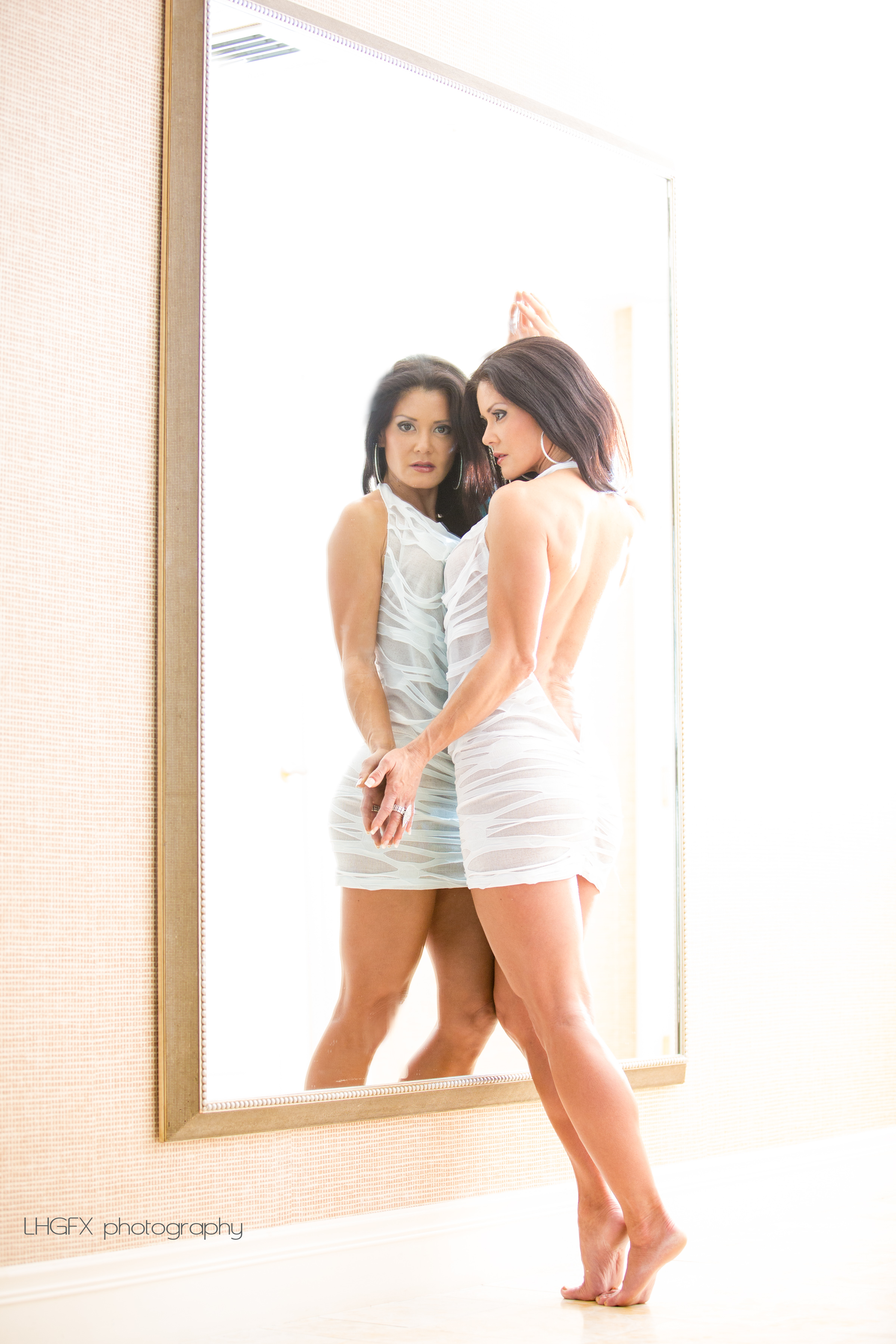
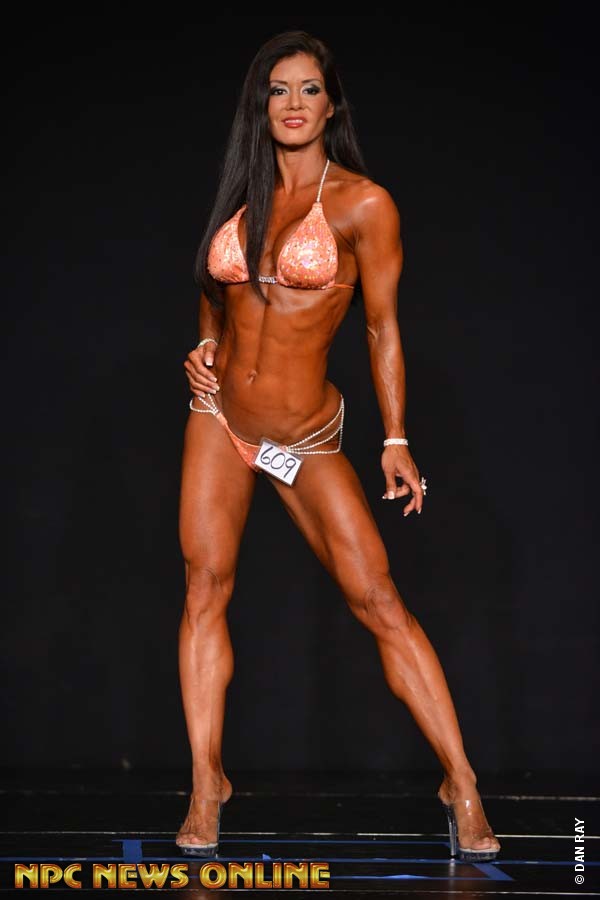
July 6th, 2013…the day I earned my IFBB Pro Card in Paramus, New Jersey

For years, bodybuilding was a huge part of my life. I trained hard, dieted harder, competed, and eventually accomplished something I was incredibly proud of: earning my IFBB Pro status.

So when people ask me why bodybuilding contests don’t excite me the way they once did, the answer isn’t that I regret competing. Quite the opposite. I am genuinely grateful for every year I spent in the sport, every contest I entered, every sacrifice I made, and every lesson I learned. If I could go back and do it all over again, I wouldn’t change that part of my life.

But I’ve also reached a point where I look at the competitive bodybuilding lifestyle differently.

When you’re competing at a high level, “being in shape” isn’t really the goal. Everything revolves around getting to that last fraction of a percent of body fat, squeezing every ounce of muscle out of your physique, and showing up on one particular day looking as close to perfect as humanly possible. On top of that, you repeatedly put yourself in front of a panel of judges who won’t hesitate to tell you if you’re even a tad below what they consider to be perfect.

That requires a regimen that most people would consider extreme—and, honestly, they should.

The training becomes a job. The food becomes a schedule. Your life gets organized around meals, cardio, workouts, recovery, posing, supplements and preparation. As a contest gets closer, the diet can become incredibly restrictive, the training becomes exhausting, and your entire world starts shrinking around the competition.

And it doesn’t stop with your body.

There is the financial side. Food, supplements, gym expenses, coaching, posing, tanning, travel, entry fees, competition suits and all the other costs can add up quickly. There is also the emotional cost. When your entire life is structured around preparation, it can put tremendous strain on relationships. Your spouse, family and friends may understand what you’re doing, but that doesn’t mean the lifestyle is easy for them to live alongside.

I’ve experienced enough of that world to understand exactly what it takes.

That’s probably why, today, I find myself appreciating something that I never appreciated quite as much when I was competing: being a normal person.

There is something incredibly freeing about being able to eat dinner without calculating every calorie. To go out with friends without wondering whether the meal fits perfectly into your diet. To miss a workout occasionally without feeling like you’ve committed some kind of crime. To have your day revolve around your life instead of having your life revolve around your physique.

And maybe most importantly, there’s something to be said for having the freedom to enjoy the people around you.

I still love training. I still appreciate muscular physiques and the incredible discipline required to build one. I still have tremendous respect for anyone who steps onstage and puts themselves through that process. I know firsthand how difficult it is.

But when I watch competitors today going through the brutal dieting, the endless cardio, the obsessive training, the mounting expenses and the stress that can spill over into their personal lives, I sometimes have to shake my head.

I understand why they’re doing it, because I was that person.

And I’m not judging them. I’m simply looking at it from the other side now.

There was a time when I needed that challenge. I needed to know how far I could push myself. Competing taught me discipline, persistence, sacrifice and what it means to commit completely to a goal. Earning my IFBB Pro status will always be one of the accomplishments I’m proudest of.

But life changes.

Eventually, you realize that there is more to being healthy than being stage-ready. There is more to strength than how much you can lift. And there is more to life than seeing how conditioned you can become for one day under bright lights.

Today, I’d rather have balance. I’d rather enjoy a meal with people I care about than worry about whether it fits into a contest diet. I’d rather have the freedom to live spontaneously than have every hour dictated by a bodybuilding schedule.

I don’t regret the years I spent chasing the stage.

I’m actually thankful I did it.

But I’m also thankful that I don’t have to do it anymore.

For me, being a “normal” person has become its own kind of victory. And after spending years learning how to push my body to its absolute limits, there is something pretty satisfying about finally learning how to simply enjoy living in it.

There is one thing I want to make clear, though: I will never be a “regular person” when it comes to fitness. That part of me isn’t going anywhere.

I still weight train an average of six days a week. I still eat clean the majority of the time. In fact, I have always genuinely craved clean food. It’s not something I force myself to do anymore; it’s simply how I prefer to eat. Training is still a major part of my life, and I don’t see that changing.

What’s changed is the reason behind it.

I’m no longer training because I have to look a certain way on a certain day. I’m not counting down to a contest, trying to squeeze out another pound of body fat, or structuring my entire existence around stepping onstage. I train for life.

And here’s the funny part: I’m actually several pounds lighter today than I was when I won my IFBB Pro Card, and just as lean.

So I haven’t become some sedentary person who abandoned bodybuilding and started eating whatever I wanted. Far from it. The discipline is still there. The work ethic is still there. The love of training is still there.

What I’ve gained is perspective.

I can train hard without destroying myself. I can eat clean without being consumed by dieting. I can stay muscular and lean without needing to reach an extreme condition for a competition. And I can take a day off, enjoy a meal, spend time with people I care about, or simply live my life without feeling guilty about it.

Maybe that’s the biggest difference between then and now. I still have the discipline of a bodybuilder. I just don’t live like a competitive bodybuilder anymore.

And honestly, I think that’s a pretty good place to be.

The Year of You: Seasonal Self-Care Rituals to Stay Balanced, Energized, and Joyful All Year Long

Image via Freepik

Camille Johnson of Bereaver.com has done it again with another fantastic article which is full of tips to honor and nurture yourself as the new year approaches.

Each season carries its own rhythm, subtly shaping our bodies, moods, and routines. When we honor those natural shifts, we cultivate steadiness, energy, and calm — even as life changes pace. This guide is your personal almanac for balance, offering simple ways to align your habits with the seasons and keep joy in motion year-round.

Key Takeaways

  • Each season calls for a unique form of care.
  • Move, eat, and rest in rhythm with nature.
  • Build daily joy rituals and grounding habits.
  • Use tools like calendars to remind yourself to pause and reconnect.
  • Small adjustments create big emotional dividends.

Seasonal Self-Care Essentials

SeasonFocusSelf-Care BoostActivity Ideas
SpringRenewalDeclutter mind and spaceGardening, journaling, morning walks
SummerEnergyHydration and social joySwimming, picnics, sunrise yoga
AutumnReflectionNourishment and gratitudeLong walks, warm meals, goal review
WinterRestDeep rest and warmthCozy reading, candlelight baths, stretching

Tune Your Nutrition and Movement

Shifting your habits with the seasons keeps energy and mood stable. Eating seasonally means savoring what nature offers: crisp greens in spring, berries in summer, root vegetables in autumn, and hearty stews in winter. Matching movement to the weather helps too — from outdoor runs in warm months to gentle indoor yoga when it’s cold.

For customized guidance, explore StaceyNaito.com, which offers fitness and nutrition plans that align with seasonal rhythms and personal goals.

Quick Self-Care Checklist

How to Create a Grounding Ritual

  1. Set a cue — perhaps lighting a candle or stepping outside.
  2. Add a sensory anchor — a scent, a sound, or a sip of tea.
  3. Pair it with breath — inhale calm, exhale tension.
  4. Close intentionally — write one line of gratitude or intention.

Do this daily for a week, and your nervous system will begin anticipating the calm before you even begin.

Keep Joy in View

Visual reminders keep wellness top of mind. Design a personalized calendar filled with quotes that lift your mood, favorite photos, and gentle self-care cues. Many online tools make it simple: choose a template, upload images, tweak colors or fonts, and order in the format you love. Select a printing service that offers premium paper, custom sizes, and the ability to mark personal milestones like birthdays or reflection days.

Product Highlight: Cozy Earth Bamboo Throw

Evening rituals feel richer with comfort items that invite stillness. The Cozy Earth Bamboo Throw is soft, breathable, and ideal for quiet moments of rest — a tangible cue to slow down and reset. Any similar high-quality blanket will do; the point is softness that signals safety.

FAQ: Common Questions About Year-Round Balance

Q1: What’s the easiest way to start seasonal self-care?
Begin with one anchor habit per season — hydration in summer, stretching in winter, journaling in autumn, walking in spring.

Q2: I can’t keep routines consistent. What helps?
Link them to daily cues — like brushing your teeth or brewing coffee — to build natural reminders.

Q3: Do I need special products?
No. Nature, structure, and attention are the best tools. Products just help reinforce intention.

Q4: What if I miss days or weeks?
Gentleness is key. Life has seasons too. Start again without guilt.

Balance isn’t a destination — it’s a rhythm. By tuning into what each season offers, you stay in harmony with the world around you and the world within you. Whether it’s a nourishing meal, a mindful pause, or a reminder pinned to your personalized calendar, these small acts keep joy not just in reach, but in motion.

Naturally Gray

123rf.com image
yaroslavastakhov Image ID158276168

When the COVID-19 pandemic swept across the world in early 2020, it disrupted nearly every aspect of daily life—including personal grooming routines. For many women, the closure of hair salons meant they could no longer maintain their regular appointments for root touch-ups or color treatments. Suddenly, the choice to hide gray hair was taken out of their hands. For some, this was initially a distressing situation, especially in a society that has long associated gray hair in women with aging, invisibility, or a lack of vitality.

However, something unexpected happened. As the weeks turned into months, and the pandemic dragged on, many women began to embrace the gray. What started out as a necessity slowly evolved into a movement. Social media played a huge role, with women posting photos of their “silver linings” and sharing their journeys of going gray—roots growing out, transitions in color, and emotional realizations along the way. Hashtags like #grombre (gray + ombré), #grayhairdontcare, and #silversisters began trending, creating a virtual support network that celebrated authenticity over convention.

For many women, going gray became symbolic of something much bigger. It represented a rejection of unrealistic beauty standards and the freedom to age on their own terms. It was an act of self-acceptance and empowerment. Some women shared how liberating it felt to stop covering something that was natural and beautiful. Others described how they felt more themselves than they had in years—bold, honest, and unfiltered.

This shift was about more than hair color; it was about autonomy. In a time of uncertainty, women reclaimed control over something deeply personal. They no longer felt pressured to hide a part of themselves just to conform to societal norms. As a result, what started as a temporary break from salon visits became, for many, a permanent transformation—not just in appearance, but in mindset.

As for my personal hair color journey during the pandemic, I was already so accustomed to coloring my gray roots at home every two weeks that it did not bother me one bit that I wasn’t able to visit a salon. In addition, the hairdresser who had been doing my hair during that time worked out of her home, so the interruption in professional hair care services was very brief for me. However, I was so inspired by the women who were daring enough to go naturally gray that I briefly considered traveling down the same path.

What stopped me was the realization that any lighter hair color looks truly bizarre on me, whether it be blonde, gray or white. I have verified this over the years by donning blonde and platinum white wigs, only to cringe in horror. Last month, I applied a gray hair color paste on my hair and took photos, then washed the stuff away. One friend thought it looked cool and suggested that I sort of resembled Storm, but that certainly wasn’t enough for me to consider leaving the temporary color in my hair for more than a few minutes.

Here I am with a temporary gray hair paste

If you have ever considered going naturally gray, I have listed pros and cons of such a decision below.


🌟 Pros of Going Naturally Gray

1. Authenticity and Self-Acceptance
Allowing gray hair to come in can be a bold statement of self-acceptance and confidence. It signals a refusal to conform to ageist beauty standards and an embrace of one’s natural evolution.

2. Healthier Hair
Frequent coloring, especially with harsh dyes, can damage hair over time. Going gray allows the hair to recover its natural texture, strength, and integrity.

3. Financial Savings
Salon visits for color treatments can be costly. Eliminating this routine saves both money and time—no more constant root touch-ups.

4. Time and Convenience
Gray hair maintenance often requires less frequent upkeep compared to colored hair. Once the transition is complete, you’re no longer on a schedule.

5. It Can Look Stunning
Natural gray or silver hair can be incredibly striking. When properly cared for, it can be glossy, elegant, and eye-catching. Many women find that it enhances their features and gives a sophisticated, modern edge.

6. Social Shifting
There’s a growing movement encouraging women to defy beauty norms. Embracing gray can connect you to a supportive community and help challenge outdated societal expectations.


⚠️ Cons of Going Naturally Gray

1. Societal Judgment and Ageism
Women are often judged more harshly than men for visible signs of aging. Going gray can provoke unsolicited comments or subtle discrimination, especially in professional environments.

2. Confidence Rollercoaster
The transition period—when roots are growing in—can be tough. Many women feel awkward or less attractive during this in-between phase.

3. Maintenance Doesn’t Disappear Entirely
While you’re not dyeing your hair anymore, gray hair often has a different texture and can be more coarse, wiry, or dry. It may require new types of products to look its best, including purple shampoos to combat yellowing.

4. Perceived Loss of Youthfulness
Some women feel that gray hair makes them look or feel older than they are, and may worry about losing their youthful edge or romantic appeal.

5. Not All Grays Are Created Equal
Gray hair doesn’t always come in beautifully silver. It may be patchy, dull, or uneven, and not everyone ends up with that sleek silver fox look.


Today, the visibility of gray-haired women in media, fashion, and public life continues to grow. The pandemic may have forced the change, but what followed was a grassroots movement of women stepping into their power, embracing their natural beauty, and redefining what it means to age gracefully.

Final Thought:

Going gray is not about “giving up”—it’s often about reclaiming control. For some women, coloring their hair helps them feel vibrant and polished. For others, letting it go natural is a power move toward freedom and authenticity. Neither path is superior—it’s about what makes you feel most confident in your skin.

How Menopause Messes With Our Hair

Women who have gone through menopause typically experience striking changes in hair texture, which can quite frankly, be distressing. For those of you who didn’t know about menopausal hair changes, be afraid. Be very afraid. Because your hair texture will morph into something you won’t understand or find very manageable.

My hair before the waves kicked in…

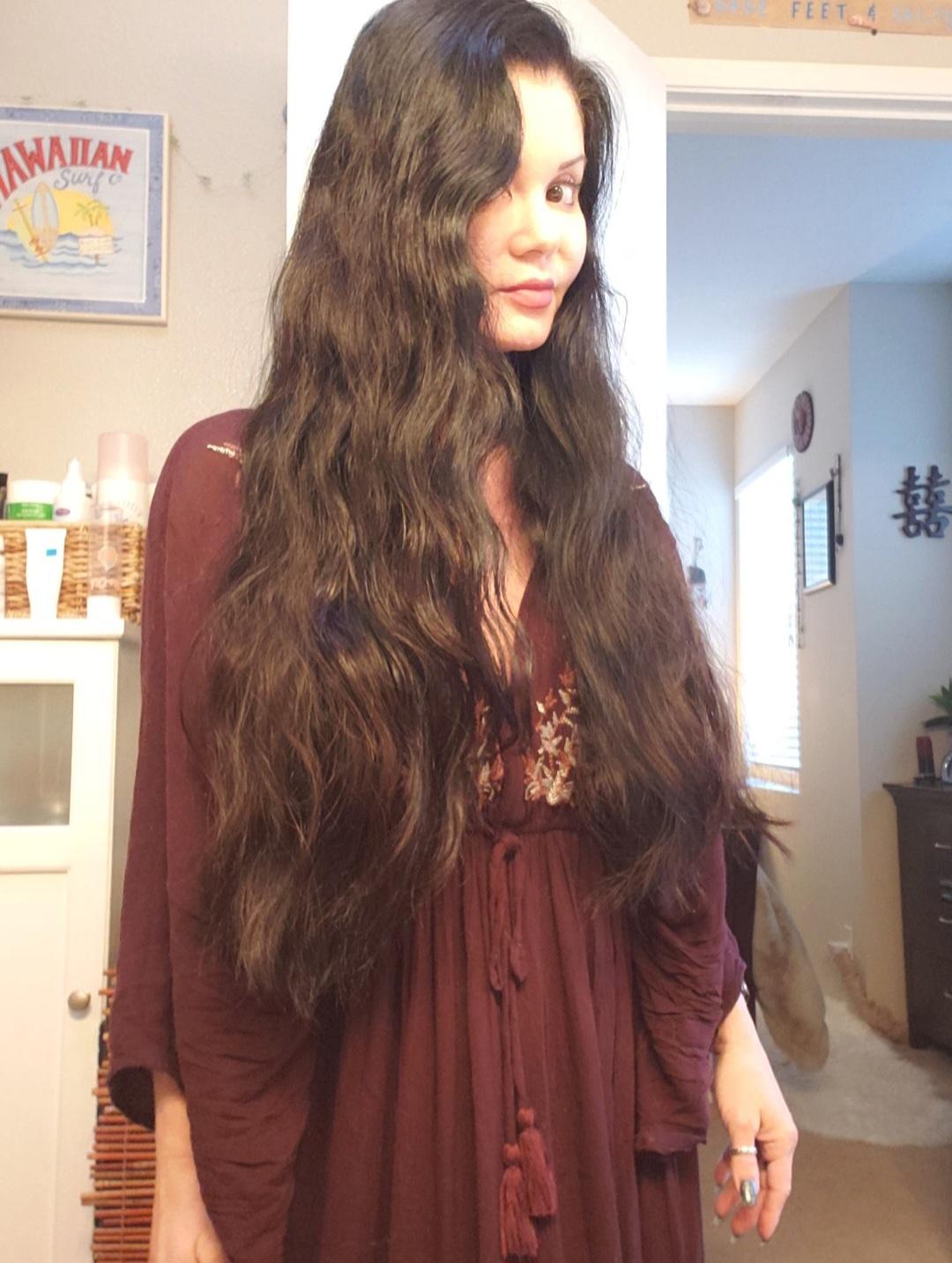
When a woman reaches menopause, hormonal changes can lead to noticeable differences in hair texture, volume, and growth patterns. While hair thinning and loss are commonly discussed, another fascinating change is how hair texture can become curlier or more unruly. On a personal note, my hair went from being almost arrow straight to having a pronounced wave, which makes it look like I had braided my hair and then let the crimps remain after unraveling the braid. I fight this new waviness by flat ironing my hair, because I just can’t stand the look. The waves became intense for a while (see pic below), then settled down a bit once I reached 57.

There are several scientific explanations which help account for the changes in hair texture during menopause:

1. Hormonal Changes and Hair Texture

Estrogen and progesterone, two key hormones that regulate many aspects of a woman’s body, play an important role in hair growth and structure. Before menopause, these hormones help maintain the hair growth cycle, ensuring strong and healthy strands. As estrogen and progesterone levels decline, their regulatory effect diminishes, which can lead to changes in the shape and structure of hair.

At the same time, androgen (male hormone) levels remain relatively stable or increase in comparison, which can influence hair follicles in several ways:

  • Some women experience hair thinning or miniaturization, particularly along the crown.
  • Androgen dominance may alter the activity of sebaceous (oil) glands, affecting hair texture.
  • Hair strands may become drier, more brittle, or coarser.

2. Changes in the Hair Follicle and Muscle Relaxation

One lesser-discussed but compelling explanation involves changes in the follicular muscle layer—specifically, the arrector pili muscle, a tiny muscle attached to each hair follicle. This muscle plays a role in the positioning of the follicle in the scalp.

  • During menopause, the arrector pili muscle may weaken or relax due to hormonal shifts, particularly as estrogen levels drop.
  • When this muscle relaxes, it can cause the hair follicle to shift at a different angle.
  • A change in the follicle’s orientation may lead to hair emerging in a more curved or spiral pattern, making previously straight or wavy hair appear curlier.

3. Structural Changes in the Hair Shaft

The cross-sectional shape of the hair shaft is a major determinant of hair texture. Straight hair typically has a round cross-section, whereas curly hair has a more oval or flattened shape.

  • Hormonal shifts can influence keratin production, the protein that makes up hair.
  • Changes in keratin bonding patterns could contribute to an altered hair structure, making it curlier or frizzier.
  • Hair may also become thinner in diameter, which can enhance the appearance of curls or waves.

4. Aging and Changes in Scalp Health

The scalp itself undergoes changes with age, including:

  • Reduced blood flow to hair follicles, which affects nutrient delivery.
  • Changes in oil production, leading to drier hair that may behave differently.
  • A shift in collagen and elastin levels in the skin, which might indirectly impact follicle positioning and hair texture.

The waves in my hair tend to look more like this, but I have a lot of frizz right after washing my hair. Thank goodness for flat irons!

Conclusion

Menopause brings a variety of changes to hair due to the interplay of hormonal fluctuations, follicular shifts, and changes in scalp and hair fiber structure. While some women may experience thinning, others may find their hair becoming curlier or more textured due to follicle repositioning, muscle relaxation, and shifts in keratin structure. Understanding these changes can help women adjust their hair care routines to maintain healthy, manageable hair during and after menopause.

Still A Hermit? Break Out Of Your Shell!

123rf.com free inspirestock Image 26194925

The lockdown of 2020 still hasn’t worn off for some people who have continued the habit of staying home all the time. After developing patterns of behavior which caused us to focus on home-based activities, the idea of becoming more socially active can be daunting to say the least. Here are some ways people can ease into becoming more social, and venture out of their homes:

1. Start with Small Steps

  • Go for Short Walks: Start with simple outdoor activities like going for a walk in a nearby park or just around your neighborhood. Gradually increase the time you spend outdoors.
  • Errands or Short Trips: Instead of staying inside, you can plan a trip to the grocery store, library, or café. Doing errands can help get you out of the house while feeling like it’s part of a regular routine.

2. Set Achievable Social Goals

  • Meet with One Person: Instead of jumping into large social events, try meeting one friend or family member for coffee or a meal. Even if it’s a short interaction, it can help build your confidence in socializing again.
  • Join a Group Activity: Consider joining a small group or class, such as a book club, fitness class, or hobby-based meetup. Being part of a structured group gives you a reason to leave home and offers opportunities to interact in a low-pressure setting.

3. Create a Routine

  • Schedule Outings: Put specific events or activities on your calendar, like going to a museum or attending a community event. Having these planned in advance can make it easier to commit and can help you stick to a routine of leaving the house.
  • Set Time for Socializing: Block out time in your schedule for social activities, whether it’s a phone call with a friend or joining a social gathering. Having these moments planned helps combat the urge to isolate yourself.

4. Focus on Enjoyable Activities

  • Pursue Interests Outside: Think of activities that you genuinely enjoy that happen outside your home—maybe hiking, seeing a movie, or attending a concert. The more enjoyable the activity, the more likely you are to make it a habit.
  • Volunteer: Volunteering for causes you care about is a great way to break the hermit cycle. It’s a positive way to interact with others and can help you feel connected to your community.

5. Challenge Negative Thoughts

  • Address Social Anxiety: If fear of judgment or social anxiety is keeping you at home, consider working on these feelings. Sometimes, it helps to remind yourself that people are often more focused on their own lives than on scrutinizing others.
  • Shift Your Perspective: If you’re accustomed to staying home, you may have developed thoughts that reinforce this habit (e.g., “I’m more comfortable alone” or “There’s nothing for me outside”). Challenge these thoughts by reminding yourself of past positive experiences or new opportunities.

6. Use Technology as a Bridge

  • Start with Virtual Socializing: If leaving home feels overwhelming, begin by engaging in virtual social activities like online classes, group video chats, or forums. It can serve as a way to ease into in-person interactions.
  • Track Progress: Consider using a tracking app or journal to keep a record of your efforts to leave the house. Tracking your progress can help you celebrate small victories and motivate you to keep going.

7. Get an Accountability Buddy

  • Find a Supportive Friend: Find someone who understands your struggle and can encourage you to get out more. They might help by inviting you to do things or checking in on your progress, making the transition easier.
  • Join a Fitness Challenge: Participating in a fitness challenge or committing to a workout buddy can motivate you to leave the house regularly for exercise or outdoor activities.

8. Redesign Your Space

  • Create a Comfortable Environment Outside: Sometimes, creating a space outside of your home that feels inviting can help make the transition easier. If you enjoy reading, consider sitting at a park or café instead of at home. If you’re into photography, explore new outdoor spots for photo opportunities.

9. Address Underlying Causes

  • Reflect on Why You Stay Home: It’s important to look deeper into why you prefer being a hermit. Are there emotional or mental health factors that are keeping you isolated? Addressing things like loneliness, anxiety, or depression with the help of a therapist can be crucial in breaking this habit.
  • Practice Self-Compassion: Don’t be hard on yourself. Moving out of isolation takes time and it’s okay to take gradual steps. Celebrate any progress, even if it feels small.

10. Engage in Group or Public Activities

  • Attend Public Events: Participate in community events, such as fairs, farmers’ markets, or outdoor festivals. These events offer a casual atmosphere where you can interact with people without pressure.
  • Take a Class: Whether it’s a cooking class, pottery, or a dance lesson, learning something new in a group setting provides both a reason to leave your home and a chance to meet new people.

By combining these strategies, it’s possible to break the cycle of isolation while respecting your pace. Each step taken, no matter how small, can lead to a greater sense of connection, improved mental well-being, and a healthier balance between solitude and socializing.

The True Mirror

What is a True Mirror? It’s a non-image-reversing mirror, nestled in a box frame, which enables you to see yourself as others see you. The issue with the True Mirror is that it can be quite jarring to finally see oneself as everyone else sees them. John Walter, the founder of the brand True Mirror, states in an email to Alix Tunell from RealSelf News:

“For many people, especially image-conscious people, the perception of asymmetry is overwhelming. It’s unfortunate, because it’s exaggerated—because things are on the opposite side [from what you’re used to seeing], they get doubled in your own perception.”

This was certainly the case for me the first time I looked into the True Mirror, and I was so rattled by my facial asymmetry that I refused to gaze into the contraption for several days. I understand now that my brain is still exaggerating subtle differences when I look into the True Mirror, and that I can gain comfort by looking into a standard reversing mirror. I also understand that the True Mirror is best appreciated when your face is animated, because you will then see the true reflection of your energy. It’s a complete trip and something I would recommend to anyone.

Mirror Images

You might not have thought much about this, but your perception of your own face is different than what other people see. The most frequent view we have of ourselves is in a mirror, which is a flipped version of how we really look. However, since the image we see is inverted, we often feel more comfortable with how we look in a mirror, as opposed to photographs. We also have the option of looking at selfies, which are even worse, since they distort our features due to the wide-angle design of the camera lens.

The closest representation of how others see us is via photographs, but depending on the lens type used, even photos can present distortions which don’t accurately represent our faces. We may think the camera is capturing us exactly how others perceive us, but those lenses often make some features more prominent than others, and thus quite different from how we really look. Another big factor which comes into play with looking in a mirror or at a photograph is that both are two-dimensional images, so we can never truly appreciate our own faces as the dynamic, three-dimensional countenances which others see.

There is a concept called the True Mirror which enables us to regard our own faces exactly as others do. For a great TED lecture on face recognition which discusses the True Mirror, check out this link:

Favorite Maroon Dress

I recently had a random memory which popped up in my head a few weeks ago of a maroon satin dress which captured my attention as a pre-teen and which made me feel like a disco queen. Granted, I got the dress in 1977, so it makes sense that I felt disco vibes whenever I wore it. It featured spaghetti straps, had a hidden elastic waist, and a slender A-line skirt which hugged my emerging curves. Unfortunately, I don’t have any images of me wearing the frock, but I remember it so vividly, and I will never forget how it made me feel. It had a lovely silky feel to it and fit so nicely. 

Of course I can’t find anything online that approximates the style of the dress I had as a kid, but I found a sexy modern take on a satin dress:

Emily Metallic Wine Maxi Dress from Bella Barnett

Does anyone else remember favorite items of clothing from their childhood which made them feel their best?