Brain Benefits of Exercise

Regular physical exercise is one of the most effective ways to support long-term brain health. Research across neuroscience, aging, and psychology consistently shows that exercise benefits memory, attention, mood, learning, and resilience against cognitive decline.

How Exercise Benefits the Brain

1. Improves Memory and Learning

Exercise increases blood flow to the brain, delivering more oxygen and nutrients. It also stimulates the release of growth factors such as BDNF (brain-derived neurotrophic factor), which helps neurons grow and form stronger connections.

Areas especially affected include the hippocampus, a region critical for memory formation. Studies show that people who exercise regularly often perform better on tasks involving:

  • Learning new information
  • Recall and retention
  • Processing speed
  • Mental flexibility

Even moderate aerobic exercise like brisk walking has been associated with improved memory performance.


2. Helps Preserve Cognitive Function With Age

One of the strongest findings in brain-health research is that consistent exercise helps slow age-related cognitive decline.

Regular physical activity is associated with:

  • Lower risk of dementia
  • Reduced risk of Alzheimer’s disease
  • Better executive functioning in older adults
  • Slower shrinkage of brain volume over time

Exercise appears to protect the brain through several mechanisms:

  • Improved circulation
  • Reduced inflammation
  • Better glucose regulation
  • Enhanced vascular health
  • Increased neural plasticity

The key factor is consistency. The brain benefits of exercise accumulate over years. Sporadic workouts help temporarily, but long-term habits are what appear to preserve cognitive function most effectively.


3. Supports Attention and Executive Function

Exercise strengthens executive functions — the mental skills used for:

  • Planning
  • Decision-making
  • Focus
  • Self-control
  • Multitasking

Physical activity increases activity and connectivity in the prefrontal cortex, which governs these higher-order functions.

This is one reason exercise is often linked to:

  • Better academic performance
  • Improved workplace productivity
  • Greater emotional regulation
  • Reduced mental fatigue

4. Enhances Mood and Mental Health

Exercise affects neurotransmitters involved in mood regulation, including:

  • Dopamine
  • Serotonin
  • Norepinephrine
  • Endorphins

Regular activity can reduce symptoms of:

  • Anxiety
  • Depression
  • Chronic stress

Exercise also lowers cortisol levels and improves sleep quality, both of which strongly influence cognitive performance and emotional resilience.


5. Promotes Neuroplasticity

The brain remains adaptable throughout life, and exercise helps maintain this adaptability.

Neuroplasticity refers to the brain’s ability to:

  • Form new neural pathways
  • Recover from injury
  • Adapt to new experiences
  • Learn new skills

Aerobic exercise in particular promotes neurogenesis — the formation of new neurons — especially in memory-related regions.

This means exercise does not simply “maintain” the brain; it actively supports the brain’s capacity to change and grow.


Why Consistency Matters More Than Intensity

A major misconception is that only intense athletic training benefits the brain. In reality, regular moderate activity performed consistently is extremely effective.

Examples include:

  • Walking
  • Cycling
  • Swimming
  • Dancing
  • Jogging
  • Resistance training
  • Sports with coordination and strategy

The brain responds especially well to routines maintained over months and years.

Consistency matters because:

  • Neural adaptations develop gradually
  • Blood vessel health improves over time
  • Inflammation reduction is cumulative
  • Protective effects against cognitive decline build slowly

Even relatively small amounts of weekly exercise can produce measurable brain benefits when sustained long term.


Exercise and Brain Aging

People who remain physically active throughout adulthood often show:

  • Better preserved white matter integrity
  • Stronger connectivity between brain regions
  • Larger hippocampal volume
  • Better reaction time and reasoning ability later in life

Exercise is increasingly viewed as a foundational preventive strategy for healthy cognitive aging — alongside sleep, nutrition, social engagement, and intellectual stimulation.


Types of Exercise That Benefit the Brain

Different forms of exercise appear to support the brain in complementary ways:

Aerobic Exercise

Most strongly linked to:

  • Memory
  • Cardiovascular support for the brain
  • Reduced dementia risk

Examples:

  • Running
  • Fast walking
  • Cycling
  • Swimming

Strength Training

Associated with:

  • Executive function
  • Attention
  • Functional independence with aging

Coordination-Based Activities

Activities like dancing, martial arts, or racquet sports challenge both body and mind simultaneously, engaging:

  • Spatial awareness
  • Timing
  • Reaction speed
  • Motor planning

Mind-Body Exercise

Yoga and tai chi may improve:

  • Stress regulation
  • Attention
  • Emotional balance
  • Cognitive flexibility

The Broader Brain Health Picture

Exercise works best as part of a broader brain-health lifestyle that includes:

  • Adequate sleep
  • Nutritious diet
  • Social connection
  • Lifelong learning
  • Stress management

Still, among lifestyle interventions, exercise is one of the most consistently supported by scientific evidence for preserving brain function across the lifespan.

A physically active lifestyle does not guarantee immunity from neurological disease, but it substantially improves the odds of maintaining cognitive vitality, emotional resilience, and functional independence into older age.

A Guide to Building a Credible Wellness Influence and Ethical Growth

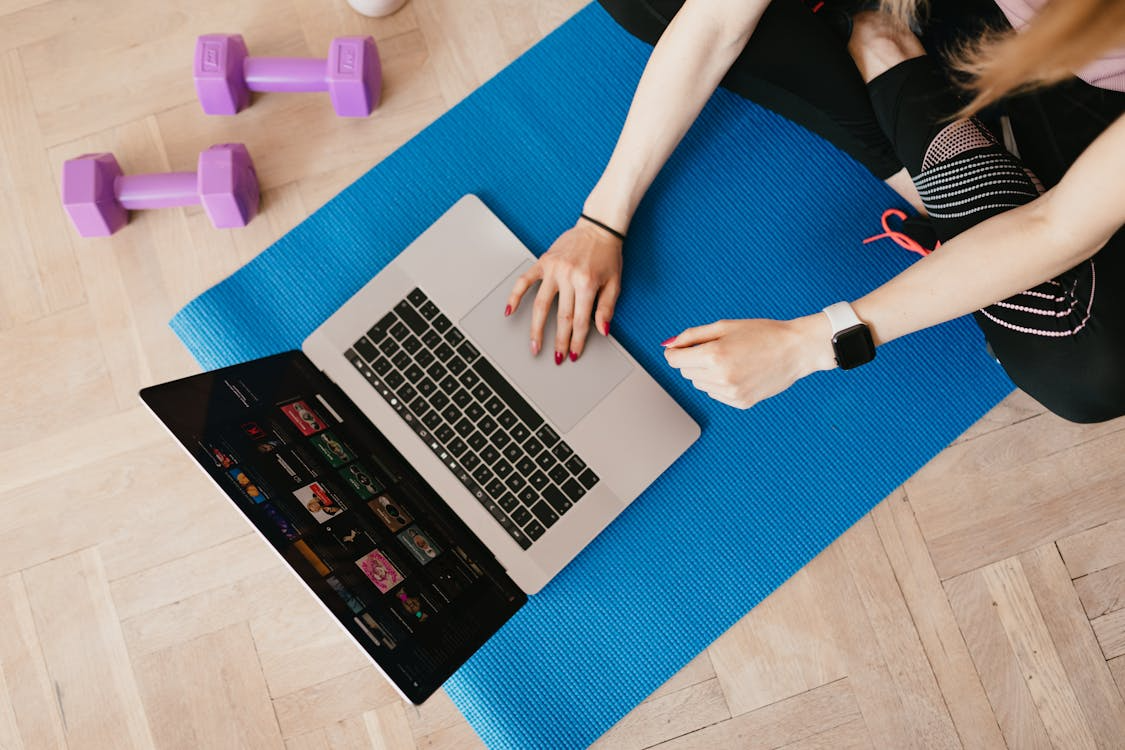
Photo by www.kaboompics.com: https://www.pexels.com/photo/unrecognizable-woman-using-laptop-on-mat-4498456/

Wondering how you can build a wellness presence which truly resonates with your audience? Then let this article, written by Camille Johnson of Bereaver.com, guide you through the process.

For fitness coaches, yoga teachers, nutrition enthusiasts, and clinicians building a public presence online, becoming one of the wellness influencers people return to can feel both exciting and risky. The core tension is simple: audience growth often rewards bold claims, while ethical wellness promotion demands care, context, and humility. Without clear niche selection in wellness, even strong creators get pulled into scattered messaging and familiar audience engagement challenges, from skepticism to backlash. With the right foundation, building credibility in health influence and a steady content strategy for wellness creators, wellness advice can be shared in a way that earns trust.

Quick Summary: Build Trust and Grow in Wellness

  • Choose a focused wellness niche to attract the right audience and clarify your message.
  • Build credibility with transparent, evidence-aware guidance and clear boundaries around your expertise.
  • Create consistent content that educates, supports, and reflects your values and brand voice.
  • Share wellness advice responsibly by prioritizing safety, accuracy, and respectful communication.
  • Grow community with engagement-first strategies that foster connection, trust, and long-term relationships.

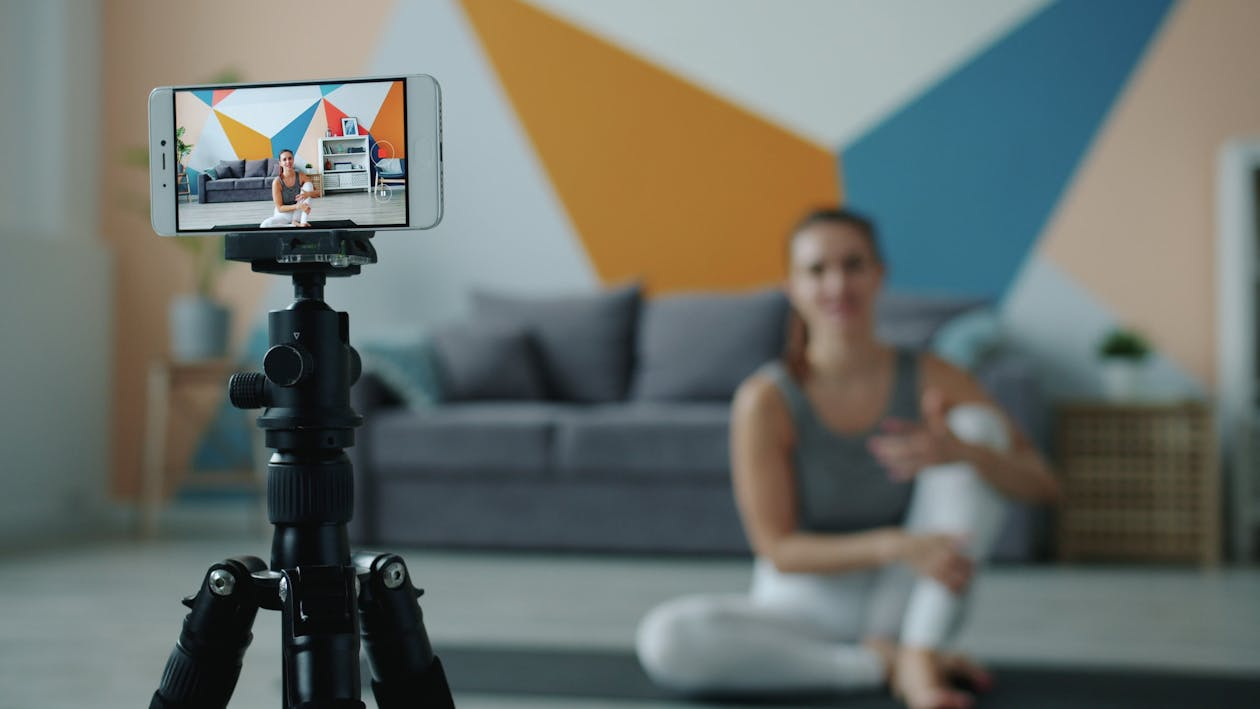
Photo by Vitaly Gariev: https://www.pexels.com/photo/woman-recording-a-fitness-vlog-in-modern-living-room-36764393/

Turn Daily Wellness Moments Into Repeatable Reels or TikToks

Once you’ve got the big-picture moves in mind, the fastest way to show people what you’re about is through short, repeatable videos. On Instagram Reels or TikTok, capture your daily wellness routines (your morning walk, meal prep, stretching, journaling), behind-the-scenes healthy habits (how you set up your space, what you pack, what you actually do between “perfect” moments), and quick tips that fit your niche. These small slices of real life give potential followers an authentic, visual taste of what they’ll get from you, without needing a big production.

On days you can’t film yourself, consider Adobe Firefly’s AI video generator to quickly create polished, on-brand short clips. The basic idea is simple: you enter a descriptive text prompt (for example, the mood, setting, and the wellness action you want shown), and the tool generates a customized video clip you can post alongside your usual content.

Build a Simple System to Grow as a Wellness Influencer

This process helps you choose a clear wellness lane, earn trust with proof, and show up consistently without burning out. For everyday creators, a small, steady system is what turns “posting sometimes” into real community growth.

  1. Define your niche with a promise
    Start by writing one sentence: “I help ___ do ___ through ___.” Choose a focus you can demonstrate weekly (like stress-friendly movement, gut-friendly meal prep, or sober curiosity) so people instantly know why to follow you.
  2. Build trust with honest social proof
    Collect 3 to 5 proof points you can share naturally: a relevant certification, your personal before-and-after story, a simple habit streak, or kind DMs and comments (with permission). Content that shows the messy middle of healing often feels more believable than perfectly edited “after” shots.
  3. Pick one main platform and one support channel
    Choose where you can post most consistently (one short-video platform is enough), then add one place for deeper connection, like a newsletter or a small community chat. Keeping your attention on just one or two channels makes it easier to learn what your audience responds to.
  4. Set a weekly content loop you can actually sustain
    Create 3 repeatable buckets tied to your niche, such as “routine,” “teaching tip,” and “real life reflection,” then assign them to specific days. Batch one filming session a week and reuse the same structure so your feed feels familiar while your ideas stay fresh.
  5. Lock in a recognizable voice and collaborate with intent
    Choose two brand colors, one font style, and 3 phrases you say often so your posts are instantly identifiable even before people read. Then collaborate with peers who serve the same audience from a different angle, like a trainer partnering with a meal-prep creator.

Photo by Blue Bird: https://www.pexels.com/photo/crop-blogger-taking-photo-of-healthy-lunch-on-smartphone-7242746/

Ethical Monetization and Metrics Checklist

This checklist helps you earn income without eroding credibility and track what is actually moving your community forward. Use it weekly to stay transparent, refine your offers, and protect the trust you are building.

✔ Confirm disclosures on every affiliate and sponsored recommendation

✔ Choose partners aligned with your stated wellness promise

✔ Create one small paid offer that solves a single problem

Set a newsletter cadence and deliver one actionable takeaway each send

✔ Track saves, shares, and replies as primary trust signals

✔ Track link clicks and conversion rate for each monetized post

✔ Review refund requests and complaints to improve clarity and fit

Small, honest improvements compound into steady growth and reliable income.

Build Lasting Wellness Influence Through Trust and Consistency

It’s easy to feel pulled between growing faster and staying honest, especially when monetization and metrics enter the picture. A long-term growth mindset, rooted in clarity, consistency, and audience trust building, keeps the work steady, so wellness influencer motivation comes from serving people, not chasing spikes. With sustained content creation and transparent choices, influence becomes quieter but stronger: trust compounds, and the right opportunities feel aligned rather than pressured. Trust grows when your message stays consistent and your incentives stay clear. Choose one repeatable content rhythm for the next month and stay active in a supportive influencer community for feedback and accountability. This matters because steady credibility creates resilience, so your work can support health, connection, and growth for the long run.

Let There Be Light: Circadian Rhythm

123rf.com image
Image ID186134910

Natural sunlight is one of the most powerful regulators of human biology. At the center of this system is the circadian rhythm—an internal, roughly 24-hour cycle that governs sleep, hormone release, metabolism, body temperature, and even cognitive performance. While this rhythm is generated internally, it is synchronized to the external world primarily through exposure to natural light.

Sunlight as the master “time-setter”

Specialized cells in the retina detect light—especially blue wavelengths present in morning sunlight—and send signals directly to the brain’s “master clock,” the suprachiasmatic nucleus (SCN) in the hypothalamus. This signal does two critical things:

  • Suppresses melatonin (the sleep hormone) in the morning
  • Reinforces wakefulness, alertness, and cortisol release at appropriate times

In the absence of consistent natural light cues, the circadian system begins to “free-run,” drifting away from the 24-hour day. This is why people in artificially lit environments—or those who spend most of their time indoors—often experience sleep disturbances, fatigue, or reduced mental clarity.

A famous example comes from isolation experiments, including one involving a medical student who lived for weeks in a sensory deprivation bunker without access to natural light or time cues. Over time, their sleep–wake cycle lengthened beyond 24 hours, demonstrating that while the body has an internal clock, it depends on sunlight to stay properly aligned.

Genetic basis of circadian regulation

At a deeper level, circadian rhythms are governed by a network of “clock genes” that operate through feedback loops in nearly every cell of the body. Key genes include:

  • CLOCK and BMAL1: activate transcription of other clock genes
  • PER (Period) and CRY (Cryptochrome): accumulate over time and then inhibit CLOCK/BMAL1 activity

This creates a self-regulating oscillation: genes turn on, proteins build up, then shut the system down, and the cycle repeats roughly every 24 hours.

These genetic rhythms are not limited to the brain. Peripheral tissues—like the liver, heart, and muscles—also have their own clocks, which are coordinated by the SCN and influenced by environmental signals such as light, food intake, and activity.

Disruptions to these genes or their expression have been linked to:

  • Sleep disorders
  • Metabolic diseases (e.g., obesity, diabetes)
  • Mood disorders
  • Increased risk of certain cancers

This highlights that circadian regulation is not just about sleep—it is a fundamental organizing principle of physiology.

Architecture and natural light: the Fuji example

The importance of sunlight extends beyond biology into the design of human environments. The Fuji Kindergarten is a well-known example of architecture intentionally designed to optimize natural light exposure. Its open, circular structure, expansive windows, and indoor–outdoor flow ensure that children are continuously exposed to daylight throughout the day.

This design aligns with circadian principles:

  • Bright daylight exposure supports alertness and learning
  • Gradual transitions in natural light help regulate energy levels
  • Reduced reliance on artificial lighting maintains a more biologically natural environment

Such spaces are increasingly seen as beneficial not just for children, but for workplaces, hospitals, and homes.

Putting it all together

Natural sunlight acts as the synchronizing force that keeps our genetically encoded circadian machinery aligned with the Earth’s day–night cycle. Without it, the internal clock drifts; with it, physiology, cognition, and behavior become more stable and efficient.

In modern life—where artificial lighting and indoor living dominate—this connection is often weakened. Understanding both the environmental (light exposure) and genetic (clock gene feedback loops) aspects of circadian regulation underscores a simple but powerful point: regular exposure to natural daylight is not just beneficial—it is biologically essential.

Vibration Plates

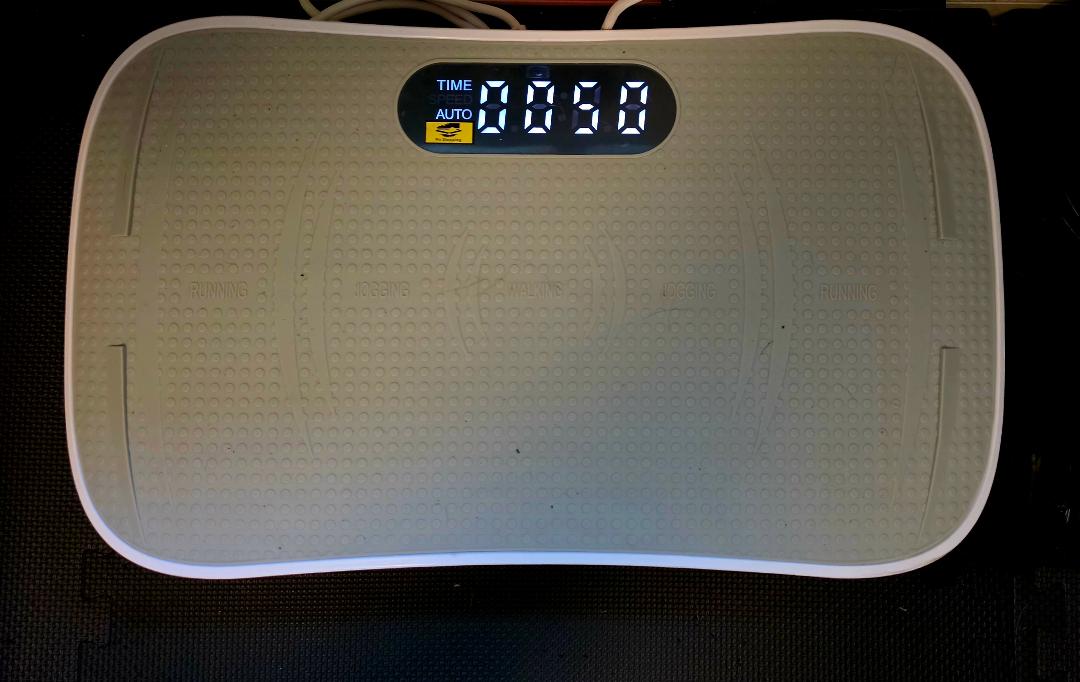
Vibration plates—often called whole-body vibration (WBV) platforms—are machines that send rapid oscillations through your body while you stand, sit, or perform exercises on them. The idea is that these vibrations trigger reflexive muscle contractions, so your muscles are working even when you’re holding a simple position.

What vibration therapy may do

The science is still evolving, but there are a few commonly discussed benefits:

  • Muscle activation and strength: The rapid vibrations can cause muscles to contract dozens of times per second. For beginners or people rehabbing injuries, this can help “wake up” muscles without heavy loading. For trained athletes, it can add a different stimulus rather than replace traditional strength work.
  • Circulation and recovery: Some users report improved blood flow and a loosening sensation in tight muscles. That’s why vibration plates are sometimes used after workouts, similar to foam rolling.
  • Balance and stability: Because the surface is unstable, your body constantly adjusts. This can help train stabilizer muscles and coordination.
  • Bone density (potentially): There’s some evidence suggesting low-level vibration may help maintain bone density, particularly in older adults, though it’s not a standalone solution.
  • Improved digestion: When I finish my 10-minute daily vibration plate sessions, I have noticed that it moves things along in my digestive system, which is a nice bonus.

What it feels like

The experience is distinctive:

  • On the plate: You’ll feel a rapid buzzing or shaking sensation traveling through your feet and up your body. Muscles may feel like they’re “firing” on their own, especially in your legs and core. If you bend your knees slightly, it usually feels more controlled and less jarring.
  • Afterward: Many people report a sense of looseness or lightness in their muscles, similar to a mild massage effect. Others feel a bit fatigued, especially if they held positions like squats or planks during the session.

Why frequent exercisers often like it

People who already work out regularly tend to appreciate vibration plates for a few reasons:

  • Efficient add-on: It can intensify basic movements (like squats or lunges) without adding more weight.
  • Recovery tool: After heavy lifting or intense cardio, the vibration can feel like a quick way to “shake out” muscle tension. I use my vibration plate daily for 10 minutes, always after I complete weight training.
  • Neuromuscular challenge: It introduces instability, which can make even familiar exercises feel new and more demanding.

That said, most serious athletes don’t treat it as a replacement for strength or cardio training—more as a supplement.

How often and how long

General guidelines (not one-size-fits-all):

  • Session length: Typically 10–20 minutes total. Individual exercises or positions might last 30–60 seconds each.
  • Frequency: Around 2–4 times per week is common for general fitness. Some people use it briefly (5–10 minutes) after workouts for recovery. I use my vibration plate 6-7 days a week because that is how often I engage in strength training. It helps to loosen me up after my training sessions.
  • Intensity: Start with lower frequencies and shorter sessions, then build up. Too much too soon can feel uncomfortable or overly fatiguing. My vibration plate has a program which randomly switches intensity throughout the regimen.

A few practical tips

  • Slightly bend your knees to reduce stress on joints and your head.
  • Keep sessions controlled—standing passively the whole time is less effective than combining it with light movements.
  • If you have joint issues, cardiovascular conditions, or are pregnant, it’s worth checking with a medical professional first.

Overall, vibration plates can be a useful add-on for activation, balance, or recovery—but they’re most effective when paired with a well-rounded exercise routine rather than used as a shortcut.

A Guide to Using Technology to Restore Your Emotional and Mental Balance

Camille Johnson of Bereaver.com has compiled this wonderful resource, which teaches us how to use technology in a mindful manner.

For adults juggling work, family, and serious self-care goals like diet planning, consistent training, and competition prep, technology overuse can quietly become another source of strain. The core tension is wanting to feel disciplined and present, while constant notifications, tracking, scrolling, and comparing leave the mind scattered and the body tense. Over time, this can show up as emotional disconnection (numbness or irritability), mental fatigue (decision overload), and a subtle spiritual disconnection that makes rest feel unearned and progress feel hollow. Naming these patterns helps busy, health-focused adults reconnect with what actually matters.

Understanding Mindful Technology Use

Mindful technology use means using your devices with awareness and intention, instead of reacting on autopilot. It is a quick inner check: why am I opening this app, and what do I want to feel or accomplish? The goal is not less tech by default, but steadier attention that supports emotional balance, clearer thinking, and a deeper sense of meaning.

This matters when you are trying to follow a training plan, stay consistent with meals, and manage stress without burning out. When your attention is intentional, you make fewer impulse choices, recover better, and stop turning every pause into a comparison spiral. That mental space can also make gratitude, prayer, or reflection feel natural again.

Think of your phone like a food scale: useful when you choose it, noisy when it runs your day. You might open your tracker to log a meal, then close it before the feed pulls you into anxiety. That single pause is mindful technology use in action.

Build a Mindful Tech Plan You Can Stick With

This process helps you set simple tech boundaries and use your devices on purpose so your energy goes to training, meals, recovery, and real self-connection. For adults prepping for better health or contest readiness, it reduces decision fatigue and keeps tracking tools helpful without letting scrolling steal sleep or consistency.

  1. Define your “why” before you unlock
    Start each day by writing one sentence: “I’m using my phone today to ___,” such as log meals, follow a lifting plan, or text your coach. Use checking in with yourself to name what you want more of today, like calm, focus, or patience, before any app opens.
  2. Set two non-negotiable boundaries
    Choose one time boundary and one place boundary that protect recovery, like “no phone the first 20 minutes after waking” and “no phone where I eat.” Keep the rules small enough to win on hard days, because consistency beats perfection when stress is high.
  3. Choose intentional device sessions
    Batch your tech tasks into short windows: one check for messages, one check for training info, one check for food logging, then you close the device. Use a timer and end the session immediately when the timer ends so “quick check” does not turn into a mood shift.
  4. Add a light digital detox practice
    Pick one low-friction tool that makes boundaries easier, like app limits or screen-time tracking, since many digital detox apps include features to track use and set limits. Start with a 30 to 60 minute “offline block” each day, ideally before bed or during meal prep.
  5. Reconnect on purpose when you log off
    Replace the habit loop with a short reconnection cue: three deep breaths, a 5-minute walk, a quick gratitude list, or a brief prayer or reflection. Tie it to your fitness goals by asking, “What choice supports tomorrow’s workout?” then do one small action like filling your water bottle or planning your next meal.

Habits That Keep Tech Serving Your Goals

Habits make mindful tech use feel automatic instead of effortful, especially when you are juggling training, nutrition, and recovery. Give yourself a runway, since habit formation ranging from 59-66 days can be a realistic window for changes to stick.

Phone-Down Morning Start
  • What it is: Keep your phone out of reach until you finish water and a quiet minute.
  • How often: Daily.
  • Why it helps: You start the day from your body, not other people’s demands.
One-Minute Pre-Meal Check-In
  • What it is: Pause before eating and rate hunger, stress, and cravings from 1 to 10.
  • How often: Daily.
  • Why it helps: It protects mindful portions and reduces reactive snacking.
Batch Log and Leave
  • What it is: Log meals and training in one short session, then close the apps.
  • How often: Daily.
  • Why it helps: Tracking stays useful without turning into constant monitoring.
Screen-Free Wind-Down Timer
  • What it is: Set a nightly offline alarm and switch to stretching, reading, or breathwork.
  • How often: Daily.
  • Why it helps: Better sleep supports recovery and next-day workout quality.
Weekly Notification Reset
  • What it is: Review notifications and keep only coach, calendar, and urgent family messages.
  • How often: Weekly.
  • Why it helps: Fewer pings means fewer impulse checks and mood swings.

Common Questions About Mindful Tech Use

Q: How can I use technology to reduce stress and feel more emotionally balanced?
A: Use your phone as a cue to return to your body, not as an escape hatch. A simple step is turning off nonessential alerts and adding one short daily check-in note: “What am I feeling right now?” Mindfulness is an inherent capacity to notice with an open attitude, so you do not need to “clear your mind” to do it well.

Q: What apps or digital tools help me maintain a mindful mental routine?
A: Choose tools that create fewer decisions: a timer for breathing, a notes app for quick reflections, and a calendar block for decompression. Keep them on your first screen and move everything else off it. The goal is consistency, not finding the perfect platform.

Q: In what ways can technology support spiritual growth without causing overwhelm?
A: Pick one digital input per day, like a short reading or guided reflection, then stop there. Silence badges and set a clear end time so practice feels nourishing, not endless. If you want a creative option, use a simple three-minute prompt in a visual tool such as Adobe Firefly’s AI drawing generator to depict a value you are building, then journal one sentence about what you notice.

Q: How do I prevent feeling stuck or distracted when using digital devices to reconnect with myself?
A: Start with boundaries first: one focus mode, one purpose, one tab. If you drift, name the urge, close the app, and do a 60-second reset: breathe, sip water, look outside. This is not a willpower issue, it is a design issue you can redesign.

Q: How can nutrition and fitness apps assist me in improving my health mindfully while preparing for a competition?
A: Use apps for clarity, not control: plan meals once, log in batches, and check trends weekly instead of chasing perfection daily. Turn off streaks and “burn” comparisons if they spike anxiety, and pair data with an internal cue like hunger, energy, or sleep quality. Your body is the dashboard, the app is only a tool.

Build Self-Connection With One Mindful Tech Habit This Week

It’s easy to reach for a screen for relief and then feel oddly more scattered, even when the content is “helpful.” The way forward is a gentle, evidence-based mindset: treat technology as a tool you use on purpose, with reflective digital habits that bring attention back to your body, needs, and values. Over time, long-term mindful technology supports sustained tech mindfulness and builds self-connection motivation instead of draining it. Mindful tech isn’t about quitting screens; it’s about coming back to yourself. Choose one small tech shift to practice for 7 days, like a brief pause before opening an app or a simple end-of-day check-in note, and let repetition do the work. This matters because steadier attention strengthens resilience, health decisions, and performance in training and daily life.

The Year of You: Seasonal Self-Care Rituals to Stay Balanced, Energized, and Joyful All Year Long

Image via Freepik

Camille Johnson of Bereaver.com has done it again with another fantastic article which is full of tips to honor and nurture yourself as the new year approaches.

Each season carries its own rhythm, subtly shaping our bodies, moods, and routines. When we honor those natural shifts, we cultivate steadiness, energy, and calm — even as life changes pace. This guide is your personal almanac for balance, offering simple ways to align your habits with the seasons and keep joy in motion year-round.

Key Takeaways

  • Each season calls for a unique form of care.
  • Move, eat, and rest in rhythm with nature.
  • Build daily joy rituals and grounding habits.
  • Use tools like calendars to remind yourself to pause and reconnect.
  • Small adjustments create big emotional dividends.

Seasonal Self-Care Essentials

SeasonFocusSelf-Care BoostActivity Ideas
SpringRenewalDeclutter mind and spaceGardening, journaling, morning walks
SummerEnergyHydration and social joySwimming, picnics, sunrise yoga
AutumnReflectionNourishment and gratitudeLong walks, warm meals, goal review
WinterRestDeep rest and warmthCozy reading, candlelight baths, stretching

Tune Your Nutrition and Movement

Shifting your habits with the seasons keeps energy and mood stable. Eating seasonally means savoring what nature offers: crisp greens in spring, berries in summer, root vegetables in autumn, and hearty stews in winter. Matching movement to the weather helps too — from outdoor runs in warm months to gentle indoor yoga when it’s cold.

For customized guidance, explore StaceyNaito.com, which offers fitness and nutrition plans that align with seasonal rhythms and personal goals.

Quick Self-Care Checklist

How to Create a Grounding Ritual

  1. Set a cue — perhaps lighting a candle or stepping outside.
  2. Add a sensory anchor — a scent, a sound, or a sip of tea.
  3. Pair it with breath — inhale calm, exhale tension.
  4. Close intentionally — write one line of gratitude or intention.

Do this daily for a week, and your nervous system will begin anticipating the calm before you even begin.

Keep Joy in View

Visual reminders keep wellness top of mind. Design a personalized calendar filled with quotes that lift your mood, favorite photos, and gentle self-care cues. Many online tools make it simple: choose a template, upload images, tweak colors or fonts, and order in the format you love. Select a printing service that offers premium paper, custom sizes, and the ability to mark personal milestones like birthdays or reflection days.

Product Highlight: Cozy Earth Bamboo Throw

Evening rituals feel richer with comfort items that invite stillness. The Cozy Earth Bamboo Throw is soft, breathable, and ideal for quiet moments of rest — a tangible cue to slow down and reset. Any similar high-quality blanket will do; the point is softness that signals safety.

FAQ: Common Questions About Year-Round Balance

Q1: What’s the easiest way to start seasonal self-care?
Begin with one anchor habit per season — hydration in summer, stretching in winter, journaling in autumn, walking in spring.

Q2: I can’t keep routines consistent. What helps?
Link them to daily cues — like brushing your teeth or brewing coffee — to build natural reminders.

Q3: Do I need special products?
No. Nature, structure, and attention are the best tools. Products just help reinforce intention.

Q4: What if I miss days or weeks?
Gentleness is key. Life has seasons too. Start again without guilt.

Balance isn’t a destination — it’s a rhythm. By tuning into what each season offers, you stay in harmony with the world around you and the world within you. Whether it’s a nourishing meal, a mindful pause, or a reminder pinned to your personalized calendar, these small acts keep joy not just in reach, but in motion.

What Are Histamines and How Do They Affect the Gut?

123rf.com
Image ID205762582

Histamines can have a significant impact on gut health, and for people with histamine intolerance or dysregulation, they can wreak real havoc on the digestive system. Histamine is a natural compound involved in immune responses, regulating stomach acid, and acting as a neurotransmitter. It’s normally broken down by enzymes like:

  • DAO (diamine oxidase) – mainly in the gut.
  • HNMT (histamine-N-methyltransferase) – mainly in the liver and other tissues.

In a healthy system, histamine is produced and broken down in balance. But when histamine levels get too high or the body can’t break them down properly, this leads to histamine intolerance—not an allergy, but more like an overload.

🧠 Gut-Brain Connection

Histamine also affects the enteric nervous system (the gut’s “second brain”). Too much histamine can lead to:

  • Overstimulation of gut motility (diarrhea, cramping).
  • Inflammation of the gut lining.
  • Increased intestinal permeability (leaky gut).
  • Disruption of the gut microbiome.

🚫 Foods High in Histamines (or That Trigger Histamine Release)

Histamine is found in many aged, fermented, or processed foods. There are also foods that trigger your body to release histamine, even if they don’t contain much of it.

⚠️ High-Histamine Foods

  • Fermented foods: sauerkraut, kimchi, yogurt, kefir, soy sauce, miso.
  • Aged cheeses: parmesan, gouda, cheddar.
  • Cured/processed meats: salami, pepperoni, bacon.
  • Alcohol: especially wine, beer, champagne.
  • Vinegar-containing foods: pickles, mayonnaise.
  • Fish (especially if not super fresh): tuna, mackerel, anchovies.

🧨 Histamine Releasers

  • Strawberries, bananas, tomatoes, avocados, eggplant.
  • Shellfish.
  • Chocolate.
  • Nuts (especially walnuts, cashews, peanuts).

😵 Symptoms of Histamine Overload (Especially in the Gut)

When histamines aren’t properly broken down, symptoms may appear anywhere in the body—but the digestive system often takes the biggest hit.

🧻 Digestive Symptoms

  • Bloating
  • Diarrhea
  • Gas
  • Abdominal cramping
  • Nausea
  • Acid reflux
  • Constipation (less common, but can happen)

🧏 Other Common Symptoms

  • Headaches or migraines
  • Skin rashes or hives
  • Flushing
  • Runny nose or nasal congestion
  • Anxiety or irritability
  • Fatigue
  • Heart palpitations

Symptoms often appear within 30 minutes to a few hours after eating high-histamine foods.


🛠️ What Can You Do to Manage or Offset a Histamine Reaction?

🥗 1. Low-Histamine Diet

Start by reducing or eliminating high-histamine and histamine-releasing foods. This can help “reset” your system and reduce overload.

💊 2. DAO Enzyme Supplements

These help break down histamine in the gut before it’s absorbed. Best taken right before meals. Look for:

  • DAO (diamine oxidase) enzyme
  • Brands with good clinical backing (e.g., Histamine Block)

Note: DAO doesn’t fix the root cause—it just helps manage symptoms.

🌿 3. Natural Antihistamines

These can help calm the body’s histamine response:

  • Quercetin: A flavonoid that stabilizes mast cells.
  • Vitamin C: Lowers histamine levels naturally.
  • Stinging nettle: Has mild antihistamine effects.

🔬 4. Support Gut Health

Since DAO is made in the intestinal lining, gut inflammation can reduce DAO production. Focus on:

  • Healing the gut lining (e.g., with L-glutamine, zinc carnosine, collagen).
  • Restoring microbiome balance (probiotics—carefully, since some can increase histamine).
  • Avoiding unnecessary NSAIDs, alcohol, and gut irritants.

🧘 5. Address Underlying Root Causes

Histamine issues often stem from deeper imbalances:

  • SIBO (small intestinal bacterial overgrowth)
  • Leaky gut
  • Chronic stress (which activates mast cells)
  • Mold toxicity or environmental triggers

Working with a functional or integrative practitioner can help identify and treat the root cause—not just mask the symptoms.


🧭 Summary

AspectDetails
CauseHistamine overload due to poor breakdown or excessive release
TriggersFermented/aged foods, alcohol, chocolate, strawberries, etc.
Digestive SymptomsBloating, diarrhea, reflux, nausea
SolutionsLow-histamine diet, DAO enzymes, gut healing, natural antihistamines

If you’re dealing with persistent gut issues, especially with unpredictable food reactions, histamine intolerance is definitely worth exploring—and often underdiagnosed.

How and Why Do People Develop Histamine Dysregulation?

Image 123rf.comImage ID193375641

Histamine dysregulation happens when the production, release, or breakdown of histamine is thrown out of balance. That can happen in a few ways, and it’s usually multifactorial, meaning more than one trigger is involved. As someone who suffers from this, I can definitely tell you that it’s not a fun experience! This condition is one I developed during perimenopause, and I still struggle with it, more than 10 years later.

Here are some of the factors which are involved in the development of histamine intolerance or dysregulation:


1. 🧪 Impaired Histamine Breakdown

🔧 Main Enzyme: DAO (Diamine Oxidase)

DAO is responsible for breaking down histamine in the gut before it’s absorbed into the bloodstream.

🔬 Causes of Low DAO Activity:

  • Gut inflammation (e.g., from IBS, IBD, leaky gut, or SIBO)
  • Certain medications (like NSAIDs, antibiotics, antihistamines, antidepressants, and PPIs)
  • Alcohol (especially wine) inhibits DAO
  • Genetic mutations (SNPs) in the AOC1 gene, which affect DAO enzyme function
  • Nutrient deficiencies (copper, B6, vitamin C)—these are co-factors needed for DAO

2. 🔥 Overproduction or Release of Histamine

Histamine is stored in mast cells, which are part of your immune system. When triggered, these cells release histamine—sometimes inappropriately or excessively.

🧨 Triggers for Histamine Release:

  • Food sensitivities or allergies
  • Chronic infections (like Lyme, Epstein-Barr, Candida, parasites)
  • Mold exposure or environmental toxins
  • SIBO or gut dysbiosis (bacteria can produce histamine)
  • Stress (triggers mast cell activation through the nervous system)
  • Hormonal shifts (especially in women—estrogen can increase histamine)

In some cases, people develop mast cell activation syndrome (MCAS), where mast cells release histamine too easily and too often, even to non-threatening stimuli.


3. 🧬 Genetic Predisposition

Certain gene variants can impair your body’s ability to break down or regulate histamine. Key genes include:

  • AOC1 – codes for DAO enzyme
  • HNMT – breaks down histamine inside cells
  • MAO, COMT – involved in neurotransmitter and histamine metabolism
  • MTHFR – affects methylation, which indirectly impacts histamine clearance

People with these genetic variants may have a lower tolerance threshold and be more prone to symptoms from even normal histamine levels.


4. 💊 Medication-Induced Histamine Issues

Some drugs can either block DAO or promote histamine release. Examples:

  • NSAIDs (ibuprofen, aspirin)
  • Antidepressants (especially MAOIs)
  • Antibiotics (like clavulanic acid or sulfonamides)
  • Muscle relaxants
  • Opioids
  • Benzodiazepines
  • Beta blockers

These don’t necessarily cause histamine intolerance permanently, but they can tip someone over the edge if they already have a compromised system.


5. 🧠 Chronic Stress and Nervous System Imbalance

Chronic stress can:

  • Increase mast cell activation
  • Promote intestinal permeability (leaky gut)
  • Suppress DAO enzyme production
  • Alter gut microbiota

Basically, long-term stress can create a perfect storm for histamine dysregulation.


6. 🦠 Gut Health Imbalances

Histamine and the gut are tightly linked.

  • Dysbiosis: Some gut bacteria (like Lactobacillus casei or Klebsiella) produce histamine.
  • SIBO: Overgrowth in the small intestine can lead to bacterial production of histamine.
  • Leaky gut: Inflammation in the gut lining reduces DAO production and allows histamine to be absorbed more easily into the bloodstream.

If the gut lining is damaged or the microbiome is imbalanced, histamine clearance drops—while histamine production increases. Bad combo.


🧩 Summary: Why Histamine Dysregulation Happens

Root CauseHow It Contributes
Gut inflammationReduces DAO production
Genetic mutationsImpair histamine breakdown
Chronic stressActivates mast cells, weakens gut
Infections or toxinsTrigger immune and mast cell response
Hormonal imbalancesEstrogen boosts histamine levels
MedicationsBlock DAO or trigger histamine release
Dysbiosis/SIBOIncreases histamine production in gut

🔄 The Vicious Cycle

Histamine overload can damage the gut, and a damaged gut can’t break down histamine—so the cycle continues unless addressed.


✅ What to Do About It

If you’re dealing with symptoms and suspect histamine dysregulation, steps to consider:

  • Support DAO function (supplements, gut healing)
  • Avoid high-histamine foods (especially temporarily)
  • Reduce triggers (toxins, stress, allergens)
  • Test for underlying causes (SIBO, mold, infections)
  • Work with a knowledgeable practitioner

Making Stress Manageable: How Creative Work Quietly Changes Everything

rawpixel image, 123rf.com
Image ID111779031

I hope you all enjoy reading this wonderful article, written by Julia Merrill of befriendyourdoc.org! It’s all about keeping those creative juices flowing and dampening stress.

There’s a kind of pressure no app fixes—mental static that clings to your thoughts, your sleep, your body. You carry it until it becomes background noise. But creativity can cut through that. Not as escape, but as reset. Drawing, dancing, scribbling a thought—these aren’t luxuries. They’re ways your brain reclaims rhythm. You don’t need to be good. You just need to begin. Creative work interrupts stress. That’s where everything starts to shift.

Creativity quiets mental noise

There’s something remarkable about what happens when your brain turns toward a tactile, expressive task. Paintbrush to paper. Fingers to clay. Even organizing a shelf with intention. These acts redirect your attention away from loops of rumination into a space of sensory input and focused decision-making. Creative activities ease emotional overwhelm by helping the brain regulate its own threat response system. In other words, your mind stops screaming and starts listening. This isn’t a distraction. It’s a biological rebalancing—an internal volume knob finally turning down.

Routine creativity builds resilience

When creative work stops being occasional and starts becoming habitual, it stops functioning as a band-aid and starts acting like armor. That doesn’t mean routine kills the spark. It means the spark has a place to land. Daily journaling, weekly collage-making, or recording your dreams each morning—these routines gently wire the brain to process, not suppress. Repetition turns expression into integration. And that’s where regular creativity strengthens emotional resilience. It trains the body to trust itself. Over time, that’s the difference between managing stress and becoming it.

When study supports the practice

Understanding why creativity works can deepen your relationship to it. Learning the mechanics of cognitive load, stress responses, or emotional regulation through psychology doesn’t make creativity clinical—it makes it sustainable. Formal study helps you notice patterns, name blocks, and recognize when you’re shifting states. For some, exploring online learning and psychology degrees becomes a tool for understanding not only their own minds but also the behaviors they witness in others. It’s not about credentials—it’s about access to frameworks that clarify what’s happening beneath the surface. And with that clarity comes choice. The kind that helps you move differently in moments of pressure.

Hobbies as emotional outlets

You don’t need a masterpiece to feel better. You need a release valve. That’s where simple hobbies come in. When you take time to sketch a flower, stitch a pattern, or write a few unedited sentences, you’re doing more than making art—you’re giving shape to what doesn’t have language yet. Stress lives in the body, and the body is trying to tell you something. The act of using creative hobbies to offer mindful emotional outlet allows expression and processing before the pressure converts to tension or collapse. The emotional load lightens because it’s no longer stuck. You moved it.

Structured play resets mood

It helps to have structure when you’re rebuilding your sense of ease. That might mean taking a community ceramics class, joining a songwriting group, or learning photography basics online. It doesn’t need to be expensive or public—just rhythmic. Consistency changes how you metabolize stress. Not because you’re “productive,” but because repetition builds neural reliability. One way people access this rhythm is by engaging in creative expression to release tension, which nudges the brain out of survival mode and into flow. You can’t force your mind to relax—but you can make it feel safe enough to try.

Shared art builds connection

Solitude has its place. But there’s also something restorative about making things around others—especially when no one’s competing or performing. A group paint night. A community mural project. Even virtual writing sprints. By joining creative groups to deepen social support, people experience something more profound than distraction—they rebuild nervous system safety through shared rhythm. Creativity, shared, becomes its own kind of nervous system. You co-regulate without even trying.

Short bursts still benefit

You don’t need a weekend retreat or an artist residency to feel the effects. Some of the most potent shifts happen in short, imperfect, ordinary moments. Ten minutes of watercolor. Two lines of a song. A voice memo idea whispered between errands. People often discover that short creative efforts still reduce stress in measurable ways—dopamine up, cortisol down—even if the work is scrappy and incomplete. Think of these not as projects but as pressure valves. Moments that matter because they add up.

Stress is your body asking for a new rhythm. Creativity answers without needing permission or polish. It softens the edges, slows the breath, and builds a pattern your nervous system can trust. A sketch, a song, a list of words—they all count. Not because they solve things. But because they steady you long enough to try again.

Discover a wealth of health insights and lifestyle tips with Dr. Stacey Naito and start your journey to a healthier, more vibrant you today!

How to Sleep Better When Back Pain Keeps You Up

Image via Pexels

Has back pain ever kept you up at night? If the answer is yes, then you should definitely read this article written by Camille Johnson of Bereaver.com

When your back hurts, the night can feel like an uphill battle. Every turn and shift reminds you of the tension nestled deep in your spine. You’re not imagining it — poor sleep and back pain are part of a vicious cycle, each one feeding the other. But the good news is, small, specific choices before and during sleep can help you rest easier. It’s not just about soft pillows or the right medicine. With the right mix of habits and support, you can reclaim your nights and wake up without that familiar ache shadowing your day.

Find a Position That Respects Your Spine

The way you sleep matters more than you think. Lying in positions that twist your lower back or leave it sagging can amplify pain overnight. Experts recommend maintaining neutral spine alignment by sleeping on your side with a pillow between your knees, or on your back with a pillow under your knees to reduce pressure. This subtle support keeps your natural curves intact while muscles finally get the chance to relax. If you’ve been curling into a ball or flopping onto your stomach, try adjusting. It can take a few nights to adapt, but many discover that the right position unlocks hours of uninterrupted rest.

Sleep Better Through Wellness, Not Willpower

Sometimes you need more than just a few tips; you need a plan. For many people, the most effective approach is to follow personalized wellness plans that integrate sleep, exercise, and nutrition. A tailored program addresses the unique factors that might be disrupting your rest, like muscle imbalances or stress patterns that no one‑size‑fits‑all solution can solve. Working with a professional to develop a roadmap helps ensure you’re not just guessing — you’re giving your back and your sleep the care they deserve.

Chiropractic Care When Pain Comes From Trauma

If your back pain stems from a recent injury — especially a car accident — proper care is non‑negotiable. Many people find their pain persists because the trauma never fully healed. In these cases, seeking chiropractic treatment after car accident injuries can help restore alignment, improve mobility, and ease muscular tension that standard rest alone won’t address. A professional who understands the mechanics of accident‑related damage can craft a plan to help you recover while also improving your sleep quality. You don’t have to grit your teeth through sleepless nights; targeted treatment often shortens recovery and brings deeper rest sooner.

Stretch Out the Tension Before Bed

You can’t expect your back to quiet down if you climb into bed wound up like a spring. The simplest way to prepare for sleep is a short, deliberate stretch session. Even just five minutes of gentle bedtime stretches for back relief helps loosen tight hip flexors, lengthen your spine, and cue your nervous system to wind down. Think of it as telling your body, “We’re done bracing for the day.” The key here is gentleness — no forceful lunges or deep backbends. Slow, steady movements will not only ease the physical strain but also calm your mind, which has likely been keeping score all day long.

Let Your Mattress Do Some of the Work

A bed that works against you will sabotage even the best intentions. If your mattress is too soft or sags in the middle, your spine may spend hours out of alignment. It’s worth exploring zoned support mattresses for healing, which provide targeted firmness where your back needs it most while still cushioning your shoulders and hips. The right surface balances comfort with structure, which can mean the difference between tossing in frustration and waking up with fewer aches. Consider testing different setups, even if that means adding a firm topper or rotating what you already own. Your sleep space should feel like an ally, not another source of pain.

Fuel Your Body for Recovery

We often overlook how what we eat sets the tone for how we sleep. Poor nutrition can keep your body inflamed, which means more pain and more wakefulness. But focusing on how diet influences restful sleep can help you support your muscles and calm your nervous system. Magnesium‑rich greens, anti‑inflammatory omega‑3s, and balanced hydration all play a role. Even timing matters: avoid heavy meals right before bed, as digestion can compete with rest. Think of your meals as part of your nightly routine — a way to nourish the body you’re asking to heal as you sleep.

Clean Up Your Evening Environment

Finally, don’t underestimate the power of your habits after sunset. The glow of your phone, the hum of late‑night TV, and the tension of checking emails can all sneak into bed with you. One of the simplest yet most impactful changes you can make is turning off screens pre‑bedtime to let your mind ease into a slower rhythm. Dim the lights, keep your room cool, and treat the hour before bed as sacred. When you create an environment that invites rest, you give yourself permission to let go of the day’s demands — and give your back a break it’s been asking for.

Back pain doesn’t have to dictate your nights. By listening to your body and making a few thoughtful changes — from stretching before bed to adjusting your sleep surface — you can take control of how you rest. Healing and better sleep go hand in hand, each reinforcing the other. When you commit to habits and seek out support where you need it, you not only improve how you sleep but also how you live. So tonight, give yourself the chance to experience what it feels like to wake up without pain weighing you down. You deserve that kind of rest.

Elevate your wellness journey with Stacey Naito to benefit from expert nutrition and fitness plans—visit today to start transforming your lifestyle!