The Year of You: Seasonal Self-Care Rituals to Stay Balanced, Energized, and Joyful All Year Long

Image via Freepik

Camille Johnson of Bereaver.com has done it again with another fantastic article which is full of tips to honor and nurture yourself as the new year approaches.

Each season carries its own rhythm, subtly shaping our bodies, moods, and routines. When we honor those natural shifts, we cultivate steadiness, energy, and calm — even as life changes pace. This guide is your personal almanac for balance, offering simple ways to align your habits with the seasons and keep joy in motion year-round.

Key Takeaways

  • Each season calls for a unique form of care.
  • Move, eat, and rest in rhythm with nature.
  • Build daily joy rituals and grounding habits.
  • Use tools like calendars to remind yourself to pause and reconnect.
  • Small adjustments create big emotional dividends.

Seasonal Self-Care Essentials

SeasonFocusSelf-Care BoostActivity Ideas
SpringRenewalDeclutter mind and spaceGardening, journaling, morning walks
SummerEnergyHydration and social joySwimming, picnics, sunrise yoga
AutumnReflectionNourishment and gratitudeLong walks, warm meals, goal review
WinterRestDeep rest and warmthCozy reading, candlelight baths, stretching

Tune Your Nutrition and Movement

Shifting your habits with the seasons keeps energy and mood stable. Eating seasonally means savoring what nature offers: crisp greens in spring, berries in summer, root vegetables in autumn, and hearty stews in winter. Matching movement to the weather helps too — from outdoor runs in warm months to gentle indoor yoga when it’s cold.

For customized guidance, explore StaceyNaito.com, which offers fitness and nutrition plans that align with seasonal rhythms and personal goals.

Quick Self-Care Checklist

How to Create a Grounding Ritual

  1. Set a cue — perhaps lighting a candle or stepping outside.
  2. Add a sensory anchor — a scent, a sound, or a sip of tea.
  3. Pair it with breath — inhale calm, exhale tension.
  4. Close intentionally — write one line of gratitude or intention.

Do this daily for a week, and your nervous system will begin anticipating the calm before you even begin.

Keep Joy in View

Visual reminders keep wellness top of mind. Design a personalized calendar filled with quotes that lift your mood, favorite photos, and gentle self-care cues. Many online tools make it simple: choose a template, upload images, tweak colors or fonts, and order in the format you love. Select a printing service that offers premium paper, custom sizes, and the ability to mark personal milestones like birthdays or reflection days.

Product Highlight: Cozy Earth Bamboo Throw

Evening rituals feel richer with comfort items that invite stillness. The Cozy Earth Bamboo Throw is soft, breathable, and ideal for quiet moments of rest — a tangible cue to slow down and reset. Any similar high-quality blanket will do; the point is softness that signals safety.

FAQ: Common Questions About Year-Round Balance

Q1: What’s the easiest way to start seasonal self-care?
Begin with one anchor habit per season — hydration in summer, stretching in winter, journaling in autumn, walking in spring.

Q2: I can’t keep routines consistent. What helps?
Link them to daily cues — like brushing your teeth or brewing coffee — to build natural reminders.

Q3: Do I need special products?
No. Nature, structure, and attention are the best tools. Products just help reinforce intention.

Q4: What if I miss days or weeks?
Gentleness is key. Life has seasons too. Start again without guilt.

Balance isn’t a destination — it’s a rhythm. By tuning into what each season offers, you stay in harmony with the world around you and the world within you. Whether it’s a nourishing meal, a mindful pause, or a reminder pinned to your personalized calendar, these small acts keep joy not just in reach, but in motion.

What Are Histamines and How Do They Affect the Gut?

123rf.com
Image ID205762582

Histamines can have a significant impact on gut health, and for people with histamine intolerance or dysregulation, they can wreak real havoc on the digestive system. Histamine is a natural compound involved in immune responses, regulating stomach acid, and acting as a neurotransmitter. It’s normally broken down by enzymes like:

  • DAO (diamine oxidase) – mainly in the gut.
  • HNMT (histamine-N-methyltransferase) – mainly in the liver and other tissues.

In a healthy system, histamine is produced and broken down in balance. But when histamine levels get too high or the body can’t break them down properly, this leads to histamine intolerance—not an allergy, but more like an overload.

🧠 Gut-Brain Connection

Histamine also affects the enteric nervous system (the gut’s “second brain”). Too much histamine can lead to:

  • Overstimulation of gut motility (diarrhea, cramping).
  • Inflammation of the gut lining.
  • Increased intestinal permeability (leaky gut).
  • Disruption of the gut microbiome.

🚫 Foods High in Histamines (or That Trigger Histamine Release)

Histamine is found in many aged, fermented, or processed foods. There are also foods that trigger your body to release histamine, even if they don’t contain much of it.

⚠️ High-Histamine Foods

  • Fermented foods: sauerkraut, kimchi, yogurt, kefir, soy sauce, miso.
  • Aged cheeses: parmesan, gouda, cheddar.
  • Cured/processed meats: salami, pepperoni, bacon.
  • Alcohol: especially wine, beer, champagne.
  • Vinegar-containing foods: pickles, mayonnaise.
  • Fish (especially if not super fresh): tuna, mackerel, anchovies.

🧨 Histamine Releasers

  • Strawberries, bananas, tomatoes, avocados, eggplant.
  • Shellfish.
  • Chocolate.
  • Nuts (especially walnuts, cashews, peanuts).

😵 Symptoms of Histamine Overload (Especially in the Gut)

When histamines aren’t properly broken down, symptoms may appear anywhere in the body—but the digestive system often takes the biggest hit.

🧻 Digestive Symptoms

  • Bloating
  • Diarrhea
  • Gas
  • Abdominal cramping
  • Nausea
  • Acid reflux
  • Constipation (less common, but can happen)

🧏 Other Common Symptoms

  • Headaches or migraines
  • Skin rashes or hives
  • Flushing
  • Runny nose or nasal congestion
  • Anxiety or irritability
  • Fatigue
  • Heart palpitations

Symptoms often appear within 30 minutes to a few hours after eating high-histamine foods.


🛠️ What Can You Do to Manage or Offset a Histamine Reaction?

🥗 1. Low-Histamine Diet

Start by reducing or eliminating high-histamine and histamine-releasing foods. This can help “reset” your system and reduce overload.

💊 2. DAO Enzyme Supplements

These help break down histamine in the gut before it’s absorbed. Best taken right before meals. Look for:

  • DAO (diamine oxidase) enzyme
  • Brands with good clinical backing (e.g., Histamine Block)

Note: DAO doesn’t fix the root cause—it just helps manage symptoms.

🌿 3. Natural Antihistamines

These can help calm the body’s histamine response:

  • Quercetin: A flavonoid that stabilizes mast cells.
  • Vitamin C: Lowers histamine levels naturally.
  • Stinging nettle: Has mild antihistamine effects.

🔬 4. Support Gut Health

Since DAO is made in the intestinal lining, gut inflammation can reduce DAO production. Focus on:

  • Healing the gut lining (e.g., with L-glutamine, zinc carnosine, collagen).
  • Restoring microbiome balance (probiotics—carefully, since some can increase histamine).
  • Avoiding unnecessary NSAIDs, alcohol, and gut irritants.

🧘 5. Address Underlying Root Causes

Histamine issues often stem from deeper imbalances:

  • SIBO (small intestinal bacterial overgrowth)
  • Leaky gut
  • Chronic stress (which activates mast cells)
  • Mold toxicity or environmental triggers

Working with a functional or integrative practitioner can help identify and treat the root cause—not just mask the symptoms.


🧭 Summary

AspectDetails
CauseHistamine overload due to poor breakdown or excessive release
TriggersFermented/aged foods, alcohol, chocolate, strawberries, etc.
Digestive SymptomsBloating, diarrhea, reflux, nausea
SolutionsLow-histamine diet, DAO enzymes, gut healing, natural antihistamines

If you’re dealing with persistent gut issues, especially with unpredictable food reactions, histamine intolerance is definitely worth exploring—and often underdiagnosed.

How and Why Do People Develop Histamine Dysregulation?

Image 123rf.comImage ID193375641

Histamine dysregulation happens when the production, release, or breakdown of histamine is thrown out of balance. That can happen in a few ways, and it’s usually multifactorial, meaning more than one trigger is involved. As someone who suffers from this, I can definitely tell you that it’s not a fun experience! This condition is one I developed during perimenopause, and I still struggle with it, more than 10 years later.

Here are some of the factors which are involved in the development of histamine intolerance or dysregulation:


1. 🧪 Impaired Histamine Breakdown

🔧 Main Enzyme: DAO (Diamine Oxidase)

DAO is responsible for breaking down histamine in the gut before it’s absorbed into the bloodstream.

🔬 Causes of Low DAO Activity:

  • Gut inflammation (e.g., from IBS, IBD, leaky gut, or SIBO)
  • Certain medications (like NSAIDs, antibiotics, antihistamines, antidepressants, and PPIs)
  • Alcohol (especially wine) inhibits DAO
  • Genetic mutations (SNPs) in the AOC1 gene, which affect DAO enzyme function
  • Nutrient deficiencies (copper, B6, vitamin C)—these are co-factors needed for DAO

2. 🔥 Overproduction or Release of Histamine

Histamine is stored in mast cells, which are part of your immune system. When triggered, these cells release histamine—sometimes inappropriately or excessively.

🧨 Triggers for Histamine Release:

  • Food sensitivities or allergies
  • Chronic infections (like Lyme, Epstein-Barr, Candida, parasites)
  • Mold exposure or environmental toxins
  • SIBO or gut dysbiosis (bacteria can produce histamine)
  • Stress (triggers mast cell activation through the nervous system)
  • Hormonal shifts (especially in women—estrogen can increase histamine)

In some cases, people develop mast cell activation syndrome (MCAS), where mast cells release histamine too easily and too often, even to non-threatening stimuli.


3. 🧬 Genetic Predisposition

Certain gene variants can impair your body’s ability to break down or regulate histamine. Key genes include:

  • AOC1 – codes for DAO enzyme
  • HNMT – breaks down histamine inside cells
  • MAO, COMT – involved in neurotransmitter and histamine metabolism
  • MTHFR – affects methylation, which indirectly impacts histamine clearance

People with these genetic variants may have a lower tolerance threshold and be more prone to symptoms from even normal histamine levels.


4. 💊 Medication-Induced Histamine Issues

Some drugs can either block DAO or promote histamine release. Examples:

  • NSAIDs (ibuprofen, aspirin)
  • Antidepressants (especially MAOIs)
  • Antibiotics (like clavulanic acid or sulfonamides)
  • Muscle relaxants
  • Opioids
  • Benzodiazepines
  • Beta blockers

These don’t necessarily cause histamine intolerance permanently, but they can tip someone over the edge if they already have a compromised system.


5. 🧠 Chronic Stress and Nervous System Imbalance

Chronic stress can:

  • Increase mast cell activation
  • Promote intestinal permeability (leaky gut)
  • Suppress DAO enzyme production
  • Alter gut microbiota

Basically, long-term stress can create a perfect storm for histamine dysregulation.


6. 🦠 Gut Health Imbalances

Histamine and the gut are tightly linked.

  • Dysbiosis: Some gut bacteria (like Lactobacillus casei or Klebsiella) produce histamine.
  • SIBO: Overgrowth in the small intestine can lead to bacterial production of histamine.
  • Leaky gut: Inflammation in the gut lining reduces DAO production and allows histamine to be absorbed more easily into the bloodstream.

If the gut lining is damaged or the microbiome is imbalanced, histamine clearance drops—while histamine production increases. Bad combo.


🧩 Summary: Why Histamine Dysregulation Happens

Root CauseHow It Contributes
Gut inflammationReduces DAO production
Genetic mutationsImpair histamine breakdown
Chronic stressActivates mast cells, weakens gut
Infections or toxinsTrigger immune and mast cell response
Hormonal imbalancesEstrogen boosts histamine levels
MedicationsBlock DAO or trigger histamine release
Dysbiosis/SIBOIncreases histamine production in gut

🔄 The Vicious Cycle

Histamine overload can damage the gut, and a damaged gut can’t break down histamine—so the cycle continues unless addressed.


✅ What to Do About It

If you’re dealing with symptoms and suspect histamine dysregulation, steps to consider:

  • Support DAO function (supplements, gut healing)
  • Avoid high-histamine foods (especially temporarily)
  • Reduce triggers (toxins, stress, allergens)
  • Test for underlying causes (SIBO, mold, infections)
  • Work with a knowledgeable practitioner

Making Stress Manageable: How Creative Work Quietly Changes Everything

rawpixel image, 123rf.com
Image ID111779031

I hope you all enjoy reading this wonderful article, written by Julia Merrill of befriendyourdoc.org! It’s all about keeping those creative juices flowing and dampening stress.

There’s a kind of pressure no app fixes—mental static that clings to your thoughts, your sleep, your body. You carry it until it becomes background noise. But creativity can cut through that. Not as escape, but as reset. Drawing, dancing, scribbling a thought—these aren’t luxuries. They’re ways your brain reclaims rhythm. You don’t need to be good. You just need to begin. Creative work interrupts stress. That’s where everything starts to shift.

Creativity quiets mental noise

There’s something remarkable about what happens when your brain turns toward a tactile, expressive task. Paintbrush to paper. Fingers to clay. Even organizing a shelf with intention. These acts redirect your attention away from loops of rumination into a space of sensory input and focused decision-making. Creative activities ease emotional overwhelm by helping the brain regulate its own threat response system. In other words, your mind stops screaming and starts listening. This isn’t a distraction. It’s a biological rebalancing—an internal volume knob finally turning down.

Routine creativity builds resilience

When creative work stops being occasional and starts becoming habitual, it stops functioning as a band-aid and starts acting like armor. That doesn’t mean routine kills the spark. It means the spark has a place to land. Daily journaling, weekly collage-making, or recording your dreams each morning—these routines gently wire the brain to process, not suppress. Repetition turns expression into integration. And that’s where regular creativity strengthens emotional resilience. It trains the body to trust itself. Over time, that’s the difference between managing stress and becoming it.

When study supports the practice

Understanding why creativity works can deepen your relationship to it. Learning the mechanics of cognitive load, stress responses, or emotional regulation through psychology doesn’t make creativity clinical—it makes it sustainable. Formal study helps you notice patterns, name blocks, and recognize when you’re shifting states. For some, exploring online learning and psychology degrees becomes a tool for understanding not only their own minds but also the behaviors they witness in others. It’s not about credentials—it’s about access to frameworks that clarify what’s happening beneath the surface. And with that clarity comes choice. The kind that helps you move differently in moments of pressure.

Hobbies as emotional outlets

You don’t need a masterpiece to feel better. You need a release valve. That’s where simple hobbies come in. When you take time to sketch a flower, stitch a pattern, or write a few unedited sentences, you’re doing more than making art—you’re giving shape to what doesn’t have language yet. Stress lives in the body, and the body is trying to tell you something. The act of using creative hobbies to offer mindful emotional outlet allows expression and processing before the pressure converts to tension or collapse. The emotional load lightens because it’s no longer stuck. You moved it.

Structured play resets mood

It helps to have structure when you’re rebuilding your sense of ease. That might mean taking a community ceramics class, joining a songwriting group, or learning photography basics online. It doesn’t need to be expensive or public—just rhythmic. Consistency changes how you metabolize stress. Not because you’re “productive,” but because repetition builds neural reliability. One way people access this rhythm is by engaging in creative expression to release tension, which nudges the brain out of survival mode and into flow. You can’t force your mind to relax—but you can make it feel safe enough to try.

Shared art builds connection

Solitude has its place. But there’s also something restorative about making things around others—especially when no one’s competing or performing. A group paint night. A community mural project. Even virtual writing sprints. By joining creative groups to deepen social support, people experience something more profound than distraction—they rebuild nervous system safety through shared rhythm. Creativity, shared, becomes its own kind of nervous system. You co-regulate without even trying.

Short bursts still benefit

You don’t need a weekend retreat or an artist residency to feel the effects. Some of the most potent shifts happen in short, imperfect, ordinary moments. Ten minutes of watercolor. Two lines of a song. A voice memo idea whispered between errands. People often discover that short creative efforts still reduce stress in measurable ways—dopamine up, cortisol down—even if the work is scrappy and incomplete. Think of these not as projects but as pressure valves. Moments that matter because they add up.

Stress is your body asking for a new rhythm. Creativity answers without needing permission or polish. It softens the edges, slows the breath, and builds a pattern your nervous system can trust. A sketch, a song, a list of words—they all count. Not because they solve things. But because they steady you long enough to try again.

Discover a wealth of health insights and lifestyle tips with Dr. Stacey Naito and start your journey to a healthier, more vibrant you today!

How to Sleep Better When Back Pain Keeps You Up

Image via Pexels

Has back pain ever kept you up at night? If the answer is yes, then you should definitely read this article written by Camille Johnson of Bereaver.com

When your back hurts, the night can feel like an uphill battle. Every turn and shift reminds you of the tension nestled deep in your spine. You’re not imagining it — poor sleep and back pain are part of a vicious cycle, each one feeding the other. But the good news is, small, specific choices before and during sleep can help you rest easier. It’s not just about soft pillows or the right medicine. With the right mix of habits and support, you can reclaim your nights and wake up without that familiar ache shadowing your day.

Find a Position That Respects Your Spine

The way you sleep matters more than you think. Lying in positions that twist your lower back or leave it sagging can amplify pain overnight. Experts recommend maintaining neutral spine alignment by sleeping on your side with a pillow between your knees, or on your back with a pillow under your knees to reduce pressure. This subtle support keeps your natural curves intact while muscles finally get the chance to relax. If you’ve been curling into a ball or flopping onto your stomach, try adjusting. It can take a few nights to adapt, but many discover that the right position unlocks hours of uninterrupted rest.

Sleep Better Through Wellness, Not Willpower

Sometimes you need more than just a few tips; you need a plan. For many people, the most effective approach is to follow personalized wellness plans that integrate sleep, exercise, and nutrition. A tailored program addresses the unique factors that might be disrupting your rest, like muscle imbalances or stress patterns that no one‑size‑fits‑all solution can solve. Working with a professional to develop a roadmap helps ensure you’re not just guessing — you’re giving your back and your sleep the care they deserve.

Chiropractic Care When Pain Comes From Trauma

If your back pain stems from a recent injury — especially a car accident — proper care is non‑negotiable. Many people find their pain persists because the trauma never fully healed. In these cases, seeking chiropractic treatment after car accident injuries can help restore alignment, improve mobility, and ease muscular tension that standard rest alone won’t address. A professional who understands the mechanics of accident‑related damage can craft a plan to help you recover while also improving your sleep quality. You don’t have to grit your teeth through sleepless nights; targeted treatment often shortens recovery and brings deeper rest sooner.

Stretch Out the Tension Before Bed

You can’t expect your back to quiet down if you climb into bed wound up like a spring. The simplest way to prepare for sleep is a short, deliberate stretch session. Even just five minutes of gentle bedtime stretches for back relief helps loosen tight hip flexors, lengthen your spine, and cue your nervous system to wind down. Think of it as telling your body, “We’re done bracing for the day.” The key here is gentleness — no forceful lunges or deep backbends. Slow, steady movements will not only ease the physical strain but also calm your mind, which has likely been keeping score all day long.

Let Your Mattress Do Some of the Work

A bed that works against you will sabotage even the best intentions. If your mattress is too soft or sags in the middle, your spine may spend hours out of alignment. It’s worth exploring zoned support mattresses for healing, which provide targeted firmness where your back needs it most while still cushioning your shoulders and hips. The right surface balances comfort with structure, which can mean the difference between tossing in frustration and waking up with fewer aches. Consider testing different setups, even if that means adding a firm topper or rotating what you already own. Your sleep space should feel like an ally, not another source of pain.

Fuel Your Body for Recovery

We often overlook how what we eat sets the tone for how we sleep. Poor nutrition can keep your body inflamed, which means more pain and more wakefulness. But focusing on how diet influences restful sleep can help you support your muscles and calm your nervous system. Magnesium‑rich greens, anti‑inflammatory omega‑3s, and balanced hydration all play a role. Even timing matters: avoid heavy meals right before bed, as digestion can compete with rest. Think of your meals as part of your nightly routine — a way to nourish the body you’re asking to heal as you sleep.

Clean Up Your Evening Environment

Finally, don’t underestimate the power of your habits after sunset. The glow of your phone, the hum of late‑night TV, and the tension of checking emails can all sneak into bed with you. One of the simplest yet most impactful changes you can make is turning off screens pre‑bedtime to let your mind ease into a slower rhythm. Dim the lights, keep your room cool, and treat the hour before bed as sacred. When you create an environment that invites rest, you give yourself permission to let go of the day’s demands — and give your back a break it’s been asking for.

Back pain doesn’t have to dictate your nights. By listening to your body and making a few thoughtful changes — from stretching before bed to adjusting your sleep surface — you can take control of how you rest. Healing and better sleep go hand in hand, each reinforcing the other. When you commit to habits and seek out support where you need it, you not only improve how you sleep but also how you live. So tonight, give yourself the chance to experience what it feels like to wake up without pain weighing you down. You deserve that kind of rest.

Elevate your wellness journey with Stacey Naito to benefit from expert nutrition and fitness plans—visit today to start transforming your lifestyle!

Vibration Plate Health Benefits

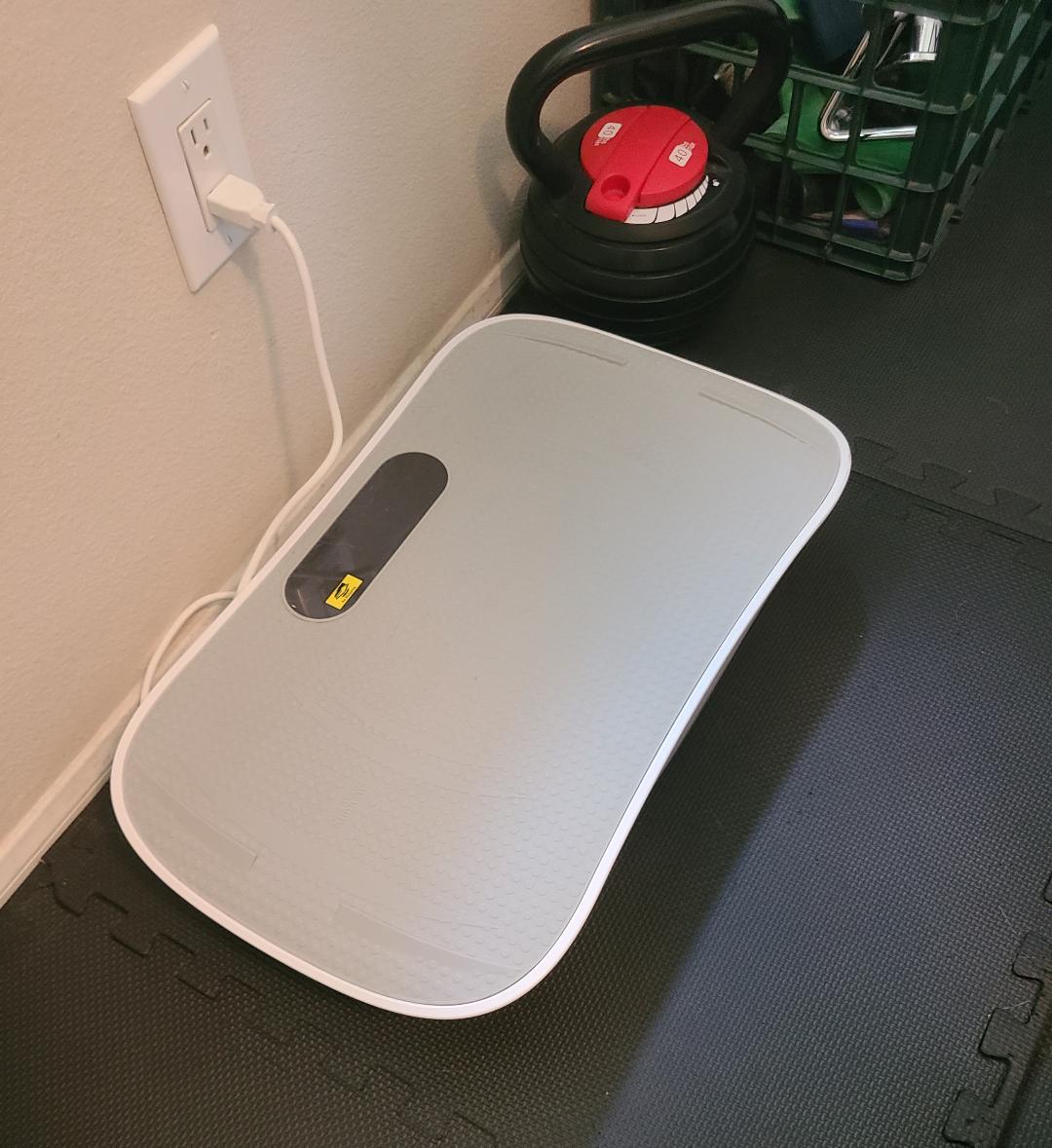
This is the vibration plate I use. There is a link in this article, but I am not being compensated for sharing the link. I truly like it!

Vibration plate therapy, also known as whole-body vibration (WBV), is a fitness and rehabilitation method that involves standing, sitting, or exercising on a machine with a vibrating platform. These vibrations transmit energy to the body, causing muscles to contract and relax dozens of times per second. One of the most appealing aspects of vibration therapy is that it doesn’t require a huge time commitment—even just 10 to 15 minutes a few times a week can offer substantial benefits. I make sure to use my vibration plate for 10 minutes daily, and once a week, I will double my time on the plate.

Key Health Benefits:

1. Improves Muscle Strength and Tone

The rapid muscle contractions stimulated by the vibration plate help build strength and tone. This can be especially helpful for people who find traditional strength training challenging due to joint pain or mobility issues.

2. Boosts Circulation

The vibrations encourage better blood flow, which can enhance oxygen and nutrient delivery throughout the body. This improved circulation supports cardiovascular health and may help reduce swelling in the extremities.

3. Enhances Lymphatic Drainage

The stimulation helps activate the lymphatic system, aiding in the removal of toxins and waste from the body. This can reduce puffiness and support immune function.

4. Increases Bone Density

Regular use has been shown to help maintain or improve bone density, making it a valuable therapy for those at risk of osteoporosis or bone loss—particularly postmenopausal women.

5. Supports Balance and Coordination

By challenging your stability, vibration therapy activates deep core muscles and can enhance proprioception (your sense of body position), which is beneficial for fall prevention and general agility.

6. Aids in Weight Management

While it’s not a calorie-torching workout, WBV can slightly boost metabolism and support fat loss when combined with a healthy lifestyle. It’s often used as a supplement to other forms of exercise.

7. Reduces Muscle Soreness and Aids Recovery

Athletes and physical therapy patients often use vibration plates to reduce delayed-onset muscle soreness (DOMS) and promote faster recovery after strenuous activity. This is the main reason why I bought a vibration plate for my home, and I swear it makes a huge difference in recovery from my workouts.

8. Helps with Joint Pain and Flexibility

The gentle stimulation can increase joint mobility and reduce stiffness, making it an appealing option for people with arthritis or chronic pain.


Minimal Time Commitment, Maximum Results

One of the greatest advantages of vibration plate therapy is how time-efficient it is. Sessions are short—typically 10 to 15 minutes—yet they activate multiple muscle groups simultaneously. This makes it an ideal option for busy individuals, older adults, or those recovering from injury who want a low-impact but effective form of exercise.

Whether you use it as a stand-alone therapy or a complement to a broader fitness routine, vibration plate therapy offers a wide range of benefits in very little time.

What Is Silent Reflux?

Laryngopharyngeal reflux (LPR), sometimes called “silent reflux,” is a condition in which stomach acid or other contents flow backward into the larynx (voice box) and pharynx (throat). Unlike gastroesophageal reflux disease (GERD), LPR often doesn’t cause the classic symptom of heartburn. Instead, it presents with a variety of upper airway and throat symptoms that can be subtle, confusing, and sometimes frightening.

Common Symptoms of LPR:

  • Chronic throat clearing
    A frequent need to clear the throat due to irritation caused by acid or digestive enzymes.
  • Persistent cough
    Especially at night or after eating, the cough may not respond to traditional treatments.
  • Hoarseness or voice changes
    Vocal cords can become inflamed or irritated, leading to a raspy or weak voice, especially in the morning.
  • Globus sensation
    A feeling of a lump, tightness, or something stuck in the throat, even when nothing is there.
  • Postnasal drip or excess mucus
    The body produces mucus in response to irritation, which can feel like it’s collecting in the back of the throat.
  • Difficulty swallowing (dysphagia)
    Swallowing may feel effortful or uncomfortable, and food may seem slow to move down the throat.
  • Sore throat or burning sensation in the throat
    Especially after eating or while lying down.
  • Ear pain or a sensation of fullness
    Acid can irritate the Eustachian tubes or nearby structures, leading to ear discomfort.

Feeling Like You’re Drowning in Your Own Saliva

One of the more distressing and lesser-known symptoms of LPR is excessive saliva production (also called water brash), along with difficulty swallowing and a sensation of choking. This can feel as though saliva is pooling in the throat, leading to:

  • A sensation of choking on saliva
    Because the throat and swallowing reflexes may be disrupted by inflammation, even normal amounts of saliva can feel overwhelming.
  • Difficulty managing secretions
    Some people feel they can’t swallow quickly or completely enough, leading to a constant awareness of saliva in the mouth or throat.
  • Fear of aspiration
    The fear that the saliva or refluxate could “go down the wrong pipe” and enter the lungs, especially when lying down.
  • Shortness of breath or throat tightness
    These may be reflexive responses from the larynx trying to protect the airway, which can exacerbate the sensation of “drowning.”

Why This Happens

Stomach contents, including acid, pepsin, or bile, are not meant to come in contact with the sensitive tissues of the throat and larynx. Even a small amount of reflux reaching these areas can cause inflammation and nerve hypersensitivity. When this happens:

  • The muscles that control swallowing may become uncoordinated.
  • The throat may feel constricted.
  • The body’s natural response is to produce more mucus and saliva to soothe the tissues, which paradoxically makes the feeling of “drowning” worse.

What to Do

If you suspect you have LPR, especially if you’re experiencing this “drowning” sensation, it’s important to:

  • Consult an ENT or gastroenterologist
    They may perform a laryngoscopy or pH monitoring to confirm LPR.
  • Modify diet and lifestyle
    Avoid acidic, spicy, or fatty foods, eat smaller meals, and don’t lie down after eating. However, I will say that even a clean diet which follows these recommendations might not even make a difference at all. This has been the case for me.
  • Elevate the head of the bed
    This reduces nighttime reflux for some people. However, it won’t make any difference for other sufferers (like me).
  • Use supplements if needed
    These may include alginate-based therapies or other substances which create a physical “raft” to block off the backflow. Some physicians may recommend proton pump inhibitors (PPIs) or H2 blockers or allergy medications, but these medications might not have any effect on the condition.

While it’s not dangerous in most cases, the sensation of drowning in your own saliva due to LPR can feel alarming. The good news is that with proper diagnosis and treatment, symptoms can usually be well-managed and greatly improved.

New Pet, Suddenly Allergic?

Image 82105512 (123rf.com)

It’s a really interesting and somewhat frustrating phenomenon when people develop allergies to new pets, even if they’ve lived with pets for years without issue. This just happened to me when I introduced a new kitten into my home. All these years, I had lived peacefully with my pets with no issues, but all it took was one sweet kitten with her dander to spike my allergic response!

There are several factors that could explain sudden allergic responses when a new pet is introduced to the home.

1. Different Allergen Profiles

Each pet produces different types and amounts of allergens. For instance:

  • Cats and Dogs: These animals produce dander (tiny, often invisible flakes of skin) that can trigger allergic reactions. However, not all animals produce the same type or quantity of allergens. A person may have developed tolerance to the specific dander or protein in their existing pets, but a new pet may have a different protein structure that their immune system perceives as a threat.
  • Species Differences: Even between different breeds of dogs or cats, there can be differences in the types of allergens they release. For example, some dog breeds shed less fur or produce different amounts of dander than others. This might explain why someone living with one breed of dog doesn’t experience symptoms, but develops an allergy when adopting a new breed.

2. Immune System Changes

Over time, a person’s immune system can change. Allergies can develop at any age, and the immune system can become sensitized to new allergens at any point in life, even if the person hasn’t had problems before. This might explain why someone who has lived with pets for years can suddenly develop an allergy to a new pet.

  • Delayed Sensitization: It’s possible that the immune system, over time, becomes sensitized to certain proteins present in animal dander, and the person’s immune response triggers once it encounters a threshold. They might not have had a strong reaction to their old pet, but a new pet could have more potent allergens that push the immune system into overdrive.

3. Environmental and Lifestyle Factors

The environment plays a role in how allergens impact someone. If a person moves to a new home or changes their lifestyle, it could increase their exposure to allergens in a way that makes them more likely to develop a reaction.

  • New home, different allergens: If the new pet is introduced into a home with different ventilation, humidity, or dust levels, it could change how allergens accumulate and affect the person. For example, an increase in humidity could make allergens like mold or dust mites more problematic in conjunction with the pet’s dander.
  • Exposure levels: Someone may have had a lower overall exposure to allergens in the past, either due to fewer pets or less contact with them, and the new pet may push that exposure threshold.

4. Cross-Reactivity

There’s a phenomenon called cross-reactivity, where a person who is allergic to one animal might also react to allergens from a different animal. For example:

  • Cat and Dog Allergies: Some people allergic to cats might also react to dogs because the proteins responsible for causing allergies (like Fel d 1 in cats and Can f 1 in dogs) are similar. The immune system can mistake the proteins of a new pet for those of an older one.
  • Rodents, Birds, or Other Pets: People allergic to one type of pet might develop allergies to completely different animals (e.g., developing an allergy to birds after having had no issues with a dog). This is because certain proteins in saliva, fur, or feathers might have structural similarities, confusing the immune system.

5. Type and Age of the New Pet

Young pets (puppies, kittens) often shed more allergens, including fur and dander, than older pets. This could be due to the fact that they have more active skin cells or they may shed more frequently as they grow. So, even if someone was fine with an older pet, a younger one might have more dander circulating in the environment.

6. Sensitivity to Specific Proteins in Pet Saliva or Urine

It’s not just the skin dander that can cause problems. Proteins found in a pet’s saliva or urine can also trigger allergic reactions. For example:

  • Cats and Dogs Licking Fur: Both cats and dogs spread their saliva over their fur when they groom themselves, which means that their saliva proteins get transferred to their fur and skin. If a person has been exposed to the saliva of one pet for a long time without a reaction, the saliva of a new pet could be a different protein altogether, leading to an allergy.

7. Pet Care Products

It’s also worth noting that people might develop sensitivities to products used in caring for pets, such as shampoos, flea treatments, or cleaning supplies. These allergens could cause issues even if someone has lived with other pets without trouble, especially if the new pet is exposed to different brands or types of products.

8. Changes in Body’s Allergic Sensitization

As we age, our immune system changes. A person may have been exposed to the allergens of previous pets without a noticeable allergic response, but their immune system may have become more reactive over time. The introduction of a new pet might be the tipping point.


To sum it up: While someone might not have had issues with existing pets, the combination of new pet dander, proteins, environmental factors, and changes in the immune system can all contribute to the development of an allergy. If this happens, it’s important to consult with a healthcare professional for guidance on managing or alleviating symptoms.

Why Home Gyms Rock

During my most recent visit to Hawaii in May of this year, I went to 24 Hour Fitness to get three workouts, and I was honestly rather disappointed in the experience. This is saying a lot, since I have always loved being in a commercial gym atmosphere. However, I have spent the past 5 years, ever since we were hit with Covid lockdown, primarily working out at home. I have become accustomed to being able to work on any body part I want, with whatever apparatus I need to use, without having to wait for equipment or work in with another human. I don’t have to wear earbuds for my music, and can blast whatever tunes I want without worrying about disturbing other gym goers. I don’t have to get in my car or drive anywhere, and I have 24-hour access without any additional fees. My gym smells nice and fresh, and all the equipment is clean.

Before you ask me if I can get full workouts in my home gym, I will tell you that I have no restrictions on what I can train while at home. I have a Marcy Smith Machine Multi-Gym, 285 pounds of weight plates, over 300 pounds of other weights, pulley assemblies, barbells, kettlebells, a hyperextension bench, incline bench crunch apparatus, etc. Right after I finish my workout, I hop onto a vibration plate for 10 minutes, and watch the squirrels in my neighborhood eat breakfast outside while I am getting my vibration therapy.

It’s home gym over commercial gym for me now!