Please Check Out My Completely Revamped Website!

I am proud and excited to announce that my main website, Staceynaito.com, has been completely revamped, and is live and fully functional! Thanks to Rob Bautista from WebTechno, three of my websites were consolidated into a fantastic main site.

On Staceynaito.com you can:

* Purchase Nutrition and Fitness Plans
* Purchase Contest Prep Packages and Services for competitive bodybuilding events
* Purchase various Fitness Products via direct links to affiliates
* Purchase Hormonal Balance Assessments
* Purchase Autographed 8×10 Images
* Look through the Photo Gallery
* Read more About Me
* Read my Blog

Staceynaito.com

Leaky Gut

food-allergy-leaky-gut-inflammation
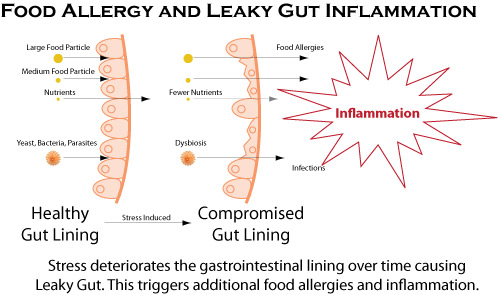
If you suffer from sudden food sensitivities, aching joints, digestive upset, fatigue or weight gain, you may be suffering from leaky gut, which is also referred to as increased intestinal permeability. Leaky gut is characterized by the opening of pores in the small intestine, resulting in undigested food particles, bacteria, and toxins traveling to the bloodstream. The presence of these substances in the bloodstream triggers an immune response, whereby the body builds antibodies to the foreign substances but also attacks itself, creating food allergies and autoimmune disorders.

You are probably wondering how something like this occurs and if you are at risk. Let’s look at the main causative factors leading to leaky gut syndrome:

1. Chronic constipation – If you are usually constipated, toxins will often build up in stool, irritating the intestinal lining and causing inflammation, which then causes the pores in the small intestine to expand. In severe cases, Crohn’s Disease, irritable bowel syndrome,or colitis can occur.

2. Chronic stress – The immune system really takes a beating when subjected to chronic stress. If the immune response is compromised, pathogenic bacteria can cause widespread inflammation in the intestines, and leaky gut is a common result.

3. Dysbiosis – This is an imbalance between beneficial and harmful bacteria which can result from antibiotics or poor diet. Inflammation develops, causing the pores to widen.

4. Toxins – We are exposed to many thousands of toxins, but the worst offenders are found in our water supply, pesticides, and in certain medications.

leaky-gut
What Is The Solution If You Have A Leaky Gut?

I have several dietary recommendations for treating a leaky gut.

1. Glutamine – I am already a big fan of glutamine in general, but especially for those who suffer from leaky gut. This amino acid has specific activity in the intestine, and restores healthy soft tissue in the region. Over time, regular supplementation with glutamine has a protective effect against intestinal disease. I tend to be fairly aggressive with glutamine and recommend 6 to 8 grams per day, or more if you engage in frequent exercise.

2. Fish oil – Try to find a formula which contains primarily omega-3 fatty acids. You can also increase your consumption of salmon.

3. Digestive enzymes – Digestive enzymes will aid in the breakdown of food substances, especially in older individuals and those suffering from leaky gut. Try taking them with every meal.

4. Betaine hydrochloric acid – Some people produce insufficient amounts of hydrochloric acid, which is needed to break down food in the stomach. If that is the case, betaine hydrochloric acid optimizes the process.

5. probiotics – Most individuals will benefit from adding probiotics into their daily regimen. Make sure to take at least 25 billion units per day for optimal gut health.

Are You A Sponsored Athlete Or An Unpaid Salesperson?

Original post can be found here:

http://www.rxmuscle.com/blogs/the-business-fitness-modeling-and-showbiz/11790-are-you-a-sponsored-athlete-or-an-unpaid-salesperson.html

Are you an athlete
Most sports supplement companies and other fitness related companies aggressively promote their products through athletes who can sing the praises of their benefits. Who could be better at describing the efficacy of a product and how it enhances training or recovery than an athlete who not only already uses those types of products, but someone who has a following and who can convince new customers to purchase from the company which they represent?

Here’s where things get problematic. The pool of bodybuilding and fitness athletes is pretty massive, and the waters are teeming with athletes who are anxious to get their so-called “big break”. As a result of this, savvy marketing teams from fitness related companies often sweep up these individuals because they are enthusiastic and can propel a brand’s exposure. All the company needs to do is to offer some free product to the athlete and provide instructions on how to use social media to get the word out that these products exist. Then the athletes post images of themselves holding or using products, and add affiliate codes so that any orders which are generated through that athlete’s post are credited to the athlete. This can be a great way for an athlete to make some extra money while competing or chasing down fitness related gigs and projects.

It is important to bear in mind that such athletes really aren’t sponsored, but are instead unpaid salespeople who provide free advertising and generate sales via social media posts which direct followers to product websites. Yes, they get commissions if they have affiliate codes, but such commissions are nothing to write home about unless someone is really blowing the roof off in sales. This is in stark contrast to a true athlete sponsorship, in which an athlete is paid to represent the brand as a brand ambassador. The sponsored athlete is chosen for his or her physique, performance history and awards, facial good looks, charisma, enthusiasm, and often the size of his or her social media following. Usually a sponsored athlete signs a contract which stipulates that he or she will receive a certain amount of free product, and in most cases will also receive financial compensation which is either paid via a monthly salary or via a contest stipend. Though the athlete usually agrees to a set requirement or recommendation to provide social media posts for the company at regular intervals, the company pays the athlete for his or her trouble. Personal appearances and events are also part of the sponsored athlete agreement and clearly described in the written contract. The sponsored athlete is compensated for use of his or her likeness on advertising materials as well.

Obviously it is a far better deal to become an official sponsored athlete for a company. Otherwise, you are just providing free advertising and cheap labor in exchange for products which are sold at a significant markup from what they are manufactured at. If you post a selfie with product that somehow goes viral, the company will certainly love the boost, but I doubt you will ever see any type of compensation if you aren’t a sponsored athlete, which means you provided your likeness for free. The truth of the matter is that there are only a handful of athlete sponsorships to go around, with a massive surplus of athletes vying for those spots. The athletes who end up getting sponsorships stand out from the crowd in some way, or fit a brand’s look and philosophy so well that it makes sense to bring them on board to represent a brand. The rest of the athletes must navigate through all the companies out there to try to find an arrangement which benefits them in some way. Sometimes it is easy to sell a product, usually because the athlete enjoys using it so much that he or she doesn’t mind providing free advertising or labor.

Sometimes a supplement company will launch a contest which is based on social media posts. One company, which shall remain unnamed, launched a huge campaign this year that was patterned on this idea, and decided to award 5 of the entrants $10,000. Sure, that sounds like a good chunk of change, but if there were 8,000 entrants, then 7,995 walked away with nothing. At the end of the campaign, the company got tons of free advertising and all those hashtags they requested for “tracking” purposes also propelled their brand in a huge way. To be honest, this is a brilliant marketing tactic, but not the best move for the majority of athletes who participated. I have also seen companies launch contests in which entrants must purchase a product, then post on social media with hashtags to enter the contest. This is another form of free advertising for the company, a great way to generate sales, a brilliant means for them to boost exposure, and yet another way for athletes to be suckered into doing free advertising. I don’t see much harm in taking part in such a contest if you truly love a product and want to proclaim it, but just remember that it works wonders as an advertising tool for the company without any benefit for you.

One thing I will never advocate is purchasing products, even at a steep discount, while also representing a brand as one of its “sponsored” athletes. If you are asked to pay for a product while also providing free advertising on social media channels, run quickly in the other direction! Basically you are dealing with a company which doesn’t value you enough as an athlete to provide compensation for your advertising efforts. This isn’t the same as purchasing a product, finding out you like it, THEN posting something on social media which lets people know how much you like it. I know of several athletes who had done this, which sparked the attention of the company which manufactured the product, eventually leading to a sponsorship deal. But do not, I repeat, DO NOT PAY for products as a way to get false sponsorship for a company.

It isn’t a bad thing to work as an unpaid salesperson in the fitness industry as long as you know your place and value. Once your following builds, the smart thing to do is to leverage your visibility into getting an athlete sponsorship. The main thing is to make sure that you don’t get taken advantage of in the process.

Your Health Is Everything

health-is-everything

You’ve probably heard the saying, “If you haven’t got your health, then you haven’t got anything”, and it’s so true. Even something as benign as the common cold can flatten you out, robbing you of energy and motivation. So imagine if you had to contend with something more ominous, like heart disease, diabetes, or cancer. Illness can rob you of everything which you hold dear in your life.

There are some folks who will snicker when someone like me admonishes them for their unhealthy habits. They’ll sometimes even indicate that they welcome any insults to their health, and essentially dare fate to touch them with illness. That attitude quickly disappears when one of these people gets a health scare, or worse yet, a devastating medical diagnosis. If you are throwing caution to the wind, thinking that your unhealthy habits won’t catch up to you, you need to wake up. It’s that kind of attitude which can doom you to a great deal of suffering and an earlier death than you had anticipated.

Look seriously at all your unhealthy habits, and resolve to abandon them.

If you smoke, then quit.
If you are in the habit of drinking alcohol every night, dial down your consumption.
If you consume sugary treats, processed foods, and fast food, replace those selections with clean, whole foods.
If you rarely get adequate sleep each night, make sure to re-pattern your nighttime regimen so that you go to sleep at a decent hour.
If you deal with a lot of stress, then incorporate stress-reducing activities like meditation into your life.

Your health is no laughing matter. Don’t be in denial about it!

Sit Up Straight!

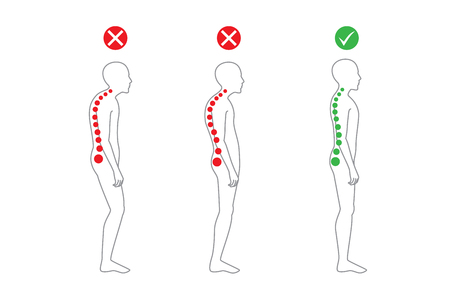
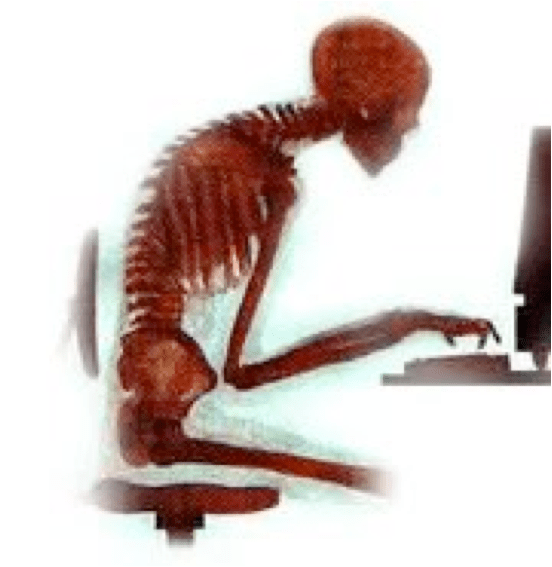
If you have a tendency to slouch in your seat, you need to pay attention! Poor posture has detrimental effects not only on the body, but also on one’s mood and general attitude.

Poor posture causes muscles in our neck and upper back to become overstretched, while causing other neck muscles and muscles in our torso and between our ribs to become cramped and overstimulated. The muscles in our chest become dominant, and pull our shoulders and upper arms inward and forward when we habitually adopt a stooped posture. This position puts a tremendous load on the diaphragm, and respiration suffers as a result. Even digestion becomes sluggish because the body cannot properly oxygenate and blood cannot circulate as well.

Poor posture can negatively impact your emotional state and confidence, not to mention how others perceive you. If you’re slouching right now, think of how you feel emotionally, mentally. Are you down, depressed? Now sit up straight and take a couple of nice, deep breaths. You should notice an immediate shift in attitude and mood.

Proper spinal alignment also has a positive effect on hormone levels. One Harvard study revealed that an erect posture, with shoulders back and spines nice and straight correlated with a 20 percent increase in testosterone levels and a 25 percent decrease in cortisol levels, while subjects who slouched experienced a 10 percent decrease in circulating testosterone levels and a 15 increase in cortisol.

Lastly, the way you carry yourself has immense bearing on how others perceive you. If you meet someone whose shoulders are pulled forward, your impression may be that the person isn’t the most motivated or energetic you’ve met. Yet if that person had a nice upright stance, with shoulders pulled down and back, your impression would probably be very different.

With some conscious effort, you can correct a hunched posture. Try this stretch at least a couple of times each day, and you will slowly begin to notice a correction in your posture. This is great for resetting the brain and creating more awareness of how you carry your body throughout the day.


AGAINST THE WALL

Stand with your back to a wall, feet together with heels touching wall, and arms hanging at your sides. Relax your shoulders, then pull them back so that they make contact with the wall. Stand in this position for 30 to 60 seconds, taking slow, deep breaths.
When you are ready to step away from the wall, keep your shoulders in the same position. Be aware of how you are breathing, and how your back feels when your shoulders are kept back
.

poor-posture

Progesterone and Stress

We all know that constant stress can play havoc with our health and well being. In this post I will focus on the effects of excessive stress on progesterone levels.

Progesterone is produced in the ovaries, the adrenal glands, and in the placentas of pregnant women. It has a calming effect, is a natural diuretic, regulates menstrual cycles, and prepares the body for conception and pregnancy. Some women can experience excessive levels of progesterone, which usually produces symptoms of PMS, but in general, progesterone is a vital and beneficial hormone.

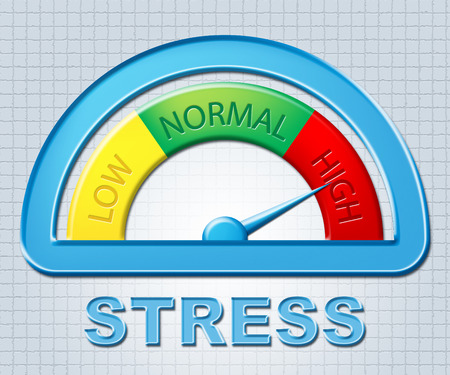
Let’s examine what happens to progesterone if you are a woman under constant and chronic stress. When the body is pummeled with endless stress, the adrenal glands simply cannot keep up with the demand for more cortisol, so they convert more pregnenolone into cortisol to make up for the deficit. However, this has devastating effects on progesterone levels, since progesterone is also synthesized from pregnenolone. Basically, a woman who deals with excessive amounts of stress not only overtaxes her adrenal glands, but progesterone concentration also drops to a precipitously low level. So that calming, diuretic effect of progesterone falls away, and menstrual cycles become erratic or periods cease altogether. Sounds like fun, huh?

I cam tell you that running on an empty tank of progesterone is no fun at all. You retain water, you get irritable and cranky, and you lose your ability to navigate calmly through stressful situations. If you depend on a regular menstrual cycle as a reassurance that all is right with the world, then living with the mystery of whether or when you might have a period can be maddening. I found out during perimenopause that I actually WANTED a period, and I thought I would never feel that way.

I began retaining water like crazy after attaining IFBB Pro Status last July, and I knew something just wasn’t right. I didn’t feel like I was in my own body, as strange as it sounds. I began flailing, and went through a rebound which was disturbing and unexpected. My emotional barometer was all over the place, and I couldn’t get out of the funk that I was in. Gaining eight pounds (which is considerable for me), most of which was water weight, made me even more depressed.

Another completely irritating set of symptoms which suddenly popped up at the end of January 2015, and which persisted every single night is that I would wake up at around 4 a.m., completely drenched in sweat and with a sensation which could best be described as being lit on fire from the inside. I would throw the covers off and quickly disrobe, then rather quickly fall asleep, only to awaken about 30 minutes later, shivering and pulling the covers over me.

The nightmare finally subsided to a great extent once I began replenishing my body with bioidentical progesterone in late February 2015. Though I still retained a bit of water for several months, my weight returned to a reasonable 120 pounds, versus the 125 I had been at in the Fall of 2014, my hot and cold episodes subsided, I felt much calmer, and more like myself. Now that I have been on bioidentical progesterone for two years, I have maintained balance and feel infinitely better.

Had I removed the stressors that I had some control over, I am firmly convinced I would not have bottomed out with my progesterone levels like I did. Even if I had engaged in meditation more regularly a couple of years ago, I think I could have saved my progesterone levels from bottoming out. Trust me when I say that progesterone depletion can be incredibly disruptive and upsetting. And don’t think for a second that this is only a problem which women past the age of 45 deal with. I have come across female patients as young as 32 who had almost no progesterone in their lab tests.

If you do one thing to improve your health, please reduce your stress! You can do this by removing the stressors that you have some control over, performing breathing exercises, tai chi, yoga, and meditation, enjoy time with friends, loved ones and pets more often, and letting go of anxiety and worry.

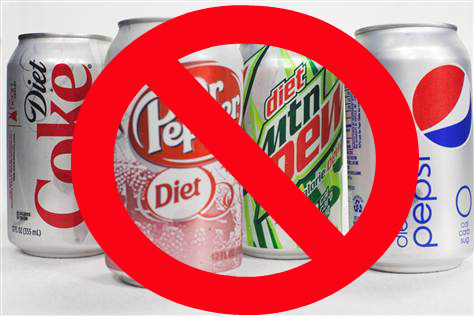
Are Diet Sodas Really That Bad?

no-diet-soda

Diet soda is often consumed by people who either want to lose weight, or maintain a normal weight. The ironic thing is that diet sodas actually increase a person’s chances of becoming overweight, by tricking the body into thinking it’s actually consuming sugar, which increases food cravings. A study conducted at the University of Texas discovered that consumption of two or more cans of diet soda daily caused increased waistline girth in subjects studied.

The main reason why diet sodas have damaging effects on the body is because they contain artificial sweeteners. The vast majority of diet sodas on the market contain either aspartame or sucralose. Aspartame has been linked to cognitive decline, mood swings, depression, dizziness and migraines, while sucralose has a negative impact on insulin sensitivity and gut health.

Even just drinking one can of diet soda each day can increase the risk of metabolic syndrome (diabetes, heart disease, and risk for stroke) by close to 40 percent. Diet soda also impairs kidney function. A Harvard study followed 3,000 female subjects who drank diet sodas, and found that those who drank more than two sodas each day had impaired kidney function.

As if that wasn’t enough, diet sodas cause damage at the cellular level, as well as erode tooth enamel. This is due to the very acidic nature of diet soda, which has a pH of 3.2. Chemicals such as sodium benzoate and potassium benzoate are added to inhibit the acidic quality of the soft drink, but these chemicals cause damage in mitochondrial DNA in our cells, and have been linked to numerous allergies and asthma in some subjects.

Lastly, most cans which house diet sodas are coated with bisphenol-A (BPA), which has a strong correlation with development of heart disease and reproductive issues.

If you absolutely can’t give up diet sodas entirely, wean yourself off of them gradually. After you have kicked the daily diet soda habit, you can incorporate a diet soda called Zevia, which does not contain aspartame or sucralose, into your diet.

Love Scenes

Depending on the typecasting which exists for an actor, kissing scenes or sex scenes may be a regular part of the mix. This can throw a wrench in relationships, and in some cases, result in their demise.

Performance kissing and lovemaking (or straight up nasty fucking, excuse the expression) has to look convincing and appealing. Many actors have stated that kissing and sex scenes for the film camera, television camera, or stage are rather different from regular intimate interactions. However, the intimate acts which actors must perform are still exactly that, intimate. It’s important for actors to build up some sort of relationship with their fellow actors prior to such scenes. And though the intimate act (be it a kiss, a fondle, or a full-on sexual act) must be performed in front of the entire crew, it’s still a shared moment which would make most people blush and squirm from the awkwardness.

I am also aware of the fact that actors might not be attracted to the other actor (s) in the scene, and that they might not even be the gender to which the actor finds him or herself attracted. Yet, as the saying goes, the show must go on. Then again, they may indeed be physically attracted to their co-stars. I have heard actors admit that they get an enjoyment, a charge, out of performing an intimate scene, because there is an exchange of energy between the actors, and the artistic process is in full force.

In addition, the actors must make the scene believable, which means the passion, the lust, the hunger, must all be generated from the actors’ past experiences. It’s all part of getting into character. So in that sense, the feelings are genuine. The question I have, though, is how fair is it to say that the character is the one in the midst of the embrace, and not the actor who is performing it? To me, that sounds like a cop-out. As someone who has had to endure a partner performing such scenes, I cannot accept the rationale that the actor is not the one engaged in the activity, and that because it’s acting, it’s perfectly acceptable. Call me a prude, call me narrow-minded, but the thought of my man swapping spit, grabbing an actress by the breast or ass, or grinding up against another human in the act of feigned copulation, quite frankly makes me sick to my stomach.

Actors will often offer this rebuttal: “It’s ACTING, it’s my job. It’s what I have to do. It’s my normal.”

It’s just work? Yeah, so is stripping. And porn. And prostitution.

And what about the feelings of insecurity and jealousy which I believe would and should naturally spark in an actor’s mate? If a partner cannot seem to adjust or accept the intimate performances which an actor may be called on to perform, is that partner being unfair? What about how the actor approaches his or her partner with the news that a liplock, a bump and grind, or nudity will be required for a scene? Does an actor have the right to wave the flag of “creative license” in the face of his or her boyfriend/girlfriend/spouse?

I’ll tell you this much: the idea of my man’s lips, tongue, hands, body on another actor bugs me to no end. Such activities are private, intimate interactions, and my strong belief is that they should NOT be shared with anyone else, even during an acting scene which is supposedly an artistic expression and completely make-believe. Pheromones are released during a romantic kiss, and can’t be avoided. And quite frankly, there have been enough stories about actors hooking up off the set because they discovered that there was a sexual or romantic connection, one that might be worth jeopardizing an existing relationship for.

The only other industries which require intimate encounters between humans are stripping, porn and prostitution. Perhaps the actions don’t have the same meaning as they do when the working individual is with his or her real-life love interest, but the activities are still very much occurring. Yes, I know those of you who are actors want to debate this, especially since you only feign sexual encounters. However, no other industry besides the ones I have previously mentioned even approaches the compromising positions and intimate encounters which acting does. For actors to be called upon to kiss, fondle and grind up against others, and to expect their mates to be completely okay with it just seems like the ultimate double standard, and I am not afraid to say that I find the whole thing rather unreasonable.

Here are a few admissions from actors which I found online:

“And when I kiss a woman, in my head, I WANT HER. I committed to whatever I was playing fully. This doesn’t mean I wasn’t professional and respectful, but as a young man making out with a young women (sic), I was thinking, THIS IS AWESOME!”

“Most of the answers here are very much along the lines of ‘it’s just a job’
However, I am what is often described as a method actress. I will look at my scene partner and think about what it would be like to kiss him, touch him, what he would look like naked, what he would do to me if we were alone, those sorts of sexy things. And also if we are working together for more than a day or so, I do tend to get a bit of a crush on my scene partner for a while. It goes away and I’ve never acted on those feelings.”

“It’s like running in the rain. There’s a certain point when you go, ‘[Expletive] it, I’m already wet. I’m not going to get any less wet, so I might as well just enjoy how this feels.’ I mean, sure, there’s awkwardness about being in a weird flesh-colored thong, bouncing on top of an actress. I am not a small human being. I weigh at least 200 pounds and I’m six-foot-two. And Wiig is a twig; she’s a skinny little thing. It’s weird and uncomfortable at first, but then all the awkwardness melts away and you think, All right, we’re doing this, so let’s have fun with it. You know what I mean? You’re in that moment and it’s happening and it’s not going to get any better, so you might as well enjoy it.” — Jon Hamm, on Bridesmaids

For more interesting quotes from celebrities regarding filming sex scenes, you can click on the link here:

http://www.cosmopolitan.com/entertainment/celebs/a31833/celebrity-quotes-about-filming-sex-scenes/
Kick A Foot Or Leg Out

Many of you are already aware of the “one leg out” sleeping position, in which one leg is hooked over the covers, while the other leg remains nestled under them. This clever approach to cooling the body down during sleep actually has a scientific basis.
The body prepares for sleep by dropping its core temperature, and in the deepest stages of sleep, body temperature actually dips a couple of degrees below normal. This is part of the natural physiology of slumber. Even some of the pre-bedtime rituals which some people adopt, such as taking a warm bath or drinking a cup of hot herbal tea, cause the body temperature to cool rapidly, priming it for sleep.

When we uncover our feet but keep the rest of our bodies snug under the bedclothes, or we swing one leg over the covers, we enable the blood vessels of the feet to dissipate body heat and keep us cool, which further supports restful sleep. Besides, who enjoys sweating while trying to sleep?

Some scientists even recommend keeping feet uncovered while sleeping at night, especially if you are sleeping next to a partner or pets (those of you who have pets know that they often sleep ON you). Another tip is to keep your bedroom temperature between 60 and 68 degrees, so if you are in the habit of cranking up the heat to keep your home warm and cozy, you might want to drop the thermostat setting at night while you sleep.

What Do You Take For Granted?

_cpr0320

Chances are that you probably take many things in your life for granted. For example, you probably take for granted that you will wake up to face another morning. You may take for granted that you have job security or financial security. You may take your good health for granted, or you may have resigned yourself to sub-optimal health while taking for granted that you will somehow overcome the inevitable consequence of poorly managed illness. You may take your relationship or marriage for granted, assuming that because you have a partner whom you love and who presumably loves you back, you will never be alone or have to struggle with being single again. You may take for granted that your home is completely safe from violence, thieves, or natural disasters.

Never, EVER take anything you have in your life for granted. Anything can be stripped away from you in a heartbeat. The saying, “hope for the best, but prepare for the worst” has some utility in reminding us to pay attention and take steps to ensure our comfort, our safety, our health, our sanity. Nothing we have is permanent. It’s all on loan until we move on from this physical realm.

I know this sounds depressing, but it isn’t meant to be. It is simply a reminder to pay attention to what you are blessed with, to appreciate it, and to realize that just because you enjoy it and it has given you comfort or joy, doesn’t mean that it will last. Don’t count on it. Live every day as if it was your last.