When Your Joints Rebel: How To Modify Your Lifting Regimen So You Can Train With Joint Issues

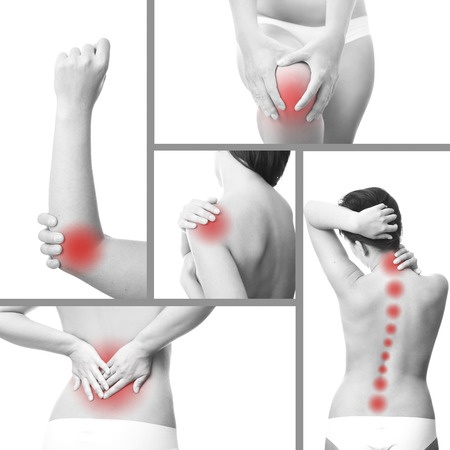
You are a beast in the gym…that is, until a joint injury or flare-up from arthritis, bursitis or sprain threatens to deflate your motivation as a result of the pain. While it is always important to take preventative measures to protect the joints, such as warming up the surrounding soft tissues properly, using proper form during exercises, and taking supplements which promote joint health, there may be times when joint discomfort is so significant that a little TLC needs to be added to the regimen. The recommendation of complete rest usually falls on deaf ears when a fitness fanatic is the one suffering from joint woes, because the general mindset for such an individual is to push through the pain and continue training. However, in most cases, the pain and inflammation will throw a wrench in the works by adversely affecting range of motion and strength. As long as the joint pain isn’t severe, and is not caused by direct, acute injury to the joint, exercises can usually be modified to alleviate load stress on the affected area.

There are a number of exercise modifications which can be made to weightlifting exercises to minimize the loading on affected joints while still effectively training surrounding muscle groups. Bear in mind that you might not be able to perform certain exercises at all, even with a modified grip or stance. The most important thing is to pay attention to your body and stop doing anything which exacerbates the joint discomfort.

SAVE YOUR SHOULDERS AND ARMS

Since shoulder joint issues are relatively common, most of the suggestions made in this article for exercise modifications for the upper body will take this into account. Depending on the degree and location of shoulder pain, you might still be able to perform shoulder presses, but do not perform them behind the neck as they can cause impingement. Incidentally, you will also need to avoid pulling the bar behind your head when doing lat pulldowns. To perform overhead presses, use a straight bar with a grip slightly wider than shoulder width apart, or use dumbbells, and use a light weight. Another exercise which should be modified when shoulder pain is an issue is the bench press. Chest presses should be avoided on an incline bench due to increased abduction and a corresponding increased shear stress and strain on the glenohumeral joint.

Shoulder joint pain can also interfere with lower body barbell exercises like the back squat and lunges. Since the barbell must be stabilized across the back, the shoulder must remain in an externally rotated and abducted position. Even barbell deadlifts force the shoulder into a gravitational load in extension which can be enough to aggravate shoulder joint issues if a heavy weight is used. Modifications to these exercises include performing front squats while holding onto a kettlebell or dumbbell, and switching to dumbbells when performing lunges and deadlifts.

Most cases of shoulder pain from joint instability or arthritis can make it impossible to perform a plank for an extended period of time due to the superior-posterior stress across the shoulder joint complex, but this is easily remedied by modifying the plank so that you rest on your forearms instead of your hands, thus shortening the lever arm and decreasing the stress load.

If you have issues with your elbows, it is wise to avoid pullups, pushups, mountain climbers, overhead tricep extensions and planks, but bicep curls may also be difficult to do, especially as you supinate and flex the elbow. The elbow joint is a tricky one to train around, and the best approach is to completely avoid any direct movements which involve the elbow flexors if the pain is severe. If the pain is minimal, regular dumbbell bicep curls, hammer curls and cable tricep extensions can be performed with light weights. Using a false grip on dumbbells (in which the thumb is not engaged in opposition around the bar), using a cuff around the arm with a cable assembly, or switching to weight plates with a neutral (palms in) grip can also be helpful in minimizing the strain on the elbow stabilizers during delt training routines.

Wrist pain can often be eradicated by using lifting gloves which have wrist support to counteract some of the stress. Since bench dips can aggravate sore wrists, they should be avoided and replaced with cable tricep extensions, which can be performed without extending the wrist. Traditional pushups also force the wrists into a hyperextended position, but a simple switch in hand position, in which the fingers point out to the sides, with hands at least shoulder width apart, will minimize joint stress during the down phase of the movement.

WEIGHT BEARING JOINTS

If you have issues with the joints in your lower extremities (hips, knees, ankles, feet), ballistic movements, such as the ones performed in plyometrics and calisthenics, should be avoided. Unfortunately, exercises which are considered staples in a weightlifter’s regimen, such as squats, lunges and leg presses, can also wreak havoc on achy hips and creaky knees, especially if poor form and heavy weights are used. It’s best to trade these in, at least for a while, and instead turn to leg lifts on all fours, wall sits, front leg raises against a wall, and single leg deadlifts, all of which decrease the load on the hips and knees while still providing good isolation.

Since ankles and feet take the brunt of weight bearing, they should be babied when flare-ups occur, which means that calf raises, leg presses, and squats should be avoided and replaced with moves which do not require excessive joint motion under a loading force. Foot stance should be maintained at shoulder width to maintain the ankle position in a neutral plane and avoid any inversion or eversion. Mat exercises are also an excellent alternative to hardcore standard weight machines when dealing with joint flare-ups in the ankle or foot.

OHHHHH MY BACK

The incidence of low back pain is extremely high, especially among fitness devotees. Since it is usually triggered by extreme positions of flexion or extension, something as simple as standing with your heels on two weight plates and dropping the amount of weight lifted can be enough to maintain a more upright position and avoid the excessive lumbar flexion often seen with back squats. Another modification which spares the low back as well as the knee is performing Bulgarian squats, which keep the upper body in a vertical plane.

If you experience joint pain in your neck or upper back, you should avoid exercises mentioned earlier such as behind the head lat pulldowns and military presses, both of which cause excessive flexion in the cervical spine. In some cases, you will need to omit exercises which involve the use of a barbell behind the neck since this type of load increases flexion stress. You can modify these movements by using dumbbells or by switching to a machine, for example, switching from barbell squats to hack squats.

The most important thing to remember is to listen to your body and stop any movement if you feel sudden pain. By training wisely and making necessary modifications while your joints are inflamed, you will be able to bypass injury and continue to make gains at the gym.

New Vino D. Shootout Locations

Vino Darius Calloway has outdone himself again, with new shoot locations for the Vino D. Utah Shootout for next June! I had the opportunity to shoot at these new locations last month, so I wanted to provide the models with some tips on how to prepare for them.

INFINITE TATTOO AND ART GALLERY:

This awesome location is in downtown Ogden, which is about an hour away from Park City. It’s a great place to shoot in if the weather doesn’t cooperate, and most of the shoot locations are inside the building. Infinite Tattoo and Art Gallery is a tattoo parlor, an art gallery, and a barber shop, and is filled with great furniture, art pieces, and outdoor murals. There is a lot of red and burgundy in this establishment, so colors which pop against red tones work best in this location. If Vino chooses this location, you will most likely leave the house late, perhaps around 3 pm, since you would be able to shoot until around 9 pm during the summer.

MOAB:

Moab was an amazing find, and though it is quite far from Park City, it is well worth the long drive. Moab is a four hour trek from Park City, situated in the southeast border of Utah, and is blessed with the warmest temperatures, making it a great shoot location if mother nature decides to fling some cold weather and wicked wind around Utah. Prepare to leave the house around noon. Once wrapped at this location, you ladies won’t return to the house until 1 am or later! Be sure to pack food for this long trip. Restroom facilities are VERY scarce in Moab, so be prepared to wrap a beach towel around you and find a bush to crouch behind to do your business. I always recommend carrying some tissue or a roll of toilet paper with you for those situations.

Shot at Infinite Tattoo and Art Gallery

Moab has some beautiful spots to shoot in, with panoramic canyon views, but the silt is slippery, there are rocks, twigs and brambles everywhere, and broken glass also litters some spots. For these reasons, it is imperative that you wear rubber-soled shoes or aqua shoes while climbing around in those areas! Keep your eyes open for any broken glass, and hold on to sturdy branches while climbing up and down the embankments.

You might be thinking that it would be better to avoid drinking any fluids, just so you can minimize your restroom breaks, but with the hot weather, you should hydrate throughout the day. Bring water with you to drink while traveling in the van. Every day that I was in Utah for the 2017 Shootout, I drank close to a gallon of water. My skin looked great as a result, and I didn’t have any issues with belly bloat.

It’s also a good idea to carry some extra water which you can use to rinse your feet and legs when at Moab, Salt Flats or Little Sahara.

Moab, Salt Flats, Little Sahara and the marina can get VERY windy. If you have long hair, I recommend shooting so that you are facing the oncoming wind. This way, you’ll avoid having your hair whip in your face and ruin the shots. I also recommend putting your hair in a very durable style, such as crimped waves which won’t unravel when the wind blows. Use a good setting spray to hold your hairstyle in place.

The sun’s rays can be brutal on location, so make sure you slather on sunblock, and use sunglasses to shield your eyes from the sun. If you shoot without sunglasses, and you have difficulty with squinting while facing the sun, close your eyes and have the photographer count to three, then open your eyes for the shot.

My Experience With Food Intolerance

Before I began competing in 2009, I could pretty much eat whatever I wanted without any digestive or reactive consequence. All that changed by the time I earned my IFBB Pro Card in 2013, when I developed a number of food intolerances which forced me to change the way I ate and what I consumed. It was so bizarre for me to mount reactions to healthy foods which had never caused an issue in the past. During one particular contest prep regimen, I began to notice that every single time I ate broccoli, I would get severe abdominal cramps and a headache which persisted for an entire day (now they last for 3-5 days if I am stupid enough to eat even one small floret). I honestly believe that the extreme and repetitive meal plans which I consumed while competing were major factors in the development of my food intolerance issues.

I retired from competing in June of 2014, yet I developed even more food issues. I noticed that other foods were aggravating my gut, my skin, my head and my mood, so I decided to eliminate them. In January of 2015, I had an ALCAT food intolerance test, and discovered that broccoli on the list of offending foods for me. I also had SEVERE gluten intolerance, as well as intolerance to coconut, flaxseed, mangoes, casein, blueberries, and a number of other foods which are considered healthy. In an effort to allow my body to calm down, I eliminated every food which I had any intolerance to (there were about 30 foods) for close to a year. To this day, I am very careful about the foods which my body rejects, and keep my exposure to a minimum.

I will allow myself to have blueberries, coconut, mango, lobster, cashews, bison, and spinach on rare occasion, and have noticed no reactions. However, I mount strong reactions to other foods and food combinations. For example, within two consecutive days of eating flaxseed, I develop one or two deep, painful, cystic pimples on my face which will not resolve until I stop eating flaxseed. When I eat gluten, I become irritable and emotional, I get headaches, my belly aches, and I don’t sleep well. Of course I didn’t know that this was the case until I did an elimination diet and gradually began feeling better, then tried eating gluten after many months of avoiding it. Every time I ingest gluten containing foods, I notice symptoms which can be mild or severe depending on the food and the quantity eaten. Pizza is VERY dangerous for me now, so if I am faced with the prospect of eating the cheesy, gluten filled meal, I have to take a Glutagest (which breaks down gluten in the food eaten) if I want to avoid the ugly consequences of allowing gluten to enter my body. The combination of pizza and wine is even worse. I might as well forget about functioning like a normal person for a couple of days if I dare to consume this food and drink duo.

I agree that the whole gluten-free trend has gotten a little out of hand, but I also strongly believe that there are many people walking around with gluten intolerance and other food intolerances who have no idea that the foods they are consuming are affecting their health and well-being. I have personally benefitted from going gluten free and avoiding foods my body rejects, and have been rewarded with more luminous skin, thicker hair, better digestion, better overall mood and energy, and much better sleep.

If you suspect that you have food intolerance, try eliminating the suspect food to see if it makes a difference. Trust your body’s signals. And if you want to get a food intolerance test, check out ALCAT.com and Everlywell.com for the kits they offer.

Do You Have Food Intolerance?

What Is Food Intolerance?

Have you ever noticed that when you eat a certain food, such as tuna, blueberries, avocado, asparagus or broccoli, that you get extremely bloated to the point that you are extremely uncomfortable? Since the foods I mentioned are celebrated for their many nutritional benefits, it might not occur to you that you most likely have an intolerance to that food. Up to 80% of the U.S. population has some form of food intolerance.

Most people are aware of food allergies, but food intolerance is a different phenomenon which can have a tremendous effect on a person’s quality of life. Food allergies appear quite suddenly, from seconds to minutes after ingestion of the offending food, and can be life-threatening, whereas food intolerance is a more gradual process (taking hours to a couple of days for symptoms to emerge), not life-threatening, and may only occur after a large amount of the food is eaten. Food allergies and food intolerance can both cause similar symptoms, such as abdominal pain, nausea, and diarrhea, but food intolerance is notorious for causing bloating, heartburn, irritability, headaches and general malaise. The most common food allergy triggers are peanuts, tree nuts, shellfish, fish, soy, wheat, milk and eggs, while the foods most commonly associated with food intolerance are dairy products, gluten-containing grains, eggs, citrus, beans, cabbage, and broccoli.

People who are allergic to certain foods know that even a small amount of the food can trigger an allergic response, and the response occurs every single time the person is exposed. The immune system reacts to the food by causing a release of IgE antibodies, which then cause a release of histamines and cytokines designed to attack the offending agent. Sometimes the entire body is affected by this response, and symptoms such as shortness of breath, hives, rash, or a sudden drop in blood pressure can occur. Food intolerance, in contrast, is more insidious, and may only occur if a large amount of the triggering food is eaten or if it is consumed frequently. Trigger foods will cause a rise in IgA, IgG, and IgM antibodies, causing the body to mount a delayed reaction which is characterized by mostly gastrointestinal symptoms, but which can cause other symptoms as well. Regardless of how the body reacts, the discomfort caused by poor digestion of the food can be enough to make the sufferer miserable.

Why does food intolerance occur? There are several explanations. One cause is enzyme deficiency. All enzymes are specific to one type of molecule, such as lipases which break down fats. Sometimes an individual can be deficient or completely lacking in a very specific enzyme which is required for digestion of a particular food. A common example is found in lactose intolerant individuals who do not have enough lactase to break down the milk sugars into their constituent parts for absorption in the intestine. The lactose cannot be broken down so it sits in the intestine, causing bloating, spasm and diarrhea when it sits in the digestive tract. Approximately 25% of the U.S. population suffers from lactose intolerance, which amounts to a lot of bloated bellies from the consumption of dairy products.

Another common type of food intolerance is to gluten. Gluten is highly resistant to digestion as it is, and in some individuals, the gluten cannot be broken down at all. The problem with gluten is that it is found in wheat, rye, barley, spelt and kamut, so avoiding gluten can be challenging to say the least. Approximately 1% of the U.S. population has celiac disease, while about 15% have gluten intolerance. Regardless of whether someone has celiac disease or gluten intolerance, ALL gluten must be avoided. However, if there are occasions in which completely avoiding gluten is impossible, digestive enzymes, specifically DPP-IV, can help individuals to digest meals containing gluten.

The list of substances which people may have an intolerance to doesn’t stop there. Some individuals cannot break down phenols, including salicylates, due to insufficient amounts of xylanase, and suffer from behavioral and learning disorders, including ADHD and autism. Some individuals are unable to break down disaccharides, an intolerance which is closely linked to irritable bowel disease, ulcerative colitis, Candida overgrowth and autism. As if all that wasn’t enough to worry about, there are chemical substances in foods which can spark intolerance, such as caffeine, aflatoxins in undercooked beans, amines in cheeses, artificial colorings and flavorings, preservatives, sweeteners, emulsifiers, nitrates, MSG, sulfites and salicylates. Salicylate intolerance can cause a susceptible individual to react to large amounts of salicylate-containing foods, particularly citrus fruits, teas, mint flavoring, berries and processed foods with flavor additives.

The digestive tract regularly takes the brunt of foods, medications, hormones, and chemical additives which can interfere with repair of the gut lining, causing increased intestinal permeability which is more commonly known as leaky gut. Leaky gut is characterized by the loosening of tight junctions between the cells which line the gut, thus allowing food molecules to pass through. These free floating food molecules are viewed by the immune system as a threat and will mount an immune response which manifests as the signs and symptoms of food intolerance. Think of all that food sitting in the gut, undigested. Pretty unnerving, huh?

How To Diagnose Food Intolerance

Diagnosing food intolerance can be extremely difficult since the signs and symptoms often mimic those of food allergy. One method of ferreting out which foods are involved in a food intolerance is keeping a food diary in which all foods eaten are recorded, along with symptoms and their time of onset. After suspected trigger foods have been determined, an exclusion diet can be implemented, in which those foods are removed from the diet for weeks to months. If the symptoms disappear during the exclusion phase, potential trigger foods can be re-introduced after this phase is completed in order to determine which substances are problematic. If the food intolerance is mild, a small amount of the food will not trigger symptoms, and in many cases may still be consumed, especially if enzymes are taken to aid in digestion. Essentially, many people can return to foods which they were mildly or even moderately intolerant of after avoiding it for a period of time.

Blood testing is considered the most reliable and comprehensive form of testing for food intolerance, but there are only a few laboratories which specialize in this type of test. ALCAT, Pinnertest.com and HEMOCODE Food Intolerance System are laboratories which offer food intolerance testing via serum analysis, with ALCAT considered the largest food intolerance testing group in the U.S. We offer ALCAT testing at the facility where I work (Urban Med) because it is considered the gold standard method for laboratory identification of non-IgG-mediated reactions to foods, chemicals, and environmental triggers. Some insurance plans will cover part or all of the expense of the testing, so it is always worth inquiring about insurance coverage, especially since these panels run from $675 to $850. Here’s the thing: though the testing is pricey, it is very specific. In addition, you get a detailed rotation diet for reintroduction of the foods which you have intolerance to after you have eliminated them for the recommended period (3 months for moderate intolerant foods, 6 months for severe intolerant foods).

Anti-Inflammatory Meds and Muscle Growth

NOTE: This was originally written for Oxygen Mag digital version.

There has been a heated debate over many years within the bodybuilding community about whether anti-inflammatory medications like ibuprofen (Advil, Motrin) and naproxen sodium hinder muscle growth. These medications inhibit the synthesis of prostaglandins, which also play a role in muscle synthesis. All it took was one clinical study published in the Journal of Clinical Endocrinology and Metabolism to put bodybuilders into a panic about reduced protein synthesis, and it didn’t matter that such results were found in laboratory rats. While there is some evidence to suggest that the anabolic signal is shut off when anti-inflammatories circulate in the bloodstream, nothing is absolutely conclusive, and what might be seen in the rat model might not necessarily be the case for humans.

While I will never advocate chronic use of painkillers and anti-inflammatory agents, I think they definitely serve a purpose when acute injury is present. When I find myself in the middle of disputes with bodybuilders who INSIST that a few days on such medications will completely destroy all their efforts in the gym, I simply shake my head in frustration. If you are injured and your lifting is adversely affected by the injury, whether it be a muscle strain, a ligament tear, or a minor disc herniation, you need to be aware that training through that injury, especially when it deranges your form and causes other body parts to compensate for the injury, will end up really messing you up over time. I honestly think that a minimal decrease in muscle mass over the course of a few days is preferable to the imbalance and asymmetry which usually occur when a bodybuilder foolishly pushes through heavy workouts despite an injury which has a domino effect on the body.

Common sense, and medical expertise, dictate that the inflammation must be removed from the area, most commonly through short term administration of anti-inflammatory agents, ice, and rest. Trust me, if you follow a regimen like this, you won’t lose all the muscle you have built over the years. Be sure to take these medications with food, and if you have any history of gastric ulcers. bleeding disorders, or kidney dysfunction, avoid taking them.

Remember that I am talking about DAYS, not weeks or months. This is one time when eating constantly has its benefits, since bodybuilders and fitness people can pretty easily fit in their medication administration with one of their meals. I know it’s difficult to back off from training, but if you truly want to HEAL, you must give the injured area time to repair itself. If you insist on continuing to train through the injury, especially, without any medications or other interventions on board, you can count on the injury either lingering or worsening over time.

L-Carnitine Tartrate For Athletic Performance

I am personally a big fan of l-carnitine supplementation. This amino acid compound, consisting of lysine and methionine, can be found in a couple of different forms. This article discusses L-carnitine tartrate, which is the form known to benefit athletic performance and recovery.

There are a couple of important points to consider when supplementing with carnitine. First of all, insulin must be present in the body for carnitine to enter muscle. One way of taking carnitine is to ingest carnitine with carbs so that there is an insulin release, but another effective option is to ingest carnitine with omega-3 fatty acids. Omega-3 fatty acids optimize cell membrane health, thus making cells more sensitive to insulin. Carnitine serves as a delivery system for fatty acids, so if carnitine levels are high, more fatty acids will be shuttled into cells to be utilized for energy.

Conversely, when carnitine levels are low, fewer fatty acids are moved into the cells and are instead stored as fat. Supplementation with carnitine before intense exercise, especially cardio, will switch the focus on burning fat rather than utilizing glycogen stores, resulting in longer sessions before glycogen stores are depleted. In addition, the presence of carnitine inhibits production of lactic acid, so recovery from intense exercise is more rapid.

Carnitine is not only an excellent performance supplement, it also serves as an excellent means of addressing metabolic syndrome. Metabolic syndrome, characterized by diabetes, atherosclerosis and high cholesterol, can be countered by carnitine’s ability to induce fat loss, prevent atherosclerosis and minimize the development of diabetes. After several months of carnitine supplementation, carnitine levels reach a level at which energy production and performance are enhanced. For this reason, it is best to consider carnitine an essential supplement in your daily regimen rather than as something taken only periodically.

Take 500 to 2,000 milligrams of l-carnitine tartrate daily, along with omega-3 fatty acids, for best results.

Watch Out For Soy Products

Soy-based products are still quite popular, and the majority of them are touted as “health” foods. However, there is a huge difference between fermented and unfermented soy products.

People of Asian descent like me tend to eat fermented soy products such as soy sauce, miso and tempeh (I draw the line at natto, which is another fermented soy product with a distinctive texture and flavor which I can’t stand). The fermented forms of soy based foods are safe because the fermentation process destroys the antinutrients which are present in soybeans.

In stark contrast, unfermented soy products, including soy milk and tofu, have high concentrations of these antinutrients, including phytates, phytoestrogens, MSG, saponins, trypsin inhibitors, and goitrogens. These substances have multiple deleterious effects on the body, such as impaired absorption of vitamins and minerals, interference with pancreatic and thyroid function, disruption of endocrine function, and damage to the nervous system.

For these reasons, I am strongly opposed to the consumption of soy-based products and eliminate them from patient and client diets whenever possible. If you are vegan, or if you are intolerant of whey or casein, look for other forms of protein, such as pea, quinoa, hemp and amaranth, which cause less inflammation when consumed and have a more benign side effect profile.

Two Breaths

Regular meditation practice has shaped my life for the past eleven years, and I honor and value all it has bestowed upon me in terms of balance, harmony, calmness and peace. When I began practicing meditation on a consistent basis, I was at a low point in my life as a result of a long-term relationship which had suddenly terminated. As fate would have it, I met a wonderful person who became my meditation teacher, my spiritual guide, and my dear friend. He invited me to become part of a local meditation group which met one to two times per week, and I gladly accepted. Within a couple of months, I began to learn how to sit in silence, let thoughts and feelings go, and focus on being completely in the moment. I quickly realized what a gift it was to fall into awareness during these sessions.

After my meditation teacher passed away in April of 2014, I went through a rough period in which I was so grief-stricken by his death that I was paralyzed, unable to meditate for several months. When I returned to meditation practice, it was alone, without the comfort of a group, but I was able to quickly fall into awareness during my sessions.

At the beginning of this year, I encountered another difficult life challenge, and instead of shying away from my meditation practice, I decided to sit daily. One tool which kept me accountable with daily meditation practice was a phone app called Insight Timer, which I still use. It is no longer a struggle for me to sit daily in meditation, and I have noticed profound changes in my demeanor and my general outlook on life.

In an effort to fortify my spiritual practice, I added kundalini yoga, and have noticed even more profound changes in my energy and my physiology, especially in my breathing. A few days ago, I had noticed that my respiratory rate had become much slower, so I decided to assess it while I practiced relaxation breathing. I was astonished when I discovered that I am now able to slow down my breathing to two respirations per minute. The breaths which I take during meditative and relaxation sessions are very slow, with a pause at the end of both the inhalation and exhalation phases.

Most people are so accustomed to shallow respirations in their daily lives that they assume that 12 to 14 respirations per minute is considered acceptable. As a physician, I regularly encounter a respiratory rate in that range, and am trained to consider that normal. However, in my spiritual practice, I know that in order to take 12 to 14 breaths per minute, the breaths tend to be quite shallow.

Modern society keeps us on the hamster wheel and fosters anxiety, but it is vital to step off the wheel, slow down, and allow the trappings of daily life to fall away so that we can truly let go. If you find yourself constantly wound up, try slowing down your breathing on a consistent basis. It has beneficial effects on your mood and blood pressure, and decreases muscle tension.

Keep That Body Running Smoothly

I’m willing to bet that most of you who are reading this article keep up to date with scheduled maintenance on your vehicles so that they will run as smoothly as possible. I also know that many of you insist on using a certain brand or grade of gasoline to optimize your car’s performance. Do you take care of your body in the same way, putting healthy, nutritious food into your gullet every day? Do you exercise regularly? If the answer to either or both of those questions is no, then you are neglecting your body’s needs for optimal function, fitness and health. Over time, such bad habits have a cumulative effect and can manifest in countless diseases and dysfunctions, including potential killers like hypertension, heart disease, diabetes and cancer.

Just as additives in gasoline can hinder the performance of a car, processed foods will interfere with optimal body functions, and your body must deal with breaking down, eliminating, or storing the chemicals found in packaged meats and other junk foods. The preservatives and artificial colors and flavors which are added to packaged foods trigger production of free radicals in the body. Free radicals are unstable molecules which damage the cells of the body and contribute to the development of cancer, atherosclerosis, and aging in general. In contrast, foods which are rich in antioxidants offset this harmful cascade. If your meals regularly consist of fresh vegetables, fresh fruit, nuts, beans and lean meats, you will be filling your body with clean fuel, providing nutrients which will optimize your health.

Another important component of optimal daily body maintenance is regular exercise. If you can commit to a consistent exercise schedule (and you CAN), you will reap a myriad of benefits, including improved circulation, better cardiac output, improved muscle tone, better concentration, and more energy. Your body is an amazing machine, and just like any machine, will begin to malfunction if it is mishandled or neglected. Regular exercise can be compared to running the engine in your car regularly to keep the pistons and gears running smoothly.

What Are You Waiting For?

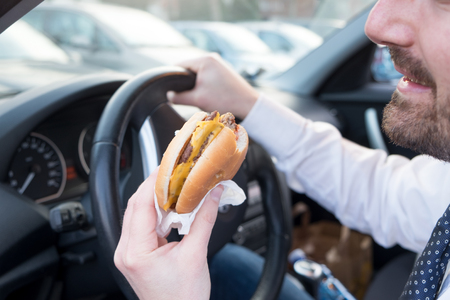
While working at a recent bodybuilding event, I had a very interesting conversation with one of the attendees. He was a 42 year old man who revealed to me that he had a couple of health concerns, and who very clearly stated that he wanted to be healthy for his sons (one son was about 10, and the other was about 13). He had a habit of eating fast food daily, and he never exercised because he figured that he was at a normal weight and didn’t need to work out.

He told me that he was so busy with work and with taking the boys to all their practice sessions that there was no time right now to train or to clean up his eating habits. He went on to say that he figured he would wait until the boys were older before he got into an exercise program and cleaned up his diet.

I very nicely told him to make every effort to fit in 10 or 15 minutes of intense plyometric or calisthenics work each day, between work and carting the boys around for their soccer and baseball practice sessions, but deep inside I was incredibly frustrated. I even told him that if he indeed waited a few years until the boys were older, major disease processes like diabetes or high blood pressure could emerge and put him in a dangerous health situation. However, I could tell that my words fell on deaf ears, and that this man would not take any steps towards a healthier lifestyle.

I honestly and truly believe that when it comes to anything in life, where there’s a will, there’s a way. If someone truly wants to positively impact his or her health, then steps can be taken immediately to develop a consistent regimen. There have been plenty of people who have made excuses and lived in denial, who were suddenly stricken by stroke or heart attack. Once a major event like that occurs, assuming someone survives it, there’s a big wake-up call and the person is forced to make the changes he or she didn’t want to make years ago.

Why wait?