Indoor Plants Are Good For You

Cactus Plant Tree Pot Nature Environmental Conservation Concept

rawpixel Image ID53431489 123rf.com

As an avid plant lover, I have enjoyed the many benefits of being surrounded by beautiful greenery in my home. I honestly believe that having indoor houseplants offers a multitude of benefits. Here’s a closer look at why incorporating greenery into your home is a great idea:

Health Benefits

  1. Improved Air Quality – Many houseplants, such as spider plants and snake plants, help remove toxins like formaldehyde and benzene from the air, creating a cleaner living environment. I have several snake plants (Sansevieria genus) in my home, and appreciate the fact that they clean the air while looking very attractive and interesting.
  2. Increased Oxygen Levels – Plants release oxygen during photosynthesis, which can improve air circulation and overall respiratory health.
  3. Humidity Regulation – Plants release moisture through transpiration, which can help maintain healthy humidity levels, reducing issues like dry skin and irritated sinuses. I also help my plants out by running two humidifiers in my den and kitchen to optimize plant functions.
  4. Reduced Allergens – Some plants, like peace lilies, can trap dust and allergens, helping those with sensitivities breathe easier.
  5. Stress Reduction & Lower Blood Pressure – Studies have shown that being around greenery can help lower stress levels and even contribute to reduced blood pressure. When I am in my home, I truly feel like I am in a garden paradise, and I feel instantly calm.

Decor Benefits

  1. Aesthetic Appeal – Houseplants add natural beauty to any room, complementing different interior design styles. I make sure to stage my plants in such a way that they make sense in my interior living space, without sacrificing their ambient light needs.
  2. Versatility in Design – Whether you want a bold statement piece like a fiddle-leaf fig or a subtle accent like a small succulent, there’s a plant to match every space.
  3. Enhanced Space Perception – Large plants can fill empty corners, creating a fuller and more inviting atmosphere. If I lived in a larger home, I would definitely have tall plants strategically placed in empty corners.
  4. Seasonal Adaptability – Unlike furniture or decor that can feel outdated, plants offer a timeless appeal and can be rearranged easily for a fresh look.
  5. Brings Nature Indoors – For those in urban settings, houseplants help create a connection to nature, bringing an element of the outdoors inside.

The desk sentinels around my workspace

Mood Benefits

  1. Boosted Mental Well-Being – Studies suggest that caring for plants can reduce anxiety and depression, providing a sense of accomplishment and responsibility. I know that I have a responsibility to keep my plants as healthy as possible, and I make an effort to address their needs on a weekly basis.
  2. Increased Productivity & Focus – Plants in workspaces have been shown to enhance concentration and creativity, making them great additions to home offices. There are plants all around my desk space, and I absolutely love them.
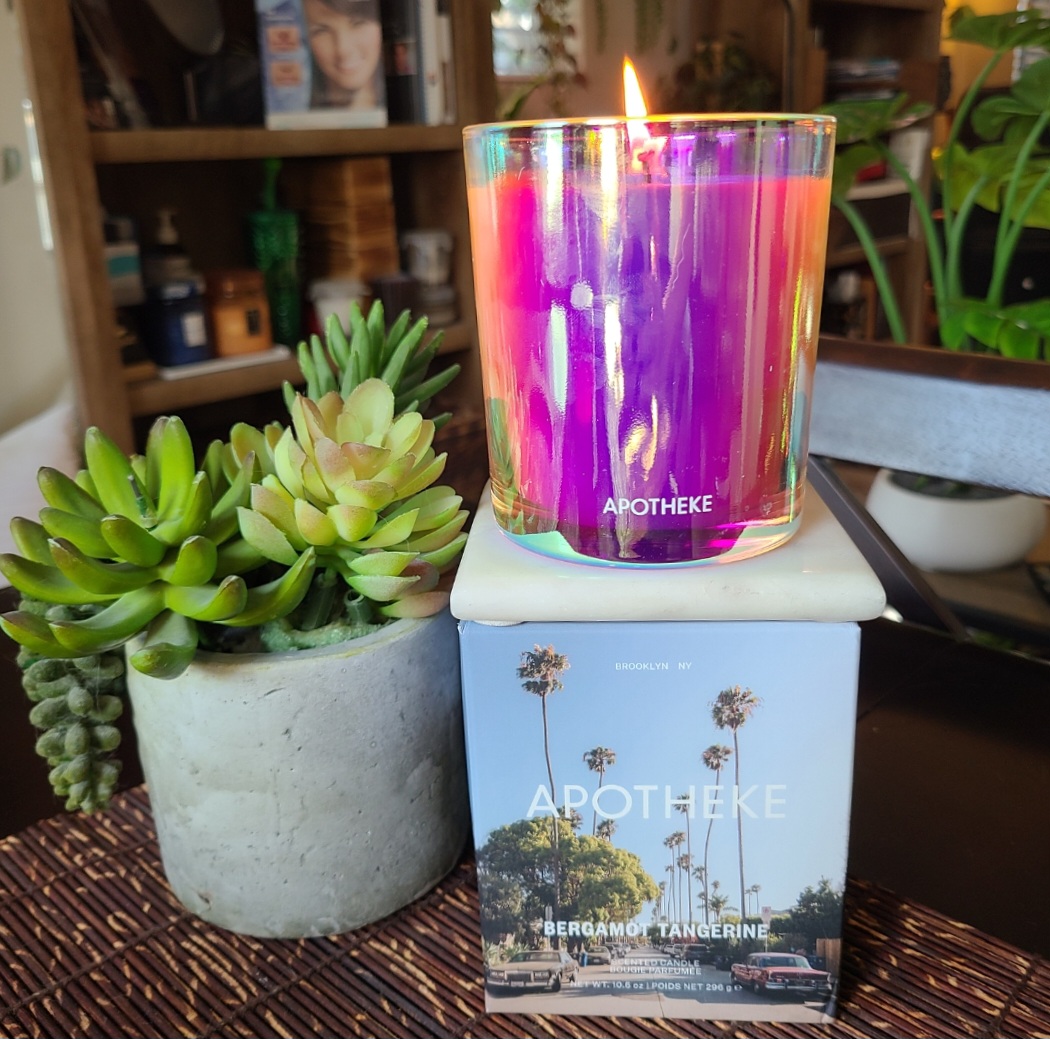
  3. Better Sleep – Certain plants, like lavender and jasmine, have calming properties that promote relaxation and better sleep. I only wish I could keep such plants alive in my home! Instead, I use scented candles to impart a calming mood.
  4. Mood Elevation – Simply looking at greenery can evoke feelings of happiness and tranquility, making plants a natural mood booster.
  5. Encourages Mindfulness – Watering, pruning, and tending to plants can be a meditative and mindful practice, helping people slow down and enjoy the present moment. Despite the fact that my weekly plant watering is a bit of a chore, I find myself getting into a zone which is meditative and beneficial.

Final Thoughts

Houseplants do much more than just decorate a space—they contribute to better air quality, reduce stress, and create a soothing ambiance. Whether you’re looking for a productivity boost, improved well-being, or a stylish home upgrade, adding indoor plants is a simple yet impactful way to enhance your living environment.

Use Special Occasion Items NOW

Here’s the stunning emerald gown from New York Dress which I decided NOT to hide in my closet. I wore it to a Magic Castle event and felt fabulous in it!

We often save our best outfits, fancy dinnerware, expensive perfumes, or special accessories for some elusive “perfect occasion,” but the truth is—life itself is the special occasion. My mom was notorious for buying fancy items and keeping them in their original boxes, unpacked, unused, and unappreciated, which is the main reason why I have rebelled against that attitude. I’d rather enjoy something I love, instead of allowing it to collect dust, forgotten and hidden. Here’s why it’s a great idea to wear and use what we love instead of waiting:

1. Life is Unpredictable

We never know what tomorrow holds. Holding onto things for a day that may never come means we might never actually enjoy them. Why not make today the day? My mom had bought many “special occasion” dresses back in the early 1960’s which she never wore, even up until she sustained cerebral injury in 2004. It was incredibly painful for me to put most of those items in liquidation, because I knew my mom regretted not having worn them. There were a few items which I was able to wear, and when I told my mom that I had worn them, she was thrilled.

2. Feeling Good Elevates Your Mood

Wearing that beautiful dress or those stylish shoes isn’t just about looks—it’s about how they make you feel. When we dress well and use things that bring us joy, our confidence and happiness naturally increase. Every time I slip on a gorgeous gown or fancy shoes, I love how I feel in them, and I am always happy when I can attend an event clad in them.

3. Enjoyment is Meant for Now

We sometimes treat luxury as something to be earned or reserved for rare occasions. But why delay joy? Every day is an opportunity to feel a little special. One example of this is when I had purchased a couple of rare bottles of wine and cellared them for a future special occasion. I waited over 10 years to enjoy them, but I didn’t realize that the wines had been subjected to some unexpected weather extremes during power outages. When I finally opened these wines, they were beyond their time for drinkability.

4. Items Can Deteriorate Over Time

Clothes can go out of style, perfumes can lose their scent, and even fine china can gather dust and weaken. If we wait too long, we may never get to fully enjoy them. I have personal experience with holding onto shoes I rarely wore for decades, which literally fell apart once I decided to wear them. Because I had decided to store those shoes in the garage, the temperature extremes caused the adhesive used in construction of the shoes to break down. It has been heartbreaking to be forced to throw shoes away, simply because I hadn’t stored them properly and also had forgotten about them.

5. Memories Are Created in the Everyday

That gorgeous dress shouldn’t just be associated with one or two events—it should be part of your life story. Imagine looking back and remembering how often you felt fabulous just because you wanted to. I have gotten so much better about wearing the items I love as much as I want, instead of trying to preserve them. What’s the point of having nice things if you can’t enjoy them?

6. It Changes Your Mindset

When we stop waiting for a “special moment” and start treating everyday life as special, we develop a more grateful and joyful outlook. I have become the type of person who will light the fancy candles, wear the fancy boots, wear my mom’s vintage jewelry, and drink the finer wines without waiting for a special occasion to approach. It has been liberating and highly enjoyable to adopt such a mindset.

7. You Deserve It

You bought that dress, that perfume, that fancy watch—why deny yourself their enjoyment? You don’t need an excuse to treat yourself well. Last year, I made sure to write a message to myself which is near my desk, which says “I deserve it”, and I absolutely and completely believe that. No longer will I deprive myself of the things I enjoy, especially after what I have seen with my mother not being able to enjoy her beloved items.

So, wear the outfit, use the fancy dishes, light the expensive candle. Make today a celebration just because you’re alive. 🎉

Resistance Training: The Ultimate Anti-Aging Tool

Regular resistance training is one of the most powerful tools for maintaining youthfulness and slowing down the aging process. It benefits the body and mind in multiple ways, including preserving muscle mass and bone density, improving digestion, boosting cardiovascular fitness, and benefitting cognition and mental attitude. Let’s explore these in detail:

1. Muscle Mass Preservation and Growth

As we age, we naturally lose muscle mass—a process called sarcopenia—which can lead to frailty, loss of mobility, and metabolic decline. Resistance training:

  • Stimulates muscle protein synthesis, helping to maintain and build lean muscle.
  • Increases metabolic rate, making it easier to maintain a healthy weight.
  • Enhances insulin sensitivity, reducing the risk of type 2 diabetes.
  • Supports functional strength, improving balance and reducing the risk of falls and injuries.

2. Skin Integrity and Anti-Aging Effects

The skin’s health and appearance are directly affected by lifestyle choices, including exercise. Resistance training:

  • Improves circulation, ensuring better oxygen and nutrient delivery to skin cells.
  • Stimulates collagen production, which helps maintain skin elasticity and reduces wrinkles.
  • Reduces cortisol levels, lowering inflammation and minimizing stress-induced skin aging.
  • Increases human growth hormone (HGH) levels, which contributes to cell regeneration and youthful skin.

3. Digestive Health and Metabolism

Aging often slows digestion and can lead to issues like bloating, constipation, and poor nutrient absorption. Resistance training:

  • Speeds up metabolism, ensuring efficient digestion and energy utilization.
  • Stimulates gut motility, reducing the risk of constipation.
  • Helps regulate hormones like insulin and cortisol, which affect digestion and appetite control.

4. Cardiovascular Fitness and Longevity

While resistance training is not traditionally associated with cardio health, it plays a crucial role in keeping the heart young. It:

  • Lowers blood pressure and improves vascular flexibility, reducing strain on the heart.
  • Enhances circulatory function, improving blood flow and oxygen delivery to tissues.
  • Reduces inflammation, lowering the risk of heart disease.
  • Helps control cholesterol levels by reducing LDL (bad cholesterol) and increasing HDL (good cholesterol).

5. Joint Health and Mobility

Contrary to the myth that weightlifting damages joints, resistance training actually protects and strengthens them. It:

  • Increases the production of synovial fluid, which lubricates the joints.
  • Strengthens the muscles around joints, providing better support and stability.
  • Reduces inflammation associated with conditions like arthritis.
  • Improves flexibility and mobility, reducing stiffness and pain.

6. Bone Density and Strength

Osteoporosis and bone fractures become major concerns with aging. Resistance training combats this by:

  • Stimulating osteoblast activity, which helps build stronger bones.
  • Increasing bone mineral density, reducing the risk of fractures.
  • Enhancing posture and balance, minimizing fall-related injuries.
  • Supporting calcium and vitamin D absorption through hormonal regulation.

7. Hormone Regulation: Testosterone, HGH, and More

One of the most underrated benefits of resistance training is its ability to optimize hormone levels, which naturally decline with age. Strength training has been shown to:

  • Boost testosterone production, which is essential for muscle maintenance, fat metabolism, energy levels, and libido in both men and women.
  • Increase human growth hormone (HGH), which supports tissue repair, fat loss, and skin regeneration.
  • Improve estrogen balance in women, reducing the risk of osteoporosis and metabolic disorders.
  • Lower cortisol levels, reducing stress, inflammation, and belly fat accumulation.
  • Improve thyroid function, enhancing metabolism and energy levels.

8. Mental Attitude and Cognitive Health

Aging isn’t just physical—it’s mental. Resistance training improves cognitive function and emotional well-being by:

  • Releasing endorphins, reducing anxiety and depression.
  • Boosting dopamine and serotonin, improving focus, clarity, and happiness.
  • Enhancing memory and brain function, reducing the risk of dementia.
  • Increasing self-confidence, making you feel strong and capable at any age.

9. Resistance Training and Insomnia

Struggling with sleep? Resistance training can help improve sleep quality and reduce insomnia by:

  • Reducing cortisol levels, helping the body wind down for sleep.
  • Boosting deep sleep cycles (slow-wave sleep), which is crucial for recovery and memory consolidation.
  • Regulating circadian rhythms, ensuring better sleep-wake cycles.
  • Reducing stress and anxiety, making it easier to relax at bedtime.
  • Increasing energy during the day, leading to natural tiredness at night.

Conclusion

Regular resistance training is one of the most powerful ways to stay young, both physically and mentally. It preserves muscle, strengthens bones, supports joints, enhances skin health, regulates digestion, protects the heart, optimizes hormone levels, improves sleep, and boosts mental well-being. If you want to age with strength, vitality, and confidence, lifting weights should be a non-negotiable part of your lifestyle! 💪

Living Alone Is Underrated

Woman sitting on the couch

123rf.com imagehitasia Image ID39004685

Having a space to yourself isn’t just a luxury—it can become a necessity for mental well-being, peace, and autonomy. When you share a living space with someone who doesn’t contribute, the weight of responsibility falls on you, turning your home into a place of frustration rather than rest. This became glaringly apparent with my most recent roommate situation, when I put up with this person’s complete refusal to participate in household cleaning, household repairs, or the purchase of paper and cleaning products which we both used.

I spent 3 years harboring frustration over having to deal with areas my roommate had sullied and selfishly left for me to clean, making me feel like a live-in housekeeper. Then I had surgery in January of this year, and was unable to come home for two weeks. When I returned home, I noticed that my roommate had taken the liberty of rearranging my dining room table, and had also completely taken over my side of the refrigerator. Although I promptly put the furniture pieces back to their original orientation and put my food back on my side of the fridge, I was perturbed. What I didn’t know was that she was planning to give notice that she was moving out. I guess she figured that since she would be leaving, she could encroach upon my fridge space and move my furniture around. That was the last straw for me, so I was actually relieved when she gave her 30 days’ notice.

At a certain point, the financial strain of living alone is worth the trade-off for personal freedom. You get to set your own rules, maintain the level of cleanliness that keeps you comfortable, and decorate in a way that truly feels like home. You don’t have to tiptoe around someone else’s bad habits or pick up their slack. There’s no awkward conversations, no unspoken resentment—just the quiet relief of knowing everything is exactly how you left it.

Peace of mind is priceless. Sure, budgeting might be tighter, but waking up in a space that is yours—where you don’t have to compromise on cleanliness, noise levels, or household responsibilities—makes all the difference. Sometimes, the real cost of a cheap living situation is your own sanity.

Agreeing To Disagree

123rf.com rawpixel image ID 106375134

Agreeing to disagree is an important skill in maintaining healthy relationships, especially with friends and family. In any close relationship, differing opinions are inevitable—whether about politics, religion, parenting styles, or even small things like movie preferences. The ability to respect these differences without letting them ruin a relationship is a sign of emotional maturity and mutual respect. This skill seems to have become incredibly valuable in recent years, mostly as a result of tectonic shifts in politics and socioeconomic affairs.

However, when someone writes you off just because you have a different opinion, it can be deeply hurtful and damaging. It sends the message that your relationship was conditional—based not on love, shared history, or mutual respect, but on intellectual or ideological alignment. This kind of behavior fosters division, resentment, and isolation. Instead of promoting understanding, it encourages an “us vs. them” mentality, where people surround themselves only with those who reinforce their own beliefs.

There are numerous people in my personal life who have recently made certain assumptions about my religious and political views, some of which were accurate, others which were way off the mark. What’s frustrating is that I have felt like I was silenced due to the fact that some individuals assumed I held a specific belief, which was the stark opposite of my stance. It’s downright disappointing to know that I have to keep my mouth shut around such individuals in an effort to protect our friendship ties.

Healthy relationships require space for disagreement. They thrive on open dialogue, patience, and the ability to see the bigger picture—that a person is more than just their opinions. It’s possible to strongly disagree with someone and still love and respect them. Writing someone off just because they see the world differently diminishes the complexity of human beings and reduces them to a single viewpoint.

Stepping Up To The Plate

123rf.com Image ID:  82333231

“Stepping up to the plate” is a phrase borrowed from baseball, where a player literally steps up to take their turn at bat. Metaphorically, it means taking responsibility, rising to a challenge, or doing what needs to be done, especially in difficult situations.

When someone is undergoing surgery and is temporarily unable to take care of their responsibilities, they often rely on their friends and loved ones to step up—to help with practical matters like meals, errands, or even just emotional support. It’s a moment that tests relationships because while many people express good intentions, not all follow through when the time comes.

Believing that friends will come through requires trust, but also realistic expectations. Some people may not know how to help, may feel uncomfortable around illness, or may simply get caught up in their own lives. Communication is key—sometimes, people want to help but need specific direction on what’s needed.

That said, when friends do step up, it deepens relationships and reinforces the value of true support systems. It shows that friendship isn’t just about the good times but also about being present during hardships. It’s in these moments that people reveal whether they are truly dependable, and unfortunately, it can also be a time when some friendships prove to be less solid than expected.

That’s a tough situation, especially when you’re in a vulnerable position, and you’re relying on someone to help you. Entrusting someone with your household means putting faith in their responsibility and integrity, and it can be really disappointing—if not outright frustrating—when they don’t follow through. If it’s a small inconsistency, it might be a matter of forgetfulness or misunderstanding, but if it’s a pattern, then it suggests carelessness or even dishonesty.

When you’re always the responsible one, the one people rely on, it’s easy for others to take that for granted. But when the roles are reversed, and people don’t show up for you in the way you need, it forces you to reassess relationships, expectations, and even your own boundaries.

I Can’t Read That!

123rf.com image rawpixel 69392647

Dealing with the loss of ability to see things up close which comes with the aging process, also known as presbyopia, is one of those frustrating realities that sneaks up on you—and it’s even more maddening if you’ve spent years basking in the glory of perfect vision after Lasik. I had Lasik in October 2007, when I was 41 years old, to correct myopia (nearsightedness) and astigmatism. I loved the freedom I had from glasses or contact lenses for about 8 years. Then when I reached full menopause at the age of 49, me reading vision tanked like the Titanic.

I went from feeling invincible, seeing the world in crisp, vivid detail, to suddenly struggling with menus, ingredient labels, and my phone screen. It feels unfair, doesn’t it? At least I was aware of the distinct possibility that presbyopia would indeed set in at some point, and had many years of crisp, perfect vision. The only thing I wasn’t prepared for was how sly the onset of presbyopia was. One day, I was fine, and then the next, I found myself doing the whole “arm stretch” thing just to read my emails or check a text. I also wasn’t prepared for the emotional toll, basically having to admit defeat by having to carry around reading glasses or magnifiers when I had been free of them my entire life. It suddenly was a nuisance to try reading a restaurant menu or a nutrition label in dim lighting. The way I adapted to the need for reading glasses was to place three prescription pairs in specific places: bedroom nightstand, my desk, my handbag.

It’s not just the practical side of things; there’s also a sense of frustration because it feels like a step backward. After Lasik, I became so accustomed to being free from glasses or contacts—it’s this incredible feeling of independence. Then, when presbyopia hit, I had no choice but to get new glasses. It’s almost insulting to the effort and investment I had devoted to my eyes when I had Lasik.

Suddenly having to wear glasses again can mess with your confidence, too. It’s one of those subtle reminders of aging, even if you don’t feel old. Despite the fact that I have had to wear reading glasses for the last ten years, I still find myself frequently ignoring my presbyopic eyes, squinting to read a text on my phone, even if I have a pair of glasses nearby.

What’s The Best Cat Litter?

123rf.com image by inxti
70609849

Cat litter comes in a variety of types, each with its own advantages and disadvantages. Below is a discussion of the main types of cat litter and an exploration of why some may be better than others for both your cat’s health and your own. I have a strong opinion regarding litter types which I will share at the end of this article.

Types of Cat Litter:

  1. Clumping Clay Litter:
    • Made from sodium bentonite, a type of clay that absorbs moisture and forms solid clumps when it comes into contact with urine.
    • Pros: Easy to scoop and clean because of the clumping action, effective at controlling odor.
    • Cons: Dust can be an issue, and it’s typically not environmentally friendly. The production of clay-based litter can be environmentally harmful, and the clay is often mined from areas that cause significant ecological damage.
  2. Non-Clumping Clay Litter:
    • Made from clay, but instead of forming clumps, it simply absorbs moisture and the liquid spreads throughout the litter.
    • Pros: Often cheaper than clumping litter, and less dust may be produced. Easier to replace the entire litter box because you don’t have to worry about clumping.
    • Cons: May not control odors as well, and can require more frequent changes. Less convenient since you can’t just scoop out urine clumps.
  3. Silica Gel Crystals:
    • Made from silica dioxide, these litter granules absorb moisture and odor.
    • Pros: Good at controlling odor and moisture; often lasts longer than clay-based litters before needing a full replacement. It is low-dust and non-tracking.
    • Cons: More expensive, and not biodegradable.
  4. Natural/Plant-Based Litters:
    • Includes options made from corn, wheat, pine, or coconut shells. These litters are often marketed as more eco-friendly. Wood pellets are low dust and thus are great for cats and humans who have respiratory issues.
    • Pros: Typically biodegradable and made from renewable resources. More economical than clumping clay litters and silica crystals.
    • Cons: Some natural litters may not control odor as well as other litter types.
  5. Recycled Paper Litter:
    • Made from recycled paper, this litter is soft and lightweight.
    • Pros: Environmentally friendly, low dust, gentle on a cat’s paws, and good for cats with respiratory issues.
    • Cons: Can be less effective at controlling odors and may not clump as well.

Why Non-Clumping Litter Can Be Better:

Non-clumping litter has several advantages over clumping litter, though these benefits depend on the context and the specific needs of your cat. Here’s why some people prefer non-clumping litter:

  1. Less Dust: Non-clumping litters often produce less dust, which is better for both cats and humans with respiratory issues.
  2. Easier to Dispose Of: Because non-clumping litters don’t form solid clumps, you need to replace the entire litter more frequently. While this may sound like a disadvantage, it can be seen as an advantage because you’re ensuring that your cat’s environment is more hygienic with fresh litter each time you change it.
  3. No Chemicals or Additives: Some non-clumping litters (especially natural varieties) do not contain the chemicals or fragrances that can sometimes be added to clumping varieties for odor control.
  4. Less Waste: Some non-clumping litters are biodegradable or made from renewable resources, making them a better environmental choice in some cases.

However, non-clumping litter does come with its drawbacks, including less effective odor control, and the need for more frequent full replacements of the litter box.

Why Clay-Based Litter Can Be Harmful:

Clay-based litter, particularly the clumping kind, has come under scrutiny for a few reasons, mainly due to the dust it produces and the environmental impact of its production:

  1. Inhalation of Dust: When cats (or humans) inhale dust from clay-based litter, it can cause respiratory issues. The fine particles in the dust can irritate the lungs and exacerbate pre-existing conditions like asthma. This can be particularly dangerous for both cats and humans with compromised respiratory systems.
  2. Heavy Metals: Some clay-based litters, particularly those using sodium bentonite, may contain trace amounts of heavy metals, such as silica dust, which are harmful when inhaled over long periods. Prolonged exposure to this dust can lead to respiratory disease in both humans and animals.
  3. Environmental Harm: The extraction of clay for cat litter has a significant environmental impact. Mining processes can cause habitat destruction and contribute to soil erosion. Furthermore, the litter itself is not biodegradable, which means that it can contribute to landfill waste.
  4. Toxicity to Cats: If a cat ingests clay litter (for example, by licking it off their paws), the minerals and chemicals in the litter can be toxic. This is particularly a concern with certain types of clumping clay litters.

Conclusion:

While clumping cat litter is often preferred by many cat owners for its convenience and superior odor control, non-clumping litter has its own advantages, particularly when it comes to reducing dust and being more eco-friendly, especially in natural or biodegradable varieties. However, when using any litter—particularly clay-based litters—it’s important to be aware of the potential risks associated with dust inhalation, the environmental impact, and the health concerns related to long-term exposure.

If you’re particularly concerned about the dust or environmental impact of clay-based litter, consider switching to a natural, plant-based option or silica gel crystals, which are often less dusty and more sustainable. I steer clear of all clumping litters, and I also do not use clay-based litters. There are two types of cat litter which I use in my home: silica gel crystals, and plant-based wood pellets. I use silica gel crystals in 2 boxes, and have found that the crystals are extremely effective in combating odor. Crystal litter also doesn’t have to be changed very often, which is especially nice since this type of litter tends to be the most expensive. I use wood pellets for the other boxes in my home, and strongly favor them for a multitude of reasons which I mentioned above, including their low cost, their eco-friendly aspect, and the fact that I don’t have to worry about my babies breathing in harmful dust.

I’m a Protein Craver

The craving for animal protein is something that can be deeply ingrained in many people’s diets, driven by both biological and cultural factors. For some individuals, animal protein—like meat, eggs, or dairy—can feel like an essential part of their meals, not just for its taste, but for its nutrient density and the sense of satiety it provides. I know that I have always been drawn towards savory foods, and I love the texture and flavor of many animal proteins, including fish, poultry, beef, bison, and eggs. I also appreciate the fact that such protein sources are high quality and serve my body well.

Animal protein contains all the essential amino acids, which are the building blocks of our body’s tissues, muscles, and enzymes. For those who are active or looking to maintain muscle mass, animal protein is often seen as the most complete and efficient source of these nutrients. The body naturally craves what it needs, so if it’s lacking in certain amino acids or other nutrients, people may feel a stronger desire to seek out these foods.

Culturally, animal protein has been a central part of diets across the world for thousands of years. Meat is often associated with strength, energy, and vitality, which can contribute to the desire to include it in daily meals. For some, it’s more than just a nutritional need—it’s a source of comfort and a way to connect with family traditions or social rituals around food.

For others, the craving may stem from the body’s ability to digest and metabolize animal protein more effectively than some plant-based sources. This can create a sense of satisfaction and fullness that plant-based proteins sometimes don’t replicate, leading to the craving for that specific texture and nutritional profile. It honestly seems like my body craves protein due to an enhanced ability to digest animal protein. I have had friends watch in amazement as I grab a piece of chicken to gnaw on as opposed to potato chips or sweet treats. I’d rather consume thin beef jerky than a few tortilla chips. I have also been known to polish off more than a pound of steak in one sitting, without any weight gain or digestive issues from it.

Moreover, hormonal influences can also play a role. Levels of hunger-regulating hormones, like ghrelin, can fluctuate based on dietary patterns. People who consume more animal protein may experience a more regulated appetite, while those switching to plant-based diets might struggle to feel as satisfied after meals, leading to cravings for more substantial, protein-rich foods.

At the same time, these cravings can be influenced by personal habits, psychological factors, and even advertising or food culture that reinforces the idea that meat is an essential part of a balanced meal. Whether for health, cultural, or psychological reasons, craving animal protein is a common experience, and it speaks to the body’s complex relationship with food.

People who consistently crave animal protein often have specific personality traits and values that align with their dietary preferences. These traits can influence their food choices, their relationship with nutrition, and their overall approach to health and well-being. While it’s important to note that everyone is unique, certain patterns can often be observed among those who prioritize and crave animal protein.

Image: 123rf.com alex9500 60897623

Focus on Physical Health and Performance

A common trait among protein cravers is a strong focus on physical health, fitness, or performance. People who engage in regular physical activity, particularly weightlifting, high-intensity workouts, or endurance sports, often have heightened protein needs for muscle repair, recovery, and energy. Since I weight train 5 to 6 days per week, this may have a lot to do with my preference for protein over carbs or fat.

These individuals tend to prioritize foods that support their goals—lean meats, fish, eggs, and dairy are all favored for their high bioavailability and efficient nutrient profile. For them, protein isn’t just a dietary choice but a performance necessity. This often results in a high level of awareness and commitment to sourcing the best possible food to meet their health and fitness goals.

Strong Belief in Quality Nutrition

Protein cravers, particularly those who are dedicated to maintaining a high standard of health, often exhibit a strong commitment to high-quality foods. This is seen in their preference for organic, grass-fed, free-range, or sustainably sourced animal proteins. They often value the ethical and environmental considerations behind their food choices, and many are more likely to pay a premium for higher-quality, responsibly produced protein sources.

These individuals are likely to avoid highly processed meats and focus instead on whole, nutrient-dense foods. For example, grass-fed beef is seen as a cleaner, healthier choice compared to conventionally raised meat, offering higher levels of omega-3 fatty acids and other nutrients. People who crave animal protein may not just look at it as a nutritional necessity, but as an investment in their long-term health and well-being.

This is absolutely true for me, as I make a conscious effort to obtain animal protein from whole, unprocessed sources. Given the choice between a hot dog and a burger patty, I’ll always go with the burger patty. I also make sure to consume fish that is wild caught, and avoid farm-raised options whenever possible.

Protein cravers often have a pragmatic approach to food—they see it primarily as fuel and are often more focused on function rather than pleasure when it comes to their diet. For them, the focus is on how the food serves the body’s needs and helps them maintain energy levels, muscle mass, and overall physical health. This practical mindset extends to their food choices: animal proteins offer a reliable, efficient, and balanced source of essential amino acids and nutrients. These individuals may not be swayed by trendy diets or fleeting food movements but instead tend to seek out food that provides solid, scientifically-backed nutritional benefits.

Conclusion

For those who consistently crave animal protein, it is often more than just a passing desire—it’s a reflection of a holistic approach to nutrition, health, and well-being. Their cravings are deeply intertwined with their physical needs, personal values, and broader life philosophies. Whether motivated by fitness goals, a commitment to high-quality food, cultural connections, or a scientific approach to nutrition, these individuals tend to prioritize what they see as the best sources of protein to maintain balance and achieve optimal performance.

A Shoe Company To Avoid

Although I am very careful to research a company from which I have never ordered previously, I can still get snagged by a less than reputable business. This post details the horrible experience I had with a custom shoemaker, Girotti, and why it should be avoided. I had read some halfway decent reviews about the establishment, and because I was keenly interested in a certain color and boot style, I decided to take a chance and order from them.

The other appealing characteristic about this shoe house was that it was based in Milan, Italy, and exclusively sold custom, handmade shoes. Since Italy is known for its fine shoemaking and leather crafts, I figured I would be safe ordering from Girotti. I placed the order for a pair of custom over-the-knee suede boots and hoped for the best. When I emailed them regarding a question I had about the order, it took an entire week for someone to respond.

I received the boots on December 16th (over a month after I had placed my order), and was immediately annoyed by the fact that they had placed the boot box inside a soft, plastic mailer, and had also adhered part of the mailer to the side of the box. The box was partially crushed, and there was no way to separate the mailer from the box without lifting off part of the black coating on the box. Since I store the majority of my footwear in their original boxes, I was completely disgusted by how lackadaisical the company was about packing an shipping the order.

When I took the boots from the box, I noticed that there were multiple scuff marks on the suede which could not be brushed out with a suede brush. This is absolutely unacceptable for a brand-new pair of handmade boots. Then I attempted to try them on, but was unable to because the zipper on the right boot DID NOT BUDGE from one spot at the ankle area. Consequently, I was unable to try on both boots, and when I slipped the left boot onto my foot, it was extremely uncomfortable, despite the fact that the size of the boots was a full size LARGER than my shoe size.

I contacted the company in numerous ways beginning on December 16th (straight email, contact form on their website, return request on their website, and phone call), only to be COMPLETELY ignored by them. By New Year’s Eve, I had filed a dispute with my credit card company, and also took WD-40 and carefully applied it to the broken zipper in an effort to salvage the boots. The WD-40 lubricated the teeth on the zipper enough for me to zip the boot up and down, but not without a struggle each time. It feels like the teeth are about to break on the zipper, a fact which I find completely unacceptable for a pair of boots I spent $240 on.

Girotti had the nerve to send me a generic email asking me to post a review, so I did, giving them a scathing rating. I also sent another email informing them that I had a credit card dispute against them. I received an email from someone on January 2nd, asking me to send a video showing the zipper issue. I sent a detailed video, only to be completely ignored once again. I honestly doubt that the boots they sent will be replaced by a pair which exhibits workmanship which is befitting that of a respectable Italian shoemaker.

DO NOT ORDER ANYTHING FROM THIS COMPANY!