Great Image Taken Last Sunday! Go To www.DreamWeddingPhotography.net To Book Your Event!

I ADORE this image, taken last Sunday by the incredible George Kontaxis! If you are in search of distinctive and gorgeous wedding photography, please go to www.DreamWeddingPhotography.net to book this phenomenal talent for your wedding images!

I ADORE this image, taken last Sunday by the incredible George Kontaxis! If you are in search of distinctive and gorgeous wedding photography, please go to http://www.DreamWeddingPhotography.net to book this phenomenal talent for your wedding images!

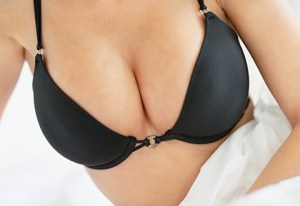
Thinking of Having Breast Augmentation Surgery? – Part 2

breast augmentation part 2I am devoting this blogpost to what to expect post-surgery at least through my own experience with breast augmentation surgery.  Though recovery from breast augmentation surgery is relatively tolerable, you should know what to expect.

First of all, when the procedure is completed, you will be wheeled over to a recovery unit where you will come out of anesthesia.  Some women may become very emotional or confused when coming out of anesthesia. What was strange about my experience coming out of anesthesia, other than the fact that it took me an unusually long time to come out of anesthesia, was that I was very chipper and even joked around with the nurses that it was time to party (what a goofball I was!).  My friend Mara picked me up from the hospital and drove me home.  Let me tell you, that car ride was the most painful one I have ever experienced as my very swollen and scalpel-assaulted chest bore the brunt of every single dip and bump in the road.  I sat in the passenger’s seat wearing a support bra.  Once home, I got in the habit of applying a sandwich of ice packs, one above my breasts and one below them, and began taking Vicodin three times a day to take the edge off the pain.  Some women may experience full pain relief from their prescription pain meds, while others (like me) might only receive some relief.

Do not make the mistake of assuming that you are tough enough to take care of yourself immediately post-surgery.  I am tough and I work out regularly, but I was not prepared for the need for complete assistance in sitting up in bed from a supine position.  This went on for four days.  I was very sore and had to stay home for three days before I felt strong enough to return to work.  I also had to apply the ice pack sandwich constantly for those first three days and was constantly alarmed by the fact that my new breasts sat so high on my chest that they abutted my clavicles.  It was truly bizarre.  As the days and weeks passed, my newly augmented chest began to relax and settle and the feeling that my skin and muscles were stretched to the hilt began to subside.

In addition to the constant pain which I experienced over the first two weeks following surgery, I experienced “zingers”.  Women may not be aware of zingers but they should be if they are preparing to go under the knife.  Zingers feel like sudden electric jolts which are felt at the nipple and which I imagine are akin to getting electrocuted.  They are strange but a direct result of local nerve damage which occurs as a result of the surgery.  This will also subside over time so don’t be alarmed!

After two weeks I was allowed to return to lower body weight training and after four weeks I was allowed to hit my upper body workouts.  To this day, however (and it has been almost ten years since I had my surgery), I cannot do heavy chest workouts and experience lateral movement of the implants when I work my chest.  This movement makes my boyfriend laugh and I can honestly say that I don’t blame him for laughing!

I have never had a single regret about having had the surgery and would do it again in a heartbeat.

Thinking of Having Breast Augmentation Surgery? – Part 1

breast augmentation part 1Breast augmentation surgery has steadily increased in popularity over the last decade and has become the most common cosmetic surgery procedure performed in the United States, with over 300,000 women undergoing the procedure annually.  However, despite its popularity, breast augmentation surgery does carry some risks and maintenance issues which must be taken into consideration when trying to decide on whether to go under the knife.  In order to ensure that you make an informed decision, here are the factors you should consider.

COST: Though costs vary depending on what region you reside in, which surgeon you select and what type of implant you choose, you can expect to spend anywhere from $4,5o0 to $10,000.  Saline implant surgeries are less costly due to the fact that the incision site is smaller, the surgery is somewhat less involved, and the implant material uses less silicone.  Just as a side note, ALL implants have silicone since the capsule in which the implant material sits is composed of silicone.

IMPLANT TYPE:  Two different substances are used to fill an implant shell: saline and silicone.  Some women opt for saline because they fear rupture and leakage of silicone.  Others will turn to silicone because it has a more natural look and feel.  There is a newer cohesive gel silicone implant that if ruptured will not leak, thus providing an additional option for women.  There are also different shapes of implants such as round, round high profile, and teardrop.  Discuss options with your surgeon to determine the best type for you.

WHAT TO EXPECT:  Surgery for breast augmentation takes between one to two hours and is performed under general anesthesia.  The vast majority of women go home a few hours after the procedure with prescription pain medication and aftercare instructions.  Incisions can be made around your nipples, at the fold of the breasts, in the underarms or at your navel.  The implant is inserted into a soft tissue pocket either above or beneath your chest muscle, then the area is closed up with sutures.

After the surgery you may have drainage tubes, an elastic bandage and/or a bra to wear for several days.  You should also expect to take it easy for several weeks following surgery so that you can heal optimally.  Swelling and tenderness are to be expected for up to two weeks following surgery.

POSSIBLE COMPLICATIONS:  As with any surgery, breast augmentation surgery is not without risks.  Some of those risks include:  pain, changes in nipple sensation, bleeding, infection, scarring, capsular contracture, asymmetry.  Over time, implants may also leak or rupture.

MAINTENANCE:  Breast implants tend to have an average lifespan of 10 to 12 years and should be replaced as the risk of leakage increases over time.

WHAT SIZE TO CHOOSE?: When choosing a size of implant, make sure you choose one that will look proportionate to your frame.  In most cases the surgeon will be able to determine what size is most appropriate for you.  Whatever you do, please do not give into peer pressure or get a size that your significant other wants you to get when you do not feel comfortable with that size.  Remember that you are the one who has to live with your decision 24 hours a day, so you should be happy with the end result.

FIGURE OUT WHY YOU WANT THEM:  I have heard women say that they want to get their breasts done because they believe the procedure will somehow change their lives.  I have heard other women say they want to please their men more and have been pressured by their men to have the procedure done.  If you are considering breast augmentation surgery, make sure you are doing it because YOU WANT IT.  Don’t do it to please your man or to “fit in” more with societal pressures.

When I decided to have breast augmentation surgery in 2003, I truly did it for myself.  I was going through a divorce and felt it was a great time to do something I had always wanted to do.  I chose the date of my surgery, the size I wanted, and the incision site.  I was tired of not being able to wear certain styles of clothing and figured that having the surgery would give me the fashion accessories I had always wanted.  I had a very positive attitude about the whole thing and never had any doubt or fear about the procedure.  In other words, I had a very healthy attitude about having breast augmentation surgery.

It is VERY important for a woman to have a healthy mental attitude about having cosmetic surgery of ANY kind, whether it be breast augmentation, a neck lift, lid lift, nose job, tummy tuck, etc.  Make sure to gather information, make informed decisions, and undergo procedures only if you understand that while they may boost your self-confidence, you must already be secure within yourself.

Another Great Post from Siouxcountry.com! Comparison Booty Shots From 2009 and 2012

Liked · 2 hours ago

On your timeline · Hide

PROGRESS!

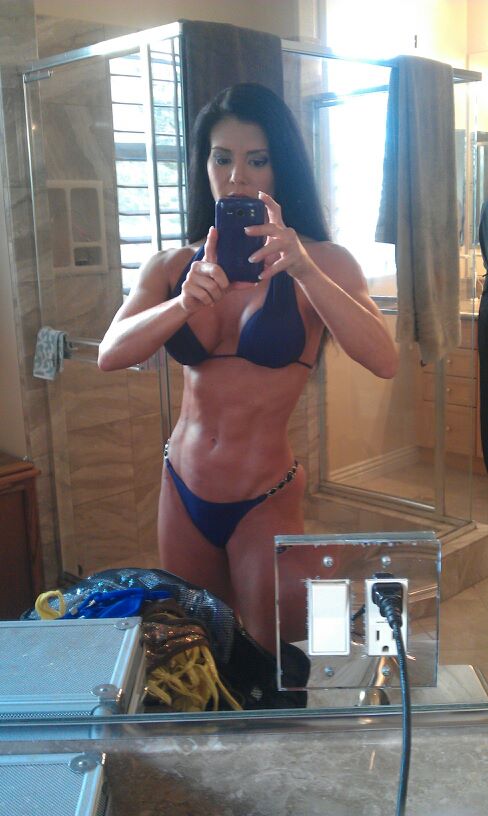
Masters bikini competitor Stacey Naito didn’t place at her first National show in 2009. Three years later she looked her best at the 2012 IFBB North American where she placed 7th in her open class and won her masters class! Well done Stacey! Her page……… Stacey Naito National NPC Bikini Champion ………More before and after photos on…….. Siouxcountry.com

Photo credit: Dan Ray / RXMuscle.com — with Stacey Naito.


2009 to 2012 Comparison

How To Select Athletic Shoes

With all the brands, types and styles of athletic shoes that exist these days, it may be challenging to figure out which ones to buy.  As a response to the questions I get about this, I have compiled a list of tips to help you navigate through the choices out there and select footwear that is ideal for the type of activity you plan to engage in. 

Select shoes appropriate for your feet.  Most of us know whether we have narrow, medium width or wide feet, but do you know what type of arch you have?  A good way to assess this is to do what is called a “wet test”. To do this, you will need a piece of brown paper like the type that is used for brown paper grocery bags.  Wet the bottom of your foot, step onto the paper (make sure to put your full weight on that foot) and trace your footprint.  If you have a print with little to no curve on the inside edge, you have flat feet and your feet tend to roll inward (overpronation).  This type of foot needs a shoe which gives good support to prevent movement.  If your footprint shows a large empty space in the inside edge and there is a narrow connection between your heel and forefoot, you have high arches and tend to turn outwards (supination).  This type of foot needs a soft and cushioned midsole.  If your footprint is somewhere in-between, you have a neutral arch and should choose a shoe with a mix of support and cushioning.

If you wear an orthotic, bring it.  You should also bring the socks that you usually wear when engaging in whatever activity you are buying the shoes for.  I have heard of people who have made the mistake of fitting shoes to their feet when wearing socks that are either thicker or thinner than what they are accustomed to wearing, which results either in the hassle of making an exchange or return or the pain of wearing ill-fitting shoes.

Shop later in the day.  During the course of the day, feet will expand, which means they will be their largest towards the evening.  When determining the fit of a shoe, it is important to take this into consideration and fit to your feet when they are their largest to avoid disfomfort.

Make sure shoes are comfortable and enable the movements your sport requires.  While athletic shoes should be comfortable while standing in them, it is also a good idea to engage in jumping, lateral movements or whatever foot motions mimic the types of movements you will do while wearing the shoes.  Take note of any shifting or discomfort.

Buy a pair of shoes that fit well.  There should be about ½ inch between the front of your big toe and the end of the shoe.  A quick guide which you can use is your thumb.  When you lift off with your heel, the shoe should not slip off the heel at all.  You should be able to wiggle your toes while wearing the shoes, but the shoe should also feel secure around your foot.

Don’t go cheap!  I see a lot of people grab athletic shoes that are on clearance which aren’t the best fitting or the best constructed shoes for them.  This is not to say that you can’t find a decent pair of athletic shoes on sale, but try not to head straight for the bargain bin when you are searching for shoes.  Your main objective should be to find a well-constructed pair of shoes which fits your foot well and is designed for the activity you will use them for. 

Replace shoes before they completely fall apart.  I always find it amusing when I see guys at the gym wearing shoes that are tattered.  I wish I could just ask them, “If you care about your conditioning so much, why do you neglect your feet which are bearing all the weight and pressure you put on them during your routine?”   Most people can expect to replace their shoes every six months, or until they begin to notice that the shoe feels less supportive or develops areas which are uncomfortable.  Another gauge is to check the back of the sole frequently and to replace the shoes once that area begins to appear worn out. 

Buy shoes which are task-specific and expect to have multiple pairs.  Not all shoes are created alike.  A cross-training shoe is designed for midfoot support and has tread which enables lateral movements.  A walking shoe, in contrast, is rather rigid and is designed to minimize foot movement.  Running shoes are quite flexible but are also built with extra cushioning to absorb the high impact of the foot-strike on the pavement. 

If you exercise frequently, purchase several pairs.  If you get in the habit of rotating through your shoes, you will allow your shoes to air out between uses and will also extend the wearability of your shoes since you will be alternating through your collection.  I currently have eight pairs of athletic shoes in rotation and make sure to wear the type of shoe which is appropriate for the activity I plan to do on a particular day.  For example, I wear my running shoes when I plan to do high intensity intervals on the treadmill, and I have other shoes designated as my plyometrics shoes, my leg day shoes and my general lifting shoes. 


Nutty for Nuts

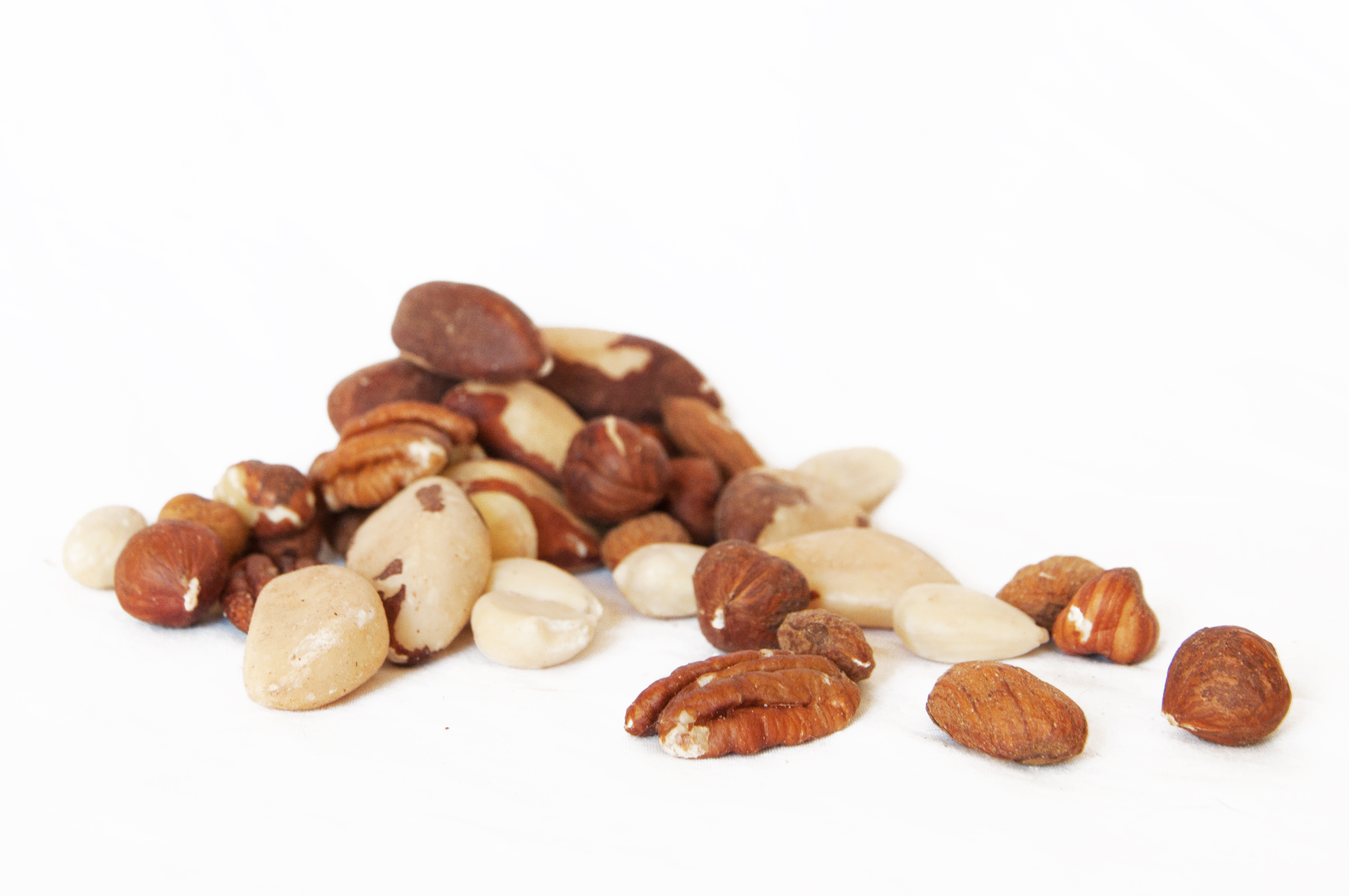
I rarely encounter competitors who aren’t completely enamored of nuts and who lament their absence during contest prep.  And for good reason.  The substantial texture and flavor of nuts have captured the interest of the general population and have elevated nuts to superfood status.  However, due to their significant nutrient density, “too much of a good thing” can certainly be applied to nuts of any kind.  I have encountered patients who may have previously been in the habit of mindlessly polishing off an entire bag of potato chips in one sitting and who have similarly finished an entire jar of nuts, believing that the health benefits of nuts could somehow negate the caloric assault on their weight loss plans.

That being said, I am far more likely to praise the benefits of nuts than I am to discourage their consumption.  As a self-professed nut lover I am well aware of how delectable they are, yet I usually will portion them out in an effort to prevent any overindulgence.  This is especially true when I consume nut butters.  I know that if I keep the almond butter jar open, I am likely to dip into it once more, so I make myself remove a serving size then quickly seal the jar and put it away.  When you consider that the average nut butter contains approximately 190 calories per 2 tablespoons and 16 grams of fat, the calories can stack up very quickly indeed.  However, on a positive note, researchers in Spain discovered that frequent nut consumption was associated with a decreased risk of weight gain.
Benefits of Nut Consumption:

  •         May help to lower cholesterol
  •         Rich in arginine, which enhances blood flow
  •         Rich in fiber, unsaturated fatty acids and phytochemicals
  •         Contain mono- and polyunsaturated fats which are cardioprotective
  •         Best plant source of protein
  •         Rich in vitamin E, B vitamins, selenium, calcium, magnesium, copper, iron and phosphorous
  •         Rich in a number of compounds which may protect against gallstone disease
  •         May reduce the risk of age-related macular degeneration

Negative Aspects of Nut Consumption:

  •          High fat content
  •          Many nuts are flavored with sugar, added fat, sodium, chemicals and preservatives
  •          High in calories
  •          Some people have allergies to nuts which in some cases can serve to be fatal
  •          Contain oxalates which can crystallize and form kidney stones

“Nutty Top Five”

Though all nuts provide superior health benefits, I consider the five nuts listed below to be the best of the bunch for various reasons.  Make sure to opt for the raw or dry roasted varieties whenever possible.  When nuts are roasted in oil, there is a high probability that they have either been heated in hydrogenated oils or subjected to high temperatures which can destroy their nutrient properties.  Studies recommend a daily intake of one to two ounces of nuts as part of a healthy diet.

#5: PECANS:  This is the most caloric nut in this list at 200 calories for 18 to 20 halves, and also contains the smallest amount of protein at 3 grams while packing 20 grams of fat.  However, these slightly sweet nuts still offer health benefits when consumed.  Pecans contain a plant steroid called beta-sitosterol, which helps to relieve the symptoms of an enlarged prostate.  They are extremely rich in B vitamins, vitamin E, and ellagic acid, which is a potent antioxidant.

Pecans are excellent when added to the vegan baked goods I make, and I especially love them in my admittedly non-contest friendly Thanksgiving stuffing!

#4: CASHEWS:  Technically, cashews are thick-shelled seeds, but confer all of the general benefits of nuts, including monosaturated fatty acids like oleic and palmitoleic acids.  They are quite calorie dense at 180 calories for 14 nuts but also contain a number of important minerals, including manganese, potassium, selenium, copper and zinc.  Another important substance which can be found in cashews is zea-xanthin, which is selectively absorbed into the retinal macula lutea in the eyes and confers protection against age-related macular degeneration.

The texture of these seeds is so meaty and satisfying that they easily made it onto my top five list.  In addition, cashew butter is delectable!  If you need a change from peanut butter, try this option.

#3: HAZELNUTS:  These nuts are loaded with folate, vitamin E, and B vitamins. I recently started eating these nuts after encountering them in a mixed assortment, and was surprised by their distinctive flavor and relatively hard texture.  Hazelnuts are excellent snacking nuts and good for a change.

#2: WALNUTS:  Walnuts are extremely rich in alpha linoleic acid (ALA) which can reduce inflammation and oxidation in the arteries after eating fatty meals.  A serving of 14 halves contains 180 calories but also provides about 90% of the recommended daily intake of omega-3 fatty acids.   Scientists at University of Scranton, Pennsylvania recently discovered that walnuts have highest levels of polyphenolic antioxidants than any other common edible nuts.

Walnuts are incredibly versatile and can be mixed into vegan baked goods, fudge, salads, Greek yogurt, oatmeal, or eaten alone. 1.

#1: ALMONDS:  These nuts have the lowest calorie density, and also contain the most calcium of any nut. They are rich in dietary fiber and phytochemicals and confer excellent protection against diseases. Almonds are an excellent source of vitamin E, with 60% of the recommended daily intake of vitamin E packed into a 30 gram serving.

Over the past year I have replaced peanut butter with almond butter because I vastly prefer the flavor of the almond variety.  I have also heard numerous people report that almond butter was more easily digestible than peanut butter.  As for the whole nut, I consider the almond’s textural variety and its flavor to be superior to other nuts, making it my go-to when I grab a serving.

Summary:

As long as nuts are not consumed in the same volume as lean meats and vegetables are, daily consumption will confer a myriad of health benefits to one’s diet.  If you haven’t already incorporated nuts into your meal plan, consider doing so in order to optimize your health.