
Image shot in June 2018 on the Bonneville Salt Flats by Mark Mozzier of IMAGEZZ.com
Bodypaint by Papi Miranda
Wardrobe by Stacey Naito and Myra Naito
Image shot in June 2018 on the Bonneville Salt Flats by Mark Mozzier of IMAGEZZ.com
Bodypaint by Papi Miranda
Wardrobe by Stacey Naito and Myra Naito
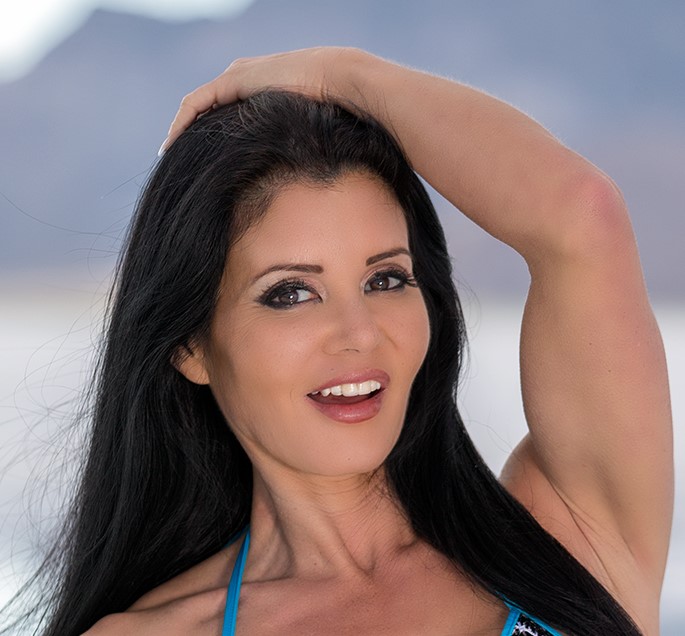
This was me last summer at the age of 51…
Yesterday I turned 52. It just blows my mind that I have been around for more than a half-century now, because I simply don’t feel that old. I know when my mother hit 50, I thought she was ancient. And yet, here I am, over 50 and feeling like someone in her early 30’s.
Let’s be real though. My fingers, elbows, and neck ache from arthritis which has crept upon me over the past few years. My skin sags in places it never did before. My neck is beginning to resemble a Shar-pei (you can even see the folds in the headshot here). And though I am the same weight I was when I was competing, and still hitting the gym six days a week, my body proportions are shifting in such a way that clothing items I have had for a while fit differently.
Before you tell me to quit my whining, please understand that everything is relative, and because I still participate in very image-driven industries (modeling and fitness), I hold myself to a certain standard which is beginning to elude my grasp. I have had to change my angles while shooting to accommodate the changes in my physique. Modeling had forced me to come to terms with my ever-aging physical form, and it’s been pretty brutal.
I experienced a major wake-up call last month, when I was going through items in my wardrobe for a four day photo shoot. As I tried on bikinis and dresses, I realized that several items either didn’t sit well on my body, or just flat out didn’t look good on me. It was incredibly frustrating, especially since some of the pieces I tried on had never been worn before and were purchased specifically for photo shoots. I just assumed that my body wouldn’t make the micro techtonic shifts it had. My waistline is ever so slightly larger, my hips wider, and my glutes are slowly deflating, just enough to make a bikini which once looked all right look like a high school hand-me-down.
As a 52 year old woman, I am more concerned than ever about the progression of my medical career, and have thrown new challenges at myself to make me a better practitioner. I’ve been thinking more about what will happen when I reach retirement age, and how I will manage financially. And though I have always been in excellent health, I am often struck with thoughts of “What if something happens to me?”, and “How will I die?”, both of which may sound like morbid thoughts, but I regard them as necessary.
My parents are in their 80’s and of course they will eventually pass on. Both of them mention how disappointed they are in me for not giving them grandchildren, as if it was my filial duty to do so. It irks me to no end, but I also feel pangs of guilt whenever I am berated by them. It’s not like I was trying to defy them by remaining childless. And now that the window of opportunity is forever closed for me, I wonder why I wasn’t meant to have children.
Although 50 may be the new 30, it still marks 50-plus years of life experience. And since there is more societal pressure to be more dynamic and more successful, hitting one’s 50’s can be downright depressing. For all of you over 50, HANG IN THERE!

Photo credit: Pixabay.com
Please check out this excellent article by Shiela Olson which explores the delicate balance between pushing yourself to the next level and nurturing yourself at the same time.
– By Sheila Olson of fitsheila.com
You’ve decided you’re ready to stop perpetuating a cycle of sleeping in on weekends, spending weeknights slumped over in your couch, and eating out at greasy burger joints every other meal. You’re ready to live a healthier and happier lifestyle, and you’ve known the answer all along — diet and exercise. Diets aren’t very effective when practiced every other week, and fitness requires you to keep up and even build up the intensity over time.
So, what’s the secret?
The Importance of Prolonging Good Fitness
When someone decides they are ready to start running every day, or some other form of exercise, they typically feel this fire within themselves to keep it up. You go in for your first day, and you feel exhausted, but you also still feel pretty good knowing that you’ve taken your first step at getting healthy. After a few more gym sessions, you notice that you aren’t just tired but also sore, and that goodwill for better living starts to feel a little less compelling.
It’s natural to give it your all the first few times before your mind and body start to naturally resist the transformation that is occurring. It’s the kind of transformation that people from all walks of life seek to make their lives better. It’s why so many recovering addicts start running and bodybuilding. Exercise not only changes how we look on the outside but how we feel on the inside. It reduces stress and boosts positive self-image and confidence.
The process of transformation can be difficult and uncomfortable at times, especially when you’re just starting out, which is why it is important to not overdo it. If you work too hard or put too much emphasis on your physical fitness, you run the risk of burning out and not making the kind of progress you are looking for.
The Meaning Behind Self-Care
Right now, the buzzword of the day seems to be self-care. People are starting to collectively realize that we don’t need to punish ourselves to live our best lives. Exercise shouldn’t be something you dread to do but something you look forward to. To remedy this natural resistance to living healthier and a fitness-oriented lifestyle, people are turning to self-care as a way to supplement diet and exercise and avoid burning out during the process.
One of the ways you can practice self-care is by leaving plenty of rest days in between workouts to give your body time to recover. Recovery is essential to practicing good physical fitness and ensuring you have enough energy to keep going back to grind week after week. Self-care also addresses showing yourself love in alternative ways. Exercise is important for our physical health, but we also need to consider our mental and emotional health as well. Beyond exercise, there are a number of activities you can do, such as meditation, reading a book, or pursuing a hobby, that can all fill a specific need you have in your life.
The Need for Balance in Your Life
When you approach your physical fitness as just one piece of the puzzle, then you can start looking at other ways to enhance your life, while not overdoing your diet and exercise. You won’t just be working hard, you’ll be working smart. You’ll know that there are many activities you can work on to improve your overall well-being. By balancing out these different self-care activities, you will always make yourself better while also keeping a very diverse routine. Some days, you will be focused on your physical fitness, but when you need to rest and recover, you can then switch gears and focus on your mental and emotional health as well.
Once you decide it’s time to make a change, you’ve already started your journey to improve your wellness. You may have attempted to change your life a few times now, but all of those past experiences were just the lead up to this one moment where you finally committed to achieving personal wellness and living your best life.
Photo Credit: Pixabay.com
Check out my new video in which I talk about some great new products from Gallon Gear!
 Anyone who knows me well is aware of the fact that I am consistent about packing clean meals and toting them around with me throughout the day. It can be cumbersome to pack food, especially when I know I will be out of the house for most of the day, but by doing so I have peace of mind knowing that I will be able to stay on track with my meal plan no matter what. Competitors and fitness professionals practice this habit and can attest to the power of clean eating in maintaining a sculpted, muscular physique.

Copyright: caymia / 123RF Stock Photo
• Portion Control – If you measure and weigh your portions before placing them into containers, you will have full control over your intake.
• Cooking Method – Steaming, baking, boiling, grilling and poaching are easy cooking methods which also enable you to prepare food without adding unnecessary fat.
• Save Money – By purchasing food at the grocery store and preparing it yourself, you will save a significant amount of money.
• Maintain A Low Sodium Diet – Restaurants often add significant amounts of sodium to enhance the flavor of their dishes. If you are trying to keep your sodium intake low, you are better off preparing your own food.
• Accommodate Medical Dietary Restrictions And Food Allergies – Restaurant meals may add ingredients which are forbidden from your meal plan due to medical conditions or food allergies. Instead of taking a risk, you are better off preparing your meals and packing them with you.
When I worked the Arnold Sports Festival Expo in Columbus, Ohio earlier this month, I made sure to drink plenty of water, filling up my one liter container 3 to 4 times each day. I also brought my Hot Logic Mini with me (https://youtu.be/GQltYTRLTC4) and had meals from Icon Meals (https://iconmeals.com/) with me, and I made sure to consume a meal every 3 hours to keep my energy levels up. If you are committed to living a healthy lifestyle, you will find ways to stay in line!
I always recommend tempered glass storage containers over plastic, since heating up ingredients in most plastic containers carries a risk of deranging the plastic and releasing harmful chemicals into the food. I make an exception with BPA-free containers, and recommend the types which have locking lids to prevent leakage of food.
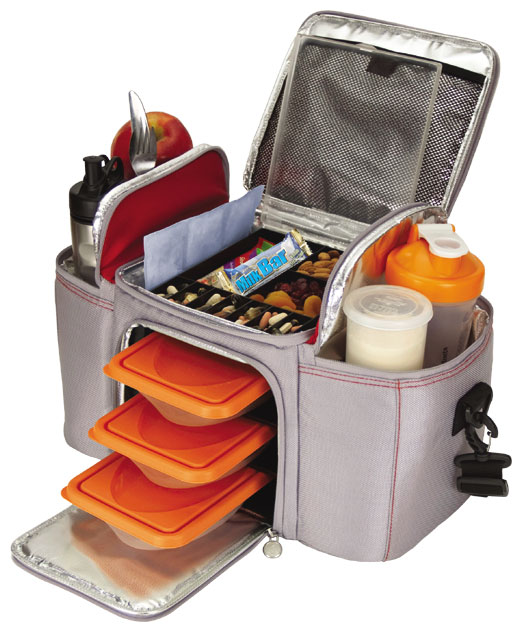
The BEST meal packing system out there is made by Six Pack Bags:
https://www.sixpackbags.com/bags.html
By adopting the habit of packing your meals, you will be on the road to better health!
 Have you ever adopted a new workout regimen, then ended up kicking your ass so hard that you became discouraged from the pain you experienced after your workouts? If so, you were probably taken by surprise when delayed onset muscle soreness (DOMS) set in. What often occurs is that people adopting new exercise regimens may become quickly discouraged, usually because they don’t understand why they are so sore, and will back off from exercising without ever getting a chance to maintain consistency. However, DOMS may be a beneficial signal that your workouts are challenging enough to make a difference.
DOMS typically develops between 24 to 72 hours after physical activity, and is considered a relatively normal and common result of activity that challenges muscle tissue. One popular but flawed theory is that the microscopic tears which occur in the muscle fibers after exercise, coupled with the release of lactic acid and protons, are responsible for the muscle soreness which characterizes DOMS. Mizumura and Taguchi determined in an important study that neurotrophic factors are produced by muscle fibers and satellite cells, and are critical for the development of DOMS symptoms. They also determined that damage to muscle fibers was not a necessary component of DOMS, further suggesting that a neurological cascade is what results in the post-exercise soreness.
For the most part, the aches and pains which characterize DOMS are assumed to be a sign that your muscles are adapting to the activity which caused them to develop in the first place. Rather than shying away from physical activity in the long term, the general recommendation is to take it easy for a few days, while still exercising, until the pain subsides. However, those of us who are gym rats and fitness freaks will tend to adopt the “Suck it up, buttercup!” mentality, powering through workouts as best we can while our bodies scream out in general agony.
So what can you do if you have DOMS and you want to lessen the severity and duration of the soreness? The truth is, not much. However, here are some suggestions which you might want to try. Keep in mind that none of these suggestions is proven to ameliorate DOMS, but none will worsen the symptoms either.
• consumption of plenty of water both during and after exercise
• consumption of a protein-rich meal after exercise
• glutamine
• cherry juice
• vitamin D supplementation
• compression garments
• Epsom salts
• application of heat
One thing to bear in mind is that if you are consistently working out at the same intensity, your muscles will become familiar with that intensity, essentially adapting to it. This phenomenon is called the repeated bout effect (RBE), and basically means that you will most likely notice a drop-off in DOMS episodes. If you suddenly increase the intensity or duration of your workouts, the chance of developing DOMS will return.
Obviously if you believe you have a specific injury, and not DOMS, then get it evaluated and rest up.
REFERENCES
Mizumura K, Taguchi T. Delayed onset muscle soreness: Involvement of neurotrophic factors. J Physiol Sci. 2016 Jan;66(1):43-52.

Copyright: whiteboxmedia / 123RF Stock Photo
During a recent urgent care shift, I encountered a man in his mid-50’s who had presented to the center with complaints of sinus pressure and cough. After I gathered more history and conducted a physical exam, the patient went on a tangent, asking me numerous questions about healthy foods. A commercial construction foreman, he was accustomed to being on site during the day, and insisted that his daily lunch was quite healthy and acceptable. As he prepared to tell me about this daily meal, he beamed with pride. What was it? Several slices of ham from the refrigerated section of the supermarket, a few slices of cheese, and a handful of pickles. He truly believed that the meal he consumed daily was incredibly healthy and nutritious. He even stated that he was consuming a high protein meal with produce (the pickle). The patient went on to tell me that when he was done with work, he often stopped at Arby’s to pick up a sandwich for dinner, and felt that the animal protein from these sandwiches wasn’t harmful in the least.
I shake my head in amazement when I encounter patients who have completely convinced themselves that somehow, their eating habits are completely clean and healthy, when they are actually abysmally deficient in nutritional value. What is more surprising is how insistent these people are on continuing their unhealthy habits, even when they ask for advice. The patient I mentioned above listened to me discuss the power of food as fuel, as sustenance, and nodded when I suggested he visit the fresh produce section of local grocery stores, select uncured meats, and avoid frequenting fast food establishments like Arby’s. I also mentioned that his blood pressure readings of 181/125, 179/127, and 185/122 (non-symptomatic) were rather alarming, especially since he stated that he had “forgotten” to take his blood pressure medications that morning. Was it fair to shake him out of his fog and inform him that with malignant hypertension, and a diet sure to compound the problem, he was on a short course to an unfavorable event like a stroke or heart attack? Did he even care if he was at high risk?
This is the kind of situation which I as a physician must often dance around. I have to determine how receptive a patient is to advice, and I also have to figure out the best way to speak to the patient without offending or discouraging him or her. It can be very tricky to reason with someone who has most likely gone through his entire life somehow believing that ham, cheese and pickles constitute an acceptable daily meal in anyone’s life!
 dr. stacey naito's blog