Why I Am Against Instant Oatmeal

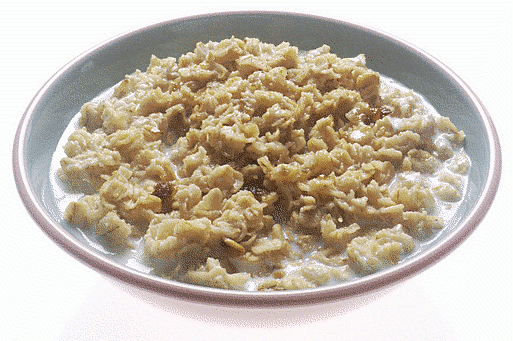
oatmealI know people lead very hectic lifestyles these days, and believe me, I can relate. Work, training, meetings, appointments, chores, errands, modeling, fitness and bodybuilding events, writing, shooting videos, and managing websites and social media keep me going at a frenetic pace every day. Yet I make sure I have a few minutes to prepare a nutritious morning meal every single day. I become very irritated when I hear patients and clients say that they have ZERO time to prepare a nutritious breakfast. Are you serious about not having even five minutes in the morning to take care of your own health? Come on.

Patients often proudly tell me that they are eating oatmeal every day, but when I ask them what type, they tell me they grab the instant variety. This irritates me to no end. You still have to put the oatmeal in a bowl, boil the water which takes about three minutes, then mix. When I make my old-fashioned oats, I combine them in a saucepan with water and a dash of cinnamon, then let the mixture cook for three minutes. So what if I take an extra 30 seconds to transfer the cooked oatmeal into a bowl?

Another thing I think is disgusting about instant oats is that the oat and water mixture often does not mix well, so you have a gloppy, soupy mixture which has to set for at least a minute so that it will thicken. Halfway through that extra minute in which you are waiting for your instant oatmeal to thicken, I am already eating my old-fashioned oatmeal.

You may wonder what the big deal is about eating the plain oats versus the instant variety. There are artificial flavors, thickening agents, sugar, and salt in the instant packs which lowers the nutrient density of the oatmeal. In addition, since there is so much processing which occurs in the manufacture of the instant variety of this food item, vitamins and minerals are added to replace what has been stripped from the original oats. Why go through all this when you can choose the least processed version which is the most nutritious?

Bear in mind that the cereal industry is counting on you grabbing the instant variety because of its attractive packaging. Guess what? The instant oatmeal is far more expensive than the old fashioned oats which have one item on their ingredient list: “OATS”. Just because a food item comes in a single serving envelope and only requires you to add hot water does NOT mean it will shave off significant time from your morning meal prep. Remember what I mentioned earlier about total prep time? Here’s a reminder:

INSTANT OATMEAL PREP:
Tear packet and pour oatmeal into bowl (5 seconds)
Boil water (3 minutes)
Pour water over oat mixture and stir (20 seconds)
Let sit for 1 minute to thicken (1 minute)
TOTAL PREP TIME = 4 minutes, 25 seconds

OLD-FASHIONED OATMEAL PREP:
Combine oats and water in a saucepan with a dash of cinnamon (10 seconds)
Cook mixture on medium heat for three minutes, stirring occasionally (3 minutes)
Remove from heat and pour into bowl (10 seconds)
TOTAL PREP TIME = 3 minutes, 20 seconds

If you insist on eating instant oatmeal, at least go for the healthier versions. The best out there is Trader Joe’s Organic Oats and Flax Instant Oatmeal, which contains: organic rolled oats, organic dehydrated cane juice solids, organic flax seed, sea salt.

Emotional Eating

Find original post at:  http://www.rxmuscle.com/rx-girl-articles/6941-emotional-eating.htmlemotional-eating ice cream - Copy

Rather than discuss well-known emotional eating disorders such as bulimia, I will concentrate on binge eating which many women engage in from time to time.  It is important to recognize this behavior if it becomes a regular pattern, because frequent emotional eating warrants a diagnosis of binge eating disorder and requires treatment and intervention.


Binge eating is characterized by eating compulsively to cope with negative emotions and stressful situations.  A binge eater is rarely hungry when she begins to eat and will continue to eat well after she is full.  Such episodes can last for up to two hours or can occur off and on throughout the day.  The binger feels guilty both during and after the episode, but will not attempt to counteract it by fasting, taking laxatives, vomiting, fasting or over-exercising.  A strong lack of self-control as well as feelings of shame will accompany this behavior pattern.  There is a strong association between binge eating and depression.  Binge eating is also driven by social components such as social pressure to be thin, emotional and sexual abuse, parental criticism of a child’s weight, and the use of food as reward or punishment.


Food cravings are usually the strongest when you are in emotional crisis.  You may reach for food for comfort or to serve as a distraction.  Consider the following highly stressful events and think about whether you reached for comfort foods during such times:


  • Financial problems
  • Health problems
  • Work issues
  • Relationship issues
  • Fatigue
  • Family issues


Though some people will lose their appetites when stressed and will refrain from eating, many others will engage in impulsive eating in an effort to deal with negative emotions.  This may be relatively harmless if such emotional eating occurs on a very rare occasion, but becomes a serious problem when it is used as the only coping mechanism for stressful situations or negative emotions.  Just bear in mind that if you have a rare moment of weakness, it is important to recognize it as just that and to prevent yourself from spiraling into excessive feelings of guilt over the incident.  If you engage in an episode of emotional eating, learn to forgive yourself and have a fresh start the following day.


Why We Engage in Emotional Eating


What occurs almost invariably when we eat emotionally is that we turn to cookies, cakes, candy, fried foods and breads rather than to healthy foods.  There is a biochemical basis for such behavior.  Carbohydrates which are high in sugar or fat release dopamine in our brains which in turn stimulates the brain’s pleasure center, creating a sense of euphoria.  These foods are usually associated with pleasurable memories, such as cake which you may have looked forward to on your birthday, or macaroni and cheese as a treat after school when you were a child.


Food can also serve as a happy distraction from conflict or stressful events by stimulating the aforementioned pleasure centers.  What will frequently occur is that an excessive amount of these foods will be consumed.  However, if you remain aware of such automatic connections between food and mood and realize when you are eating for reasons other than hunger, you can break this cycle and get back on track with healthy eating habits which are associated with true hunger.


How To Combat Emotional Eating


  • Keep a food diary.  Get in the habit of writing down everything you eat and drink, including the quantity, the times at which you eat, your emotional state while eating the meal, and your level of hunger.  By doing this you may see patterns which will reveal your emotional relationship with food.


  • Remove tempting foods.  Avoid stocking comfort foods in your home if you find that they are difficult to resist.  And by all means avoid making trips to the grocery store if your emotions are spiraling out of control!


  • Practice stress management.  Yoga, meditation, and relaxation techniques are effective methods of managing your stress.


  • Determine whether you are truly hungry.  Many times people may believe they are hungry when in reality they are actually emotionally distraught and desperately searching for a way to defuse such emotions.


  • Make sure you consume adequate calories.  Individuals who are trying to lose weight will often restrict their calorie intake too much, and will turn to the same foods in an effort to remain on track without rewarding themselves with an occasional treat.  Adding variety to your meal plan will also help to keep you on track.


  • Distract yourself.  If you get an urge to snack when you aren’t truly hungry, distract yourself by watching a movie, calling a friend, reading, listening to music, or taking a walk.


  • Consume healthy snacks.  If an urge to snack between meals strikes, choose a low-calorie snack such as vegetables with seasoned nonfat Greek yogurt, fresh fruit, low fat cottage cheese or rice cakes.


  • Get enough sleep.  Getting enough sleep is an important component in decreasing cravings for comfort foods.


  • Eat at regular intervals.  Consume smaller meals every three to four hours to keep you from feeling hungry or deprived.


  • Focus on the experience of eating.  Learn to eat in a mindful manner, in which you pay attention to your meal and only your meal.  Become aware of the sensations associated with eating.


  • Reward yourself.  It is both physically and emotionally unhealthy to practice excessive calorie restriction for prolonged periods.  Allow yourself to have a favorite food or meal once each week.


  • Connect with your emotions.  When a food craving hits during an emotional time, write down the emotions you are experiencing, such as sadness, loneliness or anger.


  • Seek professional help if emotional eating is frequent.  There are countless support groups which you can join which will help you to develop insight as well as the skills to avoid engaging in such behavior.


DHEA To Reduce Aging and Build Muscle

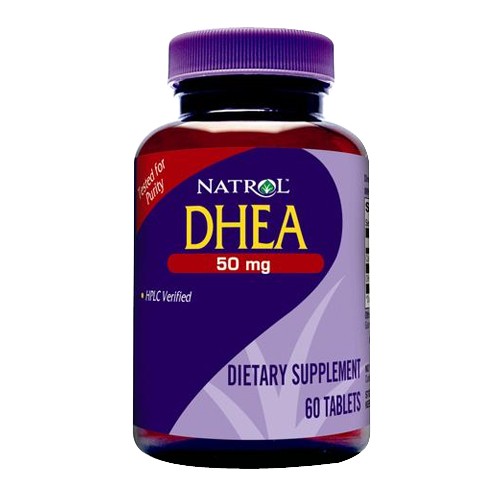
DHEADehydroepiandosterone (DHEA) is a weak androgen produced in the adrenal glands that is a precursor for testosterone. It is converted in the body into androstenedione, which is then converted into testosterone. DHEA levels are highest when we are in our 20’s, then decline significantly as we age.

DHEA has been used to treat depression, adrenal sufficiency, obesity, vaginal atrophy, and erectile dysfunction, but it is most commonly used to reverse the aging process and build muscle. It is especially effective in men with flagging testosterone levels who do not wish to take testosterone directly.

Men can benefit from taking 25 to 50 milligrams or more per day. If men decide to supplement with higher doses, guidance from their primary care physicians is advised beforehand. If DHEA dosing is too high, men can develop breast tissue and high blood pressure.

Women have a much trickier time with DHEA, and many can only tolerate 5 to 10 milligrams without experiencing side effects. Side effects in women include abnormal periods, oily skin, facial hair, and mood changes.

Usually side effects are mild, such as fatigue and headache. Another relatively common side effect is insomnia, so it is a good idea to take DHEA in the morning. Do not take DHEA if you have heart disease, liver disease, diabetes, high cholesterol, thyroid problems, polycystic ovary syndrome, or blood clotting disorders.

A Great Overall Abdominal Exercise – Woodchop

WoodchopOne of the most effective abdominal exercises is the woodchop. The woodchop movement is excellent for recruiting the obliques and has always been one of my favorite abdominal moves. This exercise can be performed with a dumbbell, medicine ball, kettlebell or cable pulley and can also be performed in reverse. For ease of explanation, I will describe the regular woodchop movement here, but if you are interested in performing reverse woodchop, your starting position will be at the floor or a low pulley.

– Your starting position will be standing with feet wider than shoulder width apart and toes pointed outwards slightly.
– Holding the weight (or high cable pulley handle) with both hands, rotate your body downwards towards the opposite knee in a diagonal arc. When doing this, your arms will be straight but without locking the elbows. Also, you will be rotating through your torso, keeping arms straight during the movement.
– Return to start.

I recommend 3 to 5 sets of 12 to 15 repetitions.

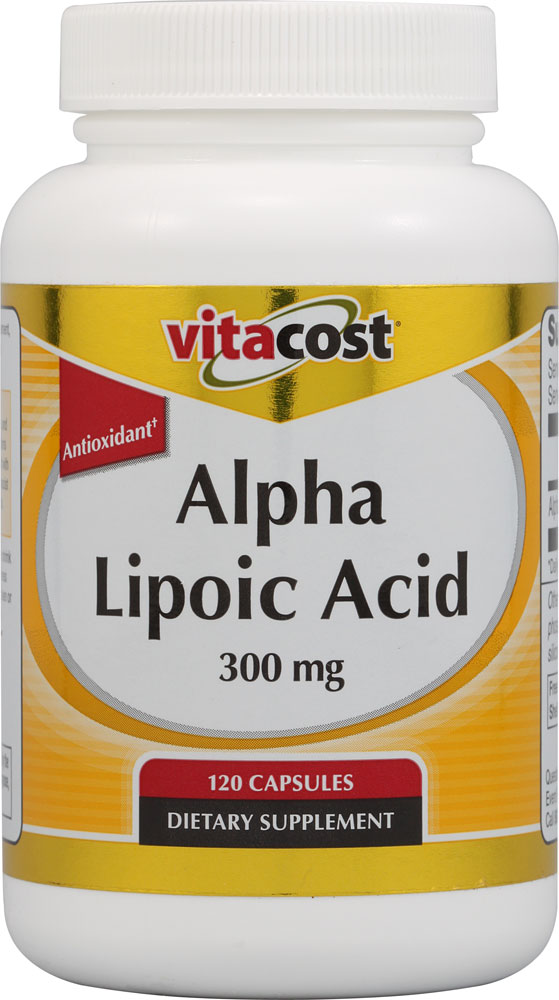
Alpha Lipoic Acid

Alpha-Lipoic-AcidAlpha lipoic acid (ALA) is a cofactor which is found in high concentrations in animal tissues with high metabolic activity such as the kidney, heart and liver. It is also found in broccoli, tomatoes, Brussels sprouts, peas and spinach. When ALA is ingested, it is transported via the bloodstream into tissues and cells, then into the mitochondria for energy production. Studies have concluded that dietary ALA is insufficient for sufficient free levels in the circulation, so it makes sense to take ALA supplements to reach therapeutic levels.

The human body is subjected to oxidative stress and produces free radicals in response which circulate in the body and damage tissues. ALA is easily absorbed and transported into organs such as the brain, nerves and liver, protecting against cell damage by neutralizing these free radicals. ALA also amplifies the positive effects of coenzyme Q10 and glutathione and works in conjunction with the B vitamins to convert nutrients into energy.

ALA assists the body in maintaining optimal blood sugar levels and supporting insulin sensitivity. It can improve the lipid profile in the body and reduce blood pressure. Diabetic patients who have been put on ALA supplementation have experienced some relief from diabetic neuropathy and a regulation of insulin levels in the body.

ALA has demonstrated protective effects in other age-related diseases as well. It protects against cataract formation and glaucoma and helps to prevent retinal cell death in retinitis pigmentosa, so it is vital for eye health as well. Stroke patients who were given ALA experienced reduced brain damage, and may guard against the development of Alzheimer’s disease. There is additional research to suggest that ALA supplementation reduces the inflammation associated with multiple sclerosis.ALA’s antioxidant effects may help to also preserve bone density, thus protecting the body against the bone loss that characterizes osteoporosis.

If you are interested in maintaining skin health, ALA supplementation may be something you want to consider. Topical application of creams containing ALA reduced photoaging and refined the texture of the skin.

The amount of ALA in the body diminishes over time, giving even more of a reason to take ALA oral supplements. Recommended dosage for most individuals is 300 milligrams. Side effects are minimal and include gastrointestinal upset and skin allergies. Only 30% to 40% of supplements are absorbed, so they are best taken on an empty stomach.

Conjugated Linoleic Acid

woman-with-slim-waist-3-23I am a huge fan of conjugated linoleic acid (CLA) and encourage my patients and contest prep clients to take it regularly. CLA is part of the omega family of fatty acids which has a powerful effect on diminishing body fat. It also has a protective effect against heart disease and cancer. People who are on a weight loss program benefit greatly from incorporating this supplement into their daily meal regimens.

CLA works on body fat by making it available as a source of energy so that it is burned up rather than stored. It also prevents the drop in metabolic rate that commonly occurs in individuals who practice a calorie restricted diet. As if this isn’t enough, CLA prevents the deposition of lipids and plaque in arteries which is the key component in the development of heart disease.

Recommended daily dosage is 3 to 4 grams per day, in three divided doses. I take 1,000 milligrams three times daily with meals.

There has been a controversy surrounding the benefits of CLA. Some skeptics say it doesn’t work. However, it appears that these skeptics are individuals who expect their fat to magically melt away. Come on people! If you truly want to reshape your body and change the ratio of lean body mass to fat mass, you need to eat properly and exercise regularly. There are no magic weight loss pills, but the public is so brainwashed into thinking that such things may exist. If you expect CLA to counteract poor eating habits and a sedentary lifestyle, don’t bother adding CLA to your regimen. However, if you adopt healthy eating and regular exercise, you will most likely experience a boost in fat loss with CLA supplementation.

Why I MUST Go To The Gym

Me at GymI move at a frenetic pace every single day, switching gears constantly and trying to pack as much as I can into each day. My determination, organization and just plain stubbornness usually ensure that every single item on my to-do list gets done, and that certainly includes my intense workout regimen. I work out six days per week, usually twice per day, and find it downright challenging to fit it all in while also attending to my career, family, and personal responsibilities. So why not just abandon the crazy gym schedule? Not a chance!

When I go to the gym, I have a perfect opportunity to recharge my body. I push myself to train harder and heavier with each day, and I love getting to that point where I may question whether I have the energy or strength to complete the entire routine (I always do though). The time I spend in the gym is my personal time, ME time, and allows me to take care of myself without worrying about anyone or anything else in my life during that small pocket of time. It’s like putting the oxygen mask on myself to ensure that I will be able to help others. My daily workouts keep me on a consistent schedule and provide structure to my day.

Another wonderful benefit of training as hard as I do is that I get to beat the aging process. I can honestly say that I am in better shape now than ever before. One of the joke statements I often make is that I am aging like a fine wine. What amazes and inspires me is the fact that there are a number of people in the fitness industry who are doing the very same thing. The population may be aging, but the newer crop of people over 40 who have embraced clean eating and resistance training looks better than ever and enjoys better vitality and health than the over 40 crowd from previous decades. It can be quite a guessing game to accurately determine someone’s age by looks alone these days!