Lose Sleep, Lose Muscle

Originally published in March 2014 on RxMuscle.com:
http://www.rxmuscle.com/blogs/the-news-the-newest-in-mp/10329-sleep-deficit-and-muscle-loss.html?hitcount=0

sleep%20equals%20muscle

Those of you who insist on burning the midnight oil and carving into time during which you should be sleeping are doing yourselves a disservice. When you build up a sleep deficit, not only do you adversely affect your attention and overall energy, you also diminish the potential muscle gains you would obtain if you consistently got a good night’s rest.

A good portion of the slump in muscle repair and growth which occurs from inadequate sleep is due to inadequate secretion of growth hormone (GH). GH is only secreted during deep sleep, so people who don’t sleep for more than a few hours will spend less time in deep sleep and cause GH secretion to drop. In addition, there is some evidence that testosterone secretion also drops, creating a double whammy which cripples the body’s ability to utilize fat and build muscle.

Cravings can also become a significant issue with sleep deficits as a result of hormonal effects. Leptin, a hormone which signals that you are full from a meal, is inhibited during sleep deprivation, resulting in increased food cravings (especially for carbohydrates). Conversely, ghrelin, a hormone which signals hunger, increases by as much as 30 percent after only a two night sleep deficit.

The body also produces more cortisol during the late afternoon, which is exactly when the body’s production should be tapering down to prepare the body for sleep. Higher cortisol levels promote deposition of more fat and utilization of muscle for energy during a sleep-deprived state.

When you cheat yourself out of a full night’s sleep, you also deplete neurotransmitters in the brain which are in charge of regulating mood. The result is irritability and, over the long term, depression, both of which can impact the intensity of your workouts and hinder your efforts to pack on muscle.

Sleep deficits also result in a decrease in alertness and concentration which often translates into submaximal workouts. And Sleep deficit affects strength. A study in Ergonomics examined the effects of sleep deprivation on weightlifting, with compelling results. As expected, there was a significant decrease in maximal lift for bench press, leg press, and dead lift after a three-day sleep deficit was established.

If you are in the habit of cutting into your sleep time, or you practice erratic sleeping patterns which are creating a sleep deficit, try to get into a rhythm in which you get enough sleep every night, especially if you are hitting a plateau with your training. Once you start getting adequate sleep, you will notice a big difference in your strength and muscle gains.

Hit Peak Fitness Fab Abs

3Q2A2275+copy-2455621602-O

Please check out Heidi Jo Medina’s article on fab abs in the August 12, 2016 edition of the Pensacola News Journal which includes me as one of the featured experts in her engaging article. I absolutely love Heidi Jo’s fantastic tips for getting amazing abs!

For convenience, I have copied and pasted the article here, but please also click on the link below to read the article from the source.

Many thanks to Heidi Jo Medina and the Pensacola News Journal for this feature!

http://www.pnj.com/story/life/2016/08/11/medina-hit-peak-fitness-fab-abs/88493918/

Medina: Hit the peak of fitness with fab abs

Heidi Jo Medina, News Journal correspondent 4:51 p.m. CDT August 12, 2016

Getting that six pack is the highest mountain to climb on most people’s fitness journey. To help you make it to the peak, several bikini pros tell us how they maintain their hard bellies.

Christina Heine, a graduate student in health promotion and assistant for the exercise science and health department at the University of West Florida, loves to work her abdominal muscles with planks, hanging leg lifts and reverse crunches. Her cardio routine incorporates high intensity interval training on the stair stepper or stadiums. The 31-year-old National Physique Committee (NPC) competitor switches between two minutes of high intensity and one minute of low intensity until she has reached 30 minutes.

She recommends incorporating white fish, egg whites, plain non-fat Greek yogurt into your diet. (This is ab-friendly for some people because it has natural probiotics which supports healthy digestion, but for some dairy-sensitive people it can cause bloating.)

Jessica Vetter, 36, of South Dakota, works her abdominals with ball crunches, decline crunches and double crunches. Her resume includes International Federation of Body Building (IFBB) figure pro and American Muscle & Fitness personal trainer.

“Being consistent is very important in getting and maintaining abs. Hold yourself accountable to what is put into your mouth,” she says.

For cardio, Vetter uses the stair stepper or elliptical. She says stair steppers are her favorite, as they use every muscle in the lower body, and are perfect for building lean muscle while burning fat. It is a low-impact exercise that can burn more calories than high impact, as you have to lift your entire body weight with every step you take.

Vetter only trains abs twice a week.

“If you are eager to have abs, your best strategy is to pay closer attention to your diet,” she says. “There are multiple factors that can contribute to storing fat around your belly. Focusing on eating healthy will make it easier for your body to reveal abs.”

Vetter’s diet incorporates ab-friendly foods such as fish, chicken, almonds, extra virgin olive oil, greens, coconut oil and egg whites.

“Watching labels is key,” she cautions. “Look at the grams of sugar, saturated and trans fat, and carbohydrates. The list of ingredients is also very important, and understanding what you are reading.”

Stacey Naito, 50, of California, has eliminated processed foods and refined sugar from her diet in order to sustain a lean midsection.

The IFBB pro, board-certified physician and nutrition coach suggests you stick to whole foods like lean meats, eggs (including the yolk), vegetables, almonds, and grains like quinoa and brown rice.

Naito only trains abs once a week for five to 10 minutes. She likes to incorporate planks, flutter kicks on a bench, and decline bench crunches.

When asked what kind of cardio she integrates into her workout regimen, her reply was, “Cardio? What’s that?”

Naito says she hasn’t done cardio in months and her body is actually leaner as a result.

“The body can become very efficient with cardio, meaning that it becomes resistant to the supposed fat-burning effects of cardiovascular activity,” Naito says. “The solution? Dial it down! Too much cardio can destroy a body.”

She suggests that you don’t over do it and just keep it simple. In fact, Naito says the best way to get chiseled abs is to drink plenty of water, take nutritional supplements like magnesium if you think you may be deficient, and eat clean at least 90 percent of the time.

Genetics will always play a role in your body shape and fitness achievements, but if you are only eating healthy 60 percent of the time, just like in math, that is a failing grade. Abs are made in the kitchen. The best ab exercise out there is to stop eating so much junk.

Amazing ab tips

1.Utilize a high protein, low carbohydrate diet. Along with eating four to six small meals a day, try to consume your carbs first thing in the morning to give you sufficient energy through the day.

2.A consistent combination of cardio and weight training will enable you to burn fat and stay lean. Weight training burns calories after the workout and throughout the day while cardio burns calories during the workout.

3.Staying properly hydrated will help you burn the most amount of fat and will speed up your metabolism. Try to drink six to eight glasses a day.

4.Adjust your ab routine often. This will help to maximize results as diversity and confusion to the muscle show more development than a stagnant routine.

5.Breakfast kicks off your metabolism so don’t skip it. Include lean protein, healthy fats and complex carbohydrates in your first meal. Steer clear of unhealthy fats and foods high in unhealthy carbohydrates.

6.Don’t skip cardio. Losing fat will make your abs more prominent. Cardiovascular exercise is much more effective in the morning as well since the body is refreshed.

7.Getting eight to nine hours of sleep will help boost metabolism. Lack of sleep will cause the body to release the stress hormone cortisol which promotes fat storage and will derail your ab efforts.

8.Cardio in the morning is much more effective since the body is refreshed.

9.Engage your abdominals during compound lifts like squats, deadlifts, and rows which demand a lot of core stability. These big moves will rev your metabolism and burn calories.

10.Don’t forget to breathe. Muscles need oxygenated blood to work properly and holding your breathe will hinder you from generating strength. Inhale deeply before performing a movement and exhale as you perform the crunch or lifting movement. Exhaling will force your abs to contract and engage your inner oblique muscles.

11.Cheat! Once or twice a week throw in a cheat meal to keep you sane and to throw your body a curve ball. This will keep your body from adjusting to healthy eating and slowing down your metabolism.

Which Protein Powder If You’re Lactose Intolerant?

If you are lactose intolerant, then you are quite accustomed to checking to see if dishes contain dairy. You might also be wary of whey and casein protein powders due to their derivation from milk. However, if you have only a mild lactose intolerance, you may not have an issue with whey and casein. Why is this?

Many individuals with a mild lactose intolerance are fine with whey protein isolate as well as with casein. Both whey and casein are separated from the lactose during processing. There are small concentrations of lactose which bypass the separation, but usually this is not enough to mount a reaction in a mildly lactose intolerant individual. Only the most sensitive individuals will have a problem with these forms of protein. Bear in mind that whey concentrate is not the same as whey isolate, and that individuals who are more lactose intolerant or who have other gut issues might not tolerate the concentrate form of whey.

You may be asking what the big deal is with whey and casein, and whether they are better than other forms of protein. Why take a chance of mounting a reaction in the belly when there are other forms of protein?
whey scoop
Whey is a complete protein, meaning that it provides all the amino acids the body requires. It is also relatively cheap. Casein protein is also a complete protein, and is digested very slowly, making it a great option for bedtime.

While soy is also a complete protein, it undergoes considerable processing, and it contains phytoestrogens which are estrogen mimics. I am definitely not a fan of soy protein and will not advocate its use.

Rice, hemp and pea proteins are good alternatives for the vegan or vegetarian crowd, but since they are not complete proteins, they must be combined to fill out the amino acid profile. Rice protein is very easily digested, while pea protein has glutamic acid, which helps convert carbs into energy instead of being stored as fat. Hemp protein is rich in omega-6 fatty acids and has a high fiber content.

As long as you mix plant based proteins to get a complete profile, you will not be at a disadvantage if you cannot tolerate whey or casein. However, when it comes to cost, nutrition profile, and convenience, whey will always win the prize for being the king of protein powders.

On a personal note, I discovered that I had a mild intolerance to whey and a moderate intolerance to casein, and though I only have a mild case of lactose intolerance, the whey and casein proteins themselves cause my body to react. As a result, I keep whey protein intake to a minimum, consuming only a small amount (about 20 grams) a few times per week. This is a drastic drop from the 60 to 70 grams of whey protein which I was ingesting during my competing days in the off-season.

These days, I opt for soy-free plant-based proteins. Since the combination of pea and rice proteins delivers a complete amino acid profile, I tend to look for those blends. Healthy Skoop has a very tasty version which mixes beautifully:

Protein

I also use MitoXcell’s new Plant Protein formula, which also features hemp protein and the original MitoXcell formula for mitochondrial optimization. I think it’s a superior protein, but it’s a bit chalky for my tastes:

MitoXcell Plant Protein

The Bottleneck Level: National Bodybuilding Events (Repost)

1011848_10201594990895444_1146870848_n

Every single year I watch nationally qualified competitors duke it out onstage in hopes of finally making it through the bottleneck and achieving Pro status. Some competitors get smacked down repeatedly, yet keep hitting the national circuit for so long that they must compete against new blood, further limiting their chances. There are times when I shake my head in wonder over the outcome of a national or Pro event when individuals who clearly should have been in first callouts were neglected. I know that feeling all too well because it has happened to me a number of times. Every year the national level events get bigger, which results in even more pressure and more competition to get through that level and into the big wide world of Pro status. When a competitor finally gets pushed out of the bottle and glides into Pro waters, he or she will bask in it, enjoying the victory, but the majority of Pro competitors soon discover that becoming a Pro doesn’t mean that life will become any easier. If anything, it becomes more difficult, because the bar is set much higher.

Those of us who compete live in a bubble. In fact, I will go as far as to say that when we escape the bottle, we end up in a fishbowl instead of open water. Please don’t interpret this to mean that I lack appreciation for being a Pro, because it is indeed a great honor. But the world at large is a vast ocean which bodybuilding leagues really don’t connect to, similar to the artificial environment which a bowl provides for a pet fish. Bodybuilding is its own world, and though I may love it, I also know that it won’t make me a superstar. Even the biggest bodybuilding legends (except for Arnold) don’t have the full global recognition which they deserve, because bodybuilding is such a niche industry. The only bodybuilders who are household names are the ones who became thespians.

I will admit that when I finally got my Pro Card (after 14 Pro qualifiers), I was relieved and ecstatic because I had finally reached a goal I had set for myself. However, I also fully realize that it wasn’t entirely up to me when or if I would ever get that card, so I always tried my best not to berate myself when I fell short of that Pro card goal. A number of competitors who have been on the national circuit for a very long time have built up a tremendous following on social media channels and have so much power and influence, yet they sell themselves short because they focus on the Pro Card chase as a singular goal. These are precious gems whose shine is only dulled by the disappointment they experience when the sport of bodybuilding edges them out of the winners’ circle.

If you have been competing for a very long time and are getting weary from slipping in national placings or just missing that Pro card too many times, it’s time to take a good look at where your passion truly lies. If your true passion lies directly in the experience of stepping onstage, then by all means continue. However, if you are broke, exhausted, sore and dejected, and you have a true passion beyond the stage for inspiring others to reach fitness goals, then why not BREAK the bottle and swim into the wide ocean? If you build a name, a brand, and a following, you can establish a presence in the real world which will enable you to impact others in the truest sense. In addition, you might stand to make some decent money from nurturing your passion for fitness. Honestly, how much money have you made from competing? Just saying.

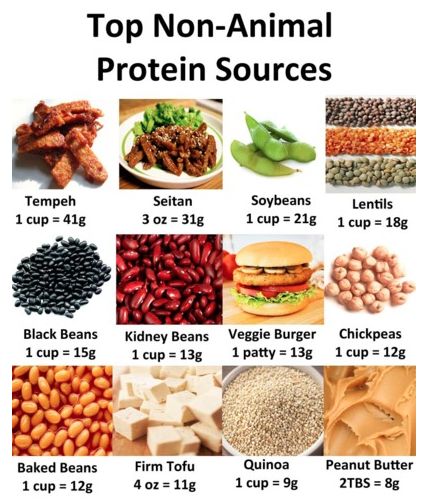
Vegan Protein Options

277688793121a154f99d38c67e862b30

I am an unapologetic omnivore and would miss animal protein too much to ever cut it out of my meal regimen. However, I understand and respect the fact that other people may choose to avoid meat. Though it can be a challenge to consume sufficient protein if you’re vegetarian or vegan, it can be done, even if you compete in bodybuilding contests or other sports.

Daily protein intake for the average individual should be around 0.8 gram of protein per kilogram of body weight, but I recommend a MUCH higher intake for weightlifters. For example, though I am 116 pounds, I typically consume anywhere from 120 to 170 grams of protein per day, spread out over 5 to 7 small meals. If I were vegan, though, I would consume one or two additional meals per day to ensure that I got enough protein in my system to maintain muscle mass.

Vegans and vegetarians need to be careful with their consumption of nuts and seeds, because they have a high caloric density and are packed with fat. Another challenge is the fact that plant protein sources are notorious for being incomplete proteins, which means that they don’t provide all the amino acids the body needs to function. Soy is a main source of complete plant protein which I never recommend (exceptions are tofu and tempeh), and I advise my patients and clients to avoid soy protein powder, soy milk, and other soy based products like the plague for a multitude of reasons. That leaves grains like quinoa and amaranth on the very small list of complete plant proteins which I recommend to vegetarians and vegans.

A certain amount of creativity must exist in the diet of a vegetarian or vegan in order to ensure that all the amino acids the body needs are eaten. What I mean by this is that protein sources should be combined so that whichever amino acids are absent in one protein source will be provided by another. In general, grains, seeds or nuts can be paired with legumes to form complete proteins. One great example is nut butter on bread. Another great option is brown rice and chick peas.

Below is a list of the best vegan protein sources.

Tofu

Tempeh

Soybeans

Lentils

Pinto, kidney, or black beans

Garbanzo beans

Quinoa

Almonds

Cashews

Walnuts

Peanuts

Sesame seeds

Avocado

Broccoli

Spinach

Kale

Sweet potatoes

Veggie burger

Veggie sausage

Draped In Gold…Ravish Sands Competition Suit MUST SELL

10363339_751936458170126_1023755265943085552_n

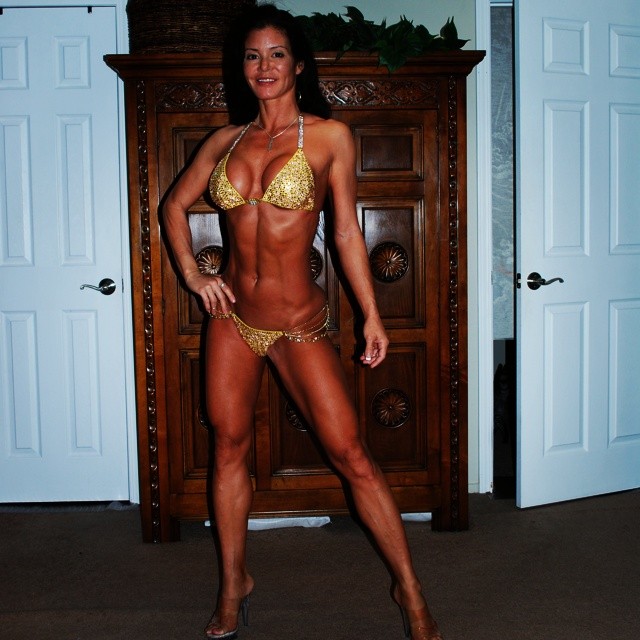
I love this GORGEOUS Ravish Sands suit, but it really needs to go, as it is a reminder for me of what I have decided to let go of, i.e., the world of competing. This is a custom made suit, and is perfect for the NPC or IFBB Bikini competitor who wants to be a golden goddess! The base of the suit is a hologram yellow, and the top and the front of the bottoms are heavily crystallized with Swarovski crystals. The gold and rhinestone chain connectors are flirty and sexy, and gently drape around and under the hips.

I paid $500 to have this suit made, and wore it on the IFBB Pro stage at two events in 2014. The suit is in fantastic condition, with no missing crystals or signs of wear, and there is only a minimal amount of staining on the inside of the suit from competition spray tan.

This suit will fit a 34 to 36 C or D cup, and the bottoms will fit a 34 to 35 inch hip. For reference, I am 5’5″, and I competed in this suit at 119 lbs., with 34-24-34 dimensions.

I am now willing to let go of this suit for $165 which includes shipping.

Please message me at stacey@staceynaito.com if you are interested. Serious inquiries only. I really want this beautiful suit to go to a good home!

Fitting Into Your Skinny Jeans Is ALWAYS A Victory

IMG_20160501_083051

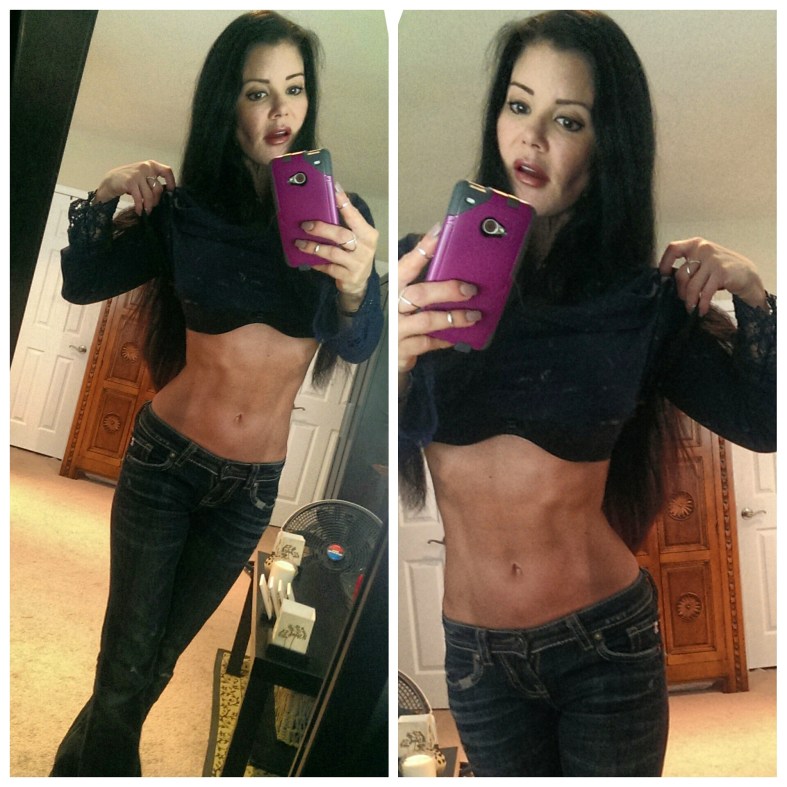
I have a pair of M.E.K. denim jeans in size 24 which I wasn’t able to wear for about 3 years due to my booty and leg building workouts and a battle with water retention issues in my midsection. I came very close to getting rid of them, since I could only fit into my 25’s all this time. Then a few weeks ago, I put on my 25’s and they were hanging on me, so I decided to give the 24’s a try.

TA-DA, they fit!

Fitting into Skinny Jeans

I was pretty happy when I could pull the 24’s over my butt, and when I was able to button them up without tugging, jumping up and down, or lying on the floor, I was ecstatic. I know that my hips look very narrow in the pic I posted, but it’s truly just the angle of the image. My hips measure about 33 inches (they were 34 inches for all of 2015), but every part of me has shrunken down, gotten leaner and more compact. The fact that a pair of jeans which I thought would only take up space in my armoire finally fit again made me almost giddy. I don’t feel “too skinny”, and at 115 pounds, I know for a fact that’s not true. I no longer feel like I want to pack on a bunch of muscle to build up my quads and glutes. I would rather let the natural ectomorphic tendencies of my body to take over a bit now. Since my body is doing it without me trying, why fight it?

It’s such an extraordinary feeling when you fit into your “skinny” jeans, isn’t it?

What Kind Of Body Do You Want This Summer?

IMG_1963

Summer is almost upon us, which means that more skin-baring outfits will appear, and the pressure to look as good as possible will be greater than ever. So what do you do if you’ve been cozily hiding under a layer of winter storage fat for the last few months or years? There isn’t much time to strip that away, but it definitely IS possible to reveal a trimmer, more toned you for the warmer weather that is right around the corner.

The first and most important thing to do in order to build a body transformation strategy for the summer is to define your goals. Make sure that they fit the SMART criteria: SPECIFIC, MEASURABLE, ACHIEVABLE, RELEVANT and TIMELY. Let’s look at each aspect more closely.

SPECIFIC: The more specific you are in defining your summer transformation goals, the more likely you are to be successful in reaching them. A good specific goal could be losing body fat.

MEASURABLE: Let’s look more closely at the body fat reduction goal that I mentioned above. What if you set a goal of losing 5% of your body fat? By doing this, you have now made that goal measurable.

ACHIEVABLE: Make sure that you can actually reach the goals you put in front of you. For example, if you have an excessive amount of storage body fat, it would be unreasonable for you to try to lose 15% of body fat by the beginning of July. However, an achievable goal of 5% is much more reasonable and completely attainable.

RELEVANT: The goals you set should match up to your abilities and interests. For example, if you have been a complete couch potato for years, it would not be relevant to your lifestyle or skill set to aim to prep for an Ironman competition by July. A relevant goal that would still enable you to successfully reach a higher level of fitness would be to prep for a 5k walk/run in July.

TIMELY: In the above examples, I mentioned early July as a timeline marker. By setting a target date, you will establish a framework upon which you will build an action plan.

When I perform nutrition and fitness assessments, I always advise my clients and patients to follow the SMART acronym. Another thing I love to suggest is the development of a vision board. A vision board can be as simple as having a photo of a celebrity or other person who has the kind of physique that a client covets. In some cases, the photo may be of the client from earlier, leaner days. In either case, the photo serves as a perfect carrot to chase after. I always suggest placing the photo on a bathroom mirror or a refrigerator door. Another clever and very effective place for an inspiring photo is to use it as a computer or phone wallpaper design.

If you really want to get creative and inspired, you can create a larger vision board, either digitally or via old-school printed photos and inspiring quotes and messages. Just make sure that whatever you create, you believe 100% in what is on the board, and that you can attain it all.

“Do You Still Compete?”

First Place Masters Bikini 35+ B Class, Team Universe, July 2013

First Place Masters Bikini 35+ B Class, Team Universe, July 2013

Whenever I hear that question now, I have mixed feelings, which range from a sense of longing for the stage, to complete relief that I have not stepped onto a bodybuilding stage for close to two years now. My short answer to the question, “Do you still compete?” is “Probably not.”

Though I competed in four Pro Bikini events, I was struggling so much with metabolic damage and perimenopause that I often think it wasn’t the best idea to jump onto the Pro stage only 4 months after I won my IFBB Pro Card. That sort of strategy might work for a twenty-something competitor who is at the top of the heap, but it didn’t work for my 47-year old body which had been beaten down physically, emotionally, and mentally. I honestly needed a break, but I pushed through, and as a result had ho-hum placings.

It has taken over three years for my body to return to a level of leanness which I feel comfortable with. I know you might assume that I was in a massive spiral with my weight and body fat, but it wasn’t THAT bad, at least not compared with many other competitors who spiral. Nevertheless, I spent over two years with excess fluff that I was not accustomed to at all, and I couldn’t stand how I looked or felt.

Here’s the breakdown of my stats throughout the years:

From age 21 through 43: Between 104-109 lbs., 11-13% body fat
2010 – Age 44: 112-113 lbs., 12% body fat
2011 – Age 45: 114 lbs., 12% body fat
2012 – Age 46: 115 lbs., 12% body fat
2013 – Age 47: FIRST HALF OF YEAR: 117 lbs., 11% body fat SECOND HALF OF YEAR: 119-126 lbs., 13-18% body fat
2014 – Age 48: 121-125 lbs., 14-18% body fat
2015 – Age 49: 119-123 lbs., 12-15% body fat
2016 – (soon to be 50): 115-119 lbs., 11-13% body fat

It has been a veritable see-saw for me over the years. I also firmly believe that I would not have gone through menopause as early as I have if it had not been for all the metabolic insults I made to my poor body as a result of competing. Since 2013, I have investigated every possible cause for the water retention issues which rather suddenly hit me. This year I have FINALLY been able to rid myself of the excess fluid around my midsection, but somehow that was at the cost of the fullness in my glutes which I had worked so tirelessly to achieve during the years in which I competed.

If you ask me what my plans are for competing, don’t be surprised if I evade the question. I realize with each passing day that competing is no longer something which I rely on to define who I am. I have paid my dues and proven my worth, and though I completely understand why people have a drive to compete, I am no longer chomping at the bit to throw on a ridiculously expensive, blingy bikini and stripper heels and put myself at the mercy of a panel of judges.