That Ever-Elusive Pro Card

Originally published on mensphysique.com on Friday, 09 August 2013

http://www.rxmuscle.com/blogs/the-life-inspiration-and-dedication/8988-that-ever-elusive-pro-card.html
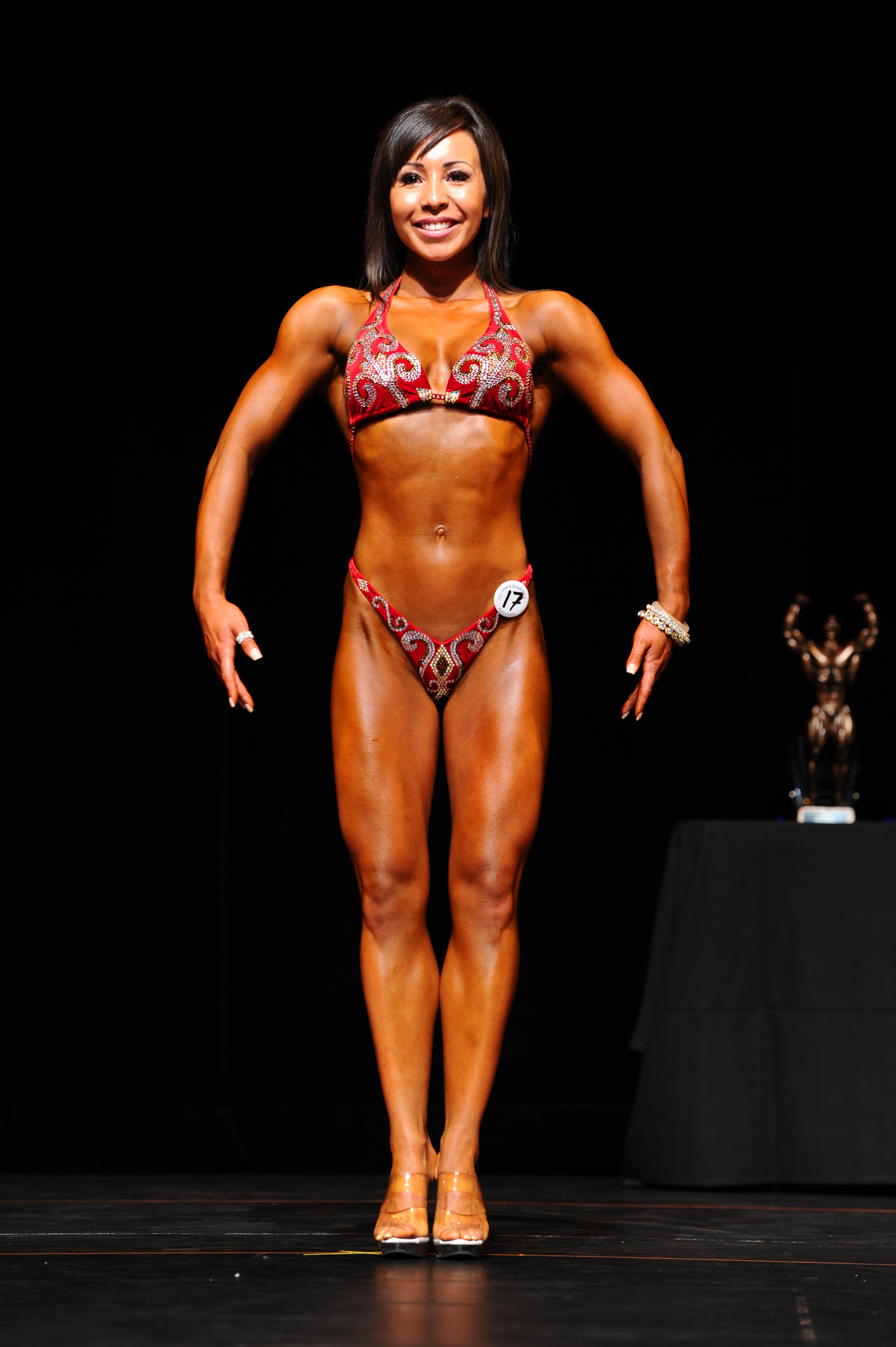
Pro Card (1)
There have been many occasions in which I have heard a freshly nationally ranked NPC competitor declare that he or she will hit the national stage and easily snap up an IFBB Pro Card. While I applaud the competitor’s enthusiasm and drive, I cannot help but snicker to myself when I hear such a statement. Honestly, if it were that easy to earn a Pro Card, there would be Pros populating the country in droves. Alas, there are only a finite number of Pro Cards given out each year, and the competition for them is fierce.

I will often see competitors who have made such a declaration months later who are shocked that they have not yet achieved Pro status. They mention being stunned, frustrated and dejected, and often will state that they are considering leaving the sport altogether. Let me tell you something: I stepped on the national stage fourteen times before I earned my Pro Card.

There certainly were times that I was discouraged, and there were moments during which I had pondered the possibility of walking away from the sport. Yet I kept getting back on the stage, improving my game each time and proving to myself that I was strong enough to overcome the roadblocks that kept Pro status at bay. Thankfully, all of my dedication and stubbornness finally paid off, but it was a long and arduous journey.

I think it is very important to bear in mind how competitive national NPC bodybuilding contests are. There are over 100 national qualifying NPC local contests across the nation each year, with some events in large metropolitan areas bringing in more than 100 competitors in each of the most popular divisions (Men’s Physique, Figure and Bikini). Since only the top five competitors in these divisions are given national qualification, such contests can be brutally competitive.

These nationally qualified competitors then hit the national stage, usually competing against an average of thirty other competitors (there were a record 72 competitors in one Men’s Physique class in 2011) who are considered the best in the nation. So what makes you think you can easily snap up a Pro Card? You may prove me wrong, but it is foolish to boast that you will easily get one from your first foray into a national NPC contest.

By no means am I trying to discourage anyone from competing. What I hope to do is to encourage competitors to be realistic yet unrelenting in their pursuit of personal excellence as they reach for Pro status. It is always a good idea to talk to the judges after a contest to obtain valuable feedback. It is also important to look at your contest photos, especially the comparison photos. If there are changes which need to be made, make them before you hit the stage again. Most importantly, do not get discouraged. Good things come to those who persevere!

Natural Libido Enhancers

Originally published on mensphysique.com on Wednesday, 05 June 2013

http://www.rxmuscle.com/blogs/the-lab-supplement-school/8399-natural-libido-enhancers.html
boner_rock
Testosterone is responsible not only for optimal muscle mass, it is also vital for sexual drive and function. For those of you who compete, chances are that you are already consuming several of the foods, minerals and herbs which are known to enhance testosterone production, but let’s review them here. If you are having issues with a lagging libido, you might want to add a couple of substances that are not yet in your regimen.

ZINC: This mineral has an essential role in testosterone production, and for this reason EVERY man (barring any medical contraindication) should make sure that he consumes enough zinc to maintain normal levels in the body. The most readily absorbed form of zinc is found in animal protein, which is normally consumed in large quantities by people in the bodybuilding and fitness industries. Another well known source of zinc is oysters, but these are not usually consumed on a regular basis. You may wish to supplement your animal protein intake with zinc tablets or capsules to ensure optimal levels of zinc.

L-ARGININE: This amino acid is also referred to as Nature’s Viagra due to its support of nitric oxide release during sexual arousal. Perhaps you may have noticed a sexual surge when pumping iron at the gym and pounding your pre-workout matrix. You can thank l-arginine for that surge since it maximizes nitric oxide release and thus blood vessel dilation EVERYWHERE in the body. That translates to firmer erections in the bedroom. Great food sources of l-arginine include red meat, poultry, salmon, garlic, oatmeal, nuts, beans and dairy products.

MACA: This herb has been used for centuries to increase sex drive and function.

HORNY GOAT WEED: This potent herb is quite effective at increasing libido with little to no side effects.

MUIRA PAUMA: Another herb known for enhancing the libido.

GINSENG: Enhances libido.

YOHIMBINE HCL: I am not a huge fan of yohimbine due to its side effects (gastrointestinal upset, sudden blood pressure drops, nausea), but it can be effective in increasing blood flow to the genitals. Make sure to look for the pharmaceutical grade product if you choose to use this substance. Take 5 to 10 milligrams three times daily.

TRIBULUS: This is also known as devil’s Weed, and has been used for many years as a natural libido booster. Tribulus contains saponins which stimulate the production of luteinizing hormone in the pituitary gland, thus supporting the body’s production of testosterone. However, the general consensus is that tribulus does not have an appreciable effect on boosting testosterone levels, but it still has a positive effect on libido.

ASPARAGUS: Many of you are aware of the diuretic effect of this vegetable, but asparagus is also a rich source of vitamin E, which enhances sex hormone production. Asparagus also triggers production of histamine which facilities orgasm.

AVOCADOS: This fruit is not only rich in healthy fats, it is also loaded with folic acid, vitamin B6 and potassium, all of which support optimal androgen production.

BANANAS: Bananas are rich in bromelain which enhances libido and may help with erectile dysfunction.

CELERY: This vegetable increases androstenone and androstenol in a man’s sweat and also increases the patency (decreases risk of clogging) in the arteries.

CHOCOLATE: I had to include this despite the fact that it is not the most contest friendly substance. Chocolate is rich in arginine, which increases nitric oxide levels in the body and supports strong erections. It also supports feelings of sexual desire by supporting dopamine secretion via a substance called phenylethylamine.

Posing Essentials For NPC Figure And Bikini Divisions

Originally posted on RxGirl on Sunday, 17 February 2013. The original post was published with white text on white background, so the only way to read it on the site is to highlight the text. To make things easier for everyone, I have copied and pasted the article here for you to read.

http://www.rxmuscle.com/rx-girl-articles/7521-posing-essentials-for-npc-figure-and-bikini-divisions.html

Figure Front
With so many ladies vying for top placings at NPC local and national shows, a primer on how to pose is essential. When I serve as trophy girl at Jon Lindsay’s contests, I notice a lot of girls who do not have a clue on how to pose and who clearly do not know how to display their hard-earned physiques to their best advantage.

I have broken down posing essentials by division, describing each mandatory pose as well as transitions. I also STRONGLY advise you to do the following:

1. Watch videos on YouTube of competitors who have done well at competitions at your level, whether it be local or national.
2. Practice, practice, practice! Schedule regular practice sessions so that you are comfortable with walking, posing and doing comparisons. Practice IN YOUR SUIT AND HEELS in front of a mirror! It makes a huge difference when you pose in the outfit you will be wearing onstage. You will be able to see the lines of your body when you practice in your suit and the heels will shift your center of gravity as well. In addition, you will be able to break in your shoes before contest day. It is also helpful to have someone shoot some video footage so that you will have feedback on how you look when you pose.

FIGURE:
With the Figure Division, the steps taken are very small and the hips are kept level in an effort to preserve the competitor’s symmetry. Figure poses are defined by a close foot stance.

Quarter Turns = Mandatory turns, front, sides and back. In side posing there is a slight torso twist. Make sure to hold each pose for two seconds (“one one thousand, two one thousand”).
FRONT: Feet and legs together, can turn toes out and turn knees out slightly to accentuate quad sweep. Keep hips slightly bent, stretching out abs, lifting chest out and engage your abs and quads. You will also flare out your lats. Arms will be out to side and forearms and hands graceful and relaxed.

SIDE STAGE RIGHT: Feet and legs together. You will twist your torso slightly toward audience while keeping a slight bend at the hips. Place front arm slightly behind you and back arm in front of the body and make sure those hands are graceful! Engage those abs! You will be looking stage right and NOT at the judges, but be sure to smile and keep your chin up!

BACK: Stand with feet and legs together with your bodyweight shifted onto your toes. Stick your butt up and out to smooth out your hams and glutes, and tighten your hamstrings and glutes. Whatever you do, do NOT squeeze your glutes together or you’ll enhance ripples and other imperfections back there. Make sure to engage your entire back and flare your lat region while also keeping shoulders extended to sides to enhance their caps. Tighten upper arms with a very slight bend in the elbow, but also keep forearms and hands relaxed and graceful, with your hands within a few inches from your hip line. If you have long hair, you will need to move it to the front so that you can display your back fully.

SIDE STAGE LEFT: Feet and legs together. You will twist your torso slightly toward audience while keeping a slight bend at the hips. Place front arm slightly behind you and back arm in front of the body and make sure those hands are graceful! Engage those abs! You will be looking stage left and NOT at the judges, but be sure to smile and keep your chin up!

TRANSITIONS: Transitions are even more difficult to master as they should look graceful without losing your body lines as you do so. You can transition one of two ways:
1. Step slightly forward and to the right with your left foot, slightly crossing in front of right foot. Pivot one quarter turn to the right on your left foot, then plant right foot into next pose.
2. Step to the right with your right foot, then pivot body one-quarter to the right as you step with left foot and then hit your pose.

With both methods, you need to make sure that the arm which faces the audience should be held behind you slightly so that you are not covering the side of your body. This is also known as “opening up” the arm.
STANDING ON THE DIAGONAL: You will stand at the diagonal with a slight twist to the waist so that your upper body is angled more toward the audience while your lower body is angled towards the center of the stage. Make sure to hold the arm that is close to the audience out to the side so that your body lines are visible. Your other hand can rest on your hip. Also make sure that no matter how you stand that your competitor number is visible! The entire time, you should be keeping everything tight and smiling!

BIKINI:
The Bikini Division is defined by larger steps and a shifting of weight onto one hip during the front pose and turns in order to increase the illusion of an S-curve. The standard front and back poses involve a wide stance with feet wider than shoulder width apart.

Half Turns = mandatory turns, front and back. Make sure to hold each pose for at least two seconds (“one one thousand, two one thousand”).
FRONT: Stand with feet wider than shoulder width apart and angle one hip slightly back. This increases the S-curve in your torso. Stretch out abs, lift chest out and pull shoulders back. You can place your hand on the hip that is angled back, while the other arm can hang gracefully at your side.
Bikini Front
BACK: Stand with feet shoulder width apart or wider and stick your butt up and out to smooth out your hams and glutes. I always tell my contest prep clients to think of themselves as cats in heat, with their butts high up and an exaggerated curve in the low back to emphasize the roundness of the glutes. Whatever you do, do NOT squeeze your glutes together or you’ll enhance ripples and other imperfections back there. Your upper body must be completely upright – do not hunch forward! Most girls will place their hands on their anterior thighs for extra stability while holding this position.

Another position which is very popular in this division is to stand with one foot crossed in front of the other, while popping that butt up in the air.

TRANSITIONS: The cleanest bikini transitions are similar to a salsa pivot turn.
1. Step forward with the leg that is further back on the stage.
2. Step slightly forward with the other foot and pivot to the other side so you are facing to the side of the stage. In other words, if your first step was with the left foot, you will step with your right foot and pivot to the left so you are facing stage left. When you transition from front to back, pop your butt out towards the audience to enhance its fullness.
3. You will then do a two step sequence so that your feet land in your next pose stance.

STANDING ON THE DIAGONAL: This is the same as for Figure.

This is not meant to be a full primer but is designed to provide basics for ladies who are new to competing in figure or bikini. I always stress the importance of watching videos because they yield valuable information on how to pose.

Now get out there and strut your stuff!

Fenugreek Enhances Performance

Originally published on mensphysique.com on Wednesday, 16 January 2013

http://www.rxmuscle.com/blogs/the-lab-supplement-school/7362-fenugreek-enhances-performance.html
fenugreek leaves and seeds (1)
Fenugreek (Trigonella foenum-graecum) is a plant indigenous to India and Northern Africa that has demonstrated effectiveness in treating sexual dysfunction and which can increase sexual arousal partially by boosting testosterone levels. Fenugreek also has a myriad of other benefits, among them reductions in cholesterol and lower fasting blood glucose levels in diabetics. For this article, let’s focus on performance related benefits which fenugreek offers.

A 2011 study which examined the effects of 600 milligrams of fenugreek extract versus placebo in men who suffered from erectile dysfunction found a significant increase in sexual arousal and stamina in the men who were supplemented with fenugreek. Fenugreek also helped to maintain a normal testosterone level in the test subjects. For many men, that is reason enough to supplement with this plant, but fenugreek also has a beneficial effect on body composition and strength.

One published study from 2010 examined 49 men who engaged in regular resistance training and had them supplement with either 500 milligrams of fenugreek extract daily or with a placebo. During this time, the participants continued a four-day per week weight training program. After eight weeks the subjects were assessed in their strength while performing bench presses and leg presses and also had their body fat measured. The men who were given fenugreek supplementation had significant improvements in both weight training strength and body fat percentage when compared with the group who were given the placebo. In addition, a measureable increase in testosterone levels was discovered in the men who took fenugreek.

The reason for the boost in testosterone which fenugreek confers is due to a substance known as diosgenin. Diosgenin is one of a class of substances known as steroidal saponins, substances which can be converted to the sex hormones testosterone, progesterone, and estrogen. In men, diosgenin increases the testosterone metabolite DHT, which is then converted easily to testosterone. For this reason, it may be especially helpful to take supplements with fenugreek in men who have fluctuating or low natural testosterone levels.

Help! My Face Is Falling

Originally published on RxGirl on Friday, 04 January 2013. The original post was published with white text on white background, so the only way to read it on the site is to highlight the text. To make things easier for everyone, I have copied and pasted the article here for you to read.

http://www.rxmuscle.com/rx-girl-articles/7293-help-my-face-is-falling.html
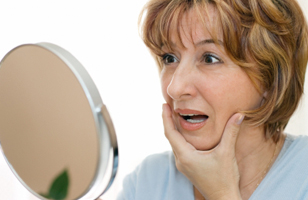
Wrinkles
An inevitable consequence of the aging process is the loss of elasticity in the skin that we often take for granted when we are young. This loss of firmness is amplified by competition diets and training which can trim storage fat stores to the point that female competitors’ faces look positively skeletal. My eye is trained to scan a person’s face for areas of lipoatrophy, elastosis, rhytids, shifting of malar fat pads, etc….in other words, sunken, sagging, drooping, wrinkled skin. The degree of elastic breakdown and loss of soft tissue fullness that I see in an average fifty year old is something I commonly see in many female competitors as young as their late 20’s. This process only gets worse over time unless the competitor is willing to do something to prevent progression.

What can a competitor do once her skin has started this dreaded sagging process?

There are laser treatments available which help to resurface and refine the skin and which can also tighten the skin somewhat. However, these treatments are often too expensive for competitors, especially when considering all the costs associated with competing. Another viable and cost-effective solution to the issue of loosening skin is a chemical peel. There are many different types of chemical peels available, ranging from very light glycolic acid peels to an aggressive TCA (trichloroacetic acid) peel. One composite peel (phenol, TCA, salicylic acid and Retin-A) which is my personal favorite is the Vi-Peel which is well tolerated, painless, and confers a good tightening effect on the skin.

Another wonderful option to correct the loss of volume in the face and add structural support is fillers. There are a number of hyaluronic acid based fillers available now (Restylane, Perlane, Juvederm, Belotero) which last 6 months to a year. Radiesse is another natural filler option which is comprised of calcium hydroxylapatite. Radiesse also acts as a biostimulator, stimulating cells in the skin to produce collagen over time. Another wonderful feature of Radiesse is the fact that it lasts 18 months or more.

If you have wrinkles in the forehead and around the eyes, Botox and Dysport are excellent treatments and will last for 3 to 6 months.

If you are in the Los Angeles area, I offer filler and Vi-Peel treatments. Please go to my medical website for more information: http://www.staceynaito.com

Why You Should Add Curcumin To Your Diet

Originally published on mensphysique.com on Sunday, 09 December 2012. The original post was published with white text on white background, so the only way to read it on the site is to highlight the text. To make things easier for everyone, I have copied and pasted the article here for you to read.

http://www.rxmuscle.com/blogs/the-lab-supplement-school/7143-why-you-should-add-curcumin-to-your-diet.html
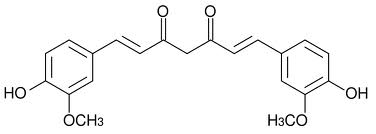
Curcumin diagram
Antioxidants have become a hot topic in combating disease in recent years, and the list of these substances has grown thanks to extensive research which has been conducted and disseminated to the public. A particularly powerful antioxidant is curcumin. Curcumin, an extract which is derived from turmeric, has been used in Asian curries for many centuries and has also been used for treatment of arthritis and other health conditions. Only recently has curcumin received attention from the United States regarding its remarkable benefits as a potent antioxidant.

Perhaps the most exciting potential benefit of curcumin is that it may help to prevent and treat cancer by inhibiting cancer cell growth and the growth of blood vessels which feed into tumors. There is some speculation that curcumin can prevent cancer cells from multiplying and is also capable of causing self-destruction of cancer cells. As if this wasn’t enough, there is a possibility that curcumin may prevent Alzheimer’s Disease by decreasing the accumulation of amyloid which characterizes this disease.

Here is a list of other benefits which curcumin confers:
· Accelerates wound healing
· Acts as a cleanser for the liver
· Regulates metabolism and assists in weight loss
· Reduces LDL cholesterol and raises HDL levels
· Decreases severity of inflammatory skin disorders such as psoriasis
· Acts as a natural painkiller

If these reasons are not enough to compel you to add curcumin supplementation into your meal plans, consider the fact that curcumin reduced the COX-2 enzyme in the body, thus decreasing the pain and swelling of arthritis. In fact, recent studies revealed that curcumin was even more effective than ibuprofen (Motrin, Advil) in its anti-inflammatory effects. One particular study in Italy which was conducted on 50 patients, all of whom had confirmed knee osteoarthritis, found a 58 percent decrease in reported overall pain and stiffness as well as an improvement in physical functioning among the curcumin group versus the control group.
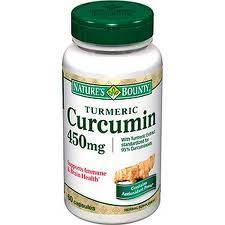
Curcumin bottle
How To Take Curcumin
Some individuals may prefer to ingest curcumin in the form of straight turmeric powder which can be added to meals or tea. However, I prefer to take curcumin in capsule form. If you opt for the capsule version, look for formulations which contain piperine, or black pepper extract. Piperine augments the gastrointestinal absorption of curcumin. Recommended daily dosage is 400 to 600 milligrams per day. For acute flare-ups of arthritis or other musculoskeletal pain, you can double the dosage until the acute phase abates.

Emotional Eating

Originally published on RxGirl.com on Monday, 12 November 2012. The original post was published with white text on white background, so the only way to read it on the site is to highlight the text. To make things easier for everyone, I have copied and pasted the article here for you to read.

http://www.rxmuscle.com/rx-girl-articles/6941-emotional-eating.html

emotional-eating ice creamRather than discuss well-known emotional eating disorders such as bulimia, I will concentrate on binge eating which many women engage in from time to time. It is important to recognize this behavior if it becomes a regular pattern, because frequent emotional eating warrants a diagnosis of binge eating disorder and requires treatment and intervention.

Binge eating is characterized by eating compulsively to cope with negative emotions and stressful situations. A binge eater is rarely hungry when she begins to eat and will continue to eat well after she is full. Such episodes can last for up to two hours or can occur off and on throughout the day. The binger feels guilty both during and after the episode, but will not attempt to counteract it by fasting, taking laxatives, vomiting, fasting or over-exercising. A strong lack of self-control as well as feelings of shame will accompany this behavior pattern. There is a strong association between binge eating and depression. Binge eating is also driven by social components such as social pressure to be thin, emotional and sexual abuse, parental criticism of a child’s weight, and the use of food as reward or punishment.

Food cravings are usually the strongest when you are in emotional crisis. You may reach for food for comfort or to serve as a distraction. Consider the following highly stressful events and think about whether you reached for comfort foods during such times:

· Financial problems
· Health problems
· Work issues
· Relationship issues
· Fatigue
· Family issues

Though some people will lose their appetites when stressed and will refrain from eating, many others will engage in impulsive eating in an effort to deal with negative emotions. This may be relatively harmless if such emotional eating occurs on a very rare occasion, but becomes a serious problem when it is used as the only coping mechanism for stressful situations or negative emotions. Just bear in mind that if you have a rare moment of weakness, it is important to recognize it as just that and to prevent yourself from spiraling into excessive feelings of guilt over the incident. If you engage in an episode of emotional eating, learn to forgive yourself and have a fresh start the following day.

Why We Engage in Emotional Eating

What occurs almost invariably when we eat emotionally is that we turn to cookies, cakes, candy, fried foods and breads rather than to healthy foods. There is a biochemical basis for such behavior. Carbohydrates which are high in sugar or fat release dopamine in our brains which in turn stimulates the brain’s pleasure center, creating a sense of euphoria. These foods are usually associated with pleasurable memories, such as cake which you may have looked forward to on your birthday, or macaroni and cheese as a treat after school when you were a child.

Food can also serve as a happy distraction from conflict or stressful events by stimulating the aforementioned pleasure centers. What will frequently occur is that an excessive amount of these foods will be consumed. However, if you remain aware of such automatic connections between food and mood and realize when you are eating for reasons other than hunger, you can break this cycle and get back on track with healthy eating habits which are associated with true hunger.

How To Combat Emotional Eating

· Keep a food diary. Get in the habit of writing down everything you eat and drink, including the quantity, the times at which you eat, your emotional state while eating the meal, and your level of hunger. By doing this you may see patterns which will reveal your emotional relationship with food.

· Remove tempting foods. Avoid stocking comfort foods in your home if you find that they are difficult to resist. And by all means avoid making trips to the grocery store if your emotions are spiraling out of control!

· Practice stress management. Yoga, meditation, and relaxation techniques are effective methods of managing your stress.

· Determine whether you are truly hungry. Many times people may believe they are hungry when in reality they are actually emotionally distraught and desperately searching for a way to defuse such emotions.

· Make sure you consume adequate calories. Individuals who are trying to lose weight will often restrict their calorie intake too much, and will turn to the same foods in an effort to remain on track without rewarding themselves with an occasional treat. Adding variety to your meal plan will also help to keep you on track.
Emotional_Eating cake
· Distract yourself. If you get an urge to snack when you aren’t truly hungry, distract yourself by watching a movie, calling a friend, reading, listening to music, or taking a walk.

· Consume healthy snacks. If an urge to snack between meals strikes, choose a low-calorie snack such as vegetables with seasoned nonfat Greek yogurt, fresh fruit, low fat cottage cheese or rice cakes.

· Get enough sleep. Getting enough sleep is an important component in decreasing cravings for comfort foods.

· Eat at regular intervals. Consume smaller meals every three to four hours to keep you from feeling hungry or deprived.

· Focus on the experience of eating. Learn to eat in a mindful manner, in which you pay attention to your meal and only your meal. Become aware of the sensations associated with eating.

· Reward yourself. It is both physically and emotionally unhealthy to practice excessive calorie restriction for prolonged periods. Allow yourself to have a favorite food or meal once each week.

· Connect with your emotions. When a food craving hits during an emotional time, write down the emotions you are experiencing, such as sadness, loneliness or anger.

· Seek professional help if emotional eating is frequent. There are countless support groups which you can join which will help you to develop insight as well as the skills to avoid engaging in such behavior.