Easy Hairstyles For The Stage

Originally published on RxGirl on Thursday, 09 October 2014

http://www.rxmuscle.com/rx-girl-articles/11651-easy-hairstyles-for-the-stage.html
322677
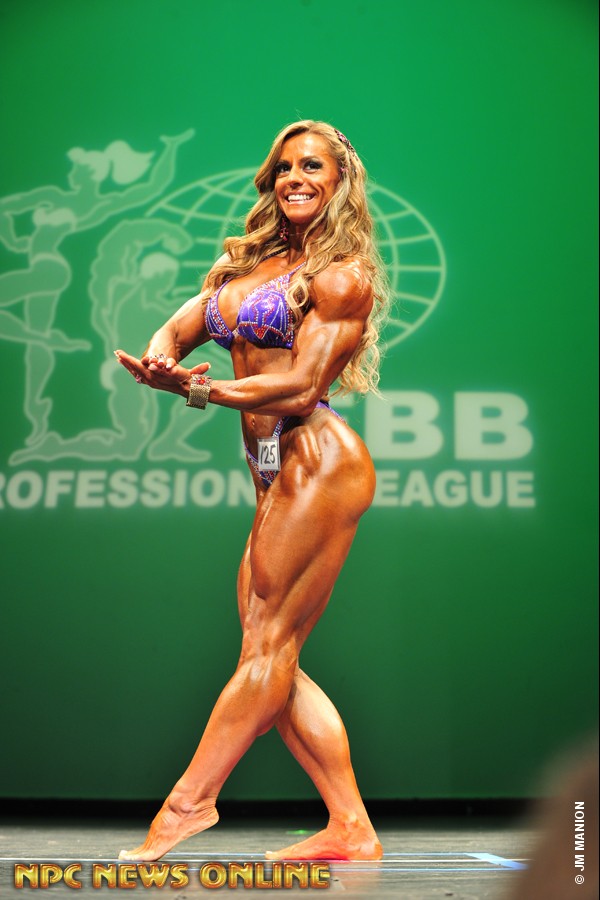
After competing for six years and fussing with different hairstyles for the stage, I have adopted a less-is-more attitude and have found that the NPC and IFBB judges seem to prefer a more natural look in competitors these days. There is no reason to fuss incessantly over one’s hair unless someone is going for a rat’s nest look. The more natural a style is, the better it looks onstage and the more it flatters a competitor’s facial features a322677nd physique without distracting the judge’s eye from essential judging elements.

A great hairstyle for stage should follow these guidelines:
1. It should flow nicely with the lines of the body, especially in women’s physique, fitness and women’s bodybuilding where there is a lot of movement.
2. It should look natural and not overdone.
3. If a competitor opts for an edgy look or cut, it should complement the appearance and demeanor of the competitor as well as the routine performed.
4. In most cases it should have a bit of height at the crown.

Please don’t go for the overcurled, oversprayed look which makes competitors look like beauty pageant rejects from 1984. It’s no longer in fashion and looks clownish onstage. A BIT of hairspray is fine, as long as it is used to increase volume at the crown or hold the general shape of a hairstyle while still allowing some movement. Women who have fine, thin hair often have to use hairspray, hairpieces and extensions for extra volume and length, but if the hairstyle doesn’t create a seamless blend of natural hair with the extensions, the results can be quite unattractive.

If you have difficulty doing your own hair, hire someone to do it for you. Many competitors visit the hair salon early in the morning before a contest to make sure that their hair is styled to their liking. However, if you are blessed with great hair which needs little styling, you might want to save some money and try one of the basic styles listed here.

LONG & STRAIGHT:
The latest trend for competitor hairstyles has been the long, arrow straight, flat-ironed look. This is a great look for “ethnic” ladies who have thick, dark hair. Even the curliest hair can look beautifully sleek onstage when it has been straightened. This particular style is especially popular within the Bikini division and one which I turn to for most contests I compete in now. If you decide to go for this look, make sure to flat iron small sections to get the best effect, and add a bit of height at the crown. Also make sure to arc the hair away from the face so that it doesn’t fall into eyes and cover up facial features. This can easily be done by arcing the flat iron in a C shape around the face.

BEACHY WAVES:
If you opt for a wavy look, and your hair is naturally straight, the best and most natural way to achieve this look is to put damp, clean hair into one big braid, or twist your hair and pile it into a bun, and keep it like that for several hours. Another way to get beachy waves is to use a 2-inch barrel curling iron. I always advise curling the hair in front in a direction away from the face so that it doesn’t keep falling forward and covering facial features.

682983
SOFT CURLS:
Many women opt to curl their hair with a 1 inch or 1-1/2 inch curling iron, hot rollers, or regular rollers, imparting a soft, feminine look. This is a very popular and simple look for any women’s division. However, if your hairstyle has to be perfectly curled every second, and you have limp, fine hair which doesn’t hold a curl well, you run the risk of having a meltdown backstage. I have seen competitors work on their hair literally for hours on end, constantly fussing, spraying, teasing, only to have it all fall by the middle of prejudging. So by all means do the soft curls as long as you know they will probably morph into beachy waves as the day progresses, especially if you are a fitness, physique or bodybuilding competitor performing routines.

NATURAL CURLS:
If you have naturally curly hair, why not let it be? If your curls tend to be unmanageable, allow a hairstylist to tame any frizz and add gloss and body to what you already have. You can also tame the frizz by using a diffuser on your hair dryer at home and create beautiful curls which look great onstage.

PONY UP:
Fitness competitors will often don a ponytail during their routines, but I love the elegance of a high ponytail which a handful of figure competitors have sported. Not only is it different, it shows the competitor’s face, neckline and upper back more clearly. Whether the ponytail is arrow straight, wavy or curly, it’s a good idea to slick back stray hairs with a bit of hairspray for a finished look.

The Details Count: Tips For Great Stage Hair

THE SHORT OF IT:
Some ladies have edgy, short hairstyles which completely suit them and look fantastic onstage. However, I wouldn’t advise getting a radically different haircut from what you are accustomed to right before a contest, because it could throw you off your game, especially if you aren’t happy with the results. Allow at least a couple of months between an extreme cut and a contest.

835744
TEASE ME:
I firmly believe that unless you have big hair, you need to do a bit of teasing at the crown and also volumize the hair around the face to give a bit of height and depth. Whenever I see ladies who go onstage with their hair completely flat against their skulls, their natural facial beauty is diminished and their heads look tiny. The key is to do a bit of teasing, apply hairspray to the teased sections, then smooth hair over it so that it looks seamless.

BARRETTES & CLIPS:
I am not a fan of stage hairstyles which feature hair drawn up into a barrette or clip because they interrupt the natural sweep of hair as it falls around the face, but this option can work well for competitors who have especially unruly hair. A bit of bling on a barrette can be very nice, but big bows and flowers generally look tacky onstage and should be avoided.

A PART OF IT ALL:
I see way too many competitors with deep side parts and hair falling into the face like Violet from the Incredibles, and to be honest, it isn’t alluring at all. All it does is hide the face and all the efforts of stage makeup application. If you are dead set on parting your hair on the side, style the hair around your face so that it arcs away from the face and frames it.
Since we are on the subject of hair parts, I want to caution you fair-skinned ladies on the importance of shading in the part with bronzer. If you don’t do this, a very prominent white line will be evident on your scalp which can be very distracting. Don’t forget that portion of scalp!

SHINY GIRL:
Stage lights will really make you stand out if your hair is shiny. For this reason, I highly recommend shine serum, but make sure to use a light hand with these serums to avoid looking like you fell into a grease pit! Pay attention to stray hairs and flyaways, as these catch the light and register as a strange haze or halo around the head.

One last bit of advice: It’s a good idea to plan out your hairstyle in advance, especially if you are in a division which requires you to perform a routine. Make sure you can move without any restrictions and without worrying if your hairstyle is staying in place. All the mental reminders about tucking in the abs, pulling shoulders back, walking properly in clear heels, etc. are worrisome enough, so you shouldn’t have to stress out over your hairstyle!


The If-It-Fits-Your-Macros Trend

Originally published on mensphysique.com on Thursday, 09 October 2014

http://www.rxmuscle.com/blogs/the-kitchen-eating-strategies/11653-the-if-it-fits-your-macros-trend.html
IIFYMslide
You have probably heard about the “If It Fits Your Macros” (or IIFYM) trend which has been increasing in popularity within the fitness and bodybuilding world. It’s not surprising that the concept was embraced and developed by people within the industry who were sick and tired of adhering to monotonous, restrictive meal plans in which the vast majority of foods were labeled as evil and forbidden. On a personal note, I jumped on the IIFYM bandwagon as well because I was fed up with avoiding certain so-called “bad” foods and also dealing with metabolic burnout from years of caloric restriction. What surprised me was the positive manner in which my body responded to taking in maintenance calories as opposed to constantly functioning at a caloric deficit which only served to slow down my metabolism.

The term macro refers to the principal nutrients which the body requires: protein, fat, carbohydrates. IIFYM dictates that as long as you fulfill the energy needs of your body, you can obtain calories from any food source. Let’s face it: your body needs a certain amount of protein, carbohydrate and fat, along with fiber and micronutrients such as vitamins and minerals in order to function optimally, but it doesn’t scrutinize every macronutrient gram as it is thrown into the body. On the other side of the coin, it is also important to bear in mind that most proponents of IIFYM do not consume large amounts of junk food either. As long as quality protein is consumed in adequate amounts to contribute to muscle growth and repair, along with micronutrients and dietary fiber to support normal digestion, it shouldn’t matter if a small percentage of caloric daily intake is obtained from discretionary or junk food items.

My personal opinion is that the quality of carbs still should come into play if you are employing an IIFYM approach. However, if the majority of carbs comes from quality sources such as oats, sweet potatoes and brown rice, a small amount of junk carbs (cookies, Pop Tarts) shouldn’t tip the balance too much. I am a fan of carb BACKloading and believe the largest insulin spike should come at night before you sleep, since you will be fasting for several hours.

I know some of you are still reading this with great skepticism and want to hold onto your six boring meals of tilapia and green beans every day, refusing to accept the concept of loosening the reins a bit and actually enjoying a variety of foods. IIFYM doesn’t mean that you lose control and eat whatever you want, whenever you want. What it DOES mean is that foods will no longer be forbidden or “bad”, and that you can actually consume them on a fairly regular basis as long as you keep track of your daily nutrient intake.

The main drawback of IIFYM is that you must track your food intake, which in a sense is another form of food fixation. However, there is a greater chance that you will meet your body’s nutrient needs than if you follow a cookie cutter, calorie restricted, orthorexia lover’s contest prep meal plan. When clean eating is followed 100% and the majority of food sources are banned, caloric restriction is almost inevitable. Such caloric restriction, when practiced for an extended period of time, will cause fat loss to stall and metabolism to slow down.

How about if you met your macronutrient needs without having to banish most foods from your diet? So many people in the world of fitness suffer from orthorexia, a psychopathological condition in which foods are labeled as “good” or “bad”, and in which individuals become socially isolated over their need to eat “correctly”. I have seen so many competitors struggle with an increasing difficulty in losing fat, so their coaches restrict their calories even more and ban more foods from their meal plans. Fruit, healthy fats, and healthy carbs are stripped away in an effort to lean the competitor out. Another thing to consider is what food deprivation does to people. If a food is “bad”, suddenly the temptation to indulge in that bad food is intensified.

You might want to consider trying IIFYM if you are in a slump with your current meal plan. You may feel like a hamster on a very boring and restrictive “clean eating” wheel in which you are only allowed to eat very specific foods in certain combinations. For some of you who have been doing this incessantly for years, you may have noticed over time that it has become more and more difficult to lose weight. Your meal plan is probably VERY rigid and VERY boring, consisting of foods you are probably so sick of that if you never had to eat them ever again, you would rejoice in the streets for days. Give IIFYM a try. You might be pleasantly surprised at how your body responds.

Of Crossfit Boxes And Boxy Midsections

Originally published on mensphysique.com on Monday, 04 August 2014

http://www.rxmuscle.com/blogs/the-training-room-workouts-and-tips/11345-of-crossfit-boxes-and-boxy-midsections.html
crossfit
Have I pissed off any Crossfit devotees already with the title of this article? I hope so. I challenge any Crossfit fanatic to continue with Crossfit training while being able to grace a bodybuilding stage with the tiny waist, full lats, and rounded delts which are sought after in every single bodybuilding division. When an athletic pursuit is characterized with moves like overhead squats, push presses, push jerks, sumo deadlift high pulls, medicine ball cleans, and tire flips, developing a boxy midsection is unavoidable. I find it ironic that Crossfit gyms are referred to as boxes since the term box is rather suggestive of the body shape which develops under that discipline.

Whether you have been doing Crossfit and now want to cross over into the world of competitive bodybuilding while still training with Crossfit, or you have been competing in the bodybuilding world and are entertaining the idea of incorporating Crossfit training into your contest prep efforts, let’s just say you can’t have both. Simply put, you cannot sculpt your physique in the manner required for bodybuilding when you are a Crossfit devotee. Not only will Crossfit training widen your waistline, the intensity of Crossfit will cause excessive cortisol spikes which makes your body stubbornly cling to belly fat and derail your efforts to become super lean for the stage.

Crossfit training develops endurance and sacrifices the aesthetic lines which are sought after in bodybuilding. We who compete know that a small, nipped in waist and a wide v-taper is the ideal no matter what the division. But when you see a typical Crossfit athlete, you will see broad shoulders without the shaping or the beautiful round caps that are seen in bodybuilding. A Crossfit athlete’s quads and hams will be thick, and the back and chest muscular but compact. Most notably, the abdominal region on Crossfit athletes is always thick and boxy. This is due to the compound Olympic lifts which are regularly performed in Crossfit. You simply cannot attain the tiny waist and beautiful lines that are worshipped in the bodybuilding world when you engage in Crossfit.

I actually had a client who begged me repeatedly to let her do Crossfit two days a week despite my recommendation that she abandon it and focus on traditional weight lifting. I finally acquiesced, and allowed her to incorporate Crossfit as part of her training. As I had predicted, she sustained an injury, her waist widened from all the heavy complex movements which made her midsection boxy, and she became soft as a result of the cortisol spikes which the high intensity Crossfit training created. After three weeks of seeing all her efforts from pre-Crossfit training unravel, I asked her to reconsider her decision to engage in Crossfit. As soon as she stopped doing Crossfit, her waist began to nip in, and her body began to tighten up again.

Bodybuilding is steeped in honoring an aesthetic ideal, sculpting and defining muscle, while also celebrating muscular strength. Crossfitters may brag that they have more endurance than bodybuilders, which may be true to an extent, but I personally would rather have the lines of an IFBB Bikini Pro than to trade that all in for the wide, tank like physique of a Crossfit athlete. If the idea of muscle sculpture is what drew you into bodybuilding, celebrate that instead of being lured into Crossfit.

How To Beat Down Excuses That Derail You From Your Fitness Goals

Originally published on RxGirl on Wednesday, 07 May 2014

http://www.rxmuscle.com/rx-girl-articles/10839-how-to-beat-down-excuses-that-derail-you-from-your-fitness-goals.html
excuse
I am grieving as I write this, because a very dear friend whose end of life care I was assisting in just passed away less than 24 hours ago. Though I am very rattled by this, I made sure to hit the gym first thing this morning, and I ate clean all day, packing and carrying my meals, with only one transgression which was a bottle of cold sake I had promised to myself and my friend once he had passed on. No matter how rough life is, I will not jeopardize all the hard work I put into building muscle and sculpting a physique that I could proudly display on the IFBB Pro stage this year.

A similar situation occurred with one of my clients whose father had suddenly died. Instead of making a plethora of excuses, avoiding training and abandoning her meal plan, she told me she wanted to channel her grief into her contest prep program, and so she did. She honored her father, continued to plug away at work, and took care of two small children while still honoring her commitment to herself and her fitness goals, and for that she is a true warrior.

Illness and death of a loved one are difficult to handle when one is in full contest prep mode or adopting a full blown fitness overhaul, but thankfully rather rare. The more common culprit in fitness plans falling by the wayside is the day to day life craziness that always threatens to pull us off our path. If we are not diligent and consistent about sticking to a regimen regardless of how hectic things get, a journey to ultimate fitness can dissolve into a jumble of self-doubt, fear and excuses. The most common pattern I see in competitors is one in which effective time management is lacking, resulting in missed workouts and meal prep that never happens. Let’s face it: we are ALL busy, but when one is determined and consistent, it is possible to adhere to a fitness plan or contest prep regimen.

I caution ladies (and guys, too) to avoid slipping into occasional rationalizations like, “Oh, I’m too tired to lift tonight…I’ll do a double lift tomorrow,” or “a couple of quick meals through Taco Bell isn’t really going to throw me off my prep,” because such rationalizations can develop into a regular pattern which will sabotage one’s fitness efforts. Please do NOT turn into one of those ladies who pushes a contest date back repeatedly because you don’t feel ready. Is it that you don’t feel ready, or that you are constantly throwing roadblocks in your own way by caving into peer pressure and eating unhealthy foods, drinking alcohol, getting insufficient sleep and going through the motions when you train? You need to ask yourself if your lack of discipline, whether expressed by putting yourself in certain social situations, binging on unhealthy foods at home because you are frustrated with your slow progress, or not making the time to prep and pack your meals regularly, is getting you the results you really want.
Stop-Making-Excuses1
A repatterning must occur when excuses begin to creep across your mind. Instead of thinking that a binge could count as one admittedly huge cheat meal, think of how you will end up feeling after binging. You belly will be distended, you will physically feel sluggish and weak, I am willing to bet your self-esteem will sink. So why do it in the first place? Keep tempting foods out of your kitchen, and remind yourself of your fitness goals. If you go to events or dinners, consider packing your food and bringing it with you.

People have grown so accustomed to me bringing my own food that they don’t even blink when they see me with my food cooler bag. I have attended medical dinners with my food bag in tow, consuming clean food while my colleagues dove into meat selections with sauces, heavy starch dishes, and decadent desserts. To be honest, when I see how my colleagues look, I am thankful that I practice such clean eating.

If you tend to make excuses about getting to the gym for workouts, remember your GOAL. If you need to refer to images of people whom you aspire to be like, then do it. Pack your workout gear in a bag and keep it in your car if you have trouble motivating yourself to get to the gym once you get home from work. Take the energy you would put into making excuses and get to the gym right after work! Also be sure to schedule your workouts so that they become a priority in your life.

Be consistent, BELIEVE IN YOURSELF, and you will ultimately attain the fitness goals you seek.

Arnold Sports Festival 2015

BannerAd-web

For the first time ever, I am actually going to attend the Arnold Classic and Bikini International Finals at the Battelle Grand in Columbus, Ohio on Saturday, March 7, 2015. I am so excited to be able to watch these prestigious competitions from the audience!

This year will be the second year in which I will NOT be working a booth but instead will visit the Expo as a spectator, so it will be a very different Arnold experience for me this time around. I actually prefer to work a booth, but it will still be nice to see friends and fans, network, and have the freedom to come and go. Another big change this year is that it will be the first year that I will be staying at a hotel which is immediately adjacent to the Columbus Convention Center, which means I can keep exposure to the bitter cold and snow to a minimum!

For those of you who are unable to attend the Arnold Classic, tune into the live webcast on Bodybuilding.com. Simply go to the Bodybuilding.com website and click on the link!

2015_Arnold-Sports-Festival-Website-Ad_300x300

Creatine-Rich Foods Or Creatine Supplements?

Originally published on mensphysique.com on Sunday, 29 June 2014

http://www.rxmuscle.com/blogs/the-lab-supplement-school/11157-creatine-rich-foods-or-creatine-supplements.html
creatine
Creatine has been established as an important component of maximal muscle growth, strength and energy in the world of weightlifting, hence its almost ubiquitous presence in pre-workout formulations. Though creatine can be formed in the kidneys and liver from arginine, glycine and methionine, weightlifters should supplement this production, either by taking powdered creatine supplements such as creatine monohydrate, or by consuming large amounts of creatine-rich foods.

Beef is hands down the richest and easily accesible food source of creatine, with two grams per pound of meat. If you are opposed to the idea of eating red meat, alternative sources of creatine are found in poultry and in fish such as salmon and tuna. Those of you who are vegetarian or vegan will be hard pressed to pull sufficient creatine from foods and will have to supplement via synthetic forms such as creatine monohydrate, micronized creatine, or creatine citrate.

You may be able to consume massive amounts of meat and supply your body with the 3 to 5 grams of creatine which is considered the norm in bodybuilding circles, especially if you are adamant about obtaining all of your performance substances from whole food sources, but that would require massive dedication and a lot of meat chewing!

However, if you are in a building phase, then I truly believe that you are doing yourself a disservice if you are trying to get all your extra creatine solely from food sources.

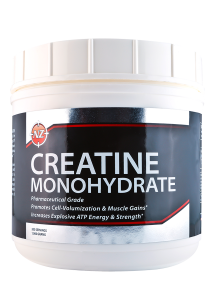
The original form of creatine which was used by bodybuilders and which is still very much in use today is creatine monohydrate. This is the cheapest form of creatine, but it is poorly absorbed, which explains its tendency to cause bloating and digestive upset.

Another negative aspect of creatine monohydrate is that some people don’t respond at all to it. If this is the case for you, then you might want to explore the different forms of creatine which are out on the market. The two best forms of creatine, in my humble opinion, are:

1. Micronized creatine – The micronized form of creatine features smaller molecules, so absorption is significantly better, eliminating the issues of bloating and diarrhea which are often caused by ingesting the non-micronized form of creatine monohydrate.

2. Creatine ethyl ester – This is by far the most absorbable form of creatine, but more expensive than the monohydrate form. You can find this substance in capsule form.

Another form of creatine which is at times used in some of the more popular pre-workout formulas is creatine nitrate. The extra NO2 makes creatine water soluble and also lends a decent pump to workouts. However, when purchased alone, creatine nitrate is costly and thus is not one of my recommendations.

If you want to enhance your creatine intake, consider food sources in combination with supplement sources so that you can obtain an optimal amount which your body is able to utilize.

Worth Your Weight In Salt: Why Some Dietary Salt Is Good

Originally published on mensphysique.com on Wednesday, 28 May 2014

http://www.rxmuscle.com/blogs/the-kitchen-eating-strategies/10971-worth-your-weight-in-salt-why-some-dietary-salt-is-good.html
salt
Salt has gotten a bad rap due to its rampant overuse in the food and restaurant industries and its potential to elevate blood pressure in susceptible individuals. However, it is responsible for the generation of nerve impulses, electrical conduction of the heart, and the contraction of all other muscles in the body.

The human body contains 4 to 8 ounces of salt and requires this to regulate body water, proper blood volume and normal blood pressure. It’s quite remarkable how the body can rid itself of excess sodium via the production of sweat and urine. Perhaps you have noticed instances in which you have retained water after a brief spike in dietary sodium intake, but this is rather short-lived in healthy individuals. What happens is that the high concentration of sodium causes fluid to travel from body tissues into the bloodstream to dilute the sodium influx. Blood volume increases, then blood pressure also increases, triggering the kidneys to increase urine output in order to excrete the excess sodium and water.

I’m not suggesting that you consume massive amounts of sodium in your daily meal plan, but I have met many competitors and athletes who are so terrified of the idea of consuming any sodium that they do themselves a disservice by pulling their daily sodium intake down significantly. When you keep sodium intake at very low levels for the long term, the kidneys will conserve serum sodium as a safeguard. When contest day approaches, no amount of water manipulation will work to give you that dry and peeled look if sodium was not on board in the weeks preceding the event. It is a far better strategy to maintain a sodium intake of approximately 2 to 3 grams per day, so that when you drop sodium and water intake right before a contest, it will be much easier to shed that subcutaneous fluid.

If you still aren’t convinced of the importance of sodium in your daily diet, remember that your body needs sodium to function properly in general. You also lose a considerable amount of sodium through the profuse sweating that most, if not all, of you fellas experience during your intense lifting sessions. If you consume very little sodium, and also lose a great deal of sodium through sweat, muscle contractility will become impaired and cramping will often develop. That’s reason enough to grab a little sea salt and add it to a few meals each day.

You might want to experiment a bit to see when it is best for you to cut sodium for a contest. For most competitors, cutting sodium intake in half for four to seven days before the event, then cutting water the day before showtime seems to work well.

Celiac Disease: A Blessing In Disguise For Competitors?

Originally published on RxGirl on Thursday, 13 March 2014

http://www.rxmuscle.com/rx-girl-articles/10435-celiac-disease-a-blessing-in-disguise-for-competitors.html
celiac-disease-villi
Celiac disease is an autoimmune response to gluten which results in inflammation in the small intestines and may include symptoms such as abdominal pain, constipation, nausea, fatigue, and diarrhea. This disease can be extremely debilitating for some people, and for this reason, sufferers need to adopt a gluten-free diet for a lifetime.

Gluten is found in so many different food items that it can be quite a challenge to avoid it. For example, gluten is found in grains such as rye and barley, and certain grains like oats can become contaminated with wheat during their production. Wheat is the most ubiquitous gluten-containing grain, hiding in bulgur, farina, kamut, semolina, spelt, beer, breads, baked goods, candies, cereals, crackers, cookies, croutons, French fries, imitation meat, pastas, luncheon meats, salad dressings, soy sauce, potato chips, tortilla chips, soups, modified food starch, and even some supplements and medications. Gluten-free items include fresh eggs, meats, poultry, fish, vegetables, fruits, dairy products, buckwheat, flax, corn and cornmeal, amaranth, millet, quinoa, soy, tapioca, sorghum, and gluten-free soy, corn, rice and potato flours.
gainst-the-grain
The good news is that the dietary restrictions of celiac disease complement the restrictions practiced during contest prep. The only commonly used grain in contest prep which might cause an issue in those suffering from celiac disease (oats) can be found in a gluten-free version now. Gluten free items tend to be very contest friendly and provide sound nutrition for building muscle and optimizing metabolism. In addition, the practice of avoiding the commonly designated forbidden foods which usually serve as nuisances for most competitors is a requirement for the celiac sufferer, because delving into such foods carries significant health consequences for her.
gluten-free
Perhaps you have been competing for a while and were just recently diagnosed with celiac disease. If so, you are most likely practicing eating habits which are consistent with the diet you need to follow in order to manage your disease. Perhaps you have lived with celiac disease for some time and have been considering stepping onstage to compete. If you have been managing your disease with dietary modifications, those modifications will be remarkably similar to what you will be practicing with contest prep.
It may indeed be a blessing in disguise for competitors to have celiac disease, since it can turn a weak will into an iron will. Celiac sufferers must make lifestyle adjustments for a lifetime in order to avoid the potentially devastating complications which can manifest over time when a gluten free diet is not followed. I have noticed that competitors who have celiac disease tend to be the most consistent with their meals and contest prep regimen. It certainly makes sense to underscore the health impact of a meal plan which is gluten free and which centers around whole food sources. Such a strategy will also maximize one’s chances of success onstage.

One Step Forward Two Steps Back: Fighting Muscle Loss As You Age

Originally published on mensphysique.com on Monday, 07 April 2014
fit at older age
http://www.rxmuscle.com/blogs/the-news-the-newest-in-mp/10590-one-step-forward-two-steps-back-fighting-muscle-loss-as-you-age.html

The sad truth about getting older is that it becomes more and more difficult to hold onto the plentiful lean muscle mass and low body fat we tend to take for granted during our younger years. An inevitable consequence of growing older is the increasing struggle to maintain lean muscle mass as the years pass. Even if you have been blessed with a genetic propensity for the optimal balance of lean tissue and body fat, be prepared to work harder over time to keep what you have. This also means that master’s competitors usually have to train harder to build muscle mass, and are also more sensitive to dietary fluctuations and digressions than their younger counterparts.

The good news is that there are steps which can be taken to combat the unfavorable shift in body composition which makes its appearance after one’s mid-thirties. Perhaps the MOST important intervention which the vast majority of you are already practicing is weight training. You can continue to challenge yourself and lift heavy, but you might want to consider adding glucosamine and turmeric to your supplement regimen to protect the joints and minimize inflammation. Another adaptation in the weight room which older athletes respond especially well to is unilateral training. Unilateral movements improve balance and coordination and make it possible to correct strength imbalances.

Another way to naturally boost the body’s ability to combat aging which you are most likely already practicing is to consume adequate protein. When protein is consumed, a steady stream of glucose is released via glucagon without spiking insulin levels in the body. Conversely, a diet low in protein but high in carbohydrates results in high levels of insulin, which over the course of time can result in widespread inflammation, diabetes, and obesity. Surprisingly, the protein needs of people from middle age on (40’s and over) increase as a result of diminished protein synthesis in the aging body. Protein intake must be increased in order to offset the deficiency.

If you are already weight lifting regularly and taking in sufficient protein, you may want to consider boosting your intake of glutamine and branched-chain amino acids, particularly leucine. These building blocks help to optimize the body’s ability to utilize dietary protein to build new muscle and repair damaged muscle fibers.

Though animal sources of protein are excellent options for people of any age, whey protein in particular is a remarkable protein source in older people. It is highly absorbable, contains all 18 amino acids, immunoglobulins and lactoferrin, and all the building blocks for a powerful antioxidant called glutathione. Glutathione deficiency is linked to Alzheimer’s disease, cardiovascular disease, arthritis, asthma and cancer, and because of this, it is considered a key substance in combating the process of aging. Natural glutathione production in the body declines with age, but with whey protein on board, the amino acids necessary for glutathione production are supplied to the body and optimal levels can be attained as a result.

Though athletes and competitors are aware of the health and muscle building benefits of whey protein, I am astonished by how it is not utilized nearly enough by the average person. All too often I see patients who regularly skip meals and eat fast foods and other processed foods, and who assume that whey protein is only for athletes. If you are an average person who wants to change poor eating habits and optimize cellular function, then you need to boost protein intake and add whey as one of your protein sources. You are doing yourself a disservice if you insist on eating junk carbs like simple sugars and processed foods, skipping meals, and consuming insufficient protein, especially if you are over the age of 35 and trying to fend off disease and aging.

If you are proactive and consistent about taking the necessary steps to battle age-related muscle loss, you will reap the benefits of better health and vitality and will rival those half your age with a muscular physique to be envied.

Weightlifting Safely While Pregnant

Originally published on RxGirl on Monday, 27 January 2014

http://www.rxmuscle.com/rx-girl-articles/10085-weightlifting-safely-while-pregnant.html
Pregnant with weights
Female competitors don’t have to give up lifting weights while pregnant, but it is very important to make modifications so that the growing fetus and the mother are both protected from injury. Make sure to inform your doctor of your desire to continue weight training while pregnant, and be prepared to put your exercise regimen on hold if conditions such as pre-eclampsia or cervical insufficiency exist.

Though you may be accustomed to training like a warrior, you need to drop your intensity while pregnant and remember that the focus is on maintaining current muscle tone rather than on gaining muscle. It is even more important to listen to your body’s cues, and stop exercising if any pain emerges during the routine. Whatever you do, do NOT be stubborn and engage in heavy lifting or contact sports which could harm you and your baby!

Usually even the most athletic and conditioned women will tire very quickly while exercising during pregnancy, requiring an additional hour nap for every 30 to 45 minutes spent working out. Balance will also become an issue, especially in the later stages of pregnancy, so free squats, lunges, bosu work, and plyometrics should be replaced with exercises which are more stable.

When performing cardio, it is probably best to switch to an elliptical machine which will confer more stability than a treadmill and will be more comfortable to use. Slow your pace down so that you avoid ballistic movements, and increase rest intervals to about 2 minutes per set. You will also need to drop the amount of weight lifted. Lastly, keep your heart rate below 140 beats per minute.
dd1212a8050f0c2d8e66956c426396dd296e04fd813021275bb033b86c8952d6
It is important to remember that during the later stages of pregnancy, a hormone called Relaxin will relax ligaments in an effort to prepare your body for delivery, which means that joint stability will be compromised. At this point it is best to switch to machines for all your resistance training so that you have maximum support during your lift. Another important thing to remember is to avoid lying on your back for any exercises, as this position can make you feel dizzy as well as compromise blood flow to the fetus. If you are concerned about retaining some tone in your abdominal muscles, you can perform a cat stretch which is done on all fours, in which you pull in your abdominal muscles and curve your back towards the ceiling.

The good news is that women who are fit before pregnancy typically enjoy easier pregnancies and shorter labor. They are also able to bounce back into pre-baby shape more quickly (gotta love muscle memory!). There are countless competitors and fitness celebrities (Gina Aliotti is one awesome mommy who comes to mind) who have remained fit during their pregnancies and bounced back to their pre-pregnancy bodies. So, as long as you practice consistency while turning down the intensity enough to ensure a safe environment for you and your baby, you should be able to enjoy the same benefits.