Why Some People Are Chronically Late

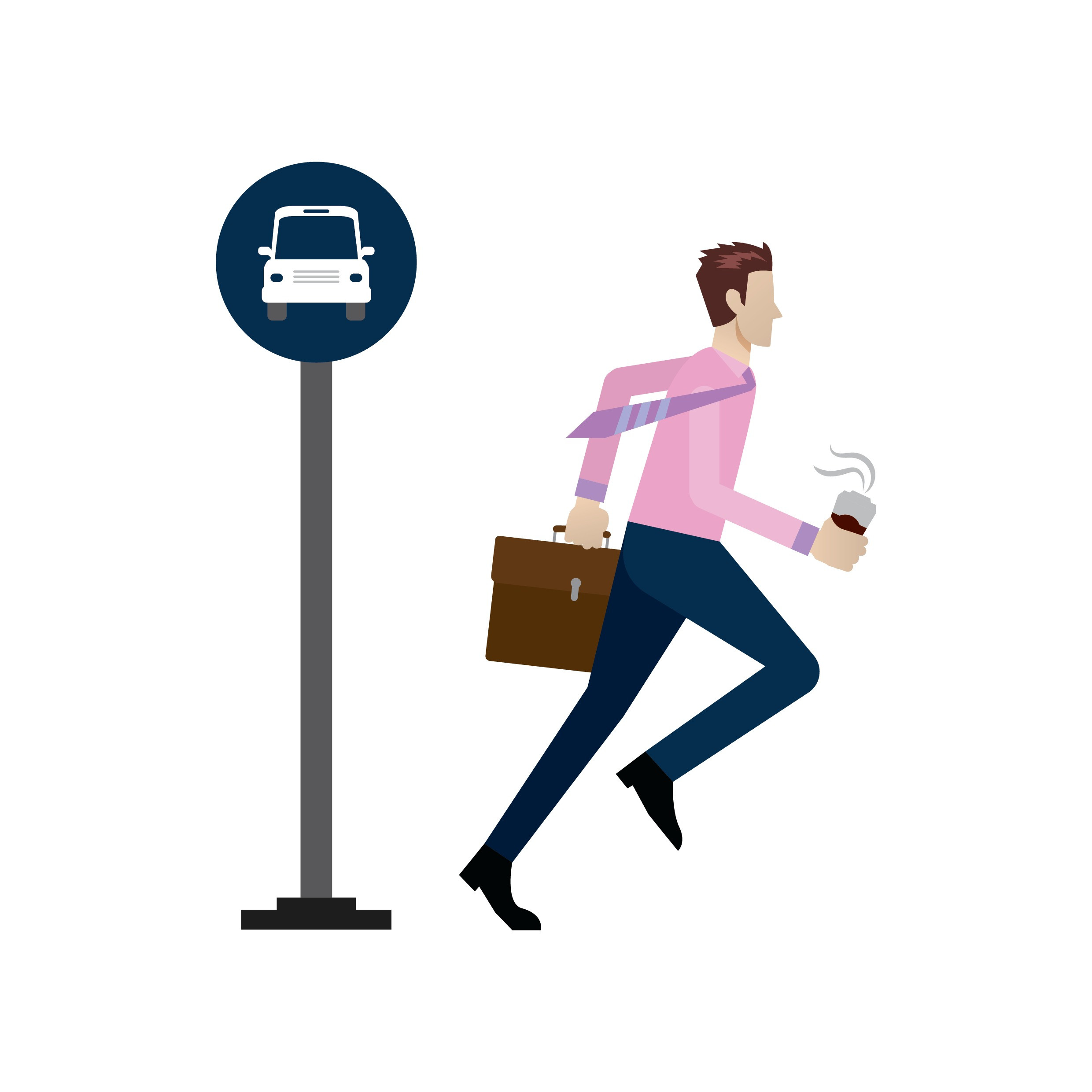
© captainvector, 123RF Free Images

We could split up the majority of the population into two main groups: those who are consistently punctual, and those who are always late to everything, whether it be work, meetings, appointments, family gatherings, or concerts. I am definitely in the first group, and make sure to be on time regardless of where I need to be. In addition, if some unforeseen circumstances arise, such as a traffic accident which puts a snag in my commute, I always let the person I am meeting know that I am in a rare situation in which I am running late. My father, in stark contrast, was always VERY late, like an hour or more. He would often show up to family gatherings 3 hours late, only to discover that dinner had already been served, and that some relatives were already heading back home for the evening. It got to the point where my siblings and I would tell my dad that a 4 pm family barbecue was taking place at 2 pm, just so that he would show up close to the designated start time. What was especially interesting was that he never seemed fazed by the fact that he was always showing up extremely tardy.

A Harvard study conducted in 2019 found that people who had a tendency to run late experienced less stress, had lower blood pressure as well as longer lifespans than individuals who were punctual. I wouldn’t say that this fit my dad’s demeanor, because he dealt with enormous amounts of stress, had high blood pressure, and died at the age of 85 after acquiring a laundry list of medical diagnoses (coronary artery disease with heart attack and bypass surgery, high cholesterol, gastric ulcers, degenerative disc disease, cerebrovascular disease, diabetes). However, I find the Harvard study findings quite interesting, and wonder if people who are always late have just resigned themselves to the fact that they will always be late.

As a punctual person, I honestly don’t understand why it is seemingly so difficult for someone to map out departure times in order to arrive at a destination at the designated time. It takes only a small amount of planning, as easy as mapping out a route on Waze or Google Maps and saving the route. I do this frequently and very rarely run into issues with getting to a meeting or appointment on time. Also, a person who is late to meetings and larger events such as weddings is often perceived as inconsiderate and rude. No one should ever expect an event start time to be delayed simply because someone shows up late, even if that person is the central focus of the event. Some folks would argue that such behavior reveals a sense of entitlement and a general lack of regard for other people’s time.

However, this article is not meant to bash people who struggle with the concept of showing up to appointments and events on time, but rather, to discern possible explanations for such behavior. One idea is that some individuals grapple with honoring other people’s expectations of them and may act out by arriving behind schedule for many or most events. Dr. Neel Burton in The Psychology of Lateness (Psychology Today) states, “Angry people who behave with almost exaggerated calm and courtesy might nevertheless express their anger through passive means, that is, through (conscious or unconscious) resistance to meeting the reasonable expectations of others.”

Another possible explanation for constant tardiness is that perhaps people who are late don’t value themselves highly enough, so they show up late, thinking that their presence doesn’t matter. The irony is that tardiness is often so disruptive that the person’s presence (or absence) becomes achingly prominent. Such individuals often struggle with depression and anxiety, and frequently procrastinate in many areas of their lives. Even if there are dire consequences for being late all the time, some individuals don’t heed the warning signs and continue to display the same behaviors.

There also appears to be some correlation between lateness and ADHD, since those who have ADHD can be impulsive, inattentive, and often completely unaware of the time. However, responsible adult behavior includes honoring time commitments, so regardless of whether someone has ADHD or not, a repatterning of habits seems to be in order. I am by no means picking on those with ADHD, especially since I have numerous close friends with the condition, but the majority of them somehow manage to show up on time. Repercussions for constant tardiness could eventually convince someone to change habits and utilize tools such as calendars, phone alarms, GPS mapping programs in an effort to practice punctuality as a learned skill.


Update On My Workout Regimen

I figured it was time for me to provide an update on my current workout regimen, especially since people who don’t know me personally might assume that I have abandoned my regular exercise habits since retiring from competing in the bodybuilding world. While I don’t train for 4 to 5 hours a day like I used to when ramping up for a contest, I still consistently weight train 5 to 6 days per week, every week. There are some weeks in which I cannot resist adding a seventh day, which is usually a day in which I exclusively train abs.

I typically train legs 2 to 3 days a week, and I split my upper body workouts into three separate routines: back and chest, arms (and I will often throw abdominal training in on arm days), and shoulders. My workouts range from 45 minutes to an hour and 15 minutes, and are almost exclusively performed in my home gym, which is equipped with the following (a partial list):

Marcy Smith Machine Multi Gym

Tower 200 Body Full Gym Fitness

Foldable Decline Sit up Bench

Bowflex SelectTech 552 Adjustable Dumbbell Set with Rack

285 pounds of weight plates for the Multi Gym and numerous barbells

In the three years since I have had a full home gym, I haven’t missed the commercial gym setting at all, and I love the fact that I can just head downstairs and get a workout in without fighting for equipment. I always say that consistency is key, and I have never slacked off on regular weight training. Whenever I hear people talk about abandoning weight training for months or years, it just blows my mind. The best road to success is to stay the course, and I have certainly done that since 1989.

Stop Saying, “It Is What It Is”! (repost)

“It is what it is.”

I cannot understand why this phrase has become so popular, because it is incredibly stupid and redundant. I cringe every single time I hear someone utter it, and am dismayed by the number of people I know who have adopted this into their current communication behaviors. Why has it suddenly become so trendy to state the obvious in this manner? I can’t help but think that everyone who utters this string of words either hasn’t given much thought to the circular reasoning buried in it, or has developed a pathological and resigned attitude towards life in which circumstances are shrugged off. Come on guys, take a little responsibility, would you?

Copyright: rnl

If we look at res ipsa loquitur logic, this legal term indicates that someone is presumed to be negligent if that individual had control over what caused the injury. But since I took two years of Latin in high school, I am more intrigued by the original semantics and logic of this particular phrase. If we apply this idea of negligence to the statement, “it is what it is”, does that mean that people are blaming fate, or the lockdown, for the unraveling of society which has occurred in the past three years, or are they simply resigning themselves to fate when they utter that? All I know is that I have heard it far too often in the past couple of years, and it is raising my ire.

I truly enjoy and appreciate what Ethan Ryan from The Fiddleback has to say about this idiotic statement:

“It is what it is” is a waste of words, a waste of breath. I mean, sure, I get it. It expresses the same sentiment as the French “C’est la vie!” But still, it irks me. It’s just a repetitive series of defeatist monosyllables. Why not just say “It is,” or for that matter, “It’s”?

Of course it is what it is! How could it be anything but it?

The only context in which that phrase would be appropriate would be if somebody asked “Is it what it is?” and you said, “Yes, it is what it is.” Presumably you’d have this conversation in an assisted living home with a demented loved one attempting to categorize an ice cream cone.

When you write “It is what it is” as a mathematical algorithm it looks like this:

it = it

In logic, this is called the law of identity, which states that an object is the same as itself. “A is A” is a tautology. Here are some more:

1 = 1

pineapple = pineapple

J = J

☺ = ☺

poop = poop

X = X

Those are analytical facts, verified by their consistency within the rules of a symbol system. But they’re also stupid and irrelevant. They’re true under all possible circumstances, and they demand little of the world for their truth. You don’t need evidence to back up the claim “Poop is what poop is.”

Here’s another tautology:

Formula_Ryan

Seems logical, right? I don’t know, I’m not a logician.

What concerns me are rhetorical tautologies such as:

“I am what I am.” ~ God talking to Moses

“I yam what I yam.” ~ Popeye talking to Olive Oyl

“Rose is a rose is a rose is a rose.” ~ Gertrude Stein

“A horse is a horse, of course, of course.” ~ the Mr. Ed theme song

“It is what it is what it is what it is what it is what it is what it is.” ~ this essay

It is it. A is A. But redundancies are redundant, aren’t they? Be succinct. Next time your umbrella breaks, or your toilet gets clogged, or your house burns down, just shrug and say “It’s.”

That’s obnoxious advice, I know. Defeatism gets us nowhere. Life is hard, but that’s no excuse to spout meaningless clichés. There are so many fantastic adjectives and nouns and verbs out there, humming in a deep pocket of your brain. Use your words. Don’t just say “It is what it is.” We already know that.

Wittgenstein said philosophy is the headache you get from banging your head up against the limits of language. When I came across that line I decided I was done studying philosophy. Years later, my head is still hurting. Philosophy is dangerous.

Whatever.

It’s.

——–
Ethan Ryan

How to Reach or Maintain a Healthy Weight in Your Senior Years

Photo by Pixabay

Check out this wonderful and informative article by Camille Johnson of Bereaver.com.

When we get older, maintaining a healthy weight can be a struggle. Our metabolism slows down, and it becomes more difficult to get enough exercise. Still, it’s important to maintain a healthy weight. Critical aspects of your overall wellness, including your blood pressure, cholesterol, and risk for diabetes can be affected, so staying a healthy weight can help you live longer. These tips courtesy of StaceyNaito.com will help you achieve your target for good health.

Get moving

One of the most important ways of losing or maintaining weight is exercise. Start slowly by walking around the block, learning tai chi, or trying a water aerobics class. If you’ve not been particularly active recently, talk to your doctor about finding a safe way to start an exercise routine. An occupational or physical therapist can help you determine your abilities, especially if you’ve suffered an illness or injury in the past. These resources are great starting points for seniors who want to adopt an exercise routine.

  • Look for ways to incorporate movement into your daily tasks.
  • Set a timer to remind you to stand up and move around a bit every hour.
  • Use the buddy system. Find a friend to walk or exercise with, for fun and accountability.
  • Mayo Clinic suggests parking farther away from the store, and enjoy the walk. Take the stairs when you can.
  • Seniors who are considering an assisted living situation should look for facilities that offer amenities like walking trails, gyms, and group fitness sessions. 

Watch what you eat

Be mindful of what you eat each day, in terms of ingredients and calorie count. Stick to whole foods as much as possible, and read food labels for processed products you buy. Avoid fatty meats, instead opting for fish, lean chicken, pork, or beef cuts. Protein is especially important for your diet, because it helps build up the calcium in your bones, so be sure you’re getting enough.  Having some protein with every meal and snack will keep you fuller for longer, which prevents you from overindulging on empty calories.

  • Greek yogurt is a great choice for a snack or part of a meal.  One serving has 17-18 grams of protein. 
  • Try ancient grains, such as teff, kamut, or quinoa.  These grains are healthy as they tend to be higher in protein, vitamins, and other nutrients, and are often lower in gluten..
  • Add some green peas to your salad, soup, or main dish.  They pack 8 grams of protein per cup, and bring other nutrients, as well as fiber to your diet.
  • Hummus is a tasty high protein dip for veggies. People trying to lose weight can enjoy it in moderation, and for those who need to gain weight, eating it more frequently is a great choice.

Get Hydrated

It’s important to stay hydrated no matter your age or fitness level, but as a senior citizen, you probably aren’t getting as much water as you need, especially if you’re active. Keeping a bottle of water with you can help you remember to sip throughout the day, and you can also add more water-dense foods to your diet to keep your bones, muscles, joints, and skin healthy.

  • Have a glass of water at certain times each day. In addition to helping you stay hydrated, it can also help prevent you from eating too much.
  • Remember that hot weather and high altitudes both increase your risk of dehydration, so increase your water intake when these conditions are affecting you.
  • Cleveland Clinic notes health issues that involve fever, vomiting, or diarrhea increase your need for water.
  • Ensure you’re drinking at least two liters of water every day.

Remember that your body is the only one you have, and you have to take care of it at every age. The more love you show your body by feeding and hydrating it well, and exercising, the more chances you’ll have for a longer, more comfortable life.

Dr. Stacey Naito of StaceyNaito.com offers customized meal plans, exercise regimens, and natural hormone balance to people who don’t want to compete but just want to lose weight, gain weight, or get toned. Contact Dr. Naito today to learn more! 

Foot Fetishes

https://www.livescience.com/33525-foot-fetishes-toe-suck-fairy.html

Copyright: eyescompany

What drives someone to develop a foot fetish? There have been many scientific hypotheses regarding this bizarre phenomenon, and one in particular actually makes a lot of sense. But let’s first look at the definition of podophilia, or foot fetishism. An individual with a foot fetish gains significant sexual pleasure from gazing at feet or shoes, and goes so far as to touch, kiss, and interact in other unmentionable ways with someone’s feet, provided the person whose feet are being worshipped is amenable to such transgressions.

It turns out that of all non-genital body parts, feet win the prize for being the most fetishized. This curious predilection which some people possess has prompted psychiatrists and medical researchers to investigate the underlying reasons. Perhaps the most fascinating theory behind foot fetishism comes from Dr. Vilanayar Ramachandran, a neuroscientist at University of California, San Diego. While studying the mechanisms behind phantom limb syndrome (a condition in which amputees still experience sensations in their missing limbs), he found that some amputees actually began to derive sexual pleasure in their missing feet. This likely stems from the fact that the brain areas associated with genitalia and feet are adjacent to each other on the brain’s body map (also known as a homunculus). Basically, some cross-wiring between the regions could be occurring in individuals who are not amputees. So it isn’t too far-fetched for someone to derive some sense of sexual pleasure from caressing someone’s feet or sucking on a toe or two.

6 Ways You Can Be Your Own Health Advocate

Check out this fantastic article by  Julia Merrill of befriendyourdoc.org which will motivate you to take charge of your own health!

Image via Pexels

The word healthy is a broad term that covers a variety of topics. To ensure you are at your best, you have to be your own health advocate, and that means knowing what is going on with your health at all times. Start by considering these ways you can be your best and fight for your health.

1. Research Your Doctors

Think about the role your doctor plays and how important that is for your health. Use the weight of that role when researching new doctors. Research shows you should look into their educational background, their level of expertise, and what other patients say about them. Ask for recommendations from friends and family. That is a great place to start before you dig in deeper to learn more about the doctor’s experience.

2. Live a Healthy Lifestyle

A great way to take charge of your health is to start living a proactively healthy lifestyle. Start with eating better and getting physical exercise. If you are new on the health journey, try not to overdo it too quickly. Start by making small changes, such as eating more vegetables with every meal and going for walks. If you spend most of your time at work, get some physical activity by taking the stairs instead of the elevator. You can find small ways to incorporate activities that will keep your blood flowing.

3. Stay Organized

Keep your medical records organized by maintaining them yourself. You can use an online tool to quickly combine videos and keep all medical images in a single file by uploading them to your computer and merging them into one pdf. Then download the new file to keep on your laptop. Be sure to back the information up to a cloud-based server so you can access it from anywhere.

4. Speak Up at Appointments

Don’t be afraid to ask doctors questions, and don’t worry about whether your questions are silly. Doctors are paid to provide you with information that will benefit your health. The only way to access that information is to ask questions. This can also be a great way to vet doctors. A good doctor is happy to answer your questions and will go out of their way to provide you with answers. You don’t want a doctor that seems irritated or uncooperative when you have questions.

5. Be Vigilant About Your Medications

Take your medications exactly as prescribed. Some medicines are ineffective if you fail to finish the prescription, and some can take weeks to start working effectively. If you skip days or leave a few pills in the bottle, your medications may not work as they should.

6. Prioritize Your Mental Health

Keep in mind that mental health is just as important as physical health. Don’t be afraid to speak up if you are struggling or have questions about your mental health. Talk to your doctor about getting a referral if you need to see a mental health professional, and remember there is no shame in having mental health issues. The majority of people struggle with them at some point in life.

Part of you being your own health advocate is doing things that make you uncomfortable, such as speaking up for yourself. However, the more you do it, the easier it will become. Remember how important your health is and you will always want to fight for it.

Entrepreneurs: The Outdoors Might Be Your Best Teacher

By Camille Johnson of Bereaver.com

There are few things more relaxing than spending time in the open air. Being outside, whether you are hiking, biking, camping, or gardening, is great for your health and can improve your mental well-being. Surprisingly, your time in nature can also teach you a lot about yourself and the world so that you can be a better entrepreneur, whether you’ve been in business for many years or are just getting started. Today, StaceyNaito.com covers a few of these lessons and offers insight on how to get the most out of your outside excursions.

Planning Ahead

Before you set out for an adventure, get your business prepared to run without you. Tips here include:

  • Hire the right staff. If you’re just planning a night or two over the weekend, you can probably skip this step. However, to get the most out of your time, you’ll want to be immersed in a natural environment for at least a week. Find the right staff to keep your business running even when you are unavailable. This begins by determining what functions need to be filled and thoroughly reviewing applicants. While most experts will recommend choosing only the most qualified applicant, don’t count out those eager to learn your industry.
  • Streamline your invoicing processes. Don’t leave town without making sure that you can send invoices and get paid on time. If you have not already, invest in a cloud-based invoicing tool that lets you send bills from anywhere. This is helpful if you do not yet trust your employees with sensitive information, such as customer credit card numbers. If you have recurrent invoices, look for software that will let you schedule your billing ahead of time and will also ping you when payments are made. Utilizing cloud technology also allows you to stay involved as long as you have an internet connection.
  • Make sure you’re available at least some of the time. Speaking of staying involved, set aside a couple of hours each day to field questions or handle tasks that your employees cannot. For this, you want to make sure to pack your laptop (Quantum Technologies recommends traveling with a locked case), a Wi-Fi hotspot, and an additional battery backup as you may not be able to charge your phone or devices.

You’ll also need to prioritize safety, especially if you’ve never been much of an outdoorsman before. Things you can do to keep yourself and your travel party safe are:

  • Let someone else know where you are going. Even if you’re planning to travel with a group, let somebody know where you are and when you are expected back.
  • Pack appropriately. While you do need to pack some of your professional essentials, make sure that you have room for all of the equipment you’ll need to stay safe and healthy while you travel. If you’re camping, for example, REI suggests making sure that you have a tent, pillows, sleeping pads, and a camp table if no picnic facilities are available. Further, pay close attention to the weather and dress in layers if significant temperature spikes are expected.
  • Know your destination. Even if you already know where you are going, spend some time really getting to know the area before you go. While this isn’t so important if you plan to stay close to home, when you’re traveling outside of your comfort zone, you’ll want to know everything from the location of the local police station to exit routes on your hiking excursion if you need to turn back.

What The Outdoors Can Do For You

Now that you are prepared to go, it’s time to take a look at the benefits of being outdoors. Obviously, it’s great exercise and a fun way to vacation. But, spending time in nature can also equip you to be a better business owner by teaching:

  • Patience. If you’ve ever talked to a child that went to summer camp, you know that a nature-centric experience can teach patience as these kids have to learn how to wait for the bathroom or to help with younger peers. As an adult, you will learn patience by having to wait out the weather, wildlife, or slower members of your party.
  • Team-building. There are plenty of outdoor team-building activities that can help you be a better boss and team player. Activities like swimming relays, target practice, and sailing are great ways to get your team to learn how to work together more effectively. Two other significant benefits of team building outdoors are learning to identify stronger potential leaders and establishing trust between your employees.
  • Preparedness. Anytime you’re outdoors, you have to be prepared for everything from rain to wild animals. As such, your adventures can also teach you how to prepare for all situations and to adapt if you’re not prepared. Things, like knowing which medical supplies to pack or having an additional set of oars available if you’re kayaking, might seem like insignificant touches, but if you need them, they can be lifesavers. You can apply the same set of principles at the office by having a plan in place in case an employee leaves, a vendor is late, or a high-value customer pulls their business.
  • Conservation. When you first step out into the big wide world, it’s easy to believe that the resources you see are infinite. They are not, and it is up to us to preserve the world around us for future generations. Air, soil, and water pollution, all of which are the direct result of human activity, take a toll on the natural world. As you get deeper into your adventures, you may notice things that you did not before, such as plastic bottles along the lake shore or animals looking for a home as deforestation drives them out of their natural environment. This can help you be a more responsible business owner by reminding you to preserve what you have and to be less wasteful every day.
  • Your own backyard. You don’t have to travel to take in the outdoors – just look out the window of your home. Consider creating an outdoor getaway in your own backyard. Remove tired landscaping and dead trees, install a deck or patio if you don’t already have one, and make a paradise of your very own. Some projects are best left to the pros, however, so bring them on to get the job done right. For instance, removal of a tree stump is no easy task, so go online and search service directories to find local contractors. The typical cost for such work ranges from $170 to $522, a worthy investment for hiring a company with the right equipment and experience.

There are many benefits of being outside, whether you’re planting a garden, spending a month-long sabbatical hiking the Appalachian Trail, or enjoying a week-long camping vacation. But, don’t forget to pay attention to the lessons that you learn that can help you as a business owner. You also want to make sure that you plan ahead by hiring the right staff and making sure that you can continue to get paid so that you can enjoy and make the most of your time outdoors.

Image via Unsplash


Dr. Stacey Naito of StaceyNaito.com offers customized meal plans, exercise regimens, and natural hormone balance to people who don’t want to compete but just want to lose weight, gain weight, or get toned. Contact Stacey today for more info!

The Best Ways to Boost Your Confidence Today


Image via Pexels

Here is another outstanding and motivating article from Karen Weeks of elderwellness.net which you will enjoy reading!

Are you struggling with your confidence? Signs of low self-esteem include being overly sensitive to criticism, having anxiety, lashing out, and being socially withdrawn. These tips, courtesy of Dr. Stacey Naito’s Blog, can help you boost your confidence.

Start Exercising

Exercise helps boost your confidence in different ways. Your improved health, strength, and appearance make you feel good about yourself. Working out gets your endorphins going, which boosts your mood. Feeling happier and improving your mental health can help you feel confident. Plan to fit in the recommended minimum of 150 minutes of exercise weekly.

Improve Your Nutrition

What you eat can affect your attitude and how you feel about yourself. Pay attention to how different foods impact your mood and enjoy more of the healthy foods that improve your outlook. Filling your diet with nutritious, whole foods also helps you stay healthier and either lose or maintain your weight, which can boost your confidence in your physical appearance.

Change Your Career and Update Your Resume

Millennials held an average of six different jobs by reaching the age of 26, according to the U.S. Bureau of Labor Statistics. Whether you’re on track to reach that number or you’ve been in your current job your entire career, looking for something new can help with your confidence if your job is stressful or you deal with difficult coworkers. 

Before seeking a new position, you can create a slick and professional-looking resume by utilizing an online resume creator. You can choose from a library of professionally designed resume templates, and then add your own copy, photos, colors, and images. What’s more, this tool is free to use and a resume can be created in minutes.

Master Positive Self-Talk

Negative self-talk about the things that make you different chips away at your confidence. You might tell yourself that you’re too nerdy, aren’t worthy, or don’t fit in. You may not even realize you’re saying these things to yourself. Realizing you’re using negative self-talk and switching to a positive internal voice can boost your confidence. It might seem awkward at first, but keep saying positive things about yourself to change your thoughts and grow your confidence.

Learn to Relax

A survey from the American Psychological Association shows that 49% of people surveyed had negative effects on their behavior due to stress, including tension, getting angry, and yelling. Feeling constantly stressed can interfere with your confidence. Make time for self-care, try yoga, do breathing techniques, or meditate to relax. 

Volunteer

One of the benefits of volunteering is enhanced self-confidence. Feeling good about helping others can improve how you see yourself. You might also discover new skills and talents as you volunteer. Look for a cause that speaks to you and find ways to help. 

Improve Your Circle

Surrounding yourself with people who make you feel better about yourself can help your confidence. If your friend circle constantly breaks you down, it’s difficult to overcome your insecurities. Find a group that accepts you as you are and has a positive attitude to uplift you. If you want to meet new people, check Meetup for groups in your area that match your interests.

Boost Your Confidence

Little changes add up to increased confidence. With the tips above – including sticking to an exercise regimen, eating nutritiously, switching up your career and updating your resume, and learning to relax – you’ll be able to improve your self-esteem. 

Dr. Stacey Naito’s Blog is as varied as the blogger herself, who works as a physician, certified nutrition coach, body transformation coach, fitness trainer, model, writer, researcher, and sponsored athlete. Read more informative articles today!

What To Do When Your Parents Need Different Types of Senior Care

Written by Julia Merril of befriendyourdoc.org

Dr. Stacey Naito of Dr. Stacey Naito’s Blog is a board-certified family practice physician with a wide range of interests that she shares with readers. Read more informative articles today!


Image via Pexels

What To Do When Your Parents Need Different Types of Senior Care

As your parents age, they may need help finding senior care or an alternative living situation. When that time comes, you may be faced with an unexpected challenge — figuring out what to do when only one parent needs to move into a nursing home. Dr. Stacey Naito of Dr. Stacey Naito’s Blog explains that by involving your parents and handling the process with compassion, you can create a smooth, loving transition.

Choosing a Nursing Home

The right nursing home is essential for your parents’ comfort, health, and financial stability. As you choose a facility, follow these steps:

  • Verify insurance coverage. Find out how much your parents’ plan will pay each month.
  • Identify appropriate facilities. Find nursing homes that accept your parents’ insurance and fulfill their care requirements. Go online to find the facilities in your area and read up on pricing information, payment options, and reviews. You’ll find nearly 80 assisted living communities in Los Angeles.
  • Determine excess costs. Calculate the extra monthly costs for each facility.
  • Make a short list. Select facilities that fit your budget, care, and location preferences.
  • Read reviews. Look into the reputation, quality of care, and services at each facility.
  • Visit facilities. Bring both of your parents to check out your top 3-5 nursing homes. Look at factors such as cleanliness, activities, and interpersonal relationships.
  • Ask about openings. Find out when a room or bed will open.

Paying for a Nursing Home or Assisted Living Facility

In the United States, US News & World Report notes that the average room in a nursing home costs more than $100,000 per year. For a shared room, you can expect costs of more than $93,000 per year. Some ways to cover nursing home costs are:

  • Medicaid
  • Long-term care insurance
  • Life insurance
  • Savings and retirement income
  • Family contributions

Keep in mind that costs can vary significantly between states and cities. If you live in a different city, you might save money by moving your parents to a nursing home near you.

Helping Your Other Parent Downsize

Maintaining a home is a big job; when one parent moves into a nursing home, your other parent may want to move as well. Some options are:

  • Move the parent in with you or a sibling
  • Find a smaller apartment or condo near the nursing home
  • Rent a room in an assisted living facility

When your parents are moving to different places, you’ll need to deal with two moves. A moving company can make the transition easier for everyone; they can handle the packing and the heavy lifting so you can focus on your parents. For safety and security, choose a trusted company by reading moving company reviews online and selecting the best one. Ideally, the moving company you choose has experience with senior moves. 

Providing Compassionate Help to Aging Parents

Moving your parents into separate homes can be emotional and exhausting for everyone involved. As an adult child, DailyCaring points out that all of the stress can make it harder to remain compassionate. To ease the process, you can:

  • Hire a senior move manager. They’ll help with sorting, organizing, and selling belongings during the downsizing process.
  • Take personal time. Make time for your friends and favorite activities.
  • Ask relatives for help. Don’t be afraid to lean on siblings, aunts, uncles, and cousins.
  • Get support. Join a support group to express your emotions in a safe place.

Managing the Senior Care Process

With patience and compassion, you can help both of your parents settle into new homes. Remember to put a lot thought into choosing the right senior living facility, paying for continued care, helping with downsizing, and providing all the care you can. 

5 Ways to Find the Upside of a Midlife Crisis

Photo via Pexels

Are you in a midlife rut? Then this fantastic article written by Camille Johnson of bereaver.com is for you!

You’re not sure what set it off, but you feel like you’re stuck in a midlife crisis. You might be unsatisfied with your job, mourning a dream you never accomplished, or feeling unfulfilled in your relationship. With the help of a trainer like Stacey Naito, you can finally start working towards the goals you previously pushed to the back burner. Furthermore, these tips will help you figure out where to live, how to outfit your home, and which lifestyle changes you should implement.

Move Somewhere New

You might feel like you can’t turn over a new leaf if you continue living in the same city. Maybe you’re looking for opportunities that aren’t available locally, or maybe you’ve trying to get out of a toxic environment. Either way, it may be time to move to a new city. If you plan to buy a home in a different area, you’ll need to research current Pennymac mortgage rates and determine which type of mortgage is right for you. Your lender can help you determine whether you would be qualified for a conventional, FHA, or VA loan.

Focus on Your Health

Perhaps you’ve noticed that you don’t feel as energetic and lively as you once did. You might assume that your mental health is suffering because you’ve reached a turning point in life – but it could be because you’ve been neglecting your physical health. You may want to invest in a few items for a basic home gym, such as an exercise mat, resistance bands, a stability ball, and dumbbells. To enhance your home cooking skills, you could pick up an immersion blender, a vegetable spiralizer, a slow cooker, and meal prep containers.

When you’re buying new products, especially ones that the whole family will use, it’s important to spend your money wisely. Therefore, before you buy anything, make sure to go over product reviews from a few unbiased sources. That way, you can feel confident in your purchases.

Write in a Journal

Writing in a journal can help you decide which steps you want to take next in life. It can be tough to choose a direction, but when you write about your feelings in your journal, you can gain some clarity. PsychCentral states that journaling can help alleviate symptoms of anxiety and depression and even help people process traumatic experiences.

Prioritize Traveling

What if you feel like you need to break out of your routine for a while? You could book a trip to a destination you’ve always wanted to visit! Travel can be a boon for your mental health, and spending some time in an unfamiliar place can help you shake off feelings of stagnation. Everyday Health states that traveling can make you feel more creative, relieve your stress, and even strengthen your relationships with your family and friends back home.

Challenge Yourself

You might be experiencing a midlife crisis because you haven’t achieved some lifelong goals, and you’re wondering if you’re really capable of becoming the person you want to be. Taking on challenges – and overcoming them – can shift your mindset. Whether you want to challenge yourself physically or intellectually, now is the time to do it. From learning a new skill to volunteering in your community, there are lots of ways to challenge yourself and change for the better.

Going through a midlife crisis isn’t easy – but with the right outlook, you can make it to the other side and come out stronger. A midlife crisis can actually mark the start of an exciting new chapter. By following these tips, you can move to a welcoming place, choose the best products for your home, and focus on self-care.


Ready to focus on fitness? Start training with Stacey Naito! Check out our website today to learn more about our training services.