The Year of You: Seasonal Self-Care Rituals to Stay Balanced, Energized, and Joyful All Year Long

Image via Freepik

Camille Johnson of Bereaver.com has done it again with another fantastic article which is full of tips to honor and nurture yourself as the new year approaches.

Each season carries its own rhythm, subtly shaping our bodies, moods, and routines. When we honor those natural shifts, we cultivate steadiness, energy, and calm — even as life changes pace. This guide is your personal almanac for balance, offering simple ways to align your habits with the seasons and keep joy in motion year-round.

Key Takeaways

  • Each season calls for a unique form of care.
  • Move, eat, and rest in rhythm with nature.
  • Build daily joy rituals and grounding habits.
  • Use tools like calendars to remind yourself to pause and reconnect.
  • Small adjustments create big emotional dividends.

Seasonal Self-Care Essentials

SeasonFocusSelf-Care BoostActivity Ideas
SpringRenewalDeclutter mind and spaceGardening, journaling, morning walks
SummerEnergyHydration and social joySwimming, picnics, sunrise yoga
AutumnReflectionNourishment and gratitudeLong walks, warm meals, goal review
WinterRestDeep rest and warmthCozy reading, candlelight baths, stretching

Tune Your Nutrition and Movement

Shifting your habits with the seasons keeps energy and mood stable. Eating seasonally means savoring what nature offers: crisp greens in spring, berries in summer, root vegetables in autumn, and hearty stews in winter. Matching movement to the weather helps too — from outdoor runs in warm months to gentle indoor yoga when it’s cold.

For customized guidance, explore StaceyNaito.com, which offers fitness and nutrition plans that align with seasonal rhythms and personal goals.

Quick Self-Care Checklist

How to Create a Grounding Ritual

  1. Set a cue — perhaps lighting a candle or stepping outside.
  2. Add a sensory anchor — a scent, a sound, or a sip of tea.
  3. Pair it with breath — inhale calm, exhale tension.
  4. Close intentionally — write one line of gratitude or intention.

Do this daily for a week, and your nervous system will begin anticipating the calm before you even begin.

Keep Joy in View

Visual reminders keep wellness top of mind. Design a personalized calendar filled with quotes that lift your mood, favorite photos, and gentle self-care cues. Many online tools make it simple: choose a template, upload images, tweak colors or fonts, and order in the format you love. Select a printing service that offers premium paper, custom sizes, and the ability to mark personal milestones like birthdays or reflection days.

Product Highlight: Cozy Earth Bamboo Throw

Evening rituals feel richer with comfort items that invite stillness. The Cozy Earth Bamboo Throw is soft, breathable, and ideal for quiet moments of rest — a tangible cue to slow down and reset. Any similar high-quality blanket will do; the point is softness that signals safety.

FAQ: Common Questions About Year-Round Balance

Q1: What’s the easiest way to start seasonal self-care?
Begin with one anchor habit per season — hydration in summer, stretching in winter, journaling in autumn, walking in spring.

Q2: I can’t keep routines consistent. What helps?
Link them to daily cues — like brushing your teeth or brewing coffee — to build natural reminders.

Q3: Do I need special products?
No. Nature, structure, and attention are the best tools. Products just help reinforce intention.

Q4: What if I miss days or weeks?
Gentleness is key. Life has seasons too. Start again without guilt.

Balance isn’t a destination — it’s a rhythm. By tuning into what each season offers, you stay in harmony with the world around you and the world within you. Whether it’s a nourishing meal, a mindful pause, or a reminder pinned to your personalized calendar, these small acts keep joy not just in reach, but in motion.

The Power of Daily Gratitude

Image rawpixel
Image ID73900099 123RF Free

In a world that moves faster each day, it’s easy to lose sight of the quiet blessings woven into our everyday lives. We rush from one task to the next, chasing goals, solving problems, and planning for tomorrow. Yet, within the ordinary moments—the morning light filtering through the window, the rhythm of our breath, the sound of laughter—there is a quiet abundance waiting to be noticed.

That is the gift of gratitude: it brings us home to the present moment.

When we make gratitude a daily practice, something subtle but profound begins to shift within us. Our focus moves from what’s missing to what’s already here. We start to see that joy isn’t hidden in some distant future; it’s in the warmth of a cup of tea, the comfort of a deep breath, or the presence of someone who truly listens.

Meditation and mindful breathing are natural doorways into gratitude. When we pause, close our eyes, and inhale deeply, we create space between ourselves and the endless noise of our thoughts. In that stillness, appreciation naturally rises—soft, quiet, and sincere. A few moments each morning spent reflecting on even three small things you’re thankful for can change the tone of your entire day.

Science echoes what ancient wisdom has always known: gratitude reduces stress, improves sleep, strengthens relationships, and nurtures overall well-being. But beyond its measurable effects, gratitude is deeply human. It opens the heart. It reminds us that, despite life’s uncertainty, there is always something worth honoring.

Living with gratitude doesn’t mean ignoring pain or pretending everything is perfect. It means acknowledging life in its fullness—the light and the shadow—and choosing to focus on what sustains us. It’s about remembering that every breath is a gift, every sunrise an invitation to begin again.

So today, take a moment. Breathe in. Feel the air fill your lungs. Whisper a quiet “thank you”—for this breath, this body, this moment. Let gratitude be your practice, your meditation, your way of moving through the world.

Because when you live with gratitude, you don’t just see life differently—you feel it more deeply.

Online Games As Stress Relievers

Online games can be a lot of fun, and are often a great way to relieve stress for many people. Whether it’s getting lost in a fantasy world, or solving puzzles at your own pace, online games offer a kind of escape that’s both engaging and satisfying. One of the biggest appeals is the chance to step away from real-life pressures for a while. When you’re focused on gameplay—strategizing, reacting quickly, or just exploring—you’re giving your mind a break from whatever might be stressing you out. That kind of mental shift can be incredibly refreshing.

There’s also a real sense of accomplishment in progressing through a game, leveling up, or unlocking new content. That feeling of achievement, even in a virtual world, can be a confidence booster and help you feel a bit more in control—especially when real life feels overwhelming. It’s also fun to play online games if there’s a bit of downtime during a workday (provided you can clock out and play games on your own time). I recently got into the habit of using lulls in my telemedicine work schedule by playing some fun games which I found online.

I have always liked Mahjong, so I was happy to find a Chinese New Year Mahjong. Here’s what it looks like:

https://www.mortgagecalculator.org/money-games/chinese-new-year-mahjong/

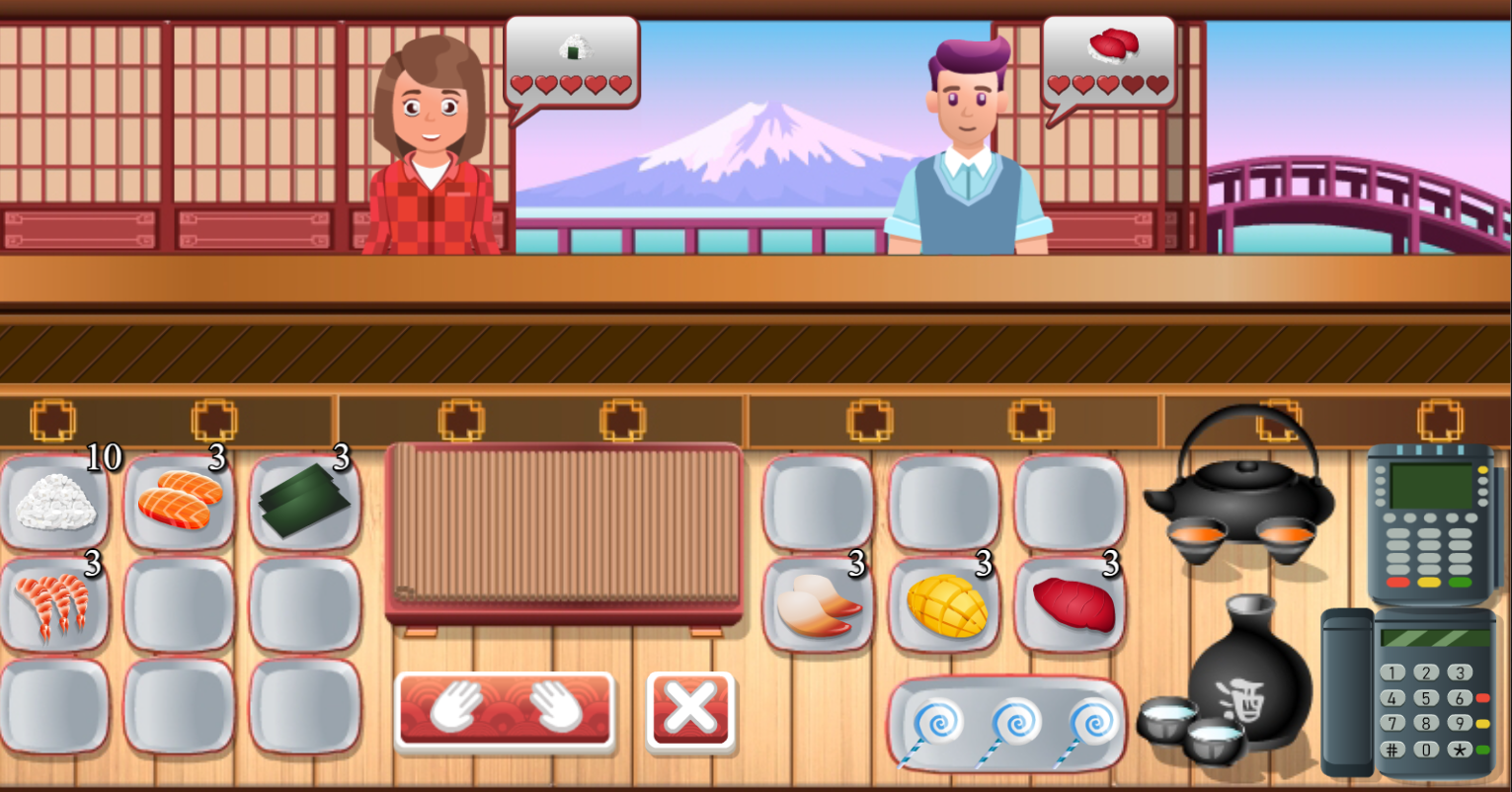
I also found a unique and fun game which reminded me of a teenage dream I had, to own a sushi bar. The game is a simulation game in which you serve sushi as the orders come in, collect money, and also order food supplies when you run low. Instead of opening up an actual sushi bar, I can play this game and indulge in my sushi bar ownership fantasy.

https://www.mortgagecalculator.org/money-games/sushi-bar/

I could actually imagine a younger person playing the sushi bar game and learning the cadence of running a restaurant. It turns out that the website on which I found both of these games has a plethora of fun online games of all kinds.

The Hood I Wore At Medical School Graduation

Image 123rf.com
Image ID44309817 tong70

There’s something undeniably powerful about donning a hood during a graduation ceremony, especially since it marks the culmination of years of hard work in a graduate or professional program. When you walk up to the center stage, hood draped across your shoulders, it’s like a visual representation of the dedication, sacrifices, and intellectual growth you’ve achieved. The hood symbolizes a kind of academic mastery—it’s a historical garment, evoking the traditions of scholars going back centuries. You can almost feel the weight of those who’ve come before you, standing on the shoulders of giants as you approach the moment when the degree is officially conferred.

As you take each step toward the stage, there’s an immense sense of pride. You’ve earned this. The hood feels like a badge of honor, a marker of your journey through intense learning, late nights, and possibly even moments of doubt. But all of that fades in the glow of the moment when your name is called, and you walk forward to receive your diploma. There’s a certain grace in the ceremony, too—the rhythm of the procession, the silence that fills the air, and the way the hood falls perfectly over your attire, a quiet but unmistakable signal that you’ve reached an academic pinnacle.

The most meaningful aspect of donning the hood for me at my medical school graduation ceremony was that I asked my mom to put it on me when I walked onto the stage to receive my diploma. My mother always believed in me, encouraged me, and was beaming with pride on the day that I graduated from medical school. I couldn’t imagine anyone else placing the esteemed hood across my shoulders.

A very special day in 2001 for me…

Another cool aspect is how the hood is often tied to your field of study through its color. Each color has a specific meaning, representing the different types of graduate studies or professional disciplines. For instance:

  • White often symbolizes a degree in Arts, Humanities, or Letters, evoking clarity, light, and knowledge.
  • Purple is typically associated with Law, representing authority and the prestige of the legal profession.
  • Green might be worn by those earning degrees in Medicine or Public Health, symbolizing healing and growth.
  • Red is often linked to Theology or Divinity, reflecting the historical connection to religious institutions.
  • Dark Blue or Navy signifies Philosophy, capturing the intellectual depth and complexity of the field.
  • Yellow or Gold can represent Science, linking the pursuit of knowledge with the brightness of discovery.
  • Silver Gray is a color worn by those in the field of Social Work or Library Science, representing service and support for the community.

The fact that each color is tied to a discipline makes the hood a visual and symbolic tribute to the unique paths that graduates have taken. It’s like wearing your field’s identity proudly for a moment before the real world asks you to put your knowledge to use. There’s an elegance in the subtlety of these colors, the way they convey a deep history while celebrating your own place within it.

The hood isn’t just an accessory—it’s a symbol of a journey and a transition, from student to professional, and from learner to expert. The way it fits, the way it feels on your shoulders, and the way it marks your success is incredibly meaningful. How did you feel about the moment of walking with your hood at your graduation?

Making Stress Manageable: How Creative Work Quietly Changes Everything

rawpixel image, 123rf.com
Image ID111779031

I hope you all enjoy reading this wonderful article, written by Julia Merrill of befriendyourdoc.org! It’s all about keeping those creative juices flowing and dampening stress.

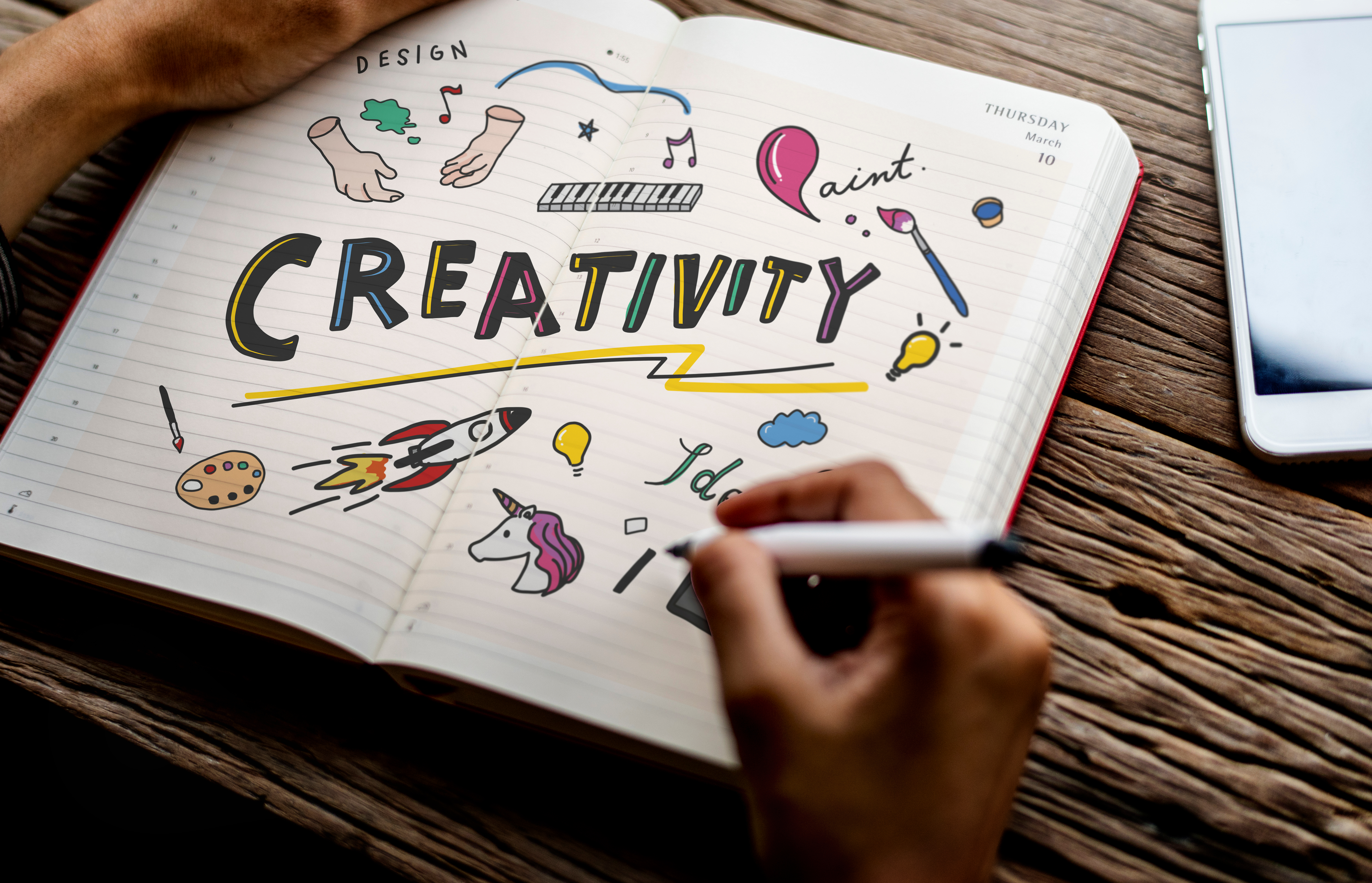
There’s a kind of pressure no app fixes—mental static that clings to your thoughts, your sleep, your body. You carry it until it becomes background noise. But creativity can cut through that. Not as escape, but as reset. Drawing, dancing, scribbling a thought—these aren’t luxuries. They’re ways your brain reclaims rhythm. You don’t need to be good. You just need to begin. Creative work interrupts stress. That’s where everything starts to shift.

Creativity quiets mental noise

There’s something remarkable about what happens when your brain turns toward a tactile, expressive task. Paintbrush to paper. Fingers to clay. Even organizing a shelf with intention. These acts redirect your attention away from loops of rumination into a space of sensory input and focused decision-making. Creative activities ease emotional overwhelm by helping the brain regulate its own threat response system. In other words, your mind stops screaming and starts listening. This isn’t a distraction. It’s a biological rebalancing—an internal volume knob finally turning down.

Routine creativity builds resilience

When creative work stops being occasional and starts becoming habitual, it stops functioning as a band-aid and starts acting like armor. That doesn’t mean routine kills the spark. It means the spark has a place to land. Daily journaling, weekly collage-making, or recording your dreams each morning—these routines gently wire the brain to process, not suppress. Repetition turns expression into integration. And that’s where regular creativity strengthens emotional resilience. It trains the body to trust itself. Over time, that’s the difference between managing stress and becoming it.

When study supports the practice

Understanding why creativity works can deepen your relationship to it. Learning the mechanics of cognitive load, stress responses, or emotional regulation through psychology doesn’t make creativity clinical—it makes it sustainable. Formal study helps you notice patterns, name blocks, and recognize when you’re shifting states. For some, exploring online learning and psychology degrees becomes a tool for understanding not only their own minds but also the behaviors they witness in others. It’s not about credentials—it’s about access to frameworks that clarify what’s happening beneath the surface. And with that clarity comes choice. The kind that helps you move differently in moments of pressure.

Hobbies as emotional outlets

You don’t need a masterpiece to feel better. You need a release valve. That’s where simple hobbies come in. When you take time to sketch a flower, stitch a pattern, or write a few unedited sentences, you’re doing more than making art—you’re giving shape to what doesn’t have language yet. Stress lives in the body, and the body is trying to tell you something. The act of using creative hobbies to offer mindful emotional outlet allows expression and processing before the pressure converts to tension or collapse. The emotional load lightens because it’s no longer stuck. You moved it.

Structured play resets mood

It helps to have structure when you’re rebuilding your sense of ease. That might mean taking a community ceramics class, joining a songwriting group, or learning photography basics online. It doesn’t need to be expensive or public—just rhythmic. Consistency changes how you metabolize stress. Not because you’re “productive,” but because repetition builds neural reliability. One way people access this rhythm is by engaging in creative expression to release tension, which nudges the brain out of survival mode and into flow. You can’t force your mind to relax—but you can make it feel safe enough to try.

Shared art builds connection

Solitude has its place. But there’s also something restorative about making things around others—especially when no one’s competing or performing. A group paint night. A community mural project. Even virtual writing sprints. By joining creative groups to deepen social support, people experience something more profound than distraction—they rebuild nervous system safety through shared rhythm. Creativity, shared, becomes its own kind of nervous system. You co-regulate without even trying.

Short bursts still benefit

You don’t need a weekend retreat or an artist residency to feel the effects. Some of the most potent shifts happen in short, imperfect, ordinary moments. Ten minutes of watercolor. Two lines of a song. A voice memo idea whispered between errands. People often discover that short creative efforts still reduce stress in measurable ways—dopamine up, cortisol down—even if the work is scrappy and incomplete. Think of these not as projects but as pressure valves. Moments that matter because they add up.

Stress is your body asking for a new rhythm. Creativity answers without needing permission or polish. It softens the edges, slows the breath, and builds a pattern your nervous system can trust. A sketch, a song, a list of words—they all count. Not because they solve things. But because they steady you long enough to try again.

Discover a wealth of health insights and lifestyle tips with Dr. Stacey Naito and start your journey to a healthier, more vibrant you today!

Everyday Health Made Easy: Small Shifts That Build a Better You

Image: Freepik

Here’s an article with easy tips to get your mind and body in gear! It was written by Camille Johnson of Bereaver.com

Improving your health doesn’t have to mean turning your life upside down. It’s not about chasing extreme diets or waking up at 4 a.m. to train like an Olympian. Real wellness lives in the everyday stuff — how you move, what you eat, the way you breathe when life gets chaotic. When you stack up the right small habits, they start to carry serious weight, and before you know it, you’re showing up for yourself in a way that feels solid, not stressful.

Start the Day on Your Terms

Waking up just fifteen minutes earlier can be a game-changer, especially if you’re usually scrambling to get out the door. That short pocket of quiet lets you center yourself without jumping straight into reactive mode. Maybe it’s sipping coffee while watching the sun rise, maybe it’s journaling, stretching, or just sitting with your thoughts before the day floods in. Whatever you choose, starting slow gives you more control over how the rest of your day unfolds.

Prioritize Hydration

You’d be amazed at how often what feels like fatigue, hunger, or brain fog is actually just dehydration in disguise. Water isn’t flashy, but it’s fundamental. Carry a water bottle you like, refill it often, and drink before you feel thirsty. When you’re hydrated, your joints feel better, your digestion works smoother, and your mood steadies itself without much effort.

Invest in Career Fulfillment with an Online Degree

It’s hard to feel truly well when your work drains more than it gives. Career fulfillment isn’t just a luxury — it’s a major pillar of overall well-being, and sometimes, leveling up means going back to school with purpose. Choosing from an array of accredited online programs makes the process accessible and flexible; for example, online healthcare programs are readily available if you’re interested in healthcare administration. Online programs are built to support working professionals who want to grow without putting their lives on hold.

Protect Your Mental Bandwidth

You only get so much mental energy in a day — guarding it isn’t selfish, it’s survival. Say no when you need to, mute notifications that suck you into pointless scrolling, and don’t feel bad about opting out of drama. Protecting your peace helps you stay focused on what actually matters. You can’t do everything, and pretending you can is just a shortcut to burnout.

Begin a Fitness Routine That Works for You

The hardest part of any fitness journey is usually just getting started, especially if you’ve been out of the game for a while. Forget chasing fads or forcing yourself into workouts you dread — the key is finding something you don’t hate showing up for. You might begin with bodyweight moves at home, join a local walking group, or enroll in an online exercise program led by Stacey Naito, who brings both expertise and encouragement.

Eat With Intention, Not Restriction

Food doesn’t have to be complicated or joyless to be nourishing. You don’t need to give up the things you love, but it helps to check in with how meals make you feel, not just how they taste. Aim for balance — colorful produce, good fats, clean proteins — but leave space for treats without guilt. The goal is to enjoy food that fuels you, not follow a rigid plan that makes you dread your plate.

Create a Sleep Ritual You Actually Look Forward To

Scrolling your phone until your eyes burn isn’t exactly a bedtime strategy, even if it feels like wind-down time. Building a simple sleep ritual trains your brain to transition out of the chaos. Maybe it’s dimming the lights, reading for ten minutes, or running a hot bath before crawling under the covers. Sleep is when your body repairs, and if you treat bedtime like an afterthought, it’s going to show up in your mood, energy, and focus the next day.

Lean Into Joy and Human Connection

You’re not a machine — you need joy, spontaneity, and people who remind you who you are outside of your responsibilities. Grab coffee with a friend, take a weekend road trip, belt your favorite songs while driving. Laughter, touch, shared experiences — those aren’t extras, they’re part of feeling whole. When life starts to feel mechanical, reconnecting with others can shift everything back into color.

Well-being isn’t some far-off summit you have to claw your way up — it’s woven into the tiny, doable decisions you make every single day. When you show up for yourself with habits that support your mind, body, and spirit, you’re not just surviving — you’re building a life you actually enjoy living. Don’t wait for a perfect Monday or some magical motivation to strike. Start now, with what you have, and let those choices carry you to a version of yourself that feels stronger, calmer, and more alive.Elevate your wellness journey with expert nutrition and fitness plans from Stacey Naito—start transforming your lifestyle today!

The Five Keys To Optimal Brain Health (Repost)

Sharpens-Your-Brain

By: Dr. Stacey Naito – Physician and IFBB Pro

Even if your genetics put you at risk for developing dementia, there are numerous lifestyle and behavior adjustments which you can make in order to protect brain function and fight dementia. The five keys listed below are proven to improve brain health and keep your mind vital and sharp for decades.

1. MOVE YOUR BODY

Scientific research has proven that overall physical health is closely linked to brain health. Regular exercise aids in the maintenance of a healthy weight range, normal cholesterol levels, while also optimizing blood flow throughout the body and the brain and supporting the growth of new brain cells.

The benefits of physical health stem not only from regular exercise, but also from other good health practices. Support your brain’s health by doing the following:

• Exercise at least 30 minutes daily to relieve stress.
• Make sure to get between seven to eight hours of sleep each night.
• Refrain from using tobacco.
• See your doctor regularly.
• Maintain a healthy weight.

2. YOU ARE WHAT YOU EAT

Research studies indicate that diets which are low in saturated fats and cholesterol, and rich in polyunsaturated omega-3 fatty acids and nutrients like lutein and vitamin E, may have a protective effect on brain cells and overall brain health.

Brain-healthy dietary changes:

• Opt for healthy fats which are found in olive oil and fatty fish like salmon. Avoid saturated and trans fats.
• Consume a diet which incorporates milk, eggs, vegetable oils, nuts, whole grains, and dark leafy greens like spinach, all of which are rich in vitamin E. Vitamin E is an important nutrient which supports brain health. If you can’t get vitamin E from foods, you can take it in supplement form.
• Eat plenty of fresh fruits and vegetables, aiming for nine fist-sized servings each day. Select colorful fruits like cranberries, blueberries and tomatoes which are packed with powerful anti-inflammatory compounds known as polyphenols. Keep the skin on fruits and vegetables to maximize their nutritional benefits.
• Add lutein. Lutein is a potent antioxidant which is critical for eye and brain health. Foods which are rich in lutein include spinach, kale, turnip greens, collard greens, egg yolks, corn, and peas. You can also take lutein in supplement form.

3. EXERCISE YOUR BRAIN

Extensive research has proven that the brain continues to learn new skills and information throughout life, and benefits from frequent intellectual stimulation. Make sure to pursue new activities, education and games to challenge your mind. Read books to elevate your knowledge base.

How to stimulate your brain:

• Engage in regular sessions of a mental activity you enjoy, such as reading, word games such as crossword puzzles, or learning a foreign language.
• Get into a daily habit of learning a new word or fact.
• Master a new skill or subject each year.
• Manage stress and balance your energy by meditating. Meditation may help to reduce stress and body inflammation by soothing the vagus nerve, an important nerve which controls the body’s immune response.

4. NURTURE RELATIONSHIPS

Though we know that relationships with family and friends are key factors in a person’s happiness, regular social interaction promotes the formation of new brain cells and aids in brain repair. One study revealed that men and women who had the most social interaction had less than half the rate of memory loss as those who were the least socially involved. By visiting friends and family and being involved in community activities, you will protect brain health.

Social brain boosters:

• Spend time with your family and friends regularly, and make them a priority.
• Volunteer for an organization which surrounds a cause which you are passionate about.
• Work for as long as you can, and for as long as you feel motivated to do so.
• Join clubs and become involved in religious or spiritual activities which resonate with you.

5. BALANCE YOUR NEUROTRANSMITTERS

Brain function relies on important molecules known as neurotransmitters. Neurotransmitter levels affect mood, behavior, cognitive function, social function, digestion, sleep, weight regulation, and many other processes.

The problem with current society is that the vast majority of people have overly stimulated sympathetic nervous systems, which over time can drain the body of serotonin. The excitatory part of the nervous system dominates once the inhibitory neurotransmitters are depleted, resulting in anxiety and an inability to “wind down”. Eventually, even the excitatory neurotransmitters such as serotonin, epinephrine, norepinephrine and GABA are also depleted, and severe depression or chronic fatigue usually develop.

Conventional drugs cannot replenish these neurotransmitters, and in fact, tend to cause depletion of the neurotransmitters. This is the reason why some depression medications do not work on some individuals. The good news is that supplementation with amino acids can help to replenish deficient neurotransmitters.

How To Nourish Neurotransmitters:

• Eat a healthy diet. Neurotransmitter imbalance is aggravated by poor diet. Diets high in protein supply the brain with the amino acids it needs to replenish neurotransmitter levels.
• Consume branched chain amino acids to ensure a rich supply of neurotransmitter precursors.

REFERENCES
Neurotransmitter Assessment Brings Light to Management of Psychiatric Problems
Monday, 15 August 2005 00:59By Erik L. Goldman | Editor in Chief – Vol. 6, No. 3. Fall, 2005


Why Do Hot Flashes Occur?

Image 123rf.com fizkes

For any of you ladies who have experienced hot flashes, you know how sudden and intense they can be. It’s as if a radiator suddenly turns on in your head, neck or chest, making you miserable. But why do perimenopausal and menopausal women get these things?

Hot flashes are related to fluctuating hormones that happen before, during and after menopause. Research suggests that dropping estrogen can change how the brain perceives temperature. In other words, our internal thermostat (hypothalamus) doesn’t work properly, so when it starts to think your body is too hot, it opens up all the blood vessels on the skin and the sweat glands to cool it off.

Here’s a breakdown of the physiology behind hot flashes:

1. Estrogen Decline and Hypothalamic Dysfunction

Estrogen plays a crucial role in regulating body temperature by influencing the hypothalamus, the brain’s temperature control center. During perimenopause and postmenopause, estrogen levels fluctuate and eventually decline, disrupting normal hypothalamic function.

2. Narrowed Thermoregulatory Zone

The hypothalamus maintains a “thermoneutral zone,” a temperature range in which the body does not need to trigger heat loss (sweating) or heat retention (shivering). In menopausal women, lower estrogen levels lead to a narrowing of this zone, meaning even small changes in core body temperature can trigger an exaggerated heat dissipation response.

3. Activation of the Sympathetic Nervous System

Due to the narrowed thermoregulatory zone, a slight increase in body temperature (which would be tolerated normally) is misinterpreted as excessive heat. This causes the hypothalamus to activate the sympathetic nervous system, leading to:

  • Vasodilation: Blood vessels, especially in the skin of the face, neck, and chest, dilate rapidly to release heat, causing a flushed appearance.
  • Increased Heart Rate: The heart pumps faster as part of the body’s attempt to cool down.
  • Sweating: The body triggers sweat production to dissipate heat through evaporative cooling.

4. Sudden Cooling and Chills

After the hot flash, the body may overcorrect, leading to a rapid decrease in temperature, causing chills or a cold sensation.

There are measures which a woman can take to minimize the chances of getting hot flashes. They include avoiding hot weather, spicy foods, caffeine, alcohol, and stress. But hot flashes can even strike in very cold weather, because the low estrogen levels can make a woman’s thermoregulatory apparatus go haywire. What has worked exceptionally well for me in the past has been the use of table fans on both nightstands in my bedroom and a ceiling fan overhead. Sleeping with a cold gel pack between the shoulder blades is also very effective.

Resistance Training: The Ultimate Anti-Aging Tool

Regular resistance training is one of the most powerful tools for maintaining youthfulness and slowing down the aging process. It benefits the body and mind in multiple ways, including preserving muscle mass and bone density, improving digestion, boosting cardiovascular fitness, and benefitting cognition and mental attitude. Let’s explore these in detail:

1. Muscle Mass Preservation and Growth

As we age, we naturally lose muscle mass—a process called sarcopenia—which can lead to frailty, loss of mobility, and metabolic decline. Resistance training:

  • Stimulates muscle protein synthesis, helping to maintain and build lean muscle.
  • Increases metabolic rate, making it easier to maintain a healthy weight.
  • Enhances insulin sensitivity, reducing the risk of type 2 diabetes.
  • Supports functional strength, improving balance and reducing the risk of falls and injuries.

2. Skin Integrity and Anti-Aging Effects

The skin’s health and appearance are directly affected by lifestyle choices, including exercise. Resistance training:

  • Improves circulation, ensuring better oxygen and nutrient delivery to skin cells.
  • Stimulates collagen production, which helps maintain skin elasticity and reduces wrinkles.
  • Reduces cortisol levels, lowering inflammation and minimizing stress-induced skin aging.
  • Increases human growth hormone (HGH) levels, which contributes to cell regeneration and youthful skin.

3. Digestive Health and Metabolism

Aging often slows digestion and can lead to issues like bloating, constipation, and poor nutrient absorption. Resistance training:

  • Speeds up metabolism, ensuring efficient digestion and energy utilization.
  • Stimulates gut motility, reducing the risk of constipation.
  • Helps regulate hormones like insulin and cortisol, which affect digestion and appetite control.

4. Cardiovascular Fitness and Longevity

While resistance training is not traditionally associated with cardio health, it plays a crucial role in keeping the heart young. It:

  • Lowers blood pressure and improves vascular flexibility, reducing strain on the heart.
  • Enhances circulatory function, improving blood flow and oxygen delivery to tissues.
  • Reduces inflammation, lowering the risk of heart disease.
  • Helps control cholesterol levels by reducing LDL (bad cholesterol) and increasing HDL (good cholesterol).

5. Joint Health and Mobility

Contrary to the myth that weightlifting damages joints, resistance training actually protects and strengthens them. It:

  • Increases the production of synovial fluid, which lubricates the joints.
  • Strengthens the muscles around joints, providing better support and stability.
  • Reduces inflammation associated with conditions like arthritis.
  • Improves flexibility and mobility, reducing stiffness and pain.

6. Bone Density and Strength

Osteoporosis and bone fractures become major concerns with aging. Resistance training combats this by:

  • Stimulating osteoblast activity, which helps build stronger bones.
  • Increasing bone mineral density, reducing the risk of fractures.
  • Enhancing posture and balance, minimizing fall-related injuries.
  • Supporting calcium and vitamin D absorption through hormonal regulation.

7. Hormone Regulation: Testosterone, HGH, and More

One of the most underrated benefits of resistance training is its ability to optimize hormone levels, which naturally decline with age. Strength training has been shown to:

  • Boost testosterone production, which is essential for muscle maintenance, fat metabolism, energy levels, and libido in both men and women.
  • Increase human growth hormone (HGH), which supports tissue repair, fat loss, and skin regeneration.
  • Improve estrogen balance in women, reducing the risk of osteoporosis and metabolic disorders.
  • Lower cortisol levels, reducing stress, inflammation, and belly fat accumulation.
  • Improve thyroid function, enhancing metabolism and energy levels.

8. Mental Attitude and Cognitive Health

Aging isn’t just physical—it’s mental. Resistance training improves cognitive function and emotional well-being by:

  • Releasing endorphins, reducing anxiety and depression.
  • Boosting dopamine and serotonin, improving focus, clarity, and happiness.
  • Enhancing memory and brain function, reducing the risk of dementia.
  • Increasing self-confidence, making you feel strong and capable at any age.

9. Resistance Training and Insomnia

Struggling with sleep? Resistance training can help improve sleep quality and reduce insomnia by:

  • Reducing cortisol levels, helping the body wind down for sleep.
  • Boosting deep sleep cycles (slow-wave sleep), which is crucial for recovery and memory consolidation.
  • Regulating circadian rhythms, ensuring better sleep-wake cycles.
  • Reducing stress and anxiety, making it easier to relax at bedtime.
  • Increasing energy during the day, leading to natural tiredness at night.

Conclusion

Regular resistance training is one of the most powerful ways to stay young, both physically and mentally. It preserves muscle, strengthens bones, supports joints, enhances skin health, regulates digestion, protects the heart, optimizes hormone levels, improves sleep, and boosts mental well-being. If you want to age with strength, vitality, and confidence, lifting weights should be a non-negotiable part of your lifestyle! 💪

Agreeing To Disagree

123rf.com rawpixel image ID 106375134

Agreeing to disagree is an important skill in maintaining healthy relationships, especially with friends and family. In any close relationship, differing opinions are inevitable—whether about politics, religion, parenting styles, or even small things like movie preferences. The ability to respect these differences without letting them ruin a relationship is a sign of emotional maturity and mutual respect. This skill seems to have become incredibly valuable in recent years, mostly as a result of tectonic shifts in politics and socioeconomic affairs.

However, when someone writes you off just because you have a different opinion, it can be deeply hurtful and damaging. It sends the message that your relationship was conditional—based not on love, shared history, or mutual respect, but on intellectual or ideological alignment. This kind of behavior fosters division, resentment, and isolation. Instead of promoting understanding, it encourages an “us vs. them” mentality, where people surround themselves only with those who reinforce their own beliefs.

There are numerous people in my personal life who have recently made certain assumptions about my religious and political views, some of which were accurate, others which were way off the mark. What’s frustrating is that I have felt like I was silenced due to the fact that some individuals assumed I held a specific belief, which was the stark opposite of my stance. It’s downright disappointing to know that I have to keep my mouth shut around such individuals in an effort to protect our friendship ties.

Healthy relationships require space for disagreement. They thrive on open dialogue, patience, and the ability to see the bigger picture—that a person is more than just their opinions. It’s possible to strongly disagree with someone and still love and respect them. Writing someone off just because they see the world differently diminishes the complexity of human beings and reduces them to a single viewpoint.