Should You Block Cortisol Production?

Originally published on mensphysique.com on Thursday, 01 November 2012

http://www.rxmuscle.com/blogs/the-lab-supplement-school/6894-should-you-block-cortisol-production.html
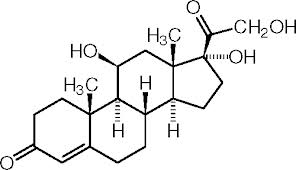
cortisol
Cortisol’s Functions

Cortisol has gotten a bad rap in recent years due to its nickname, the “stress hormone”. What occurs during times of excessive emotional stress? The adrenal glands respond by producing more cortisol in an effort to provide more energy and a higher pain threshold which is in keeping with the “fight-or-flight” response you may be familiar with. Normally, cortisol levels are at their highest in the morning then decrease progressively throughout the day, but if your body is placed under excessive stress, it may produce abnormally high levels of cortisol which disrupt this natural pattern. The resulting elevation in cortisol stimulates the metabolism of carbohydrates and fats and also triggers insulin release. These activities can result in an increased appetite and uncomfortable hunger pains. Blood glucose levels also rise as a result of excessive cortisol release, and if that glucose is not used for energy, it will be stored in the body’s fat reserves, particularly in the fat cells of the abdominal region.

An alarming consequence of excess cortisol release as a result of stress is the damage to the hippocampus and potential memory loss which can occur over time. Several studies have discovered that about one fourth of the hippocampus cells in the brain are lost as we age. Since the hippocampus is responsible for giving feedback to the cerebral cortex in order to prevent production of excess cortisol, such feedback is impaired and could lead to memory loss over time.

However, while it is true that cortisol is responsible for responding to stressful situations, it is also essential for a number of important functions in the body, including regulation of blood pressure, glucose metabolism, immune system support, memory support and regulation of blood sugar. Keeping cortisol release at a balanced and normal range is the key to optimizing its beneficial effects.

Catabolism, Anabolism and Cortisol

Cortisol is a potent catabolic agent and has been shown to cause significant loss of muscle mass in sedentary individuals. When cortisol is released into the bloodstream, it binds to receptors on muscle cells and activates the ATP-dependent ubiquitin/proteasome pathway which causes the body to literally consume its own muscle tissue. It’s a disturbing thought, but the upside is that weight training is effective in counteracting some of cortisol’s direct catabolic actions. The strange paradox is that training both reduces cortisol’s direct catabolic effects and increases the body’s secretion of the substance. Cortisol also slows the body’s anabolic drive by inhibiting the release of testosterone, human growth hormone and insulinlike growth factor 1. Thankfully, weight training once again blocks this anti-anabolic action to some extent, but this block only occurs in the trained muscles.

Another bizarre paradox with cortisol is found with protein absorption. Eating any meal will trigger cortisol release, but proteins are the most potent cortisol releasers. Cortisol release can be blocked by administering alpha-1-blockers before a protein meal, but this will also adversely affect protein absorption. What this boils down to is that cortisol must be released in order to properly assimilate proteins. Keep in mind that protein-induced cortisol release is very brief, while cortisol released as a result of stress persists for a much longer period of time.

Controlling Cortisol Release

A certain level of cortisol secretion is normal. However, if you are interested in controlling excessive cortisol release, you may want to consider taking certain supplements. The most prudent manner in which to do this is to get a blood test beforehand which will determine whether you actually have abnormally high cortisol levels.

GlutamineComplex300L-glutamine: Athletes who supplement with L-glutamine are well aware of its mass building and reparative effects, but L-glutamine also halts cravings for simple carbohydrates, thus aiding in stabilizing blood sugar in individuals who have high cortisol levels.

Theanine: Theanine is naturally found in green tea and has been studied for its calming effects on the nervous system. It works by triggering dopamine and gamma aminobutyric acid (GABA) release, which serve to protect the hippocampus.

L-lysine and L-arginine: Combination oral supplementation of these two amino acids have been proven to reduce anxiety and restore cortisol to basal levels.

B-Complex Vitamins: All of the B vitamins work synergistically in adrenal hormone production, especially vitamin B-6, pantothenic acid and niacin. Not only do they support adrenal hormone production, they also protect against the effects of excess cortisol.

Vitamin C: When the body is placed under stress, free radicals are produced which cause the body to use up vitamin C as a protective mechanism for cells. Since we are unable to produce our own vitamin C, it must be ingested regularly. In fact, vitamin C intake should be increased during stressful times.

Zinc: Stress-related cortisol surges will often trigger sugar cravings which, when indulged, may result in a zinc deficiency due the fact that sugar binds with zinc and is excreted. However, individuals who supplement with zinc and refrain from sugar indulgences benefit from a protective effect which zinc confers. One study in particular, “Zinc Acutely and Temporarily Inhibits Adrenal Cortisol Secretion in Humans” by J. Brandao-Neto et al in the January 1990 issue of the journal “Biological Trace Element Research”, administered zinc to some subjects and placebo to the control group. The group which was given zinc supplementation showed an acute drop in cortisol levels compared with the control group.

Magnesium: Studies by Dr. Hans Selye revealed that when the human body shifts from an acute “fight or flight” reaction to a chronic stress response, the high levels of cortisol and norepinephrine result in magnesium depletion. When the body is deficient in magnesium, one becomes predisposed to panic attacks which lead to more stress and more depletion. Studies have also shown that 80 percent of the American population is deficient in magnesium. By supplementing with magnesium, one can boost serotonin production and provide protection against the harmful effects of excess cortisol.

ZMA: ZMA, which stands for Zinc monomethionine aspartate and Magnesium Aspartate, is a popular sports supplement which is comprised of zinc, magnesium and vitamin B6. The proportion of ingredients usually seen is 20-30 mg zinc, 400-500 mg magnesium and 10 mg of vitamin B6. This supplement meets the body’s magnesium requirement, and the zinc and vitamin B6 allegedly increase strength levels.

Pregnenalone: Pregnenalone is a precursor to progesterone and DHEA. Since progesterone has a protective effect against the effects of estrogen and cortisol, and since DHEA causes cortisol levels to fall, pregnenalone can be an effective supplement in controlling cortisol excess.

Phosphatidylserine: This phospholipid is an essential building block for cells which is extremely effective in reducing cortisol levels in response to physical stress. Phosphatidylserine can also have a positive effect on one’s mood.
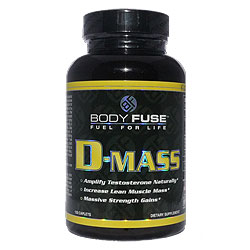
Bodyfuse D-MassTestosterone Boosters: These substances can moderate the release of cortisol in response to exercise.

Growth hormone boosters: These substances also control exercise-induced cortisol release while leaving basal cortisol release unaffected.

Carbohydrate drinks: When a workout is lengthy, blood glucose levels fall, resulting in hypoglycemia which triggers the release of cortisol. Consuming a carbohydrate beverage can prevent this drop in blood glucose while also maintaining insulin at a high level.

To Suppress, Or Not To Suppress…Cortisol, that is:

Many of you are aware that cortisol can simultaneously cause degradation of protein and impair protein synthesis. However, there is a danger in taking supplements to inhibit cortisol release if your basal cortisol levels are already low. When basal cortisol levels are below normal, metabolism is disrupted, blood sugar drops and glycogen stores are diminished. Low cortisol levels also cause blood pressure to plummet along with a decrease in cardiac output. Diminished cortisol also causes hyperactivity in the melanocytes which produce skin pigment, precipitating dark discoloration.

If that isn’t enough, low cortisol results in impaired immune response, weakness and dehydration. When infection, excessive sweating or surgical trauma occur in such an environment, an adrenal crisis can occur. If such a crisis is pronounced, a whole host of symptoms can manifest, a number of which are life threatening. The most severe of these symptoms are loss of consciousness, low blood pressure, seizures, shock and coma.

As stated before, it is a good idea to check your cortisol levels before taking any type of supplement which is designed to control cortisol release.

High Fructose Corn Syrup

Originally published on mensphysique.com on Monday, 01 October 2012

http://www.rxmuscle.com/blogs/the-lab-supplement-school/6661-high-fructose-corn-syrup.html
Corn Syrup
Corn sugar, or high-fructose corn syrup (HFCS) as it is more commonly called, is the most common sweetener which is used in processed foods and beverages. In fact, HFCS comprises more than 40 percent of caloric sweeteners added to foods and beverages and is the sole caloric sweetener in soft drinks in the United States. It is adored by the food industry because it is extremely sweet, incredibly cheap, easy to transport and keeps foods moist. Like its chemical cousin table sugar (sucrose), it has raised eyebrows in the research world and prompted a growing body of studies which examine the manner in which the body processes it. The general consensus is that consumption of large quantities of any type of sugar is closely linked to dental cavities, obesity, malnutrition, and increased triglycerides. One study which was published in Metabolism Journal discovered that individuals who drank a beverage sweetened with HFCS had fructose blood levels five grams higher than those consuming a beverage sweetened with table sugar. This may not seem like much, but when you consider the cumulative effects, HFCS becomes a much more insidious dietary villain.

Fructose and GlucoseLet’s examine the composition of HFCS. This substance contains from 43 to 55 percent fructose with the remainder as glucose. In contrast, sucrose is 50 percent fructose and 50 percent glucose. Both are quite similar except when it comes to chemical bonds. When HFCS is made from cornstarch, the fructose molecules are not bound to other sugar molecules, while with sucrose, every fructose molecule is bound to a glucose molecule. When sucrose is ingested, it must undergo an extra metabolic step before the body can use it. With HFCS, the body reacts to the fructose readily. The problem is that fructose has no effect on glucose levels and insulin release (in other words, it skips glycolysis) and thus will not trigger the release of leptin (the hormone which signals your body to stop eating when it is full) nor create a feeling of satiety. This can lead to a higher caloric intake with a corresponding body weight increase. Basically, HFCS tricks the body into thinking it’s hungry when it may already be full.

Foods Containing Large Levels of HFCS
· Regular soft drinks
· Salad dressings
· Breakfast cereals
· Frozen yogurts
· Canned soups
· Canned fruits (if not in their own juice)
· Jarred and canned pasta sauces
· Bread
· Fruit-flavored yogurts
· Pancake syrups fruit juice and fruit drinks
· Popsicles
· Ketchup and barbecue sauces

Make sure to check ingredient listings, especially with the foods listed above, and try to avoid HFCS whenever possible.

Protein Denaturing And What It Means For You

Originally published on mensphysique.com on Wednesday, 05 September 2012

http://www.rxmuscle.com/blogs/the-lab-supplement-school/6456-protein-denaturing-and-what-it-means-for-you.html

protein denaturing
Proteins are comprised of amino acids arranged like beads on a string (primary structure) which are then folded upon themselves by means of hydrogen bonds (secondary, tertiary and quaternary structures). This intricate folding can be very complex, conferring specificity which defines a protein’s biological activity. If such higher structures are disrupted, such as by temperature extremes, altered salt concentration or changes in pH, a protein’s biological activity can be reduced or completely obliterated.

When most proteins are heated beyond 41 degrees Celsius (105.8 degrees Fahrenheit), the bonds are broken, thus resulting in denaturing of proteins. When you consider the fact that normal body temperature is 37 degrees Celsius or 98.6 degrees Fahrenheit, not much heat is required to break down a protein. Most stoves have broiling air temperatures up to 500 degrees Fahrenheit, with the surface temperatures of food reaching higher temperatures as a result of direct radiation from the heating elements. In essence, normal cooking practices heat proteins well above the temperatures at which they become denatured.

In addition to denaturing, cooking temperatures can cause cross-linking of some proteins, best exemplified by hardening of bread or eggs during the cooking process. This reduces the digestibility of the proteins, but it is important to consider that the majority of those proteins is absorbed and utilized by the body. Most whey protein has been processed at temperatures exceeding 160 degrees Fahrenheit or 72 degrees Celsius, qualifying it as hydrolyzed protein. However, despite the fact that the peptide bonds in the protein are broken during pasteurization, denatured protein still contains all of the amino acids that are found in unhydrolyzed protein and which provide the building blocks for muscle.

What this translates to is the fact that there is still nutritional benefit to be gained from denatured protein despite the argument by some that such proteins are useless. During the critical post-workout window, the body needs protein in order to repair and build muscle. Most of this is absorbed and utilized by the body, with a small portion excreted as waste which is often characterized by a particularly pungent “protein bomb” odor.

Why have I brought up the subject of denatured protein? Because I have heard people argue that hydrolyzed whey protein is useless because it is not bioactive. It seems to me that the considerable muscle mass found on individuals who ingest large amounts of whey protein flies directly in the face of such a short-sided argument. Furthermore, I do not believe that the baking process to which whey protein used in high protein breads is subjected poses any greater risks on the constituent amino acids themselves since they are already hydrolyzed to begin with. Until I see an individual who shows no increase in muscle mass despite proper weight training and sufficient protein intake which relies heavily on whey protein sources, I will continue to hail hydrolyzed whey protein as an excellent source of protein for those who are trying to gain muscle.

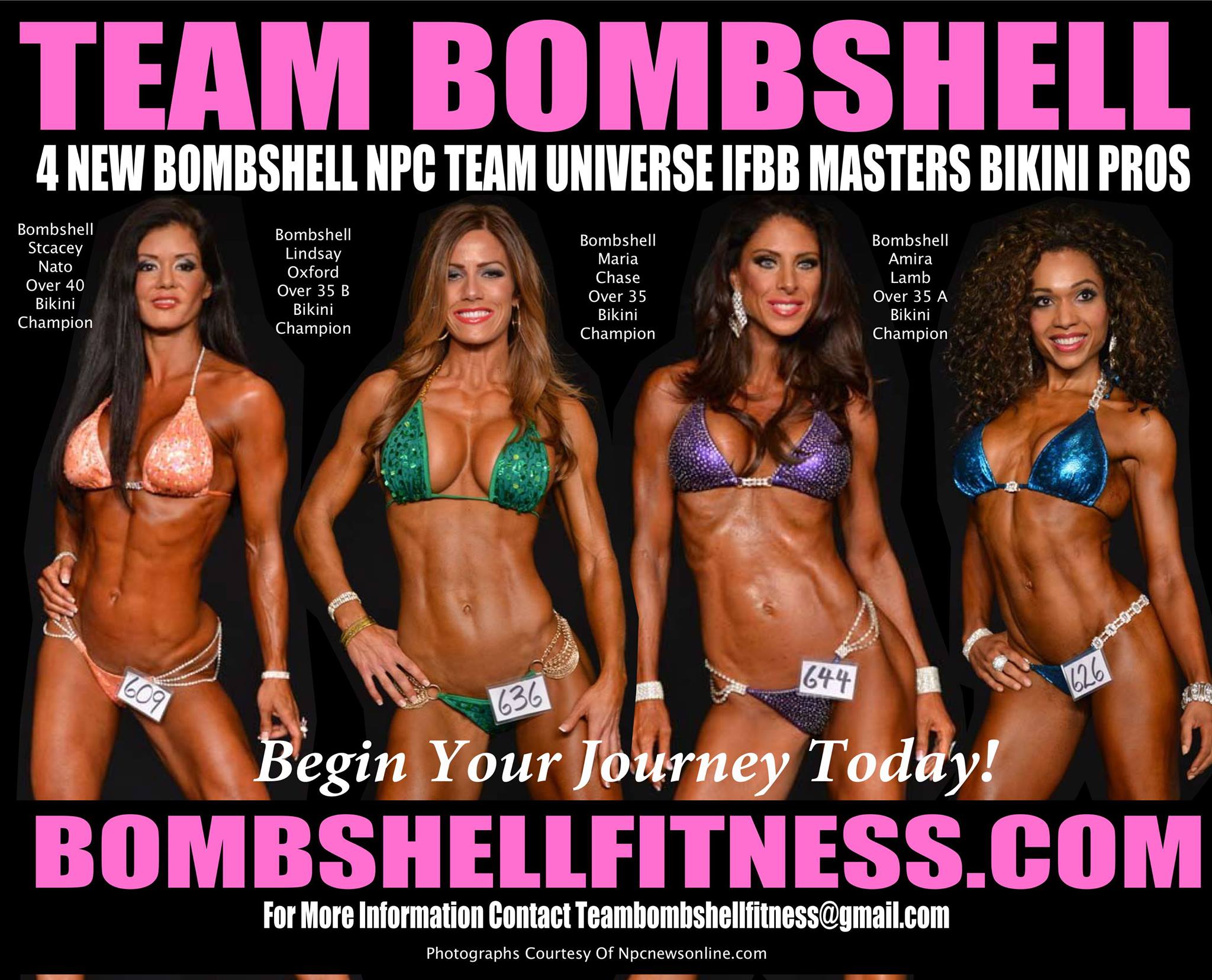
Great Bombshell Poster From Team U 2013 When I Went Pro

bombshell TU

The titles here aren’t completely correct here. I was the Over 35 B Champion as well, with a First Place finish to complement my Over 40 B First Place finish and my Overall Title in Over 40, but because I had already won my Pro Card, Second Place finisher Lindsay Oxford got her Pro Card as well. I guess that is why they decided to make it sound like Lindsay Oxford had won her class.

Collagen Controversy: Is This Protein For You?

Originally published on mensphysique.com on Wednesday, 01 August 2012

http://www.rxmuscle.com/blogs/the-lab-supplement-school/6215-collagen-controversy-is-this-protein-for-you.html
Collagen Protein
Though collagen is not the most popular sports protein source, a number of sports supplement companies use it as part of their formulations, and in a couple of instances showcase this ingredient. There have been claims suggesting that hydrolyzed collagen may promote the oxidation of fat while promoting the preservation of lean muscle mass. In addition, collagen is believed to provide important amino acids that serve as building blocks to help strengthen connective tissues throughout the body, thus restoring elasticity to tendons, ligaments and skin. However, the controversy surrounding collagen is significant, and those who currently ingest collagen, whether for nutritional protein supplementation or for restoration of skin and ligament integrity may wonder if this pricey protein is simply a waste of money.

Collagen is the second most common substance encountered in the human body, right behind water. It is essential for strong connective tissues and is also found in membranes that surround blood vessels and internal organs. In addition, collagen is a vital component of skin. This adds up to one third of all the protein found in the body. As a response to collagen’s gradual age- and activity-related degradation, collagen supplements have been formulated in an effort to restore this loss. Here are the numerous benefits which proponents of collagen protein claim:

· Increased fat oxidation
· Increased lean muscle mass
· Cardioprotective benefits
· Improvement in skin, hair and nails
· Stronger bones
· Stronger joints

Which of these claims are valid, and which simply convince consumers to add an unnecessary supplement to their daily regimens?

Evidence Supports Use of Collagen For:
Osteoarthritis and Rheumatoid Arthritis – Numerous studies have been conducted in order to determine whether collagen supplementation has any effect on the treatment of arthritis, and the results are encouraging. Such studies have revealed measurable increase in joint mobility, as well as reduction of pain and joint inflammation after administration of collagen (specifically undenatured type II collagen) supplements. Supportive evidence of the importance of supplementation with type II collagen is the presence of anti-type II collagen autoantibodies in patients suffering from rheumatoid arthritis. Optimal daily dosage of type II collagen in the treatment of arthritis is 5 to 10 grams.

Sports-Related Joint Pain – In a study conducted on 86 adult athletes at the German Olympic Center in Essen, Germany, 79 percent of the study’s subjects had a statistically significant improvement in joint mobility and flexibility as well as decreased pain after a 12- week, 10 gram daily course of CH-Alpha (a nutritional supplement containing collagen hydrosylate, other proteins and amino acids which is nearly identical to the collagen found in joint extracellular matrices).

Preservation of Lean Body Mass in the Elderly – According to a 2009 study in the Journal of the American Dietetic Association, a number of elderly, sedentary women who were given hydrolyzed collagen supplements showed an increase in lean body mass at the end of the study. However, other studies which were conducted in younger subjects and athletes failed to show a correlation between administration of collagen protein and preservation of lean mass.

Forget Collagen When Treating the Following:
Preservation of Bone Density – A number of studies conducted in recent years have failed to show any effects on bone density in subjects suffering from osteopenia or osteoporosis.

Sagging Skin and Wrinkles – The aging process results in impaired collagen production as well as progressive degradation of collagen, leading to thinner skin and wrinkles. Unfortunately, topical collagen formulations fail to penetrate the skin and thus have no utility in reversing these age-related changes. In addition, scientific studies have shown no correlation with oral collagen supplementation and restoration of youthful skin. The only utility transdermal creams have is in fattening up the wallets of skincare companies.
Cardiovascular Health – Despite the fact that collagen fibers are abundant in the extracellular matrix of the myocardium and arterial walls, there is no evidence which supports oral collagen supplementation and prevention of atherosclerotic disease.
Collagen Sources and Cow Scares

The oldest and most common sources of collagen include the skin, bones and connective tissues of chickens and cows. However, the incidence of transmissible bovine spongiform encephalopathy (aka mad cow disease) has resulted in the increasing use of marine collagen hysdrosylate and shark skin collagen. In addition, products derived from animal sources carry a risk of a potential allergic reaction. For those who are hesitant to use any form of collagen, it may be prudent to consider supplementation with substances which have been proven to boost the body’s natural production of collagen.

What Boosts Collagen Production?
Above all else, maintaining healthy eating habits, getting regular exercise and hydrating sufficiently will support the body’s natural ability to produce collagen. However, there are substances which play integral roles in collagen production and which can be easily incorporated into a daily supplement regimen.

Vitamin C – This substance’s primary role is to make collagen and its presence is essential for collagen formation. If for some reason you are unable to tolerate vitamin C supplements, you may want to take the C ester form which is also known as ascorbyl palmitate.

Alpha Lipoic Acid – This substance recycles the body’s vitamin C pool, thus optimizing its effectiveness. Alpha Lipoic Acid is also an excellent antioxidant which can aid in reducing joint swelling.

Lysine – One of the essential amino acids, lysine plays a vital role in collagen production. For individuals who are interested in lysine supplementation, a daily dosage of 1,000 mg is suggested. However, diets which incorporate eggs, nuts, poultry, red meat, pork, cheese, legumes or cheese will in the majority of cases provide adequate amounts of lysine.

Glucosamine combinations – Glucosamine is typically formulated with either chondroitin or MSM and is excellent for management of joint pain. However, it does not directly impact the production of collagen. Due to common reports of gastrointestinal upset in some individuals who take the chondroitin formulations, it may be wise to opt for glucosamine/MSM combinations.

Vitamin A – This fat-soluble vitamin stimulates collagen renewal by increasing the activity of enzymes in collagen and improving elasticity. One commonly used form of vitamin A is retinol, which can be found in a plethora of skincare products.

Vitamin E –This powerful antioxidant is extremely effective in eliminating free radicals which result from sun exposure and works synergistically with vitamin A to prevent progression into collagen degradation. Food sources include almonds, avocado and dark green leafy vegetables.

CoQ10 – This is another powerful antioxidant which has significant cardioprotective benefits. It stimulates skin cell activity in general as well as stimulating collagen production.

Summary
Collagen supplementation may have some utility in alleviating joint pain. However, it does not confer benefits to skin integrity since it is not assimilated via the oral or transdermal routes. In addition, nutritional collagen is extremely costly and does not offer any advantages over the more popular whey protein powders on the market.

What To Bring To Your First National Show Besides Your Physique

Originally published on mensphysique.com on Monday, 07 May 2012

http://www.rxmuscle.com/blogs/the-news-the-newest-in-mp/5580-what-to-bring-to-your-first-national-show-besides-your-physique.html

So you competed in a national qualifier and got your qualification…fantastic! But now you may be wondering how to prepare for a national level show, what to pack, and generally what to expect at the national level. I can’t tell you how many times I have seen competitors who are newbies to the national circuit and have that deer in headlights look. They are completely stunned by the magnitude of a national show and intimidated by all the other nationally-qualified athletes who, for the most part, look amazing. Quite frequently these new competitors have no idea what to pack for a show outside of their local region and end up scurrying all over the place trying to procure the items they neglected to pack.

In light of this, here is a list of essential items to pack for a national level NPC/IFBB show, along with explanations. If you go to a national show fully prepared, you won’t have to deal with the stress of having forgotten something.

Board shorts (at LEAST two pairs, in case something happens to your main pair)
Dark towel (you don’t want to get tanning solution on the hotel towels because the hotel will charge you to replace them!)
Dark t-shirts (these make great pillowcases at the hotel)
Umbrella (you never know if it might rain)
Close-toed shoes
Flip-flops
Driver’s license or other ID
Cash for incidentals, cab fare
Basic toiletry items (toothbrush and toothpaste, moisturizer, hair gel, deodorant, razor)
A good skin scrub – sugar scrubs are much gentler on the skin than salt scrubs. Make sure the container is leak-proof and place in a Ziploc bag for extra security. If this is being packed in a carry-on bag, make sure the container is 3 ounces or less.
Touch up foundation or bronzer for your face to match up with airbrush color on body
Baggy pants with NO elastic at waistband
Loose brushed cotton or flannel button-down long-sleeved shirt
Socks (your tanned feet will stain the sheets!)
Underwear
Enough changes of casual clothes for the time that you will be at location
Nice outfit in case you feel inclined to go out to celebrate after finals
Diuretic (if your coach advises it)
Food – make sure to pack extra food. You can freeze your food then pop it in the microwave as you need it.
Supplements
Safety pins
Moist wipes – travel pack size

If you map out your packing strategy you should be able to remember to pack all the essentials.

Competing On A Budget

Originally published on RxGirl.com on Sunday, 14 October 2012. The original post was published with white text on white background, so the only way to read it on the site is to highlight the text. To make things easier for everyone, I have copied and pasted the article here for you to read.

http://www.rxmuscle.com/rx-girl-articles/6778-competing-on-a-budget.html

Figure top 5
Several weeks ago I calculated the total amount which has been spent by my sponsors and by me on all costs associated with the half dozen national qualifiers and the thirteen pro qualifiers I have competed in since 2009, and almost fell over in my chair. I am by no means blessed with disposable income so I can honestly say that my drive to compete has required a tremendous amount of financial and personal sacrifice. However, I realize that many of you prefer to keep expenses to an absolute minimum, so I offer a number of suggestions on how to meet the financial demands of competing without putting undue strain on your wallet.

1. Set a specific competition budget and stick to it. I have a separate “show fund” in which I set aside money for competitions and am well aware of what I can and cannot afford. I know competitors (and I admit I have foolishly pushed myself to the limit in the past) who have paid a show entry fee then later came to the realization that they could not afford the other expenses for the event and had to back out of it. Once a budget is set, it is important to limit oneself to the number of competitions which will keep one within budget. This can be challenging, especially when one is on a mad quest to chase a national qualification or pro status.

2. Look for a sponsor. I have had competitors ask me how to obtain sponsorship and who also lament the fact that it is exceedingly difficult to land sponsorship from a supplement company. My response to this is that sponsors can come in all forms! Here are some suggestions for potential sponsors:

Fans
Friends and family
Business associates
Fitness clothing companies
Smaller supplement companies

The trick to asking for sponsorship is to graciously ask for assistance in paying for an event. Remember that even a small amount will help. I have competed at events which have been sponsored by a number of entities, with the tan covered by one, entry fee covered by another, flight by yet another, etc.

3. Stick to nearby contests. It makes sense to compete within your geographic area if you are trying to keep costs down. If you are competing at local and regional events, make sure these events are within reasonable driving distance from where you live. National-level events are much trickier since they are fewer in number and take place in very specific areas. If your budget allows it, you may consider competing at pro-qualifiers provided 1) your budget allows it, and 2) you limit the number of pro-qualifying events you enter.

4. Stay with friends. If you are considering competing at an event which is far from where you live, consider asking friends or family who live near the venue if it is possible to stay with them.

5. Purchase a used competition suit. Many competitors will retire gently used suits and put them up for sale. This is a great way to get a suit without breaking the bank. Keep in mind that you should determine whether your body is similar to the competitor who has worn the suit, as this will greatly affect how the suit fits YOU.

6. Bling out your own suit. A competition suit encrusted with crystals can range from several hundred to thousands of dollars and can really kill a competition budget! A great option is to purchase a plain suit then purchase crystals, beads or sequins from wholesale supplier online, then apply the embellishments yourself. Please refer to my article on How To Bling Out Your Own Suit for more details on how to do this. By choosing this option you will save a considerable amount of money. In addition, you can customize your design, making your suit truly one-of-a-kind.

7. Do your own makeup. Out of the eighteen competitions I have been in, I only had my makeup professionally done four times, and that was in 2009 and 2010. Since then, I learned how to apply makeup for the stage and as a result, have saved a significant amount of money. Please refer to my article, Perfect Stage Makeup for pointers. Also make sure to PRACTICE a couple of times before the contest so that you don’t wind up with a disaster on the big day. There are plenty of great tutorial videos on YouTube which will walk you step-by-step through makeup application for a smoky eye.

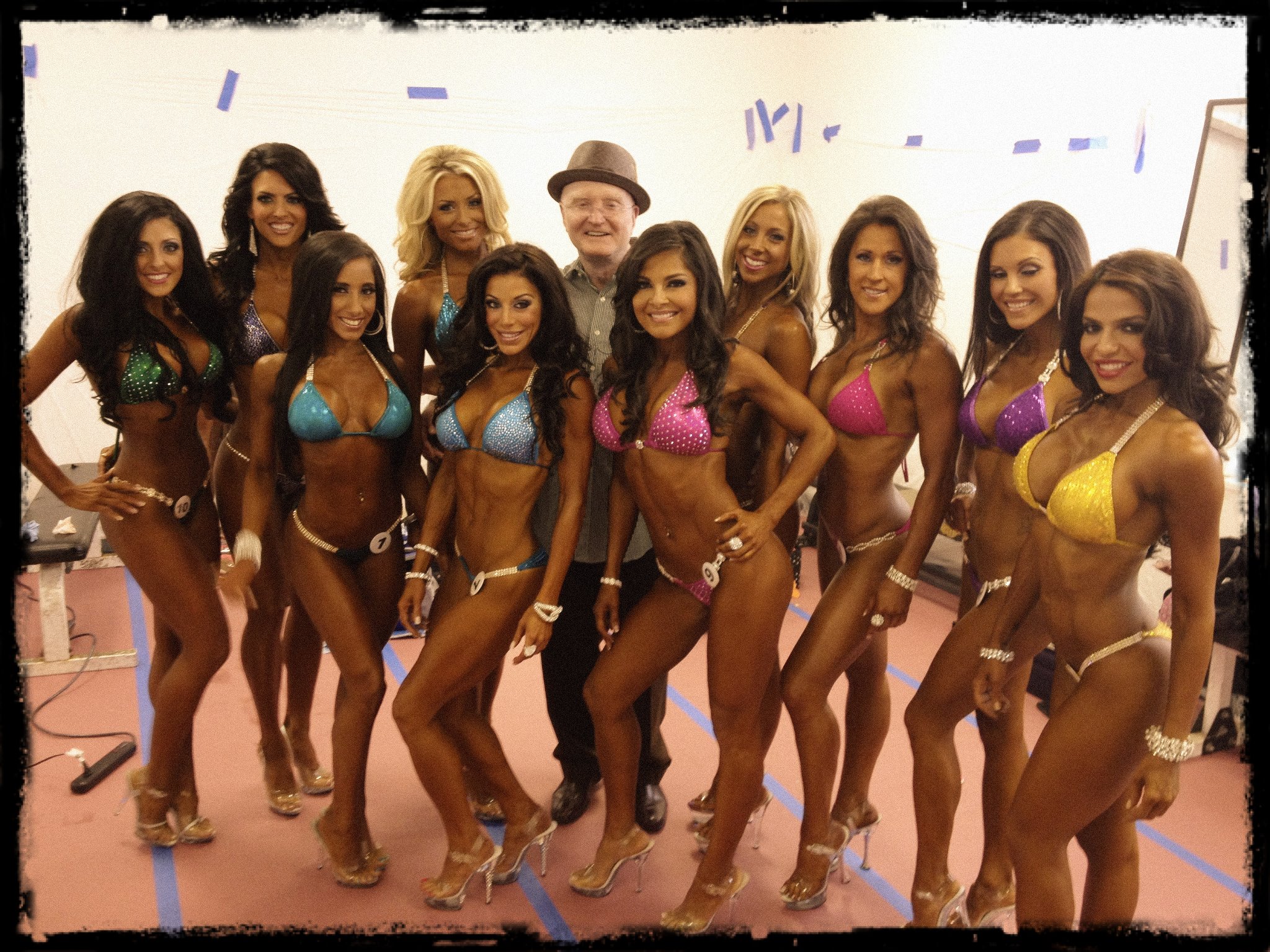
Pro Bikini gals backstage
8. Do your own hair backstage. Generally speaking, you really don’t need to get too fancy with your hairstyle. For figure and bikini, either flatironing for a sleek look or adding big, soft curls will look nice onstage. Fitness, women’s physique and women’s bodybuilding may necessitate putting some hair up if you have hair that is long enough to get in the way of your routine. Make sure to use either smoothing serum for flatironed styles or hairspray for curls so that things stay in place. However, do NOT make your hair so stiff that you cannot gracefully move it off your back during your back pose.

9. Apply tanning solution yourself. This is a tough one, since I always have my tan done professionally. However, if you are truly on a tight budget, it is certainly possible to apply tanner yourself. The only limitation will be when you need to tan your back. There is a tool which you can purchase called Xen-Tan Hard To Reach Back Applicator which does a decent job of evenly depositing self-tanner on hard to reach areas if you aren’t able to find someone to help you apply your tanner. This clever device is available at a number of sites, including Neiman Marcus, Zappos, 6 PM, Amazon and Ulta. I merely chose the Ulta site because that is where I purchased mine.
http://www.ulta.com/ulta/browse/productDetail.jsp?skuId=2242675&;productId=xlsImpprod4141877&navAction=push&navCount=1&categoryId=cat90022

Make sure to apply a thin, even layer and allow to dry before applying the next layer. The number of layers you will apply will depend on your base skin tone and the brand of solution you decide to use, but you should plan on applying two to five coats of color.

As for the solutions which I consider the best for stage, I love Jan Tana High Definition Color and Liquid Sunrayz. Bronze Angel by Dream Tan is also great. Some people love Pro Tan so this brand may also work well for you. However, I personally cannot use this product as it fades immediately on me, hence my hesitation with this particular brand.

I hope these tips will enable you to compete at the shows you have your eye on! Best of luck!

The Fledgling: The Men’s Physique Division (Revised)

Originally published on mensphysique.com on Tuesday, 10 April 2012. In light of the fact that the Men’s Physique Division has now been around for four years, I have appended an extra section to the original article, but have made no changes to the body of the article which I wrote back in 2012.

http://www.rxmuscle.com/blogs/the-news-the-newest-in-mp/5364-the-fledgling.html

This weekend we are looking at only the second ever MP PRO show to hit the stage. The NPC and IFBB were quite wise to establish the Men’s Physique Division. However, it is the baby of the bunch amongst divisions (alongside Women’s Physique) and will endure growing pains for a period of time before standards are clearly defined. The newly minted IFBB Men’s Physique Pros have the opportunity to legitimize and strengthen the division not only by how they continue to condition their bodies, but also by how they conduct themselves within the IFBB and how they choose to brand themselves within the mainstream.

Every division has struggled to define standards in its early days and has also battled naysayers who have tried to undermine its rigors and distinguishing characteristics. Men’s Physique is no different. However, it is not constructive to balk at the direction in which the division is moving, or complain about which men are and are not attaining pro status. If there are suggestions which you would like to offer in order to shape or strengthen the division, make your voice heard as one filled with positive energy and enthusiasm. But don’t create friction and end up irritating the very officials who have made it possible for you to step on stage and compete.

It is true that it can be tricky to determine if one should come in leaner, beefier or softer for a show since judges from various regions may have ideals which may differ from one another. Remain consistent with what your genetics lean towards, but study the pros and see what it is about their physiques or presentation which set them apart from the rest of the competitors.

As a national level NPC Bikini Champion who has come deliciously close to attaining IFBB Pro Status at three pro-qualifiers, I understand how frustrating it can be to see competitors who may or may not deserve pro status beat you out of that spot. I have competed in the Bikini division since 2009 when the division was incepted and have seen a great deal of progression with respect to division standards. Bikini pros from 2009 look different from the 2010 pros. The pros from 2011 look different from those two groups as well. It seems the quest for a more well-muscled physique is generally more desirable in 2011 than it was in 2009. It is important to consider that the playing field has intensified significantly, and bikini competitors are training differently now than they did in 2009 when it was still a bit unclear as to what the judges were looking for.

I see the same thing happening with Men’s Physique. My belief is that 2012 will bring a higher level of conditioning to the national qualifying shows, mostly as the result of the judges having the good fortune and tough task of judging the IFBB Men’s Physique Pros. This occurred in the Bikini Division in 2010 when the IFBB Bikini Pros brought a higher level of conditioning to the stage.

The lesson here…just let the baby learn to walk and enjoy the progression.

EPILOGUE

Just as I had surmised, the Men’s Physique Division has definitely brought a higher level of conditioning to the IFBB stage. Delt caps have gotten inflated, and some Pro men have attained a degree of muscularity which has some people wondering if it’s time for them to cross over into the bodybuilding division. Here is an example of one prominent Men’s Physique Pro competitor, Sadik Hadzovic, who displays considerable growth in the delts and upper lats from 2012 to 2014:

This is Sadik Hadzovic at the 2012 Valenti Gold Cup where he took the First Place win.

This is Sadik Hadzovic at the 2012 Valenti Gold Cup where he took the First Place win.

Here's Sadik again at the 2014 Wings Of Strength where he also took a First Place win.

Here’s Sadik again at the 2014 Wings Of Strength where he also took a First Place win.

Sadik has beaten the odds and remained at the top of the Pro game for three years now, because he has made changes to his physique which have been consistent with the ebb and flow of the IFBB judging ring. I have immense respect for him and for ALL the Pros out there who represent the division and the sport with integrity and dedication.

To The New Model On The Block

Originally published on mensphysique.com on Monday, 02 April 2012

http://www.rxmuscle.com/blogs/the-business-fitness-modeling-and-showbiz/5254-to-the-new-model-on-the-block.html

MF17-COVER

Modeling for the first time can be a bit daunting, especially during fitness shoots in which your physique is being prominently displayed. However, there are some guidelines and tricks to make the experience a pleasant one and one in which you can maximize the chances of producing strong images. The single-most important thing is to follow the photographer’s lead with posing, since prominent fitness photographers have developed considerable skill in posing the human body in the most flattering manner possible. This doesn’t mean that your work isn’t cut out for you, but the following posing tips will become easier over time as you are asked to do more shoots. It’s actually a good idea to practice modeling poses in front of a mirror so that you can more clearly assess how your body looks in certain poses.

Generally speaking, a wide leg stance displays your muscularity in the best fashion since it makes your waist appear smaller and enhances the bulk of your quads. Make sure to stagger feet so one foot is a few inches more forward than the other. You will shift your weight onto this foot and flex your quads while bending knees slightly. To make your upper body look as wide as possible, widen your shoulders and keep your back straight in order to enhance your v-taper.

Once your pose is established, you will flex muscle groups one at a time, such as quads, then delts, then pecs, then arms and finally abs. Get used to holding a pose! You may need to hold a pose while fully flexed for a couple of minutes. Which brings me to facial expression…quite often you will be asked to relax your face and flash a genuine smile which belies all the tension you are employing in your muscles, which can definitely be tricky. Your face needs to be a calm and happy sea, while the rest of your body is a raging storm of muscle contraction. This may take longer for some men to learn than others, and those men may keep praying for those shoots in which their facial expression needs to be intense, grimacing and full of power. Successful fitness models have mastered this trick and know that is essential in order to land certain covers and ad campaigns.

Above all else, have fun with the shoot, ask for a short break if you are tiring out too quickly, and maintain a positive and pleasant attitude.