Fall Down Seven Times, Get Up Eight

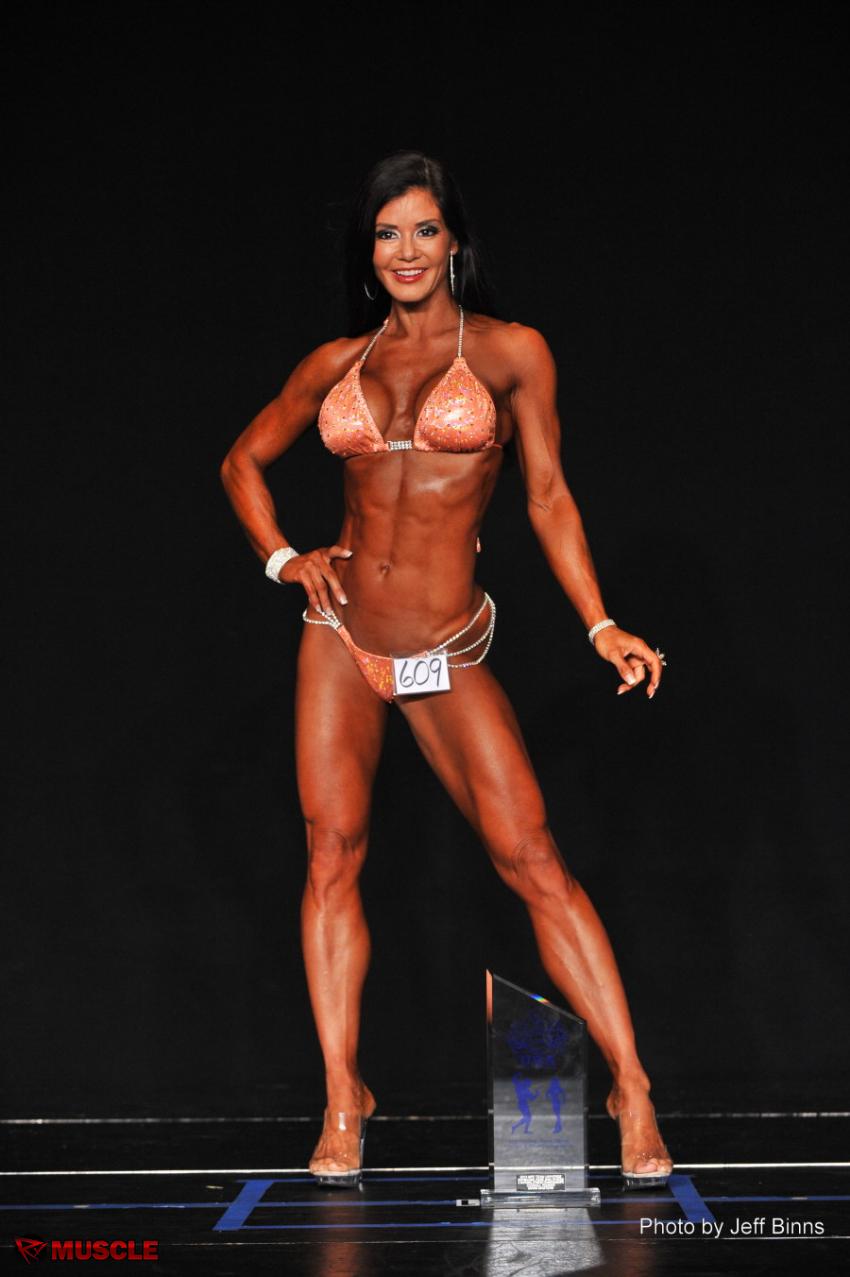
NPC Team Universe July 6, 2013.  The day I earned my PRO CARD!

NPC Team Universe July 6, 2013. The day I earned my PRO CARD!

The first time I heard the phrase that serves as this article’s title, I remember how it resonated with me. I come from a single-parent household and remember seeing how my mother struggled on a very limited income. Somehow she always managed to get by, though I remember every meal being stretched with large servings of Japanese white rice. In fact I remember being quite puzzled the first time I visited a classmate’s house and was served soup without a hunk of rice floating in it. I thought everyone was poor and had to stretch every meal. There were times my mom would splurge and bring home lamb shoulder chops, which I would eat very slowly so that I could prolong the sheer joy of eating such a delectable meat. My mother believed that education was the most important thing and was determined to keep me in private school despite the fact that it meant forgoing many creature comforts. We lived in an old apartment with many donated furnishings. I couldn’t have a car when I was sixteen so my mom and I shared her car. But I was truly happy, and knew that my mom gave me the most love and encouragement a parent could possibly provide.

My mother encouraged me to pursue all my interests, which ranged widely from medicine to illustration, modeling, fashion design, acting, music and foreign languages. She believed in me, made me feel like I was unstoppable, and also made sure my goals were challenging enough for me. Instead of choosing something from the list to pursue, I decided I wanted to tackle them all. I remember my mother struggling financially during my senior year of high school. She didn’t have the money for tuition, so she borrowed it from her siblings so that she could keep me in the same school I had been at for eight years. Her determination to keep me in the same school enabled me to graduate from high school at the age of sixteen at the same place I had established relationships and developed a comfort level. During that time I was able to design an entire clothing line for a company, study several foreign languages, learn to play the guitar, dabble in graphic design, act in several pilots and commercials, and do all kinds of modeling. I had no idea at the time that the pressure to achieve great things set the stage for an eating disorder.

The precipitating event which pitched me into full-blown anorexia nervosa was a rape at the age of nineteen. The event was violent, traumatic, and for whatever reason, I would see my attacker’s face every time I looked in the mirror. I never understood why this kept happening but was so tortured by this that I set about making him disappear. For me this meant starving myself and taking laxatives, which I did for close to a year. I felt fat (which at 5’5” and 103 pounds, was clearly not the case), unattractive, ashamed, and frightened. I was relentless about making this man’s face disappear, which fueled my starvation attempts. At my lightest I got down to 85 pounds and felt like I was in hell. Right around that point I recall an acquaintance telling me that at the age of 20 I looked like a 40 year-old. He was a celebrity fitness trainer and seemed to know a great deal about human performance, so his words jolted me. But I still didn’t see the point he was trying to make.

A couple of weeks later a good friend visited me and took a number of candid photos and sent copies to me. When I looked at the photos, I finally saw the children’s size 12 jeans hanging on my skeletal body, and for the first time I truly saw how emaciated and unhealthy I looked. It was like a slap in the face. Why would I do this to myself? I had hit rock bottom and it was time to turn my life around. As soon as I realized what I was doing to myself, I threw away the laxatives, started eating regularly, began weight training and declared a major in exercise science. During my studies I also decided to enter a Japanese-American beauty pageant and won the title for my region, fulfilling a dream I had since childhood. I had finally healed from the rape and from my eating disorder.

Shortly after that, I obtained my bachelor’s degree and began training clients as a fitness trainer.
For many years I worked as a trainer while also working as an optometric technician and a personal assistant to a stand-up comic. I wanted to keep my life as varied as possible because I had such diverse interests and talents. After a few years I realized that my childhood interest in medicine as a career was still very much alive, so at the age of 30 I applied to medical school. To my surprise, I was accepted, whereupon I began my medical training. During those years I became very discouraged and resentful of the fact that the balance in my life was disrupted so violently. However, I got through it all, somehow cramming in the plethora of medical terms that medical students must learn during their training. There were three things which helped me to endure the rigors of training: 1) my mother’s belief that I could accomplish anything I set my mind to, 2) the joy of helping patients, and 3) my exercise regimen.

I got such a rush from knowing I had made a patient feel more comfortable and understood why the Hippocratic oath is, “First, do no harm”. I felt great empathy for patients and learned I had a bedside manner which set patients’ minds at ease. Throughout all my training, including internship when I would work over 100 hours in a week, I was so determined to keep up with my exercise that I would drag myself to the gym 3 or 4 days a week and train, knowing I would feel better afterwards. Regular exercise kept me balanced, allowed me to have time for myself and also gave me extra energy to power through the most grueling days in the wards. Perhaps I wasn’t in competition shape, but I was in very decent shape at that time, and that was fine with me. I was certainly in much better shape than my colleagues because I never made excuses to keep me from going to the gym.

Being fit and engaging in regular exercise was always essential for me. It has always been there, like a good friend, keeping me aware of the magical instrument of my body, helping me to remain focused throughout all the challenges in my life. I had no idea that my relationship with fitness would be taken to the next level when I attended the NPC California State Bodybuilding, Figure and Bikini Championships in May of 2009. While sitting there watching the bikini competitors strut their stuff, I was approached by two people who encouraged me to compete in the bikini division. I pondered this idea for a couple of days. I was fast approaching my 43rd birthday. I had been laid off from my job as an outpatient physician and thought this would be the perfect “bucket list” item. Why not? I could say that I got onstage in front of hundreds of people in essentially my underwear.

I decided to register for the NPC Los Angeles on July 18th, 2009. I was completely clueless about how to prep my body for the competition and remember frantically looking up information online for tanning, suits and accessories. I remember being backstage before prejudging and thinking I was a complete fool for buying an off-the-rack suit, for sponging on my tan, and for having no clue about how to do my hair and makeup for stage. I still thought I would compete that day and just check off that “onstage in underwear in my 40’s” box, writing it off as an interesting experience in my life.

What happened instead was that I was bitten by the bug. My desire to reach a personal best, coupled with the inspiring energy of being surrounded by like-minded individuals, fueled me and helped me get over my stage fright. Any shred of shyness I may have had prior to that day melted away. I was also amazed by how many competitors had overcome eating disorders, molestation, obesity, disability, cancer and other major medical issues. I decided to do a second show and was shocked when I placed first in master’s bikini. It gave me the drive and determination to keep hanging another carrot in front of me and transform my body. I was given a platform by which I could reach a personal best which I had never reached before. And best of all, I could look at my 40-something body and say, “now this body could rival that of a 20-something!”

I ended up competing in 7 regional events, 14 Pro-qualifiers, and once I attained IFBB Professional Status in July of 2013, I competed in four Pro events. I became more polished in my presentation and learned something from every contest, whether it had to do with posing, tanning, suits, makeup, etc.

What I realize now as an IFBB Bikini Pro and fitness professional is that the transformation a competitor experiences is far more than physical. It is mental, emotional and spiritual. My spiritual journey has been encouraging, empowering and insightful. Through whatever challenge life throws my way, I now know I have the strength to overcome them all. What’s more, the fire in the belly that drives me to keep getting onstage to be scrutinized heavily by judges gives me concrete goals which lend great focus to what I want to achieve in life. I want to keep getting better and better, and am aware of that goal every time I hit the gym. I want to achieve the pinnacle of fitness and success. We are all infused with great strength because we can create goals and REACH them.

Onstage and in the Wings

With the amazing Liz Fitchner at Team Universe, July 2013

With the amazing Liz Fitchner at Team Universe, July 2013


People often ask me what it is like to be up on stage, very scantily clad and fully cognizant of the fact that I am being scrutinized by a panel of judges. There is so much about competing that is appealing, fascinating and inspiring, but there are also many strange and frustrating elements which competitors deal with which can challenge their determination in the sport.

The thrill of strutting out onstage and showing off a hard-earned physique is incredibly empowering, especially when a competitor gets first call-out. The obvious physical transformation is invariably accompanied by an emotional and spiritual overhaul. The audience sees the best of this since they are attending a show. But the backstage world which they don’t see is incredibly colorful and revealing.

Before the competition, many competitors look like hoodlums, bums or like they just crawled out of bed, clad in baggy, dark clothing. The dark skin hues which competitors must sport are more reminiscent of mahogany furniture than human skin. Food coolers are packed with chicken, nut butter, rice cakes, and possibly booze for the celebration afterwards. Every show starts out with a mad scramble after the morning meeting for a prime spot backstage to prep. The ladies cluster around the few full-length mirrors that have been placed around the perimeter of the room. The men cluster around the weights.

It can be maddening and stressful to be in the company of competitors who are so carb-depleted that they are cranky, forgetful and unable to focus on basic streams of conversation. Some are so weak and dehydrated that they are on the verge of passing out. A competitor may have a meltdown because his music cd was misplaced. The overpowering odor of spray tanner admixed with the telltale gaseous emissions of very high protein diets is commonplace. Some abdominals are grossly distended by creatine bloat. A competitor may be freaking out because of a broken suit strap, or makeup being spilled onto a suit, now ruining it…with no backup suit on hand. There are meltdowns with makeup and hair. There are lost earrings and shoes. The fear of water exposure is at an all-time high.

Then once everyone is prepped, there is the interminable wait. When a division and class are announced, there is a mad scramble to get in line. Individuals who bring Bikini Bite suddenly become the most popular people backstage.
Then suddenly a competitor is onstage. Somehow all the stress from being backstage, from dieting and training for months all melts away as that person now has a chance to do turns and show off a tremendous amount of hard work and dedication. Those few moments make it all worthwhile.

A Note To Pro Card Chasers

I had to step on the national stage fourteen times before I won my IFBB Pro Card, so I know first hand how frustrating it can be to ALMOST get that Pro Card, and how irresistible the Pro Card hunt can be. This post is for all of you who are chasing down that Pro Card, and is meant to remind you of what you represent and what you have accomplished.

You are AMAZING. You have already won in the eyes of your co-workers, spouse, children, friends, fans, etc. There is no need to feel validated by the contest judges. Just because you hit the stage and you aren’t selected for the glittering top prize does NOT mean you have failed. You are WOW. You are among the best bodybuilders in the world, and are just stuck in that bottleneck with other elite athletes who are vying for the top rung. So don’t take your placing personally. It really ISN’T about the Pro Card.
You already ARE a champion!

The Costs Of Competing

Overall Team U Pic 2

A number of competitors have asked me recently how much they should expect to spend on competing, which prompted me to write this post. Competitive bodybuilding can get pretty expensive, so you should be prepared to invest some coin in your prep and contests. When I calculated the total amount which was spent by my sponsors and me on all associated costs (coaching, suits, tanning, entry fees, flight, hotel, rental car, supplements, food, shoes, makeup, etc.) which got me to the seven national qualifiers and fourteen pro qualifiers I competed in during the amateur portion of my contest history (2009 through 2013), I was shocked. The total came to over $100,000! Thank goodness my sponsors paid for the majority of those expenses, because otherwise, I wouldn’t have been able to hit the national stage the way I did. Obviously the drive to compete took over me, and demanded a tremendous amount of financial and personal sacrifice which I was willing to make.

Over the years I have spoken with other competitors who have had the same drive to compete who have done stupid and risky things in order to keep competing. Though I took financial risks during my Pro Card chase, I didn’t have children or a spouse to worry about, so my behavior didn’t put anyone else at risk. I admit I had foolishly pushed myself to the limit in the past, knowing that as a consequence I would not be able to afford more basic living expenses, but I got wiser as I continued to compete. I have heard of others who have done similar things, with some competitors risking all they owned for the chance to continue competing. Let me be very clear: Pro status will never help you to cushion a nest egg, so if you are risking financial security for the sake of competing, you had better take a good, long look at the reasons why your obsession with competing is pushing the need for basic survival into the corner. It’s time for a reality check.

Be sensible about the money you spend on competing and set a competition budget which doesn’t put undue strain on your finances. Before I went Pro, I established a separate “show fund” in which I set aside money for competitions, so I was always aware of what I could and could not afford. Once a budget is set, it is important to limit oneself to the number of competitions which will keep one within budget. This can be challenging, especially when one is on a mad quest to chase a national qualification or Pro status.

I always advise competitors who frequently compete to search for potential sponsors. I have had competitors ask me how to obtain sponsorship and who also lament the fact that it is exceedingly difficult to land sponsorship from a supplement company. My response to this is that sponsors can come in all forms! Here are some suggestions for potential sponsors:

Fans
Friends and family
Business associates
Smaller supplement companies

The trick to asking for sponsorship is to graciously ask for assistance in paying for an event. Remember that even a small amount will help. I have competed at events which have been sponsored by a number of entities, with the tan covered by one, entry fee covered by another, flight by yet another, etc.

If your budget is really tight, stick to nearby contests so you don’t have to pay outrageous travel expenses. If you are nationally qualified, you will be somewhat stuck since there are only seven national level events each year, and they place in very specific geographic areas. You might have to limit the number of Pro qualifying events you enter if your budget is very limited. However, I know the feeling of having to hit all the national events in a year in order to maximize one’s chances at a Pro Card. Even when I was sure I would not be able to afford doing a bunch of national events back to back, I somehow managed to to it because I wanted that Pro Card SO badly. I will be quite blunt and tell you that if you are a nationally qualified master’s competitor, you are probably better off confining your stage time to Pro qualifiers which have master’s divisions. That means that there are three chances at a Pro Card each year for you: NPC Team Universe, Master’s Nationals, and IFBB North American.

Other ways you can keep costs down while still hunting for that Pro Card are to stay with friends or family when you travel to Pro-qualifiers, or share a hotel room with one or more competitors. I strongly advise you to avoid sharing a room with people who are in your height or weight class, though, because it can be torture if you face off against each other onstage, and one of you does well while the other doesn’t. It could get uncomfortable or even ugly.

Even if you don’t have far to travel (those of you who live in the tri-state area are in a good spot geographically for several national events), you still need to pay for coaching, competition suits, spray tanning, supplements, food, shoes, makeup and stage accessories. The stream of contest related expenses is exhaustive, so you need to be prepared. There are ways to cut costs down, but whatever you do, don’t scrimp on quality. You still need to bring a polished and well-conditioned package to the stage.

IFBB Pro Status And What It Means For You

IFBBpro_logo

As an IFBB Pro I can definitely say that it is pretty wonderful to have accomplished such a goal. IFBB Pro status is highly respected and an incredible honor. However, many individuals who are enchanted by the idea of chasing after Pro Status in the bodybuilding world are under the erroneous impression that their lives will change dramatically upon winning a Pro card. If you think that once you get your Pro Card, all your problems will melt away and people will be beating down your door simply because of your new, shiny status, think again. The majority of new IFBB Pros still have to hustle to get sponsorships lined up, and they still have to figure out how finance upcoming competitions. With the slump in print magazine readership it has become more difficult than ever to secure a cover or a feature article, even as a Pro.

It is far more important to showcase your particular talents and strengths and build your career and your brand well BEFORE even attaining Pro status. I planted the seeds for a true career in fitness well before I got my Pro Card (it began with me getting my Bachelor’s Degree in Exercise Science back in 1992), and competing aided in my efforts to increase branding and exposure. Though I was more “on the map” after going Pro, I worked harder than ever since then to prove my worth in a very competitive and saturated industry. So for those of you who hunger for that Pro card, don’t forget about what you are doing right now. The path you are walking in that race for the Pro card is your foundation for a great future in fitness and bodybuilding. Don’t risk messing up that foundation by forgetting about all the details which will get you to the Pro ranks.

One final note: I am aware of a large number of people who have jumped ship and joined other federations in their quest for Pro status. While some have made the switch in a diplomatic way, others have been so dazzled by the Pro status prize that they opted for an easier route. If switching federations is a better fit for you, then fine. But if you just want a Pro title so badly that this is the ONLY reason for switching, you might shift your focus on building your brand instead and hang up your competition hat. Remember, competing should be FUN. When you stop enjoying it, you really should retire from the stage.

Question On My Fan Page About Food Additives

Some guy wrote in on my Facebook Fan Page on June 14 at 1:13am with the following question:

“Why is their Xanthan Gum and Sucralose in Whey 100 Ultra Clean when that will make it harmfull to the body how can you loose weight and build lean muscle with those types of harmfull ingredients put in whey?”

I hadn’t seen the question until now, so I wanted to make sure I posted a response. Here it is:

Xanthan gum is a plant based thickening agent which may cause some digestive issues in those who already suffer from digestive maladies, in which case they probably wouldn’t be ingesting whey in the first place. As for the sucralose, there is a huge controversy regarding potential harm from consuming it, yet nothing conclusive. I am personally not a huge fan of sucralose, but truth be told, it is in many food items. In addition, it can be very difficult to make a palatable whey protein formula without sucralose, since stevia can be very bitter. Please be aware that I am not in any way involved with the manufacture of Royal Sport Ltd. products but I definitely consider them to be some of the best in the industry. Bear in mind that the vast majority of sports supplement products are full of additives, so in this case I think we are talking about choosing products which are on the less offensive end of the spectrum when it comes to flavorings and additives.

Why Whey Protein Is The Key To Anti-Aging

Original post can be found at:

http://www.sportsnutritionsupplementguide.com/health-wellness/anti-aging/item/1519-why-whey-protein-is-the-key-to-anti-aging#.VZ2WSvlViko

Fitpicture310x250

Adequate protein intake is vital to anyone seeking to preserve muscle mass, especially since the aging process threatens the loss of all that hard-earned muscle through a process called sarcopenia. Sarcopenia causes a loss of muscle mass and strength in all individuals as they age, even in die-hard gym addicts.

The aging process hits us with a double whammy because 1) our dietary protein needs increase over time, and 2) our ability to synthesize new proteins plummets as a consequence of diminished levels of testosterone, human growth hormone, and insulin-like growth factor-1. In other words, it becomes tougher and tougher to meet the aging body’s protein needs, and the result is a loss of muscle.

One of the biggest challenges in meeting the protein demands of the body as we age is the physical challenge of consuming adequate protein. Protein powders are an excellent means of meeting protein requirements in a low bulk form since they are dissolved in liquid. Whey protein in particular is an excellent protein source for anyone over the age of 30, provided they have no issues with allergy or intolerance to whey.

Whey protein is rich in branched chain amino acids, especially leucine, which is considered the most important branched chain amino acid for protein synthesis, especially in older people. Branched chain amino acids are also responsible for proper dermal collagen protein synthesis, so they play a huge role in the condition of the skin, maintaining its suppleness and tone.

Another age-related benefit of supplementing one’s diet with whey protein is the presence of lactoferrin, which fortifies bone and prevents osteoporotic fractures by activating osteoblasts. Whey protein also contains high levels of cysteine, an amino acid which boosts glutathione production. Glutathione, an antioxidant with powerful anti-aging effects, steadily declines naturally as we age, and since its production relies on the presence of cysteine, the introduction of whey protein into a meal plan can guard against age related diseases.

Whey protein has profound effects on glucose metabolism as well. It reduces serum glucose levels in healthy individuals while impairing glucose tolerance in diabetic and obese individuals. When consumed consistently as part of a sensible high protein meal plan, the result is a reduction in body weight and an increase in fat oxidation. This is due to the release of leptin, cholecystokinin, and glucagon like-peptide 1, all of which create a feeling of satiety.

In summary, the benefits of whey protein are numerous and significant, especially for older individuals. If you have yet to incorporate whey protein into your meal plan and you have been lamenting the ravages of Father Time, do yourself a favor and add whey protein to your daily regimen.

References: Sousa G et al. Dietary whey protein lessens several risk factors for metabolic diseases: a review. Lipids Health Disc. 2012;11:67

Ohhh My Hip…Ohhh My Leg…

itbandanatomy_thumb

Though I don’t really mention this to people, I deal with almost constant body pain. The bizarre thing is that most of my chronic pain issues are located on the right side of my body. I wake up almost every night from intense pain in my right shoulder whenever I roll onto my right side. The pain in my shoulder is the result of a rotator cuff tear which I sustained in April of 2013 and an acromio-clavicular joint dislocation which occurred in December of 2014.

Then there is my right hip which goes into spasm almost daily, and sends a wicked pain along my tensor fascia lata, iliotibial band and peroneus longus (aka lateral thigh and leg) which at times literally takes my breath away. Fun stuff. I power through the pain, especially when a heavy leg day looms ahead, but this chronic pain has me near tears on some days. I am beginning to wonder if I have tensor fascia lata (TFL) syndrome.

My right tensor fascia lata muscle is always tight and inflamed, as is my right gluteus maximus. When my hip spasms, both of these muscles seize up as well. As a result of this ongoing issue, I often dig my knuckles right into my hip to address trigger points and to get some relief, and I also must get deep tissue massages on a regular basis to keep the spasms in check somewhat. I am actually known at the places where I get massages for being the fitness lady who needs at least 90 minute massages to address my musculoskeletal issues!

I recently stumbled upon a great post, written by by Stephen O’Dwyer, CNMT, which I am pasting here:

How the Tensor Fascia Lata (TFL) Causes Hip Pain

This muscle causes pain in two primary ways:

1) Once the TFL has been tight and ischemic for some period of time (it’s different for each individual), it can develop myofascial trigger points.

Trigger points can then refer pain to other parts of the hip, the groin, the buttocks and even down the leg.

2) When the TFL becomes chronically contracted it can exert a mechanical strain on other muscles by distorting joint movement.

For example the gluteals or the piriformis muscle often suffer from an unnatural “pull” from an excessively tight TFL.

Pain, then, might be felt in one or more of the following areas…

• Deep in the hip joint

• Into the groin

• Wrapping around the outer hip

• Deep in the gluteal muscles

• The sacroiliac joint

• Traveling down the leg

What Causes Tensor Fascia Lata (TFL) Dysfunction?

I have been considering for a long time how the TFL becomes excessively tight and locked up (aka dysfunctional) and have concluded that there are two chief reasons…

1) Weakness in the rectus femoris muscle.

The rectus femoris, the top quadriceps muscle along the front of your thigh, is your secondary hip flexor (after the psoas and iliacus which are your primary hip flexors).

And the rectus femoris muscle so often becomes weak as a result of the second reason for TFL dysfunction…

2) Excessive tightness and shortening of the psoas and iliacus.

This is a common occurrence in many of us who sit for long hours at a desk and/or commuting in our cars. The primary hip flexors, the psoas and iliacus, are put into a shortened position when we’re sitting. This can cause them to adapt to the shortened position.

Chronic shortening of the primary hip flexors, the psoas and iliacus, can causes the secondary hip flexor, the rectus femoris, to atrophy.

I believe this occurs, in part, because short hip flexors will abbreviate your stride thus reducing a full and natural leg swing.

In runners who are heel strikers this problem can be even more exaggerated. The quadriceps, and especially the rectus femoris, are severely underused.

In the reaching stride characteristic of heel strikers, the leg extends and straightens at the knee as the foot hits the ground. This leg movement disables the quadriceps muscles.

An aside for runners: underuse of the quadriceps can be rectified using the “barefoot running technique.” This technique does not require one to actually run in bare feet but rather to…

1) Adopt the upright, “running on hot coals” running method

2) To use a running shoe without the beefed up heels of conventional running shoes which don’t allow your foot to go through its full range of motion.

I recommend the Merrell’s Pace Glove for Women or Merrell’s Trail Glove for Men (the shoe I run in).

How to Treat Tensor Fascia Lata (TFL) Dysfunction

There are three strategies that alleviate excessive tightness in the tensor fascia lata:

1) Direct manual therapy treatment of the tensor fascia lata
I find that putting a client in a side-lying position with a pillow between their knees (and one to support their head and neck) is optimal.

Then direct manual pressure applied at different angles will help to locate the greatest “liveliness” in the muscle (I like to use this word instead of “pain”).

Gentle but detailed work will produce the best, most lasting results.

2) Maintaining flexibility in the entire hip

Stretching of the hip flexors and the entire hip and leg.

See Hip Stretches for excellent video support.

3) Strengthening the quadriceps
I’m not a fan of seated leg extensions on a weight machine to accomplish this.

Much more effective are single leg squats. If squats are not possible due to pain, then sitting against a wall is an excellent strategy.

Your knees should be at a 90 degree or right angle. Otherwise it’s not stable for your knees.

I love this article because it discusses a very common scenario which I see in my patients and which I am also personally experiencing. I definitely have a weak rectus femoris, partially due to the overactivity and spasm of the psoas and iliacus. Over the years I have had osteopathic manipulation to treat the psoas issue, but it keeps flaring back up. The weird thing is that I don’t necessarily sit for extended periods of time, yet my hip flexors are always tight. So if you have hip pain which never seems to resolve, you should check out the site where I found this article:

http://www.lower-back-pain-answers.com/tensor-fascia-lata.html#axzz3eaeKtVlT

I also highly recommend the stretches demonstrated on this link: http://www.lower-back-pain-answers.com/hip-stretches.html#axzz3eaeKtVlT

If you truly suffer from chronic, daily hip pain, then you can carve out a few minutes each day to perform these exercises. I have been so miserable from the pain in my hip that I am going to start doing these stretches every day. I will post a follow-up after doing these stretches consistently to provide personal feedback on the efficacy of these stretches, but the theory behind these stretches is so solid that I am sure they will make a big positive difference in my hip issues.