I Earned My IFBB Pro Card. Here’s Why I’m Happier Being “Normal.”

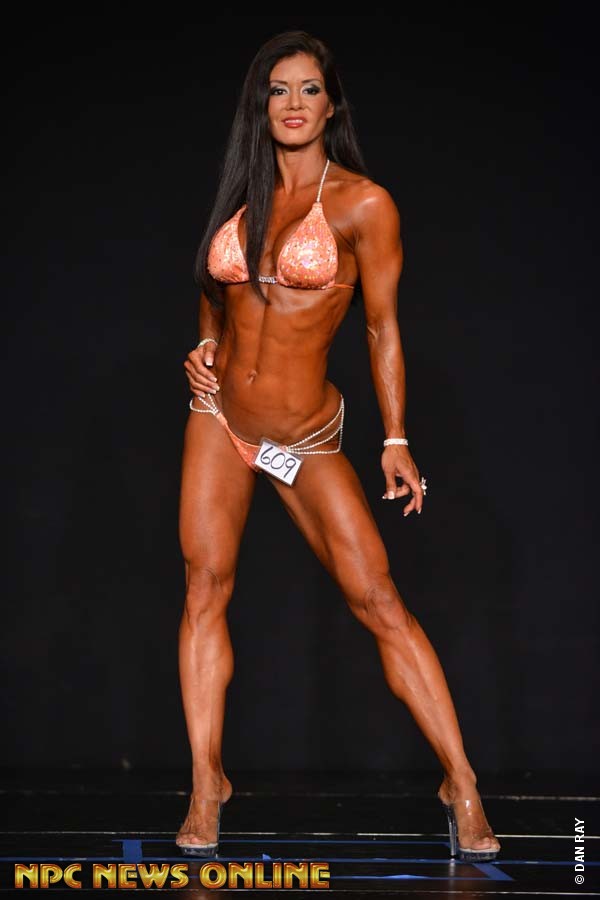
July 6th, 2013…the day I earned my IFBB Pro Card in Paramus, New Jersey

For years, bodybuilding was a huge part of my life. I trained hard, dieted harder, competed, and eventually accomplished something I was incredibly proud of: earning my IFBB Pro status.

So when people ask me why bodybuilding contests don’t excite me the way they once did, the answer isn’t that I regret competing. Quite the opposite. I am genuinely grateful for every year I spent in the sport, every contest I entered, every sacrifice I made, and every lesson I learned. If I could go back and do it all over again, I wouldn’t change that part of my life.

But I’ve also reached a point where I look at the competitive bodybuilding lifestyle differently.

When you’re competing at a high level, “being in shape” isn’t really the goal. Everything revolves around getting to that last fraction of a percent of body fat, squeezing every ounce of muscle out of your physique, and showing up on one particular day looking as close to perfect as humanly possible. On top of that, you repeatedly put yourself in front of a panel of judges who won’t hesitate to tell you if you’re even a tad below what they consider to be perfect.

That requires a regimen that most people would consider extreme—and, honestly, they should.

The training becomes a job. The food becomes a schedule. Your life gets organized around meals, cardio, workouts, recovery, posing, supplements and preparation. As a contest gets closer, the diet can become incredibly restrictive, the training becomes exhausting, and your entire world starts shrinking around the competition.

And it doesn’t stop with your body.

There is the financial side. Food, supplements, gym expenses, coaching, posing, tanning, travel, entry fees, competition suits and all the other costs can add up quickly. There is also the emotional cost. When your entire life is structured around preparation, it can put tremendous strain on relationships. Your spouse, family and friends may understand what you’re doing, but that doesn’t mean the lifestyle is easy for them to live alongside.

I’ve experienced enough of that world to understand exactly what it takes.

That’s probably why, today, I find myself appreciating something that I never appreciated quite as much when I was competing: being a normal person.

There is something incredibly freeing about being able to eat dinner without calculating every calorie. To go out with friends without wondering whether the meal fits perfectly into your diet. To miss a workout occasionally without feeling like you’ve committed some kind of crime. To have your day revolve around your life instead of having your life revolve around your physique.

And maybe most importantly, there’s something to be said for having the freedom to enjoy the people around you.

I still love training. I still appreciate muscular physiques and the incredible discipline required to build one. I still have tremendous respect for anyone who steps onstage and puts themselves through that process. I know firsthand how difficult it is.

But when I watch competitors today going through the brutal dieting, the endless cardio, the obsessive training, the mounting expenses and the stress that can spill over into their personal lives, I sometimes have to shake my head.

I understand why they’re doing it, because I was that person.

And I’m not judging them. I’m simply looking at it from the other side now.

There was a time when I needed that challenge. I needed to know how far I could push myself. Competing taught me discipline, persistence, sacrifice and what it means to commit completely to a goal. Earning my IFBB Pro status will always be one of the accomplishments I’m proudest of.

But life changes.

Eventually, you realize that there is more to being healthy than being stage-ready. There is more to strength than how much you can lift. And there is more to life than seeing how conditioned you can become for one day under bright lights.

Today, I’d rather have balance. I’d rather enjoy a meal with people I care about than worry about whether it fits into a contest diet. I’d rather have the freedom to live spontaneously than have every hour dictated by a bodybuilding schedule.

I don’t regret the years I spent chasing the stage.

I’m actually thankful I did it.

But I’m also thankful that I don’t have to do it anymore.

For me, being a “normal” person has become its own kind of victory. And after spending years learning how to push my body to its absolute limits, there is something pretty satisfying about finally learning how to simply enjoy living in it.

There is one thing I want to make clear, though: I will never be a “regular person” when it comes to fitness. That part of me isn’t going anywhere.

I still weight train an average of six days a week. I still eat clean the majority of the time. In fact, I have always genuinely craved clean food. It’s not something I force myself to do anymore; it’s simply how I prefer to eat. Training is still a major part of my life, and I don’t see that changing.

What’s changed is the reason behind it.

I’m no longer training because I have to look a certain way on a certain day. I’m not counting down to a contest, trying to squeeze out another pound of body fat, or structuring my entire existence around stepping onstage. I train for life.

And here’s the funny part: I’m actually several pounds lighter today than I was when I won my IFBB Pro Card, and just as lean.

So I haven’t become some sedentary person who abandoned bodybuilding and started eating whatever I wanted. Far from it. The discipline is still there. The work ethic is still there. The love of training is still there.

What I’ve gained is perspective.

I can train hard without destroying myself. I can eat clean without being consumed by dieting. I can stay muscular and lean without needing to reach an extreme condition for a competition. And I can take a day off, enjoy a meal, spend time with people I care about, or simply live my life without feeling guilty about it.

Maybe that’s the biggest difference between then and now. I still have the discipline of a bodybuilder. I just don’t live like a competitive bodybuilder anymore.

And honestly, I think that’s a pretty good place to be.
One Pro Card Is Enough: It’s Time for the NPC to Stop Wasting Opportunities

There was a time when the NPC understood a simple concept: a competitor only needs one IFBB Pro Card to become a professional.

Today, that common sense seems to have disappeared.

We’re now watching competitors collect multiple Pro Cards as if they’re trophies to stack on a shelf. While it’s undeniably impressive to dominate multiple national shows or divisions, the reality is this: once you’ve earned your IFBB Pro status, every additional Pro Card is redundant. You’re already a pro. There is no such thing as being “twice as professional.”

The real question is why the system continues to reward the same athlete over and over while denying another deserving competitor the opportunity to advance.

Years ago, the NPC had a better solution.

My 1st place finish in Bikini 40+. I also ended up winning the Overall title in Bikini 40+.

If a competitor who had already secured professional status won another Pro Card-qualifying class, that Pro Card didn’t simply stay with them. It rolled down to the second-place finisher. The winner still received the title, the recognition, and the prestige of winning the class—but another athlete earned the chance to become an IFBB Professional.

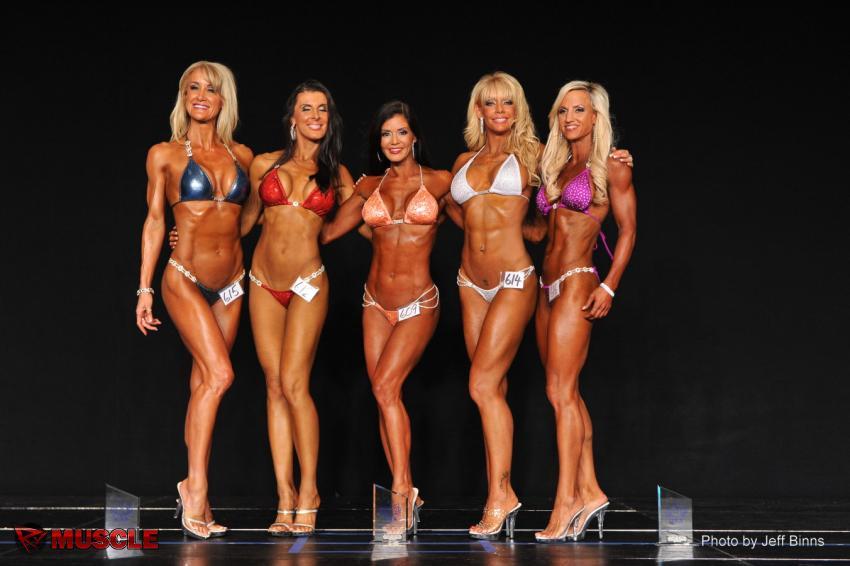
This actually happened on the day when I won IFBB Pro Status. I had taken the 1st place spot in my height class in Bikini 40+, securing my spot in the IFBB league. Then about 30 minutes later, I also won 1st place in Bikini 35+. The second-place finisher ended up getting the Pro card spot since I had already won a spot in 40+.

My 1st place finish in Bikini 35+. Competitor 636 placed 2nd and ended up being awarded a spot in the IFBB as well.

It was a system that rewarded excellence without wasting opportunity.

Somewhere along the way, that philosophy disappeared.

Now we’re celebrating athletes earning their second, third, and sometimes even fourth Pro Card, while competitors standing right beside them—who may have delivered the performance of a lifetime—leave empty-handed. That doesn’t strengthen bodybuilding. It bottlenecks it.

Let’s be clear: this isn’t criticism of the athletes. If the rules allow someone to compete for multiple Pro Cards, they’re simply playing by those rules. Most competitors would do exactly the same thing.

The issue is the rule itself.

Bodybuilding is already one of the most demanding and expensive sports in the world. Athletes spend years chasing this dream, investing thousands of dollars in coaching, food, supplements, travel, entry fees, posing instruction, and countless hours of sacrifice. For many, earning an IFBB Pro Card is the culmination of a decade of relentless work.

Why should that opportunity effectively disappear because someone who is already qualified wins again?

The old roll-down system recognized that bodybuilding isn’t just about identifying the best athlete in the room—it’s also about building the future of the professional ranks. Every available Pro Card represented a chance to introduce a new professional into the sport.

Today, too many of those opportunities are simply being absorbed by athletes who have already crossed the finish line.

Supporters of the current system argue that competitors should simply beat whoever shows up. Fair enough. But that misses the point entirely. The winner still wins. Nobody is taking away the class title, the overall title, or the accomplishment. The question is whether a second or third Pro Card has any meaningful value.

It doesn’t.

A Pro Card isn’t like winning another national championship. It’s a qualification. Once you’ve qualified, you’ve qualified.

Imagine if an Olympic Trials winner could keep claiming multiple spots on the Olympic team while everyone else stayed home. Or if a driver who had already qualified for the Daytona 500 continued occupying additional qualifying positions that could have gone to someone else. Every other major sport understands that once an athlete has secured qualification, additional qualifying positions move down the field.

Bodybuilding used to understand that too.

If the NPC wants to grow the IFBB Pro League and reward the athletes who dedicate their lives to this sport, it should revisit the system that worked for years. Keep recognizing dominant winners—but let duplicate Pro Card qualifications roll down to the next eligible competitor.

One competitor. One Pro Card.

That isn’t lowering the standard.

It’s making sure every Pro Card actually serves its purpose.

Vibration Plate Health Benefits

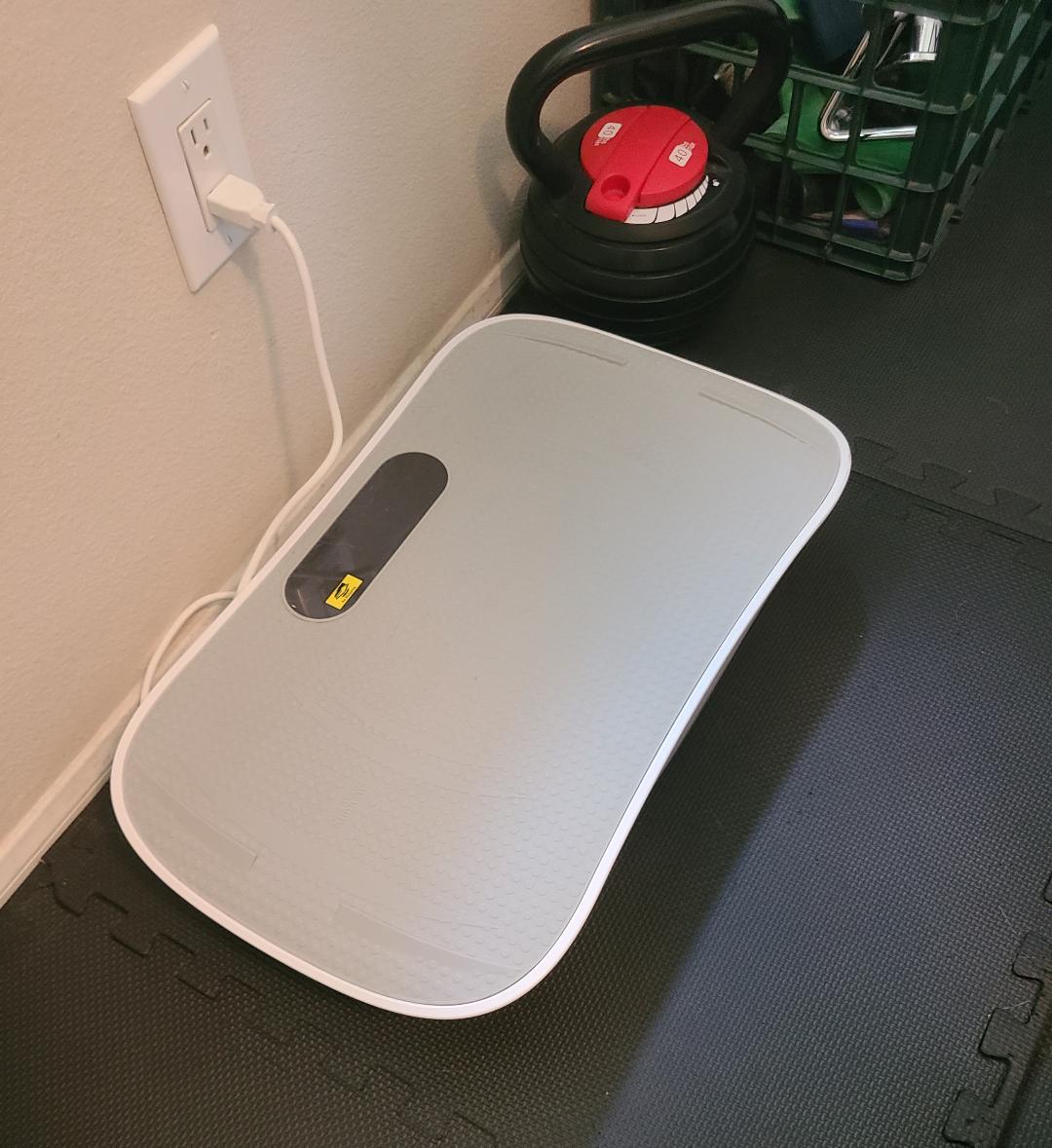
This is the vibration plate I use. There is a link in this article, but I am not being compensated for sharing the link. I truly like it!

Vibration plate therapy, also known as whole-body vibration (WBV), is a fitness and rehabilitation method that involves standing, sitting, or exercising on a machine with a vibrating platform. These vibrations transmit energy to the body, causing muscles to contract and relax dozens of times per second. One of the most appealing aspects of vibration therapy is that it doesn’t require a huge time commitment—even just 10 to 15 minutes a few times a week can offer substantial benefits. I make sure to use my vibration plate for 10 minutes daily, and once a week, I will double my time on the plate.

Key Health Benefits:

1. Improves Muscle Strength and Tone

The rapid muscle contractions stimulated by the vibration plate help build strength and tone. This can be especially helpful for people who find traditional strength training challenging due to joint pain or mobility issues.

2. Boosts Circulation

The vibrations encourage better blood flow, which can enhance oxygen and nutrient delivery throughout the body. This improved circulation supports cardiovascular health and may help reduce swelling in the extremities.

3. Enhances Lymphatic Drainage

The stimulation helps activate the lymphatic system, aiding in the removal of toxins and waste from the body. This can reduce puffiness and support immune function.

4. Increases Bone Density

Regular use has been shown to help maintain or improve bone density, making it a valuable therapy for those at risk of osteoporosis or bone loss—particularly postmenopausal women.

5. Supports Balance and Coordination

By challenging your stability, vibration therapy activates deep core muscles and can enhance proprioception (your sense of body position), which is beneficial for fall prevention and general agility.

6. Aids in Weight Management

While it’s not a calorie-torching workout, WBV can slightly boost metabolism and support fat loss when combined with a healthy lifestyle. It’s often used as a supplement to other forms of exercise.

7. Reduces Muscle Soreness and Aids Recovery

Athletes and physical therapy patients often use vibration plates to reduce delayed-onset muscle soreness (DOMS) and promote faster recovery after strenuous activity. This is the main reason why I bought a vibration plate for my home, and I swear it makes a huge difference in recovery from my workouts.

8. Helps with Joint Pain and Flexibility

The gentle stimulation can increase joint mobility and reduce stiffness, making it an appealing option for people with arthritis or chronic pain.


Minimal Time Commitment, Maximum Results

One of the greatest advantages of vibration plate therapy is how time-efficient it is. Sessions are short—typically 10 to 15 minutes—yet they activate multiple muscle groups simultaneously. This makes it an ideal option for busy individuals, older adults, or those recovering from injury who want a low-impact but effective form of exercise.

Whether you use it as a stand-alone therapy or a complement to a broader fitness routine, vibration plate therapy offers a wide range of benefits in very little time.

Resistance Training: The Ultimate Anti-Aging Tool

Regular resistance training is one of the most powerful tools for maintaining youthfulness and slowing down the aging process. It benefits the body and mind in multiple ways, including preserving muscle mass and bone density, improving digestion, boosting cardiovascular fitness, and benefitting cognition and mental attitude. Let’s explore these in detail:

1. Muscle Mass Preservation and Growth

As we age, we naturally lose muscle mass—a process called sarcopenia—which can lead to frailty, loss of mobility, and metabolic decline. Resistance training:

  • Stimulates muscle protein synthesis, helping to maintain and build lean muscle.
  • Increases metabolic rate, making it easier to maintain a healthy weight.
  • Enhances insulin sensitivity, reducing the risk of type 2 diabetes.
  • Supports functional strength, improving balance and reducing the risk of falls and injuries.

2. Skin Integrity and Anti-Aging Effects

The skin’s health and appearance are directly affected by lifestyle choices, including exercise. Resistance training:

  • Improves circulation, ensuring better oxygen and nutrient delivery to skin cells.
  • Stimulates collagen production, which helps maintain skin elasticity and reduces wrinkles.
  • Reduces cortisol levels, lowering inflammation and minimizing stress-induced skin aging.
  • Increases human growth hormone (HGH) levels, which contributes to cell regeneration and youthful skin.

3. Digestive Health and Metabolism

Aging often slows digestion and can lead to issues like bloating, constipation, and poor nutrient absorption. Resistance training:

  • Speeds up metabolism, ensuring efficient digestion and energy utilization.
  • Stimulates gut motility, reducing the risk of constipation.
  • Helps regulate hormones like insulin and cortisol, which affect digestion and appetite control.

4. Cardiovascular Fitness and Longevity

While resistance training is not traditionally associated with cardio health, it plays a crucial role in keeping the heart young. It:

  • Lowers blood pressure and improves vascular flexibility, reducing strain on the heart.
  • Enhances circulatory function, improving blood flow and oxygen delivery to tissues.
  • Reduces inflammation, lowering the risk of heart disease.
  • Helps control cholesterol levels by reducing LDL (bad cholesterol) and increasing HDL (good cholesterol).

5. Joint Health and Mobility

Contrary to the myth that weightlifting damages joints, resistance training actually protects and strengthens them. It:

  • Increases the production of synovial fluid, which lubricates the joints.
  • Strengthens the muscles around joints, providing better support and stability.
  • Reduces inflammation associated with conditions like arthritis.
  • Improves flexibility and mobility, reducing stiffness and pain.

6. Bone Density and Strength

Osteoporosis and bone fractures become major concerns with aging. Resistance training combats this by:

  • Stimulating osteoblast activity, which helps build stronger bones.
  • Increasing bone mineral density, reducing the risk of fractures.
  • Enhancing posture and balance, minimizing fall-related injuries.
  • Supporting calcium and vitamin D absorption through hormonal regulation.

7. Hormone Regulation: Testosterone, HGH, and More

One of the most underrated benefits of resistance training is its ability to optimize hormone levels, which naturally decline with age. Strength training has been shown to:

  • Boost testosterone production, which is essential for muscle maintenance, fat metabolism, energy levels, and libido in both men and women.
  • Increase human growth hormone (HGH), which supports tissue repair, fat loss, and skin regeneration.
  • Improve estrogen balance in women, reducing the risk of osteoporosis and metabolic disorders.
  • Lower cortisol levels, reducing stress, inflammation, and belly fat accumulation.
  • Improve thyroid function, enhancing metabolism and energy levels.

8. Mental Attitude and Cognitive Health

Aging isn’t just physical—it’s mental. Resistance training improves cognitive function and emotional well-being by:

  • Releasing endorphins, reducing anxiety and depression.
  • Boosting dopamine and serotonin, improving focus, clarity, and happiness.
  • Enhancing memory and brain function, reducing the risk of dementia.
  • Increasing self-confidence, making you feel strong and capable at any age.

9. Resistance Training and Insomnia

Struggling with sleep? Resistance training can help improve sleep quality and reduce insomnia by:

  • Reducing cortisol levels, helping the body wind down for sleep.
  • Boosting deep sleep cycles (slow-wave sleep), which is crucial for recovery and memory consolidation.
  • Regulating circadian rhythms, ensuring better sleep-wake cycles.
  • Reducing stress and anxiety, making it easier to relax at bedtime.
  • Increasing energy during the day, leading to natural tiredness at night.

Conclusion

Regular resistance training is one of the most powerful ways to stay young, both physically and mentally. It preserves muscle, strengthens bones, supports joints, enhances skin health, regulates digestion, protects the heart, optimizes hormone levels, improves sleep, and boosts mental well-being. If you want to age with strength, vitality, and confidence, lifting weights should be a non-negotiable part of your lifestyle! 💪

Eros Pro Massage Gun Review

The wonderful folks at INEVIFIT sent me this Eros Pro Massage Gun to review, and I have to say, it’s a very high quality piece of equipment! Please check out my video review for more information, as well as the limited time promo code which you can use for $35 off and free shipping.

Order one at https://inevifit.com/products/inevifit-eros-pro-massage-gun

The Evolution of IFBB Bikini Pros Since 2009

Sonya Gonzalez 2012, shot by Bill Comstock, Muscle and Fitness

Isa Pecini 2022, image from Fitness Volt

Introduction

Since its inception in 2009, the International Federation of Bodybuilding & Fitness (IFBB) Bikini division has undergone remarkable transformation. What was once a relatively new category has now become one of the most popular and competitive segments in the world of bodybuilding. Over the years, the athletes competing in the IFBB Bikini Pro division have displayed an impressive evolution in terms of physique, presentation, overall aesthetic, and even competition attire. In this article, I will discuss the changes that have defined IFBB Bikini Pros from 2009 to 2023.

Physique Transformation

In the early days of the IFBB Bikini division, the emphasis was on a balanced, lean, and toned physique. As a bikini athlete who jumped onboard the competition circuit in 2009 (the inception year for the bikini division), I noticed that competitors who were too muscular or conditioned were urged to switch to the figure division. This was because bikini athletes were expected to have well-defined but not overly muscular physiques, maintaining a feminine appearance. Since then, there has been a noticeable shift towards a more sculpted and athletic look which is more muscular than ever, and rivals the look of figure competitors from earlier years. Today’s IFBB Bikini Pros display a much higher level of muscle development compared to those from my era (2009-2014), particularly in the shoulders, glutes, and legs, while still maintaining an overall feminine silhouette.

Training and Nutrition Advances

With the progression of sports science and nutritional knowledge, athletes have access to more effective training methods and specialized dietary plans. This has allowed IFBB Bikini Pros to achieve levels of conditioning and muscle development that were not as attainable in the early years of the division. Training techniques have become more sophisticated, with a greater focus on targeted muscle groups and tailored workout routines. In addition, judges have pushed for more muscularity as the division has evolved, placing greater pressure on bikini athletes to pack on muscle.

Posing and Presentation

Another notable evolution has been in the area of posing and stage presentation. In 2009, poses were simpler, with an emphasis on showcasing overall physique balance and grace. Today, IFBB Bikini Pros have refined their posing techniques to highlight full glutes, a well-shaped V-taper, well developed quads and hamstrings, and shapely delts. Although the art of stage presentation was always a crucial aspect of competition, posing is now much more polished, and it is even more imperative for athletes to exude confidence and charisma on stage while also presenting the most desirable physical characteristics of the division.

I remember how we used to pose onstage, with the front pose characterized by both legs straight, with one leg out to the side and slightly forward, with the opposite hip pushed towards the back of the stage. In stark contrast, the current front pose standard features feet and legs pointed towards one side, with the upper torso twisted at the waist so that the shoulders are squared towards the judges. You can see both types of poses in the images which are featured at the top of this blog post. The back pose has remained relatively unchanged, with the booty hiked up and the lower back arched. One posing feature which has been consistent throughout the years is the rear end pitched up and back, like a cat in heat. I will never forget how much my lower back would hurt after practicing posing or after a contest!

Suits and Competition Attire

The evolution of competition suits is another noteworthy aspect of the IFBB Bikini Pros’ journey. As the division gained popularity, athletes and designers began to experiment with different fabrics, cuts, and styles. Today, competition suits are more intricate and tailored to each athlete’s unique physique, often featuring embellishments, crystals, and personalized touches that enhance the overall presentation on stage. In 2009, suits tended to be simpler, with standard designs and limited embellishments. Each year, suit cuts evolved, with the bottoms getting skimpier and skimpier, resulting in the current suit bottom design, which is a daring V-shape, but not a thong.

Conclusion

The evolution of IFBB Bikini Pros from 2009 to 2023 reflects the dynamic nature of the sport and the dedication of the athletes involved. With advancements in training, nutrition, posing, and competition attire, the IFBB Bikini division has become a diverse and thriving segment of the bodybuilding world. As we move forward, it will be fascinating to see how the division continues to evolve, setting new standards of excellence in physique, presentation, and athleticism, while pushing the boundaries of competition attire.

Strength Training For The Blood Pressure Win

Copyright: nomadsoul1

A recent study involving close to 16,000 subjects which was published in the British Journal of Sports Medicine determined that strength training exercises like planks and squats were more effective than other forms of exercise in reducing blood pressure. This flies in the face of previous recommendations by cardiologists, which focused on cardiovascular aerobic exercise. To be fair to the study, the reductions in blood pressure from strength training exercises, were minor, averaging 8.24 mm Hg for systolic blood pressure readings, and 4 mm Hg for diastolic readings, but the reductions were indeed greater than aerobic exercise such as running, which reduced pressures by 4.49 mm Hg and 2.53 mm Hg on average. However, the study did point out that various forms of exercise were proven to be beneficial with respect to lowing blood pressure.

Hot Logic Mini XP Video Review on YouTube

Check out the Hot Logic Mini XP, which has a built-in food storage compartment in addition to the fantastic food heating technology of the original Hot Logic Mini!

All you need is an electrical outlet (you can even use a car inverter and heat up meals while you drive). This is FANTASTIC for work, travel, trade shows, photo shoots, etc.

To order a Hot Logic Mini or Hot Logic Mini XP, go to the following link:

https://bit.ly/31aiDb2

Be sure to enter my code STACEYNAITO for 20% off your order!

Update On My Workout Regimen

I figured it was time for me to provide an update on my current workout regimen, especially since people who don’t know me personally might assume that I have abandoned my regular exercise habits since retiring from competing in the bodybuilding world. While I don’t train for 4 to 5 hours a day like I used to when ramping up for a contest, I still consistently weight train 5 to 6 days per week, every week. There are some weeks in which I cannot resist adding a seventh day, which is usually a day in which I exclusively train abs.

I typically train legs 2 to 3 days a week, and I split my upper body workouts into three separate routines: back and chest, arms (and I will often throw abdominal training in on arm days), and shoulders. My workouts range from 45 minutes to an hour and 15 minutes, and are almost exclusively performed in my home gym, which is equipped with the following (a partial list):

Marcy Smith Machine Multi Gym

Tower 200 Body Full Gym Fitness

Foldable Decline Sit up Bench

Bowflex SelectTech 552 Adjustable Dumbbell Set with Rack

285 pounds of weight plates for the Multi Gym and numerous barbells

In the three years since I have had a full home gym, I haven’t missed the commercial gym setting at all, and I love the fact that I can just head downstairs and get a workout in without fighting for equipment. I always say that consistency is key, and I have never slacked off on regular weight training. Whenever I hear people talk about abandoning weight training for months or years, it just blows my mind. The best road to success is to stay the course, and I have certainly done that since 1989.