Category Beauty
Stage Makeup with Dr. Stacey Naito Step 1: Applying Eye Shadow
Stage Makeup With Dr. Stacey Naito Introduction
I am reposting this entire series in consecutive posts for those of you who were interested in following the entire tutorial. There are nine total videos in this series. Enjoy!
Tips For Glowing Summer Skin
 The weather in the United States is starting to warm up, and people will flock to the beaches and lakes for sun and water activities. Since such activities call for bikinis and trunks, a good portion of skin that was previously hidden under layers of clothing will be revealed. Here are some tips to get your skin looking its best.
1. USE A LOOFAH: Loofahs are great for gently exfoliating dull, dead skin and revealing healthy, smooth skin. I recommend using a loofah at least every other day to prime your skin for oil and lotion.
2. USE A SCRUB: I love sugar scrubs and make sure to use them once a week or the day before a photo shoot. Salf scrubs are usually too abrasive for most people and will STING like crazy if you have any nicks or cuts, so I generally avoid them. Sugar scrubs come in so many delectable fragrances now (a favorite is Tree Hut Body Scrub) that you will be tempted to eat them when you are in the shower!
3. PAT SKIN UNTIL DAMP: When you exit the shower, you should use the towel to gently pat yourself so that your skin is a bit damp. A bit of moisture left on the skin is actually good since the next steps will lock in that moisture nicely.
4. APPLY BODY OIL TO DAMP SKIN: A bit of body oil gently applied to the skin does an excellent job of imparting a glow to your skin which is also very sexy. I love Neutrogena Body Oil, but you can use grapeseed oil or any other light oil. Another nice trick is to do this before you step out of the shower. My ritual consists of patting my skin with the towel while I am in the shower, then applying the oil.
5. APPLY LOTION: Apply a healthy dollop of lotion to your skin after the oil has set in for a minute. Brands I turn to are Gold Bond Ultimate, Liquid Saun Rayz, and Lubriderm.
If you plan on being outdoors, make sure to apply sumblock and apply it frequently.
Looking Over My Shoulder At Sunset – B-House Image

December 2012 image. All rights reserved.
Are You A Skin Picker?
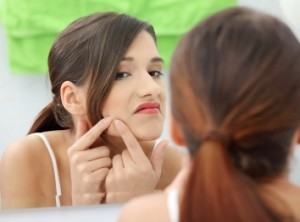 I know that many of you may find it irresistible to pick and squeeze acne blemishes and scabs which pop up on your skin. However, there are individuals who take this compulsion to an extreme and create abrasions and divots in their skin even when there is no blemish in sight. These people suffer from a form of obsessive-compulsive disorder known as dermatillomania or skin picking disorder.
The characteristics which separate a dermatillomania sufferer from a relatively “normal” tendency to pick are:
• Repetitive picking at the skin
• Picking which is severe enough to cause tissue damage
• Social distress
People who suffer from skin picking disorder also commonly have depression and/or anxiety and low self-esteem. Common areas which sufferers tend to pick at are the face, scalp, cuticules, arms, forearms, back, hands and feet. Most of the time people will pick with their fingernails, but may also use their teeth, tweezers or scissors. This tendency may be triggered by boredom, stress, or anger, and is often such an absent-minded activity that people may not even be aware that they are picking. The picking behavior often provides relief from tension, but what frequently follows is guilt and feelings of shame. The most extreme cases are best treated with psychotherapy and medication, while milder cases can often be successfully treated with behavior modification.
I frequently see patients who have neurotic excoriations (areas of irritated, abraded skin) and areas of brown hyperpigmentation (from older spots which have been picked) which are dead giveaways to skin picking disorder. The typical patient I see is anxious and perceives any real or fabricated skin imperfection is distorted in significance. The sufferer may experience satisfaction after picking at the skin, but a vicious cycle sets in by which the open sores are constantly picked at, making them far worse and decreasing the likelihood that they will heal without some permanent scarring.
Here are a few suggestions for mild skin pickers to practice in order to break the cycle of picking.
1. Avoid spending excessive amounts of time looking in the mirror for areas to pick.
2. Remember that the zone of infection is an inverted triangle spanning across the eyes and down to the area below the mouth.
3. ANY area of the skin that is picked at can develop infection.
4. Keep fingernails short to make it more difficult to use your nails as a picking tool.
5. Avoid using tweezers to pick at skin.
6. When you get an acne blemish, DO NOT pick at it or attempt to extract it. Instead, apply ice to the blemish, use hydrocortisone cream, or apply old fashioned toothpaste (Crest original formula is perfect) to the blemish.
7. Remember that an acne blemish is far better than an abrasion, scab that doesn’t heal from constant picking, brown hyperpigmentation, or a permanent sunken scar.
I am saddened by the people who come in for cosmetic dermatology treatments who exhibit the signs of skin picking disorder. The most common patient is female, between late teens to early 40’s, and has a palpable anxious energy. Though I can always spot a patient with the disorder by the telltale excoriations, the patient’s embarrassment is heightened when the cover-up makeup comes off and I can see hyperpigmentation from areas that were picked at previously. I cannot tell you how many attractive women have come into my office who have essentially ruined their skin by picking at it. No blemish is worth picking at, especially when permanent scarring can result.

Behind The Scenes Image From Shoot With Noel Daganta April 25th 2013
Alpha Lipoic Acid
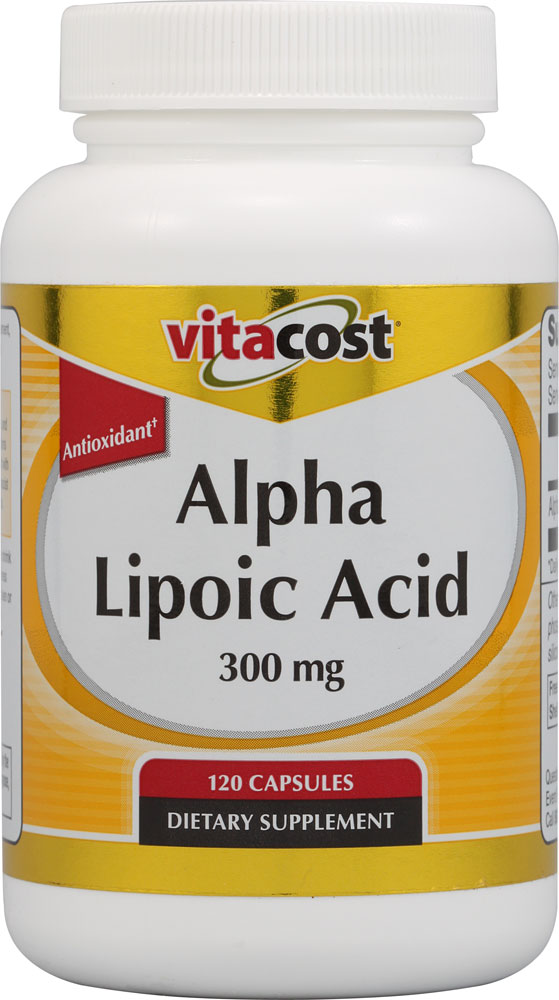 Alpha lipoic acid (ALA) is a cofactor which is found in high concentrations in animal tissues with high metabolic activity such as the kidney, heart and liver. It is also found in broccoli, tomatoes, Brussels sprouts, peas and spinach. When ALA is ingested, it is transported via the bloodstream into tissues and cells, then into the mitochondria for energy production. Studies have concluded that dietary ALA is insufficient for sufficient free levels in the circulation, so it makes sense to take ALA supplements to reach therapeutic levels.
The human body is subjected to oxidative stress and produces free radicals in response which circulate in the body and damage tissues. ALA is easily absorbed and transported into organs such as the brain, nerves and liver, protecting against cell damage by neutralizing these free radicals. ALA also amplifies the positive effects of coenzyme Q10 and glutathione and works in conjunction with the B vitamins to convert nutrients into energy.
ALA assists the body in maintaining optimal blood sugar levels and supporting insulin sensitivity. It can improve the lipid profile in the body and reduce blood pressure. Diabetic patients who have been put on ALA supplementation have experienced some relief from diabetic neuropathy and a regulation of insulin levels in the body.
ALA has demonstrated protective effects in other age-related diseases as well. It protects against cataract formation and glaucoma and helps to prevent retinal cell death in retinitis pigmentosa, so it is vital for eye health as well. Stroke patients who were given ALA experienced reduced brain damage, and may guard against the development of Alzheimer’s disease. There is additional research to suggest that ALA supplementation reduces the inflammation associated with multiple sclerosis.ALA’s antioxidant effects may help to also preserve bone density, thus protecting the body against the bone loss that characterizes osteoporosis.
If you are interested in maintaining skin health, ALA supplementation may be something you want to consider. Topical application of creams containing ALA reduced photoaging and refined the texture of the skin.
The amount of ALA in the body diminishes over time, giving even more of a reason to take ALA oral supplements. Recommended dosage for most individuals is 300 milligrams. Side effects are minimal and include gastrointestinal upset and skin allergies. Only 30% to 40% of supplements are absorbed, so they are best taken on an empty stomach.
Japanese-European Warrior Princess Image…Incredible Shot!

PHENOMENAL image shot by Ian Sitren of Second Focus Photography on March 14th, 2013. The whole concept is a fantasy of mine, fulfilled!
For more information on Ian Sitren, please visit his site at:
http://secondfocus.photoshelter.com/
Two Ladies…Combined Age Of 97, But You’d Never Guess It!
 Here I am (age 46-1/2) at the Arnold Expo in Columbus, Ohio from last week with the beautiful Janet Lynn West IFBB Pro (age 51). I think we are proof positive that a fit lifestyle can keep you looking very young!
 dr. stacey naito's blog