Category Beautiful Skin
Stage Makeup with Dr. Stacey Naito Step 5: Contouring the Face
Stage Makeup with Dr. Stacey Naito Step 4: Applying Foundation
Stage Makeup with Dr. Stacey Naito Step 3: Applying Mascara
Stage Makeup with Dr. Stacey Naito Step 2 Applying Fake Lashes
Stage Makeup with Dr. Stacey Naito Step 1: Applying Eye Shadow
Tips For Glowing Summer Skin
 The weather in the United States is starting to warm up, and people will flock to the beaches and lakes for sun and water activities. Since such activities call for bikinis and trunks, a good portion of skin that was previously hidden under layers of clothing will be revealed. Here are some tips to get your skin looking its best.
1. USE A LOOFAH: Loofahs are great for gently exfoliating dull, dead skin and revealing healthy, smooth skin. I recommend using a loofah at least every other day to prime your skin for oil and lotion.
2. USE A SCRUB: I love sugar scrubs and make sure to use them once a week or the day before a photo shoot. Salf scrubs are usually too abrasive for most people and will STING like crazy if you have any nicks or cuts, so I generally avoid them. Sugar scrubs come in so many delectable fragrances now (a favorite is Tree Hut Body Scrub) that you will be tempted to eat them when you are in the shower!
3. PAT SKIN UNTIL DAMP: When you exit the shower, you should use the towel to gently pat yourself so that your skin is a bit damp. A bit of moisture left on the skin is actually good since the next steps will lock in that moisture nicely.
4. APPLY BODY OIL TO DAMP SKIN: A bit of body oil gently applied to the skin does an excellent job of imparting a glow to your skin which is also very sexy. I love Neutrogena Body Oil, but you can use grapeseed oil or any other light oil. Another nice trick is to do this before you step out of the shower. My ritual consists of patting my skin with the towel while I am in the shower, then applying the oil.
5. APPLY LOTION: Apply a healthy dollop of lotion to your skin after the oil has set in for a minute. Brands I turn to are Gold Bond Ultimate, Liquid Saun Rayz, and Lubriderm.
If you plan on being outdoors, make sure to apply sumblock and apply it frequently.
Looking Over My Shoulder At Sunset – B-House Image

December 2012 image. All rights reserved.
Are You A Skin Picker?
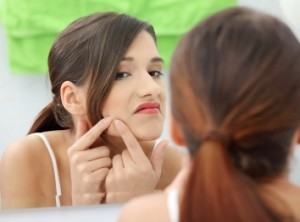 I know that many of you may find it irresistible to pick and squeeze acne blemishes and scabs which pop up on your skin. However, there are individuals who take this compulsion to an extreme and create abrasions and divots in their skin even when there is no blemish in sight. These people suffer from a form of obsessive-compulsive disorder known as dermatillomania or skin picking disorder.
The characteristics which separate a dermatillomania sufferer from a relatively “normal” tendency to pick are:
• Repetitive picking at the skin
• Picking which is severe enough to cause tissue damage
• Social distress
People who suffer from skin picking disorder also commonly have depression and/or anxiety and low self-esteem. Common areas which sufferers tend to pick at are the face, scalp, cuticules, arms, forearms, back, hands and feet. Most of the time people will pick with their fingernails, but may also use their teeth, tweezers or scissors. This tendency may be triggered by boredom, stress, or anger, and is often such an absent-minded activity that people may not even be aware that they are picking. The picking behavior often provides relief from tension, but what frequently follows is guilt and feelings of shame. The most extreme cases are best treated with psychotherapy and medication, while milder cases can often be successfully treated with behavior modification.
I frequently see patients who have neurotic excoriations (areas of irritated, abraded skin) and areas of brown hyperpigmentation (from older spots which have been picked) which are dead giveaways to skin picking disorder. The typical patient I see is anxious and perceives any real or fabricated skin imperfection is distorted in significance. The sufferer may experience satisfaction after picking at the skin, but a vicious cycle sets in by which the open sores are constantly picked at, making them far worse and decreasing the likelihood that they will heal without some permanent scarring.
Here are a few suggestions for mild skin pickers to practice in order to break the cycle of picking.
1. Avoid spending excessive amounts of time looking in the mirror for areas to pick.
2. Remember that the zone of infection is an inverted triangle spanning across the eyes and down to the area below the mouth.
3. ANY area of the skin that is picked at can develop infection.
4. Keep fingernails short to make it more difficult to use your nails as a picking tool.
5. Avoid using tweezers to pick at skin.
6. When you get an acne blemish, DO NOT pick at it or attempt to extract it. Instead, apply ice to the blemish, use hydrocortisone cream, or apply old fashioned toothpaste (Crest original formula is perfect) to the blemish.
7. Remember that an acne blemish is far better than an abrasion, scab that doesn’t heal from constant picking, brown hyperpigmentation, or a permanent sunken scar.
I am saddened by the people who come in for cosmetic dermatology treatments who exhibit the signs of skin picking disorder. The most common patient is female, between late teens to early 40’s, and has a palpable anxious energy. Though I can always spot a patient with the disorder by the telltale excoriations, the patient’s embarrassment is heightened when the cover-up makeup comes off and I can see hyperpigmentation from areas that were picked at previously. I cannot tell you how many attractive women have come into my office who have essentially ruined their skin by picking at it. No blemish is worth picking at, especially when permanent scarring can result.
DHEA To Reduce Aging and Build Muscle
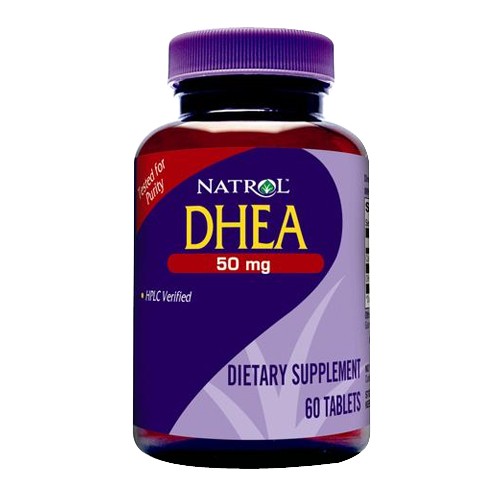 Dehydroepiandosterone (DHEA) is a weak androgen produced in the adrenal glands that is a precursor for testosterone. It is converted in the body into androstenedione, which is then converted into testosterone. DHEA levels are highest when we are in our 20’s, then decline significantly as we age.
DHEA has been used to treat depression, adrenal sufficiency, obesity, vaginal atrophy, and erectile dysfunction, but it is most commonly used to reverse the aging process and build muscle. It is especially effective in men with flagging testosterone levels who do not wish to take testosterone directly.
Men can benefit from taking 25 to 50 milligrams or more per day. If men decide to supplement with higher doses, guidance from their primary care physicians is advised beforehand. If DHEA dosing is too high, men can develop breast tissue and high blood pressure.
Women have a much trickier time with DHEA, and many can only tolerate 5 to 10 milligrams without experiencing side effects. Side effects in women include abnormal periods, oily skin, facial hair, and mood changes.
Usually side effects are mild, such as fatigue and headache. Another relatively common side effect is insomnia, so it is a good idea to take DHEA in the morning. Do not take DHEA if you have heart disease, liver disease, diabetes, high cholesterol, thyroid problems, polycystic ovary syndrome, or blood clotting disorders.
 dr. stacey naito's blog