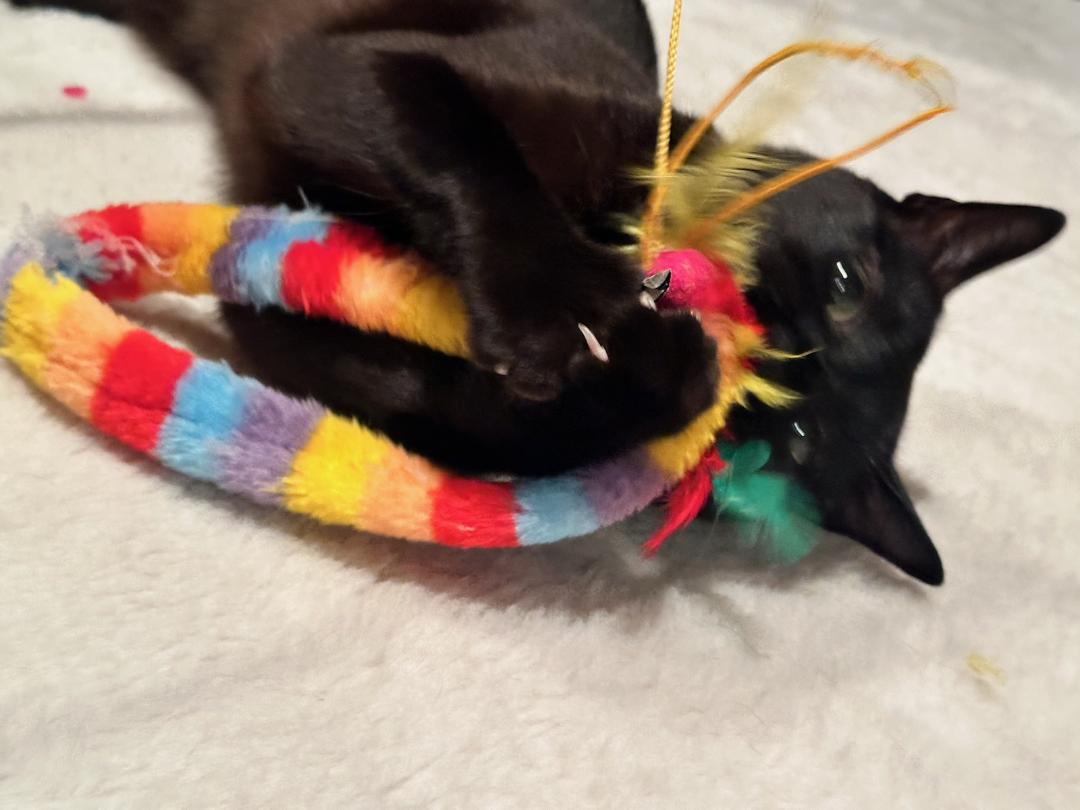
I am willing to bet that many of you who have cats in your household don’t give much thought to the idea of engaging in playtime with your feline friends. However, doing so on a regular basis strengthens the bond between you and your cats, and also benefits everyone’s physical and mental well-being. I try to engage my cats in interactive play by using toys which are attached to poles, enabling me to direct and monitor interaction. My cats absolutely love playtime, so much so that my 3-year old, Koji, will yell at me whenever I pass by the closet in which I keep the interactive toys.
Here is a breakdown of the numerous benefits which both you and your cats will enjoy when participating in interactive play:
Benefits for Cats and Kittens
Physical Exercise: Cats, especially indoor ones, need regular activity to maintain a healthy weight and prevent obesity-related issues. Play mimics natural hunting behaviors, helping them stay fit and agile.
Mental Stimulation: Engaging in interactive play keeps a cat’s mind sharp, preventing boredom and destructive behaviors like scratching furniture or excessive meowing.
Instinct Satisfaction: Cats are natural hunters. Toys that mimic prey—like feather wands or laser pointers—allow them to practice stalking, pouncing, and chasing in a safe environment.
Stress Reduction: Play provides an outlet for pent-up energy and can reduce stress and anxiety, making cats more relaxed and well-adjusted.
Socialization for Kittens: Kittens learn important skills through play, including coordination, bite inhibition, and appropriate interaction with humans and other animals.
Benefits for Cat Owners
Stronger Bond: Playing with your cat helps build trust and deepen your relationship, especially with shy or newly adopted cats.
Entertainment and Joy: Watching a cat chase a toy or do a playful leap can be highly entertaining and bring joy to owners.
Encourages Routine and Responsibility: Regular playtime helps owners establish a routine, making it easier to provide structure and care for their pet.
Stress Relief: Interacting with cats has been shown to reduce stress and anxiety in humans, providing emotional benefits similar to meditation or relaxation exercises.
Better Behavior: A well-exercised cat is less likely to engage in unwanted behaviors like nighttime zoomies, furniture scratching, or aggression due to boredom.
Making Playtime Effective
To get the most out of interactive play, use a variety of toys like wand teasers, balls, and puzzle feeders. Rotate toys frequently to keep things interesting. Aim for at least two short play sessions a day, adjusting based on your cat’s energy level and age.
Incorporating interactive play into your daily routine creates a happier, healthier life for both you and your cat, ensuring a strong and loving companionship.
Cat litter comes in a variety of types, each with its own advantages and disadvantages. Below is a discussion of the main types of cat litter and an exploration of why some may be better than others for both your cat’s health and your own. I have a strong opinion regarding litter types which I will share at the end of this article.
Types of Cat Litter:
Clumping Clay Litter:
Made from sodium bentonite, a type of clay that absorbs moisture and forms solid clumps when it comes into contact with urine.
Pros: Easy to scoop and clean because of the clumping action, effective at controlling odor.
Cons: Dust can be an issue, and it’s typically not environmentally friendly. The production of clay-based litter can be environmentally harmful, and the clay is often mined from areas that cause significant ecological damage.
Non-Clumping Clay Litter:
Made from clay, but instead of forming clumps, it simply absorbs moisture and the liquid spreads throughout the litter.
Pros: Often cheaper than clumping litter, and less dust may be produced. Easier to replace the entire litter box because you don’t have to worry about clumping.
Cons: May not control odors as well, and can require more frequent changes. Less convenient since you can’t just scoop out urine clumps.
Silica Gel Crystals:
Made from silica dioxide, these litter granules absorb moisture and odor.
Pros: Good at controlling odor and moisture; often lasts longer than clay-based litters before needing a full replacement. It is low-dust and non-tracking.
Cons: More expensive, and not biodegradable.
Natural/Plant-Based Litters:
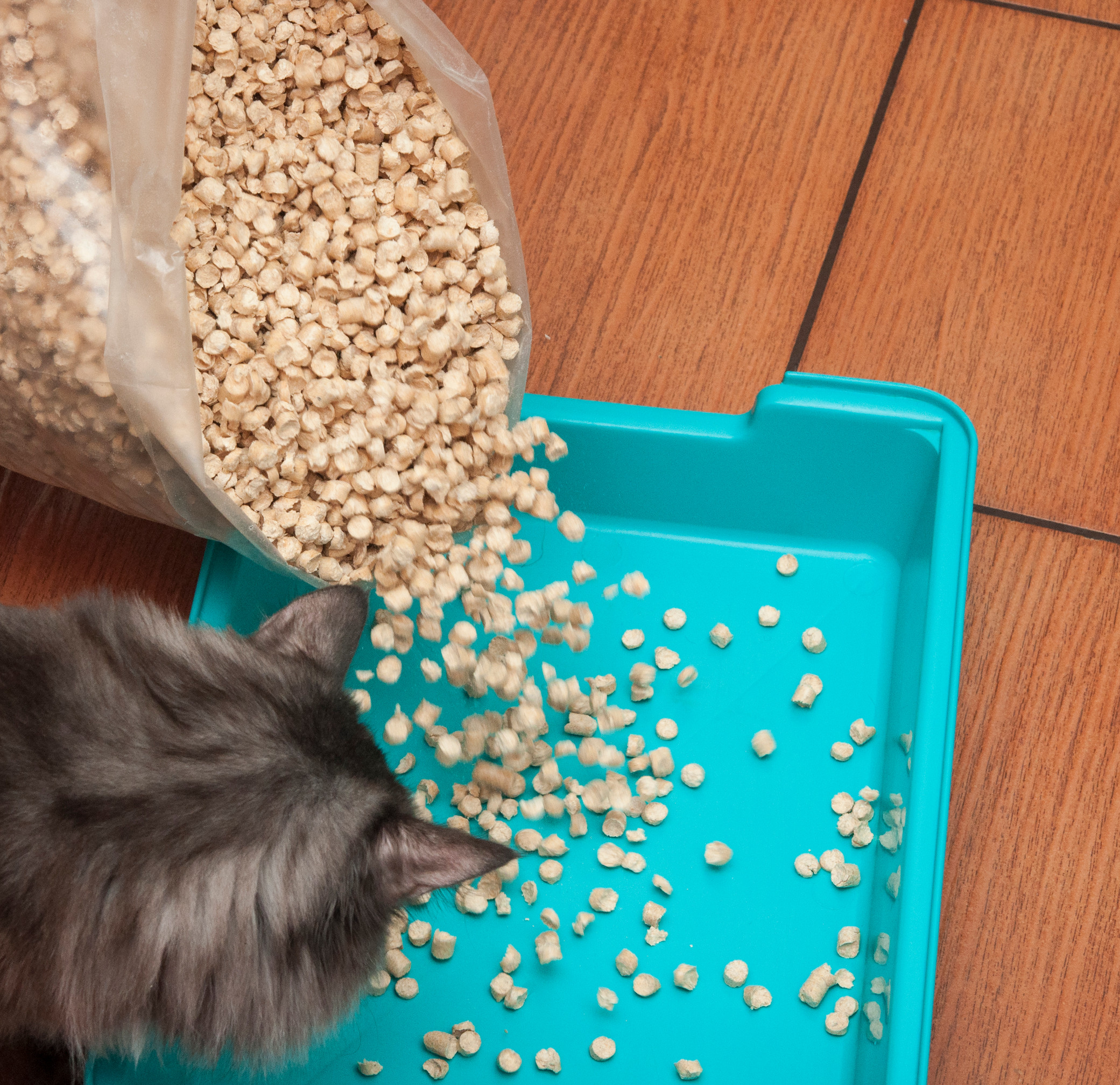
Includes options made from corn, wheat, pine, or coconut shells. These litters are often marketed as more eco-friendly. Wood pellets are low dust and thus are great for cats and humans who have respiratory issues.
Pros: Typically biodegradable and made from renewable resources. More economical than clumping clay litters and silica crystals.
Cons: Some natural litters may not control odor as well as other litter types.
Recycled Paper Litter:
Made from recycled paper, this litter is soft and lightweight.
Pros: Environmentally friendly, low dust, gentle on a cat’s paws, and good for cats with respiratory issues.
Cons: Can be less effective at controlling odors and may not clump as well.
Why Non-Clumping Litter Can Be Better:
Non-clumping litter has several advantages over clumping litter, though these benefits depend on the context and the specific needs of your cat. Here’s why some people prefer non-clumping litter:
Less Dust: Non-clumping litters often produce less dust, which is better for both cats and humans with respiratory issues.
Easier to Dispose Of: Because non-clumping litters don’t form solid clumps, you need to replace the entire litter more frequently. While this may sound like a disadvantage, it can be seen as an advantage because you’re ensuring that your cat’s environment is more hygienic with fresh litter each time you change it.
No Chemicals or Additives: Some non-clumping litters (especially natural varieties) do not contain the chemicals or fragrances that can sometimes be added to clumping varieties for odor control.
Less Waste: Some non-clumping litters are biodegradable or made from renewable resources, making them a better environmental choice in some cases.
However, non-clumping litter does come with its drawbacks, including less effective odor control, and the need for more frequent full replacements of the litter box.
Why Clay-Based Litter Can Be Harmful:
Clay-based litter, particularly the clumping kind, has come under scrutiny for a few reasons, mainly due to the dust it produces and the environmental impact of its production:
Inhalation of Dust: When cats (or humans) inhale dust from clay-based litter, it can cause respiratory issues. The fine particles in the dust can irritate the lungs and exacerbate pre-existing conditions like asthma. This can be particularly dangerous for both cats and humans with compromised respiratory systems.
Heavy Metals: Some clay-based litters, particularly those using sodium bentonite, may contain trace amounts of heavy metals, such as silica dust, which are harmful when inhaled over long periods. Prolonged exposure to this dust can lead to respiratory disease in both humans and animals.
Environmental Harm: The extraction of clay for cat litter has a significant environmental impact. Mining processes can cause habitat destruction and contribute to soil erosion. Furthermore, the litter itself is not biodegradable, which means that it can contribute to landfill waste.
Toxicity to Cats: If a cat ingests clay litter (for example, by licking it off their paws), the minerals and chemicals in the litter can be toxic. This is particularly a concern with certain types of clumping clay litters.
Conclusion:
While clumping cat litter is often preferred by many cat owners for its convenience and superior odor control, non-clumping litter has its own advantages, particularly when it comes to reducing dust and being more eco-friendly, especially in natural or biodegradable varieties. However, when using any litter—particularly clay-based litters—it’s important to be aware of the potential risks associated with dust inhalation, the environmental impact, and the health concerns related to long-term exposure.
If you’re particularly concerned about the dust or environmental impact of clay-based litter, consider switching to a natural, plant-based option or silica gel crystals, which are often less dusty and more sustainable. I steer clear of all clumping litters, and I also do not use clay-based litters. There are two types of cat litter which I use in my home: silica gel crystals, and plant-based wood pellets. I use silica gel crystals in 2 boxes, and have found that the crystals are extremely effective in combating odor. Crystal litter also doesn’t have to be changed very often, which is especially nice since this type of litter tends to be the most expensive. I use wood pellets for the other boxes in my home, and strongly favor them for a multitude of reasons which I mentioned above, including their low cost, their eco-friendly aspect, and the fact that I don’t have to worry about my babies breathing in harmful dust.
Taiko, a Platinum American Burmese Male – My first Burmese love…
Since 1986, I have had fourteen different cats, and cannot imagine life without felines in my household. Six of the cats I had have been of mixed breed, while the other eight were purebred. Of those pure breeds, I have had a Blue Point Birman (Natasha, b1991-d2000), a Snow Bengal (Abbey, b2002-2005 not due to death), a Scottish Fold (Sophie, b2000-d2009), two European Burmese (Kazu, b2009-d2023, and Sumi, born in 2023), and three American Burmese (Taiko b2001-d2009, Tenshi, born in 2008, Koji, born in 2021). From the moment I brought Taiko, a platinum male, home, I actually enjoyed how intensely social and needy Taiko was, and I completely fell in love with his doglike personality, which I quickly learned was characteristic of Burmese cats. It was enough to solidify my preference for Burmese cats, and now I insist on always having Burmese cats in my life.
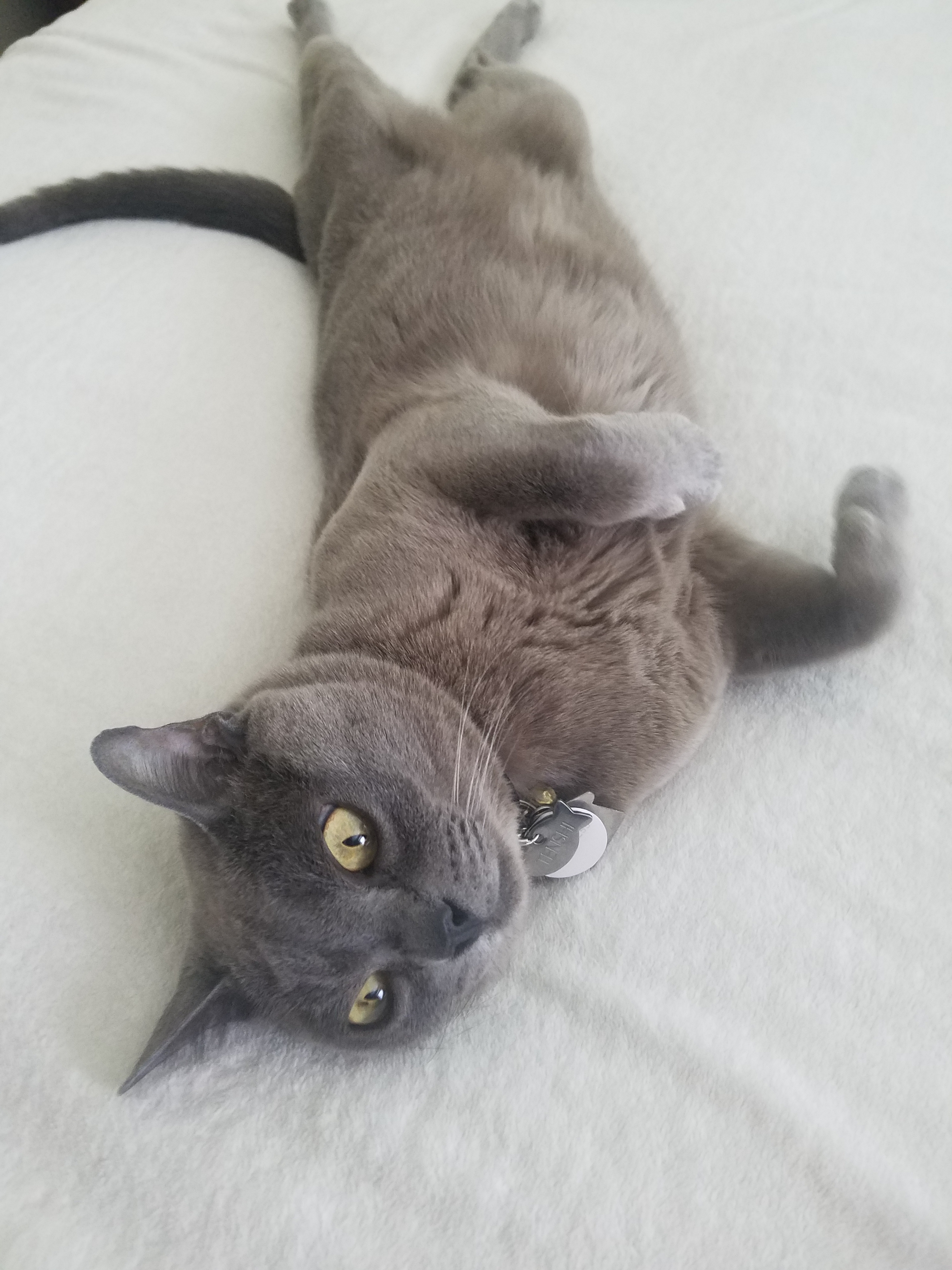
Tenshi, my Blue American Burmese Male
Burmese cats truly are extremely friendly, need to be around their humans the majority of the time, and are so drawn to laps that they are referred to as “lap Velcro”. Having lived with Burmese since 2001, I can definitely vouch for the fact that these felines are attention whores, which is quite the opposite of what some cat haters think about cat temperament. My cats are social, playful, gentle, and intelligent, and they often want to cuddle, sometimes when I am trying to do housework or telemedicine! I’m also accustomed to having all my cats on my bed at some point during every night. These cats have tons of personality!
Kazu, my Cream European Burmese Female (4.2.2009 – 5.12.2023)
There are some minor physical differences between American Burms and European Burms, such as head shape (American Burms have more rounded skulls, while European Burms have a slight wedge shape), and there are colors which are unique to E Burms (such as Cream, which is what my Kazu was), but both Burmese versions are very similar and also feature the same loveable personality profile. It is much more difficult to find European Burmese breeders in the United States, so if you have your heart set on an E Burm, you will probably have to travel out of state to find one.
Koji, my Sable American Burmese Male
As a matter of fact, I flew to Philadelphia in June of 2023 to scoop up a beautiful cream European Burmese female, whom I named Sumi. Sumi very quickly adopted the dual roles of official greeter and main bed buddy, both of which my dear, departed Kazu performed like a champ. It was absolutely worth it for me to fly across the country to get another blondie, because Sumi truly has become a snuggly sweetheart and a welcome addition to the family.
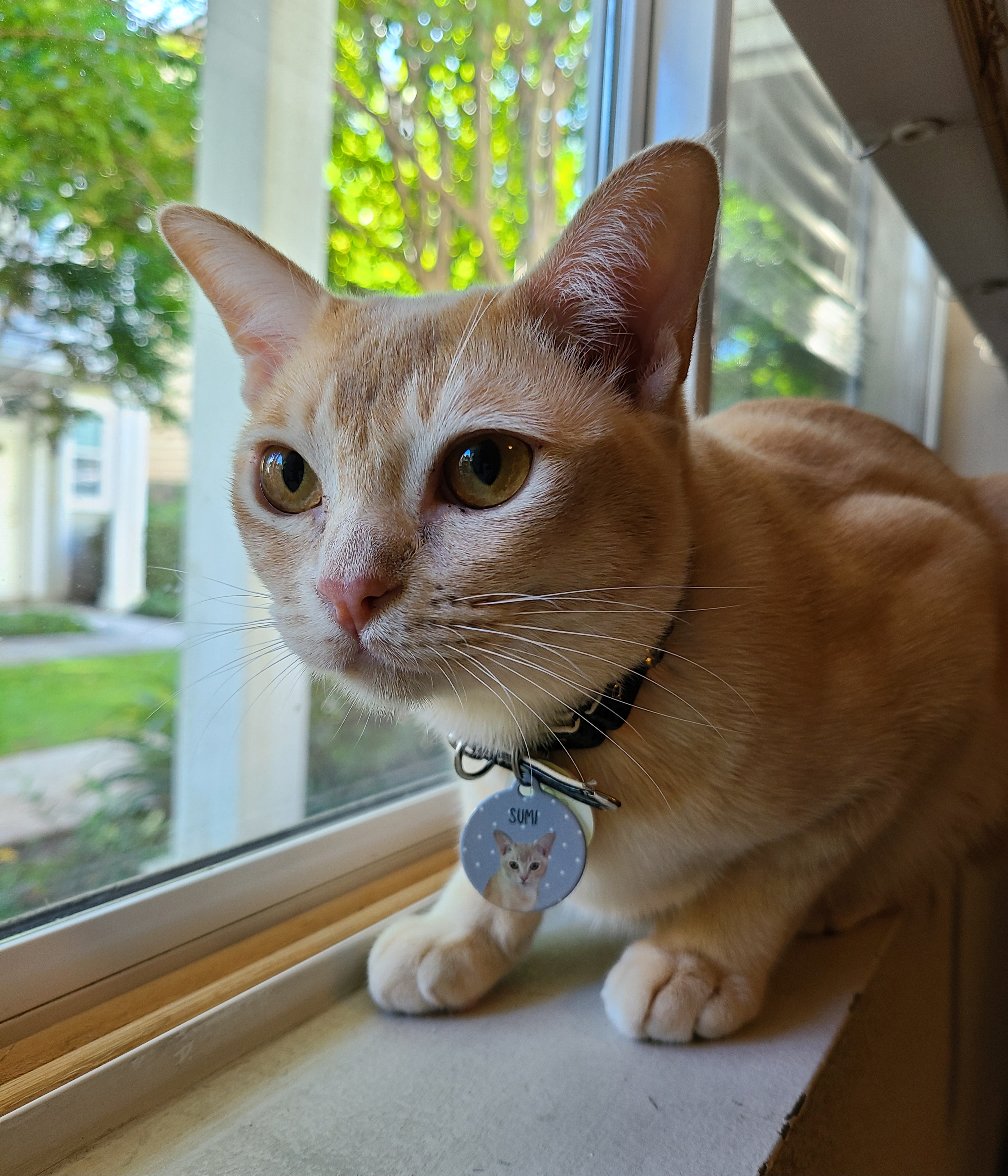
Sumi, my Cream European Burmese Female
The following are breed descriptions from CFA.org and TICA.org respectively. The CFA recognizes the American Burmese, while TICA recognizes the European Burmese.
AMERICAN BURMESE BREED DESCRIPTON:
The Burmese breed first came to America in 1930 when Dr. Joseph Thompson of San Francisco brought a small walnut brown female cat from Burma. He named her Wong Mau and bred her to Siamese cats. Through selective breeding the unique solid brown colored coat, now known as Sable, was isolated. This work demonstrated that these Burmese cats were a distinct breed and ultimately led the breeders to request championship recognition from the Cat Fanciers’ Association (CFA). Along the way, the other colors seen in the Siamese breed were also seen in litters. Over time and with much controversy, these other colors were accepted by CFA. The four colors we now recognize in CFA are Sable, a rich dark brown; Champagne, a warm beige; Platinum, a pale gray with fawn undertones; and Blue, a medium gray with fawn undertones.
Burmese cats carry surprising weight for their size. Their coats are short and close-lying, and they have a very silky texture. They need very little grooming, usually requiring only some daily petting. You will see a range of styles of Burmese cats, with those with rounder heads and shorter bodies being the show cats. Their large, expressive eyes radiate an innocence that will seduce you, and they have an irresistible appeal that has won over many a person who thought he didn’t like cats. Burmese cats have an endearing quality that has won the hearts of those lucky enough to be owned by one. They have great affection for their people, wanting to be with them as much as possible without being overly demanding. Many Burmese will even play fetch with a toy, given the chance.
Burmese kittens can be quite spirited. They are playful and fearless, attempting feats beyond their means and landing on their sturdy little rear ends. A Burmese kitten will remain playful well into adulthood. As they mature, their unique intelligence will reveal itself as their personalities unfold. They will soon grow into confident and charming little executives who will rule the house and your heart. Burmese are soft-spoken beings who have little trouble making their wishes known. They adore their people and are known for being good with children as well as liking (or at least tolerating) the family dog. Burmese are extremely people-oriented companions. Their personalities are almost dog-like. They will follow you from room to room, and they greatly desire to give and receive affection. They seek out warm laps and gentle strokes of your hand, and they love to snuggle up with their owners when they are reading or watching TV. Come bedtime they look forward to sleeping in or on your bed if allowed. Burmese are convinced that it is their job to run the house. Females tend to demand center stage and take an active role in managing the household. Males on the other hand tend to be more relaxed, managing from a comfortable spot on your lap. Be forewarned – Burmese cats can be addictive! It is not uncommon for someone to acquire a Burmese and find one is not enough. Many people ultimately have two or more Burmese, one of each gender or of different colors. Being one of the most trusting cat breeds, Burmese should never be allowed outside. https://cfa.org/burmese/
EUROPEAN BURMESE BREED DESCRIPTION:
Burmese can be found in a range of solid and tortoiseshell colors: rich, dark sable brown; medium, warm blue; warm, honey beige chocolate with pink or fawn tints; lilac that ranges in tone from a bright pinkish grey to a silvery platinum with pink tints; reds of a light, golden apricot with melon-orange overtones; rich, warm deep creams with hints of apricot; and the soft mingling of red or cream with sable, chocolate, blue or lilac found in the tortoiseshells. In young cats, the points will be darker but as the cat gets older and the coat matures the body color becomes deeper and richer until there is only a very slight difference between its body and the color on the legs, head and tail. On Mar 29 1955, the first blue Burmese kitten, Sealcoat Blue Surprise, was born in England. Cats other than sable had appeared earlier, but most Burmese breeders chose to breed only the sable cats. It is now believed that Wong Mau also carried the genes for dilution and chocolate that resulted in the appearance of chocolate, blue and lilac kittens. The red factor was added later in Europe. The Burmese was one of the original breeds TICA recognized in June 1979.
There are two full-time biscuit makers in my household, and they certainly take their roles very seriously, especially since their roles were self-appointed. The first is my 15-year-old blue American Burmese cat Tenshi, who likes to make mini biscuits, seen here:
Then there is my 1-year-old cream European Burmese cat Sumi, who is a diligent worker who puts in several shifts each day in order to make sure biscuit production is optimal. Her work sessions are intense and focused:
I know that there are dogs who obsess over blankets and often claim a special one as theirs, but I have had two cats over the decades who have had their own blankets. The first one was Pebbles (1988-2000), an extremely sassy but loveable tortoiseshell who essentially threw hints at me while I was analyzing a knitted afghan project. I had laid out eight knitted squares in front of me and was trying to decide whether to continue, or unravel the squares and start over, when Pebbles proceeded to walk onto the squares and knead on them. The gesture amused me so much that I figured I would stitch the squares together and see if Pebbles would continue with her biscuit making. She indeed did continue to knead on what I later referred to as her blanket, and she would also suckle on the blanket and drag it around while it was hanging out of her mouth.
Whenever I threw the blanket in the washing machine, Pebbles would become quite agitated and would keep meowing at me until the blanket was fully dry and ready for her. I’m not exaggerating when I say that Pebbles’ sessions with the blankets occurred several times daily, up through October of 2000 when she became very ill with kidney disease. She was so attached to that thing! When Pebbles passed away in December of 2000, I put the blanket in storage, and I still have the blanket to this day.
The second cat in my household who has exhibited a keen interest in a blanket is Tenshi, my blue American Burmese who just turned 15 years old on December 29th. Last February, we had an issue with our HVAC furnace, resulting in home temperatures around 58 degrees Fahrenheit (NOT fun). The property owner dropped off a heated throw to help us battle the cold, and Tenshi promptly claimed the throw as his main hangout spot, visiting it on a daily basis. He will knead it every once in a while, but since he isn’t a wool sucker like Pebbles was, he doesn’t engage in that bizarre behavior. The main draw for Tenshi with the heated throw is that it imparts lovely warmth which his arthritic super senior body definitely appreciates. We have even gotten into a routine in which I turn on the throw right when I enter the living room each morning, and Tenshi heads over to it within a few minutes and settles in for a snooze.
I have lived with cats for close to 38 years, and until several months ago when I got my now 1-year-old cat Sumi, I never experienced a duo of cats who had their own secret language. Sumi was introduced into the household in June, and she quickly bonded with my 2-1/2-year-old cat Koji, which made perfect sense since she was only six months old at the time and wasn’t nearly as interested in being around my two senior cats. A couple of weeks later, I started hearing some very bizarre vocalizations which I knew were coming from Sumi or Koji, but I wasn’t sure which one was making these noises.
The vocalizations I am referring to sound like a combination of meowing and cooing, and they are only heard when Koji and Sumi are play-fighting. Initially, I had assumed that the sounds were emanating from Koji, so I started watching the two kids so that I could find out which feline was making such bizarre noises. I was able to confirm on two occasions that Koji was making those utterances, but then a couple of other times, I distinctly saw that Sumi was the one with her mouth open, creating those sounds. There was also one instance in which I saw both cats making their ridiculous babble, and they were actually doing it in sequence, as if they were communicating with each other.
I have determined that Koji is the instigator, and definitely chatters at Sumi more than she does with him, but they both engage in this adorable and funny vocal interchange quite frequently during playtime.
Training a cat or kitten to learn its name and do basic tricks can be a rewarding experience, but it requires patience and positive reinforcement. I know first-hand that it is indeed possible for cats to play fetch, beg, and sit because I have had numerous cats who were able to understand and perform such commands. My cats also know their names and will come (barring any feline defiance which can kick in at times) when called.
The most basic command which most people would like their pets to learn is to respond to their names and come when called by name. Here are some steps and tips which you can use to reinforce your cat’s learning.
Choose a Short and Distinct Name: Select a name for your cat that is short, distinct, and easy to pronounce. Cats tend to respond better to names with one or two syllables. Use the chosen name consistently. All of my cats have two-syllable names which are easy to pronounce.
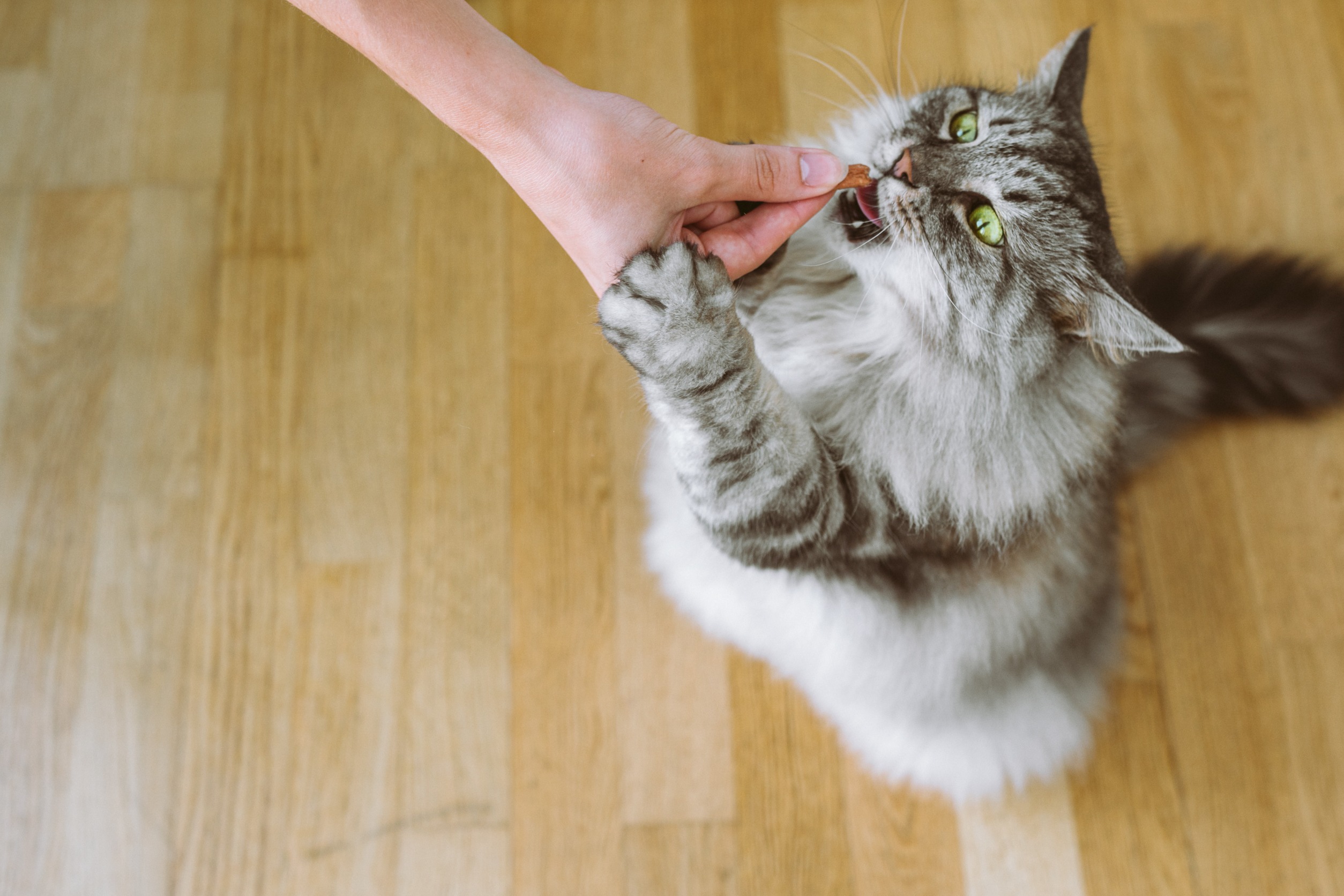
Establish a Connection: Spend quality time with your cat to build a bond and trust. Petting, playing, and providing treats are all ways to create a positive association with you. In fact, I would say treats are essential when getting a cat or dog to learn its name, as it serves as positive reinforcement.
Use Positive Reinforcement: Cats respond well to positive reinforcement, such as treats, praise, and petting. Reward your cat when it responds to its name or successfully completes a trick.
Start with Name Recognition: To teach your cat its name, use a calm and friendly tone. Say the cat’s name while making eye contact. When the cat responds, reward it with a treat or affection. Repeat this regularly.
Be Patient: Cats may take time to recognize their name and respond. Don’t get discouraged if they don’t respond immediately. Be patient and consistent in your efforts.
Teach Basic Tricks: When it comes to teaching tricks, start with simple ones like “sit” or “come.” Use treats and positive reinforcement to guide your cat into the desired behavior.
Use Clicker Training: Clicker training can be effective for cats. Associate the sound of a clicker with treats, and use it to mark desired behaviors. Click when the cat responds to its name or performs a trick, followed by a treat.
Keep Training Sessions Short: Cats have shorter attention spans than dogs. Keep training sessions brief, around 5-10 minutes at a time. Multiple short sessions throughout the day can be more effective than one long session. My training sessions with my cats are very brief, about 3 to 5 minutes, and I truly believe that the brevity is what keeps my cats engaged.
Be Consistent: Consistency is key in cat training. Use the same command words and reward system every time. Avoid confusing your cat with different words or signals for the same behavior. I personally always use “sit” and “beg” when training Koji, my 2-1/2-year-old cat.
Stay Positive and Patient: Cats can be independent, so don’t scold or punish them if they don’t respond immediately. Always use positive reinforcement to encourage desired behaviors.
Adjust to Your Cat’s Personality: Every cat is unique, so be flexible in your training approach. Some cats may respond better to treats, while others may prefer play as a reward.
Practice Regularly: Regular practice and reinforcement are essential for your cat to retain what it has learned.
Remember that not all cats will learn tricks, and some may be more responsive than others. The key is to be patient, use positive reinforcement, and focus on building a strong bond with your cat. Training should be a fun and enjoyable experience for both you and your feline companion.
Feeding raw food to cats and kittens is a topic of debate among veterinarians and pet owners. While some advocates believe in the benefits of a raw food diet for cats, it’s essential to consider both the potential advantages and risks associated with this feeding approach. When I got my cream European Burmese kitten Sumi, the breeder told me that she was accustomed to raw food, so after a few weeks, I acquiesced, looked up the specific brand of raw food, found a local distributor, and purchased the food. Luckily, my kitten and my junior cat (sable American Burmese Koji, who is 1-1/2 years old) both love the raw food, so they now get raw food every morning.
Here are some potential benefits of raw food for cats and kittens:
Nutrient Density: Raw food diets can be formulated to closely mimic a cat’s natural prey diet, which is high in protein and low in carbohydrates. This can provide essential nutrients in a highly digestible form.
Improved Coat and Skin Health: Some cat owners report that their pets on raw diets have shinier coats and healthier skin, which could be due to the higher levels of essential fatty acids found in some raw ingredients. This is definitely true for my cats, including my 14-year-old Tenshi, whose coat had been looking dull until he started eating a small amount of raw food each morning (I have to limit the amount due to his kidney disease). His coat is now thicker and has a sheen to it similar to what he used to have when he was young.
Dental Health: Chewing on raw bones and meat can help maintain dental health by reducing tartar buildup and promoting natural tooth cleaning. I actually get a kick out of watching Koji and Sumi eat raw food, because their wild instincts kick in, and they chew pretty vigorously.
Weight Management: Raw food diets may help with weight management, as they are generally low in carbohydrates, which can contribute to weight gain.
Allergy Management: Some cats with food allergies or sensitivities may benefit from a raw food diet because it allows for precise ingredient control, avoiding common allergens. Koji has some food allergies which I had discovered quite by accident, so it’s a relief to know that he has no issues with the raw food I feed him.
Improved Digestion: Proponents of raw diets argue that these diets are easier to digest and can lead to fewer digestive issues, such as vomiting and diarrhea. Since incorporating raw food into my cats’ diets, I have noticed that vomiting is extremely rare.
Increased Hydration: Raw diets often contain a higher moisture content, which can help keep cats well-hydrated and reduce the risk of urinary tract problems.
My two-year-old, Koji
It’s important to note that there are also significant risks associated with feeding raw food to cats and kittens:
Bacterial Contamination: Raw meat, especially poultry and fish, can be contaminated with harmful bacteria such as Salmonella and E. coli, which can pose health risks to both cats and humans. However, the company from which I purchase raw food, Blue Ridge Beef, uses High Pressure Processing (HPP), a cold-water process that applies pressure on the food that fractures the cell walls of pathogenic bacteria such as Salmonella, E. coli 0157:H7, and Listeria Monocytogenes, killing them while leaving all nutrients intact. I also wash my hands before handling the food, and when I section out the 2-pound chubs, I use a sharp knife to cut the chub into medallions, wrap the medallions in plastic wrap, and then into a freezer bag to re-freeze until feeding time.
Nutritional Imbalance: Formulating a balanced raw diet that meets all of a cat’s nutritional needs can be challenging. Deficiencies or excesses in essential nutrients can lead to health problems. For this reason, I still leave dry and freeze-dried kibble for my cats to graze on, and I also feed them commercial wet food for dinner to ensure a balanced diet.
Parasites: Raw meat can contain parasites, such as Toxoplasma gondii, which can be harmful to cats and can be transmitted to humans.
Choking Hazards: Feeding bones can be risky, as cats may choke or suffer from intestinal blockages. However, I have noticed that Blue Ridge Beef Kitten Mix does not contain any large pieces of bone.
Zoonotic Diseases: Cats on raw diets may be at increased risk of contracting zoonotic diseases, which can be transmitted from animals to humans.
Cost and Time: Preparing and feeding a raw diet can be more time-consuming and expensive than commercial cat foods. I can’t imagine going through the hassle to make raw food for my cats, so I am thankful that I can purchase Blue Ridge Beef products which are almost completely hassle free. I will say that when I purchase a case of fifteen 2-pound chubs, I don’t look forward to tempering the chubs, cutting them into medallions, wrapping them and then placing them in bags, but I only do that every 5 months.
Before switching your cat or kitten to a raw food diet, it’s crucial to consult with a veterinarian who can provide guidance on whether it’s appropriate for your specific pet’s needs and help you formulate a balanced and safe diet. If you decide to feed a raw diet, it’s important to follow best practices for food safety to minimize the risk of bacterial contamination and ensure your cat’s overall health and well-being.
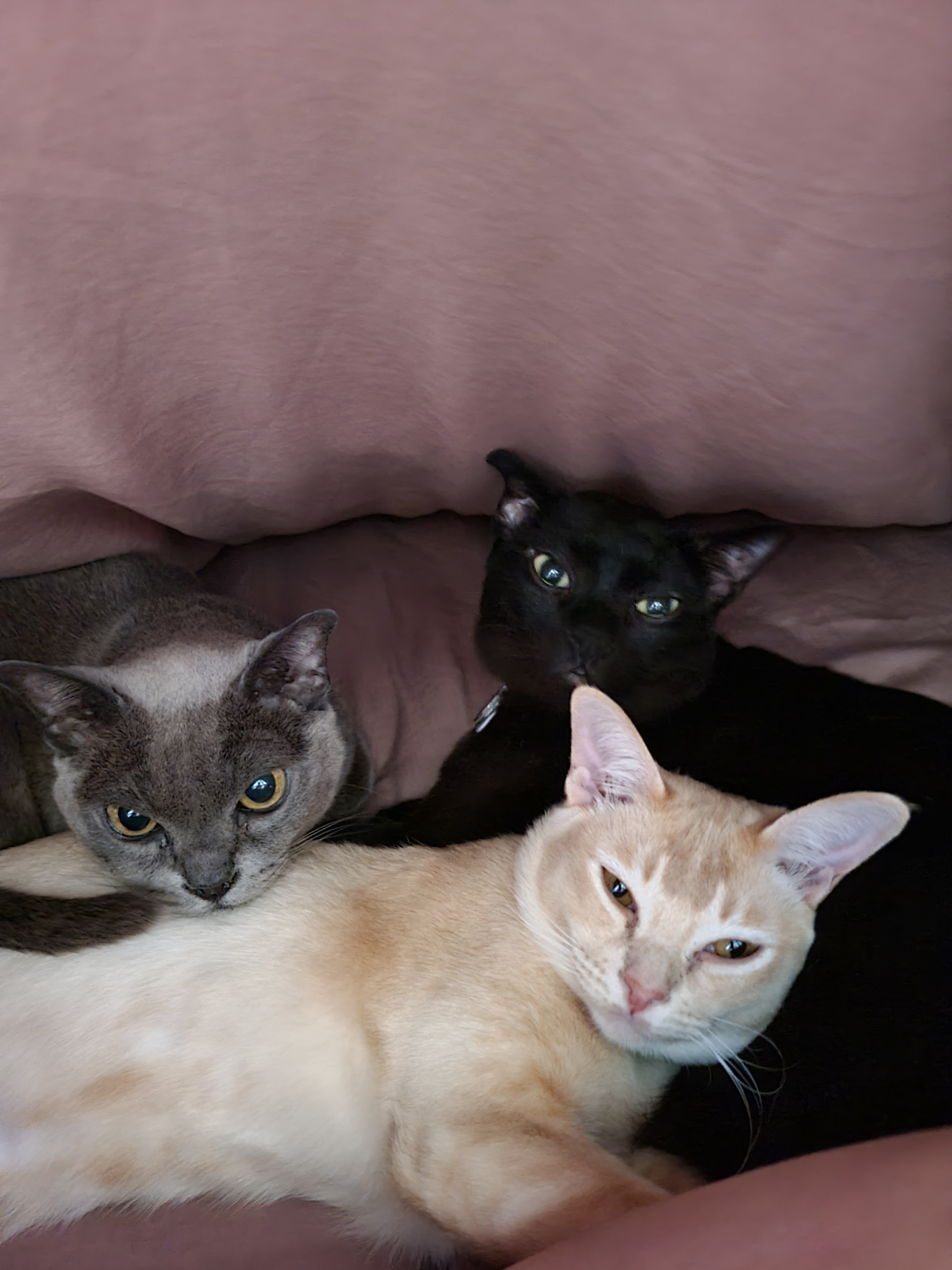
Clockwise: Tenshi (14), Koji (2), and Sumi (9 months)
Having multiple cats in a household can be enriching and beneficial for both the cats and the humans involved. I can personally attest to this since I have always had more than one cat in my household since 1986, and can’t imagine my life without a gang of felines with whom to share my home. There are people I have known who have had one cat, and almost invariably, the singleton cat has proven to be antisocial, and in some cases, downright mean, while those who have at least two cats notice that their furry kids are friendlier and more curious.
Let’s explore the reasons in detail:
Social Interaction and Sense of Community:
Cats are social animals, and living with other cats can fulfill their need for companionship and social interaction. In a multi-cat household, cats can engage in grooming, play, and cuddling with each other, which helps reduce loneliness and stress.
Cats create their own little community, which can be heartwarming to witness. They may form close bonds, develop unique rituals, and even communicate with each other through body language, vocalizations, and scent marking.
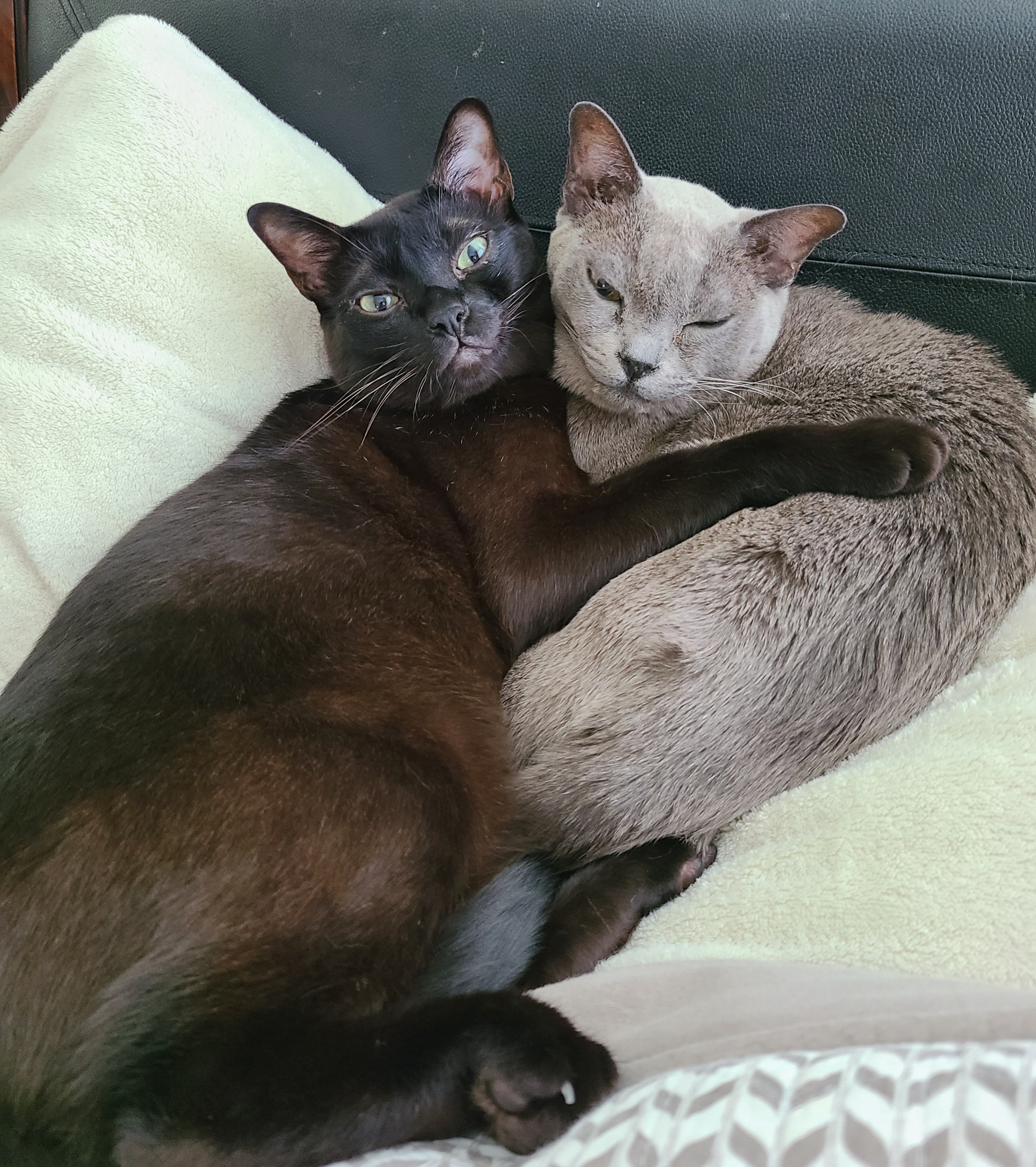
My boys Koji and Tenshi
Hierarchy and Pecking Order:
Multi-cat households often establish a hierarchy or pecking order, with dominant and submissive cats. This hierarchy can help reduce conflicts by establishing clear roles within the group. As an example, my senior boy Tenshi definitely has the upper hand on Koji, even though Koji is full of energy and prone to getting into mischief.
Observing the cats’ interactions can be fascinating, as they negotiate and establish their positions within the household’s social structure. This dynamic can teach humans about animal behavior and social hierarchies.
Diverse Personalities:
Cats, like humans, have diverse personalities. In a multi-cat household, you’re likely to see a wide range of personalities, from outgoing and playful to shy and reserved. In my household, there is a continuum, ranging from Shima who is the shyest by far, to Koji who has some timid moments, to Sumi whose fearless and diva personality makes her outgoing and demanding (but always on her terms), to Tenshi who is the biggest lovebug and a bundle of lap Velcro.
These distinct personalities can provide entertainment and a deeper understanding of feline behavior. It’s fun to watch each cat’s unique quirks and habits.
Socialization and Training:
Multi-cat households can help in socializing kittens or newly adopted cats. They can learn from the resident cats and adapt to household routines more easily.
Older, more experienced cats can sometimes teach younger ones appropriate behavior and boundaries. Back in 2009, when I got Shima as a 3-week-old rescue, I noticed that she learned to run, purr, and play from the senior cat I had at that time.
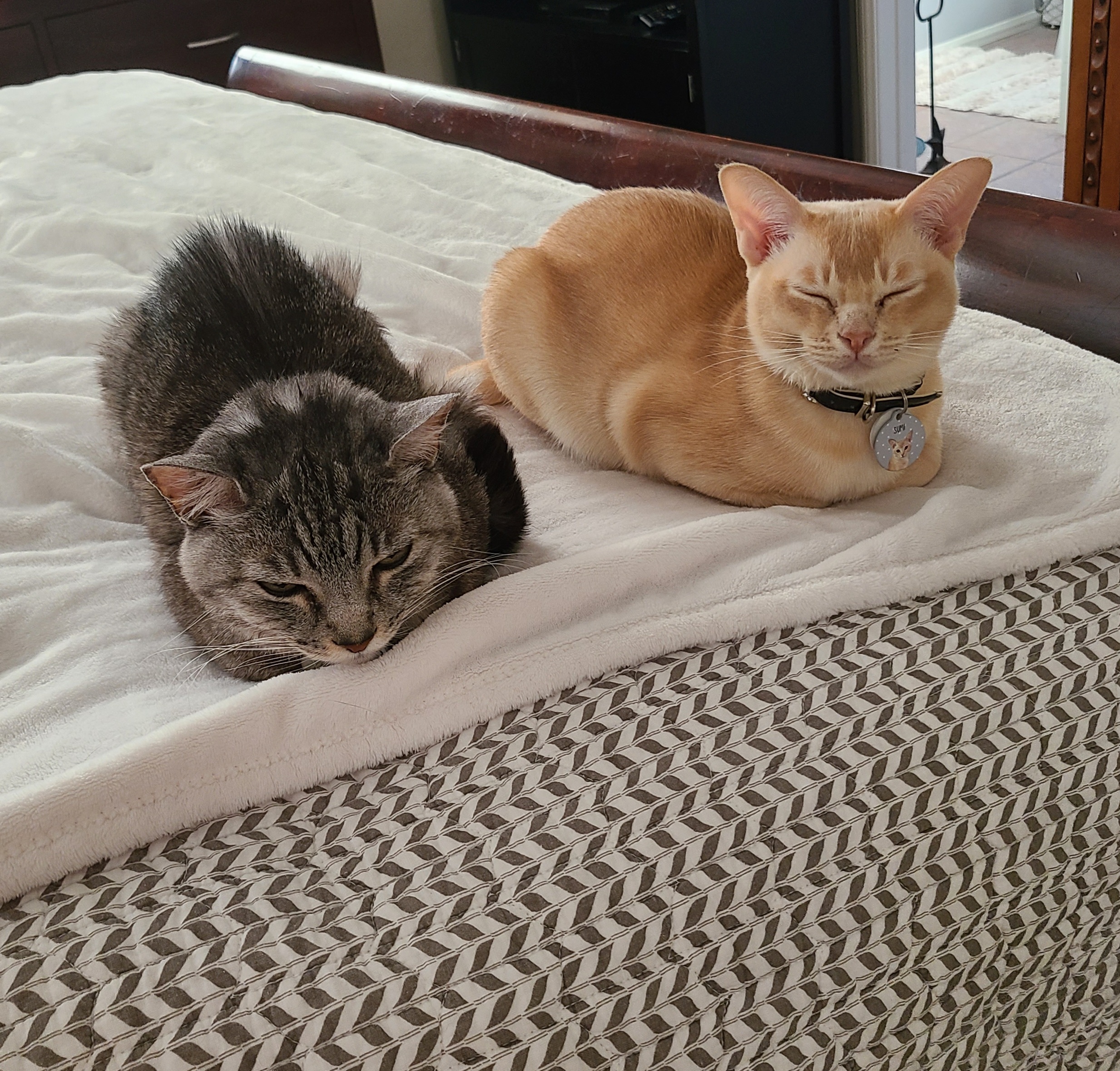
Shima (14) and Sumi
Entertainment Value:
Cats in multi-cat households often engage in playful and interactive behaviors with each other, such as chasing, wrestling, and play-fighting. These activities can be entertaining for both the cats and the humans in the household. There is no end to the amount of entertainment which I get from watching my cats horse around throughout the day, even if it means that certain items get knocked over during their sessions. My cats keep each other company, which is very important to me when I step out for social outings.
Cats can also provide entertainment by watching their antics and observing their unique personalities. Their curiosity and playful nature can brighten up the home.
Reduced Boredom and Stress:
Having multiple cats can help reduce boredom and stress for individual cats. They have companions to interact with when humans are not available.
Cats can play with each other, which is mentally stimulating and physically engaging, reducing the risk of obesity and behavioral problems.
Human Benefits:
For humans, a multi-cat household can be emotionally rewarding. The cats provide companionship, comfort, and entertainment, enhancing the overall quality of life.
Multiple cats can also create a sense of purpose and responsibility for cat owners, as they must cater to the needs of a larger group.
While multi-cat households have many advantages, it’s essential to consider the potential challenges, such as introducing new cats carefully, providing enough resources (food, water, litter boxes, and scratching posts) for all cats, and monitoring for any signs of stress or conflicts. Proper care and attention can ensure a harmonious and happy environment for both the cats and the humans in the household.
I just came across this fun little website on which you can make cats bounce! You can even click on the cats to make them bounce even more. This is a great distraction if you’re having a rough day and just need to check out mentally and cheer up.




 dr. stacey naito's blog