Author drstaceynaito
Pre-Need Burial Arrangements

A glimpse of what will be my final resting place
Making pre-need burial arrangements for yourself is one of the most thoughtful and responsible decisions you can make for your loved ones. While it’s not always easy to think about end-of-life matters, planning ahead offers peace of mind, ensures your wishes are honored, and eases the emotional and financial burden on your family during a very difficult time.
I have personally put everything in place for my final disposition after I die, and it gives me a great sense of relief to know that I have taken care of arrangements in advance. From the cremation arrangements, including purchase of the urn (which sits in my closet), to paying for rights for the burial plot, to paying for interment and the name plaque, I have made arrangements so that there will be no question about my final wishes. No one will have to scramble to find a cemetery plot or take care of any of the aspects of final disposition when I leave this earth.
In addition to my own pre-need arrangements, I had made pre-need arrangements for both my mother and my Aunt Alice. It made a huge difference in the stress levels I dealt with when they both passed, because I didn’t have to worry about where they were going to be buried, etc. Trust me when I say that grief makes everything related to ironing out the details for a funeral so much more difficult. I still had a number of expenses for both my mother and my aunt which weren’t anticipated when pre-need arrangements were made, but at least I didn’t have to start from square one.
Why Pre-Need Burial Arrangements Matter
- Reduces Emotional Stress on Loved Ones When someone passes away, their family is often overwhelmed with grief. Having to make funeral and burial decisions—often within a short period of time—can be incredibly stressful. By making pre-need arrangements, you remove much of that pressure. Your family won’t have to guess what you would have wanted or make difficult decisions while grieving.
- Ensures Your Wishes Are Carried Out Pre-planning gives you the chance to decide exactly how you want to be remembered. From choosing between burial or cremation, to selecting a cemetery plot, casket, or even music for a service—these choices are yours to make, and pre-planning ensures your wishes will be known and respected.
- Prevents Family Disputes When plans aren’t clearly laid out, disagreements can arise among family members. Some might interpret your wishes differently, leading to conflict. Having everything documented in advance eliminates confusion and potential conflict.
- Financial Benefits Many funeral homes offer the option to pre-pay for services at today’s prices. In addition, many funeral homes also provide interest-free financing so that you can pay the balance over time. This can save money over time, especially considering the rising costs of funeral services. It also protects your family from unexpected financial burdens and lets them focus on healing rather than worrying about costs.
What Needs to Be Done in Advance
- Choose a Funeral Home: Research and select a funeral home that you trust. Speak with a funeral director about pre-need options.
- Decide on Burial or Cremation: Make your preference clear. If burial, choose a cemetery and possibly a specific plot. If cremation, consider what should be done with your ashes.
- Select Specific Services: Choose the type of service (religious, secular, military honors, etc.), music, speakers, and any personal touches you’d like.
- Choose a Casket or Urn: You can select and even purchase these in advance to ensure they reflect your taste and budget.
- Prepare Legal Documentation: Write out your wishes in a pre-need contract, and if applicable, make sure it aligns with your will or estate plan.
- Communicate With Loved Ones: Let your family know your plans, where the documents are stored, and any contact info for the funeral home or service provider.
How It Helps Loved Ones
- Gives Them Clarity: They don’t have to wonder what you would have wanted.
- Provides Relief: They’re spared from making many decisions at an emotional time.
- Supports Grieving: With logistics handled, they have more time and space to process their loss.
- Avoids Financial Stress: Pre-paid arrangements or even just having a clear plan in place helps loved ones avoid unplanned expenses.
In the end, pre-need burial planning is a final act of love—a way of saying, “I’ve taken care of this so you don’t have to.” It brings comfort, direction, and peace of mind to those you leave behind, and it ensures your final wishes are honored just as you intended.
Don’t Touch!

ID 124703902 nikkolia
It is never appropriate for a man — or anyone, for that matter — to touch a woman’s body, including her legs or butt, without her clear, enthusiastic consent. This isn’t just about “manners” or “boundaries”; it’s about basic human dignity, respect, and the right each person has to autonomy over their own body.
Invasion of a Woman’s Body
Touching someone without consent is a violation. It’s not a compliment, not a joke, and not excusable because of a friendship or past closeness. A woman’s body is her own, not an object to be touched at someone else’s whim. When a man puts his hands on her without permission — even if they’re “close friends” — it invades her personal space, disrespects her autonomy, and communicates a total disregard for her comfort and her right to say what happens to her body.
Disrespect and Objectification
When a man touches a woman’s body without consent — especially in a sexual or suggestive way, like grabbing her butt — he is objectifying her. He is reducing her to something that exists for his pleasure or amusement. That kind of behavior says: “Your body is here for me to use,” whether consciously intended or not.
It’s not about affection or connection — it’s about power and control. It disregards who she is as a person and treats her like a thing. Even if they’re friends, even if she’s never said anything before, it’s not okay. Silence is not consent, and familiarity doesn’t equal permission.
The Impact
For the woman, it can be confusing, infuriating, violating, and dehumanizing — especially when it comes from someone she trusts. It can make her feel unsafe in spaces where she should feel secure, like among friends. It sends the message that her comfort, safety, and agency don’t matter.
The Responsibility
It is every person’s responsibility to respect others’ boundaries, and that starts with recognizing that touching someone without permission is a form of disrespect and harm. Being close friends doesn’t mean you get a “pass.” Respect is not situational — it’s foundational.
Touch is not harmless if it’s not wanted. Just because you don’t mean anything by it doesn’t mean it doesn’t mean something to the person you’re touching. The intention does not erase the impact.
Wanting to talk about this openly is important — especially because it’s not just about one action. It’s about the culture that normalizes the objectification of women and teaches some men that entitlement is acceptable if it’s dressed up as “playfulness” or “friendship.” But real friendship is rooted in respect.
How Menopause Messes With Our Hair
Women who have gone through menopause typically experience striking changes in hair texture, which can quite frankly, be distressing. For those of you who didn’t know about menopausal hair changes, be afraid. Be very afraid. Because your hair texture will morph into something you won’t understand or find very manageable.

My hair before the waves kicked in…
When a woman reaches menopause, hormonal changes can lead to noticeable differences in hair texture, volume, and growth patterns. While hair thinning and loss are commonly discussed, another fascinating change is how hair texture can become curlier or more unruly. On a personal note, my hair went from being almost arrow straight to having a pronounced wave, which makes it look like I had braided my hair and then let the crimps remain after unraveling the braid. I fight this new waviness by flat ironing my hair, because I just can’t stand the look. The waves became intense for a while (see pic below), then settled down a bit once I reached 57.
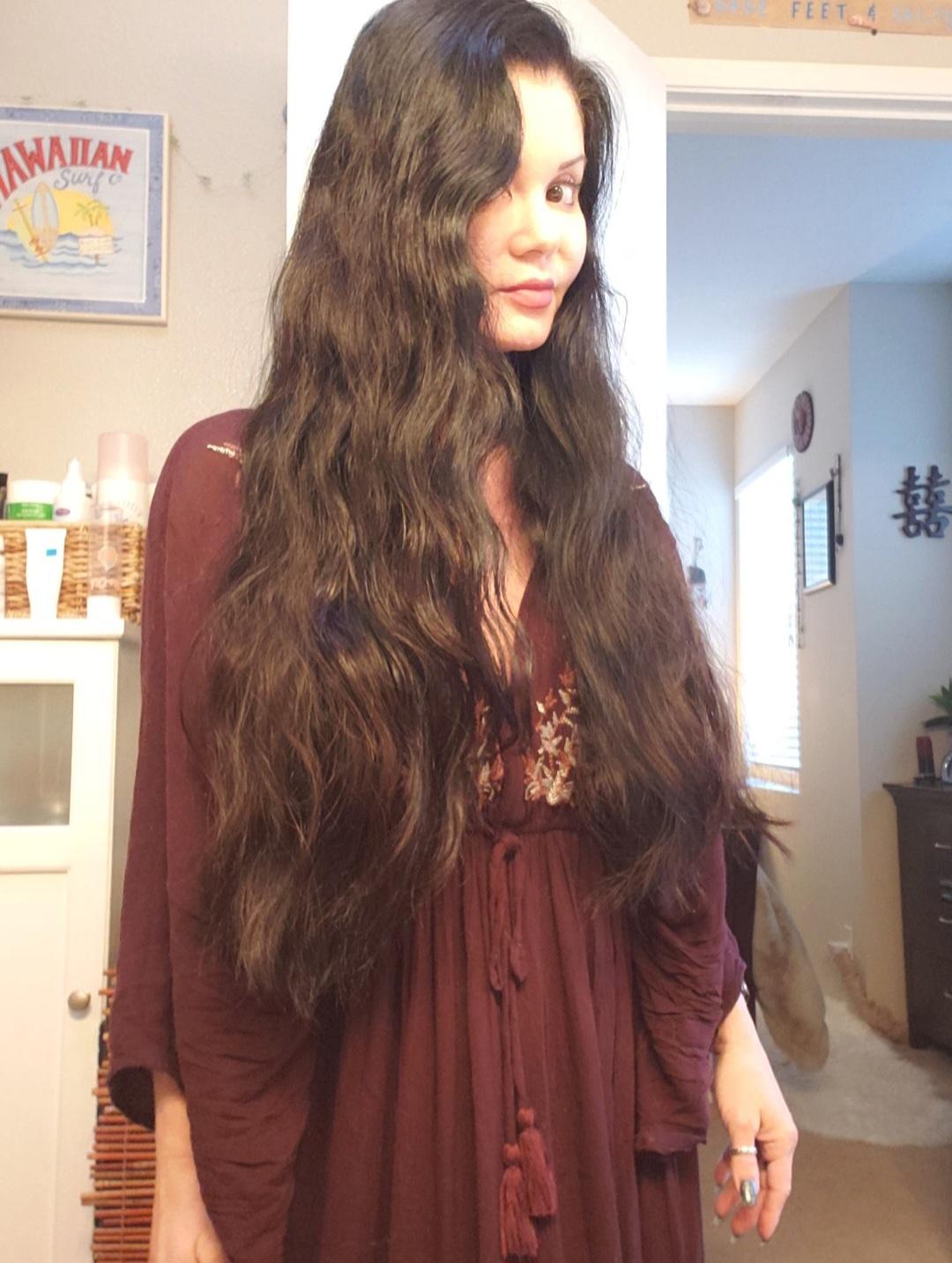
There are several scientific explanations which help account for the changes in hair texture during menopause:
1. Hormonal Changes and Hair Texture
Estrogen and progesterone, two key hormones that regulate many aspects of a woman’s body, play an important role in hair growth and structure. Before menopause, these hormones help maintain the hair growth cycle, ensuring strong and healthy strands. As estrogen and progesterone levels decline, their regulatory effect diminishes, which can lead to changes in the shape and structure of hair.
At the same time, androgen (male hormone) levels remain relatively stable or increase in comparison, which can influence hair follicles in several ways:
- Some women experience hair thinning or miniaturization, particularly along the crown.
- Androgen dominance may alter the activity of sebaceous (oil) glands, affecting hair texture.
- Hair strands may become drier, more brittle, or coarser.
2. Changes in the Hair Follicle and Muscle Relaxation
One lesser-discussed but compelling explanation involves changes in the follicular muscle layer—specifically, the arrector pili muscle, a tiny muscle attached to each hair follicle. This muscle plays a role in the positioning of the follicle in the scalp.
- During menopause, the arrector pili muscle may weaken or relax due to hormonal shifts, particularly as estrogen levels drop.
- When this muscle relaxes, it can cause the hair follicle to shift at a different angle.
- A change in the follicle’s orientation may lead to hair emerging in a more curved or spiral pattern, making previously straight or wavy hair appear curlier.
3. Structural Changes in the Hair Shaft
The cross-sectional shape of the hair shaft is a major determinant of hair texture. Straight hair typically has a round cross-section, whereas curly hair has a more oval or flattened shape.
- Hormonal shifts can influence keratin production, the protein that makes up hair.
- Changes in keratin bonding patterns could contribute to an altered hair structure, making it curlier or frizzier.
- Hair may also become thinner in diameter, which can enhance the appearance of curls or waves.
4. Aging and Changes in Scalp Health
The scalp itself undergoes changes with age, including:
- Reduced blood flow to hair follicles, which affects nutrient delivery.
- Changes in oil production, leading to drier hair that may behave differently.
- A shift in collagen and elastin levels in the skin, which might indirectly impact follicle positioning and hair texture.

The waves in my hair tend to look more like this, but I have a lot of frizz right after washing my hair. Thank goodness for flat irons!
Conclusion
Menopause brings a variety of changes to hair due to the interplay of hormonal fluctuations, follicular shifts, and changes in scalp and hair fiber structure. While some women may experience thinning, others may find their hair becoming curlier or more textured due to follicle repositioning, muscle relaxation, and shifts in keratin structure. Understanding these changes can help women adjust their hair care routines to maintain healthy, manageable hair during and after menopause.
Why Do Hot Flashes Occur?

For any of you ladies who have experienced hot flashes, you know how sudden and intense they can be. It’s as if a radiator suddenly turns on in your head, neck or chest, making you miserable. But why do perimenopausal and menopausal women get these things?
Hot flashes are related to fluctuating hormones that happen before, during and after menopause. Research suggests that dropping estrogen can change how the brain perceives temperature. In other words, our internal thermostat (hypothalamus) doesn’t work properly, so when it starts to think your body is too hot, it opens up all the blood vessels on the skin and the sweat glands to cool it off.
Here’s a breakdown of the physiology behind hot flashes:
1. Estrogen Decline and Hypothalamic Dysfunction
Estrogen plays a crucial role in regulating body temperature by influencing the hypothalamus, the brain’s temperature control center. During perimenopause and postmenopause, estrogen levels fluctuate and eventually decline, disrupting normal hypothalamic function.
2. Narrowed Thermoregulatory Zone
The hypothalamus maintains a “thermoneutral zone,” a temperature range in which the body does not need to trigger heat loss (sweating) or heat retention (shivering). In menopausal women, lower estrogen levels lead to a narrowing of this zone, meaning even small changes in core body temperature can trigger an exaggerated heat dissipation response.
3. Activation of the Sympathetic Nervous System
Due to the narrowed thermoregulatory zone, a slight increase in body temperature (which would be tolerated normally) is misinterpreted as excessive heat. This causes the hypothalamus to activate the sympathetic nervous system, leading to:
- Vasodilation: Blood vessels, especially in the skin of the face, neck, and chest, dilate rapidly to release heat, causing a flushed appearance.
- Increased Heart Rate: The heart pumps faster as part of the body’s attempt to cool down.
- Sweating: The body triggers sweat production to dissipate heat through evaporative cooling.
4. Sudden Cooling and Chills
After the hot flash, the body may overcorrect, leading to a rapid decrease in temperature, causing chills or a cold sensation.
There are measures which a woman can take to minimize the chances of getting hot flashes. They include avoiding hot weather, spicy foods, caffeine, alcohol, and stress. But hot flashes can even strike in very cold weather, because the low estrogen levels can make a woman’s thermoregulatory apparatus go haywire. What has worked exceptionally well for me in the past has been the use of table fans on both nightstands in my bedroom and a ceiling fan overhead. Sleeping with a cold gel pack between the shoulder blades is also very effective.
Indoor Plants Are Good For You

rawpixel  53431489 123rf.com

As an avid plant lover, I have enjoyed the many benefits of being surrounded by beautiful greenery in my home. I honestly believe that having indoor houseplants offers a multitude of benefits. Here’s a closer look at why incorporating greenery into your home is a great idea:
Health Benefits
- Improved Air Quality – Many houseplants, such as spider plants and snake plants, help remove toxins like formaldehyde and benzene from the air, creating a cleaner living environment. I have several snake plants (Sansevieria genus) in my home, and appreciate the fact that they clean the air while looking very attractive and interesting.
- Increased Oxygen Levels – Plants release oxygen during photosynthesis, which can improve air circulation and overall respiratory health.
- Humidity Regulation – Plants release moisture through transpiration, which can help maintain healthy humidity levels, reducing issues like dry skin and irritated sinuses. I also help my plants out by running two humidifiers in my den and kitchen to optimize plant functions.
- Reduced Allergens – Some plants, like peace lilies, can trap dust and allergens, helping those with sensitivities breathe easier.
- Stress Reduction & Lower Blood Pressure – Studies have shown that being around greenery can help lower stress levels and even contribute to reduced blood pressure. When I am in my home, I truly feel like I am in a garden paradise, and I feel instantly calm.
Decor Benefits
- Aesthetic Appeal – Houseplants add natural beauty to any room, complementing different interior design styles. I make sure to stage my plants in such a way that they make sense in my interior living space, without sacrificing their ambient light needs.
- Versatility in Design – Whether you want a bold statement piece like a fiddle-leaf fig or a subtle accent like a small succulent, there’s a plant to match every space.
- Enhanced Space Perception – Large plants can fill empty corners, creating a fuller and more inviting atmosphere. If I lived in a larger home, I would definitely have tall plants strategically placed in empty corners.
- Seasonal Adaptability – Unlike furniture or decor that can feel outdated, plants offer a timeless appeal and can be rearranged easily for a fresh look.
- Brings Nature Indoors – For those in urban settings, houseplants help create a connection to nature, bringing an element of the outdoors inside.
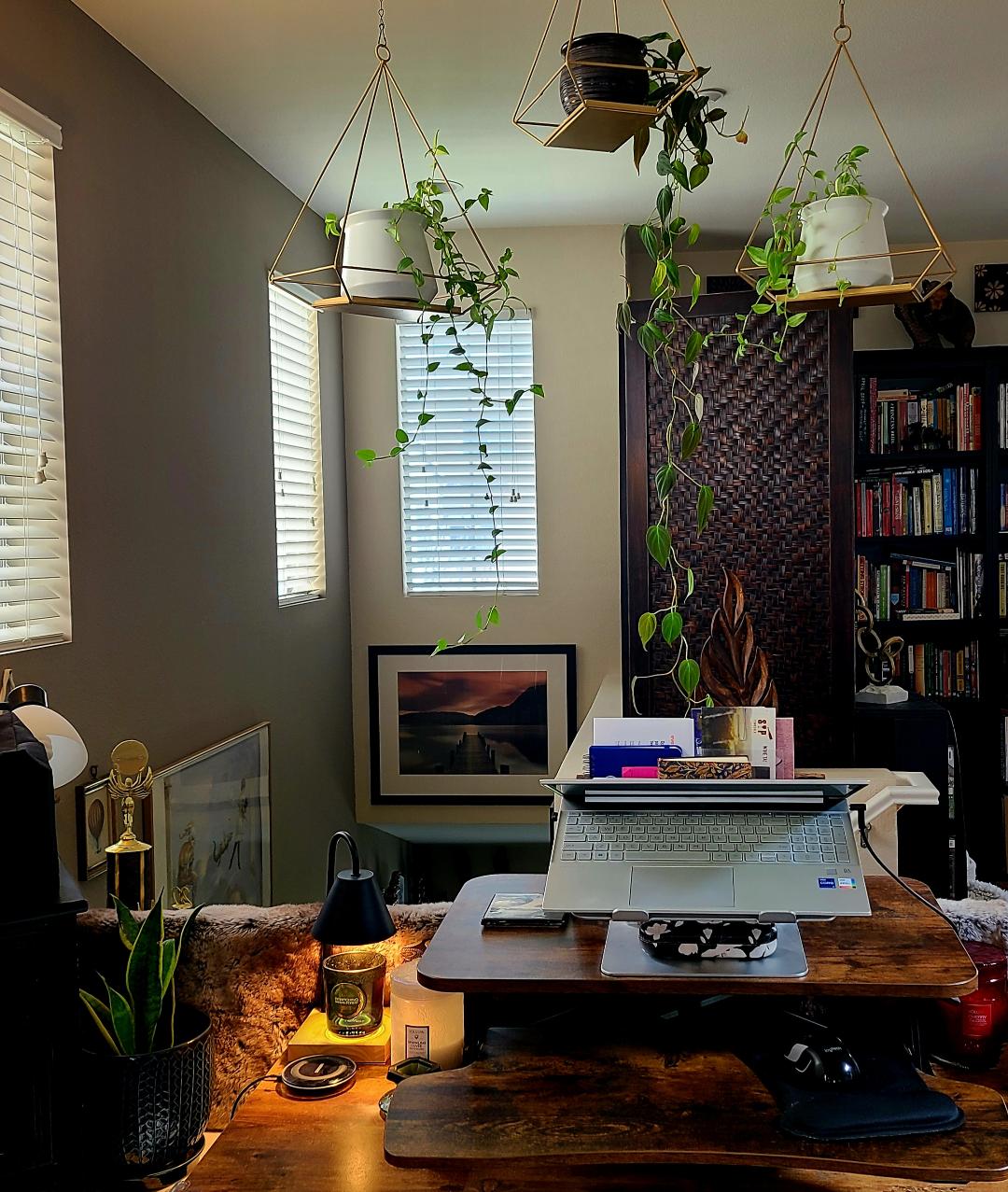
The desk sentinels around my workspace
Mood Benefits
- Boosted Mental Well-Being – Studies suggest that caring for plants can reduce anxiety and depression, providing a sense of accomplishment and responsibility. I know that I have a responsibility to keep my plants as healthy as possible, and I make an effort to address their needs on a weekly basis.
- Increased Productivity & Focus – Plants in workspaces have been shown to enhance concentration and creativity, making them great additions to home offices. There are plants all around my desk space, and I absolutely love them.
- Better Sleep – Certain plants, like lavender and jasmine, have calming properties that promote relaxation and better sleep. I only wish I could keep such plants alive in my home! Instead, I use scented candles to impart a calming mood.
- Mood Elevation – Simply looking at greenery can evoke feelings of happiness and tranquility, making plants a natural mood booster.
- Encourages Mindfulness – Watering, pruning, and tending to plants can be a meditative and mindful practice, helping people slow down and enjoy the present moment. Despite the fact that my weekly plant watering is a bit of a chore, I find myself getting into a zone which is meditative and beneficial.
Final Thoughts
Houseplants do much more than just decorate a space—they contribute to better air quality, reduce stress, and create a soothing ambiance. Whether you’re looking for a productivity boost, improved well-being, or a stylish home upgrade, adding indoor plants is a simple yet impactful way to enhance your living environment.
Use Special Occasion Items NOW
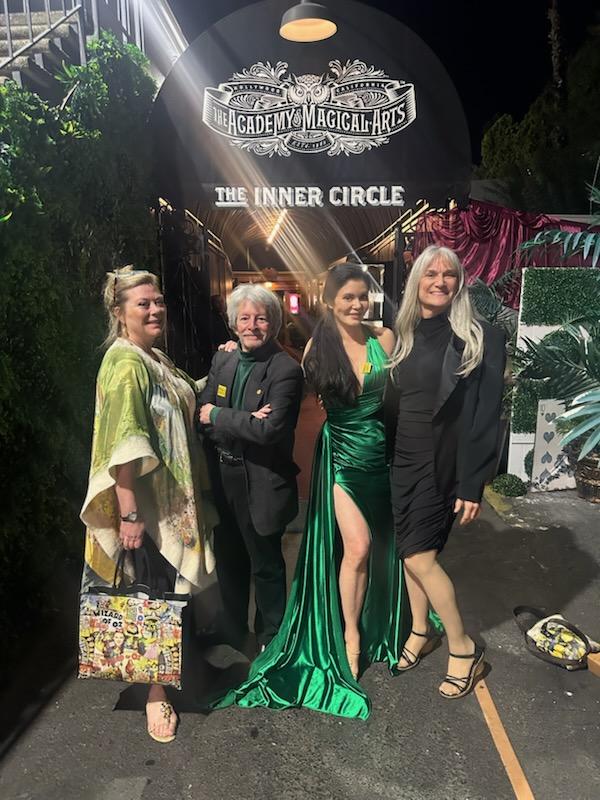
Here’s the stunning emerald gown from New York Dress which I decided NOT to hide in my closet. I wore it to a Magic Castle event and felt fabulous in it!
We often save our best outfits, fancy dinnerware, expensive perfumes, or special accessories for some elusive “perfect occasion,” but the truth is—life itself is the special occasion. My mom was notorious for buying fancy items and keeping them in their original boxes, unpacked, unused, and unappreciated, which is the main reason why I have rebelled against that attitude. I’d rather enjoy something I love, instead of allowing it to collect dust, forgotten and hidden. Here’s why it’s a great idea to wear and use what we love instead of waiting:
1. Life is Unpredictable
We never know what tomorrow holds. Holding onto things for a day that may never come means we might never actually enjoy them. Why not make today the day? My mom had bought many “special occasion” dresses back in the early 1960’s which she never wore, even up until she sustained cerebral injury in 2004. It was incredibly painful for me to put most of those items in liquidation, because I knew my mom regretted not having worn them. There were a few items which I was able to wear, and when I told my mom that I had worn them, she was thrilled.
2. Feeling Good Elevates Your Mood
Wearing that beautiful dress or those stylish shoes isn’t just about looks—it’s about how they make you feel. When we dress well and use things that bring us joy, our confidence and happiness naturally increase. Every time I slip on a gorgeous gown or fancy shoes, I love how I feel in them, and I am always happy when I can attend an event clad in them.
3. Enjoyment is Meant for Now
We sometimes treat luxury as something to be earned or reserved for rare occasions. But why delay joy? Every day is an opportunity to feel a little special. One example of this is when I had purchased a couple of rare bottles of wine and cellared them for a future special occasion. I waited over 10 years to enjoy them, but I didn’t realize that the wines had been subjected to some unexpected weather extremes during power outages. When I finally opened these wines, they were beyond their time for drinkability.
4. Items Can Deteriorate Over Time
Clothes can go out of style, perfumes can lose their scent, and even fine china can gather dust and weaken. If we wait too long, we may never get to fully enjoy them. I have personal experience with holding onto shoes I rarely wore for decades, which literally fell apart once I decided to wear them. Because I had decided to store those shoes in the garage, the temperature extremes caused the adhesive used in construction of the shoes to break down. It has been heartbreaking to be forced to throw shoes away, simply because I hadn’t stored them properly and also had forgotten about them.
5. Memories Are Created in the Everyday
That gorgeous dress shouldn’t just be associated with one or two events—it should be part of your life story. Imagine looking back and remembering how often you felt fabulous just because you wanted to. I have gotten so much better about wearing the items I love as much as I want, instead of trying to preserve them. What’s the point of having nice things if you can’t enjoy them?
6. It Changes Your Mindset
When we stop waiting for a “special moment” and start treating everyday life as special, we develop a more grateful and joyful outlook. I have become the type of person who will light the fancy candles, wear the fancy boots, wear my mom’s vintage jewelry, and drink the finer wines without waiting for a special occasion to approach. It has been liberating and highly enjoyable to adopt such a mindset.
7. You Deserve It
You bought that dress, that perfume, that fancy watch—why deny yourself their enjoyment? You don’t need an excuse to treat yourself well. Last year, I made sure to write a message to myself which is near my desk, which says “I deserve it”, and I absolutely and completely believe that. No longer will I deprive myself of the things I enjoy, especially after what I have seen with my mother not being able to enjoy her beloved items.
So, wear the outfit, use the fancy dishes, light the expensive candle. Make today a celebration just because you’re alive. 🎉
Resistance Training: The Ultimate Anti-Aging Tool

Regular resistance training is one of the most powerful tools for maintaining youthfulness and slowing down the aging process. It benefits the body and mind in multiple ways, including preserving muscle mass and bone density, improving digestion, boosting cardiovascular fitness, and benefitting cognition and mental attitude. Let’s explore these in detail:
1. Muscle Mass Preservation and Growth
As we age, we naturally lose muscle mass—a process called sarcopenia—which can lead to frailty, loss of mobility, and metabolic decline. Resistance training:
- Stimulates muscle protein synthesis, helping to maintain and build lean muscle.
- Increases metabolic rate, making it easier to maintain a healthy weight.
- Enhances insulin sensitivity, reducing the risk of type 2 diabetes.
- Supports functional strength, improving balance and reducing the risk of falls and injuries.
2. Skin Integrity and Anti-Aging Effects
The skin’s health and appearance are directly affected by lifestyle choices, including exercise. Resistance training:
- Improves circulation, ensuring better oxygen and nutrient delivery to skin cells.
- Stimulates collagen production, which helps maintain skin elasticity and reduces wrinkles.
- Reduces cortisol levels, lowering inflammation and minimizing stress-induced skin aging.
- Increases human growth hormone (HGH) levels, which contributes to cell regeneration and youthful skin.
3. Digestive Health and Metabolism
Aging often slows digestion and can lead to issues like bloating, constipation, and poor nutrient absorption. Resistance training:
- Speeds up metabolism, ensuring efficient digestion and energy utilization.
- Stimulates gut motility, reducing the risk of constipation.
- Helps regulate hormones like insulin and cortisol, which affect digestion and appetite control.
4. Cardiovascular Fitness and Longevity
While resistance training is not traditionally associated with cardio health, it plays a crucial role in keeping the heart young. It:
- Lowers blood pressure and improves vascular flexibility, reducing strain on the heart.
- Enhances circulatory function, improving blood flow and oxygen delivery to tissues.
- Reduces inflammation, lowering the risk of heart disease.
- Helps control cholesterol levels by reducing LDL (bad cholesterol) and increasing HDL (good cholesterol).
5. Joint Health and Mobility
Contrary to the myth that weightlifting damages joints, resistance training actually protects and strengthens them. It:
- Increases the production of synovial fluid, which lubricates the joints.
- Strengthens the muscles around joints, providing better support and stability.
- Reduces inflammation associated with conditions like arthritis.
- Improves flexibility and mobility, reducing stiffness and pain.
6. Bone Density and Strength
Osteoporosis and bone fractures become major concerns with aging. Resistance training combats this by:
- Stimulating osteoblast activity, which helps build stronger bones.
- Increasing bone mineral density, reducing the risk of fractures.
- Enhancing posture and balance, minimizing fall-related injuries.
- Supporting calcium and vitamin D absorption through hormonal regulation.
7. Hormone Regulation: Testosterone, HGH, and More
One of the most underrated benefits of resistance training is its ability to optimize hormone levels, which naturally decline with age. Strength training has been shown to:
- Boost testosterone production, which is essential for muscle maintenance, fat metabolism, energy levels, and libido in both men and women.
- Increase human growth hormone (HGH), which supports tissue repair, fat loss, and skin regeneration.
- Improve estrogen balance in women, reducing the risk of osteoporosis and metabolic disorders.
- Lower cortisol levels, reducing stress, inflammation, and belly fat accumulation.
- Improve thyroid function, enhancing metabolism and energy levels.
8. Mental Attitude and Cognitive Health
Aging isn’t just physical—it’s mental. Resistance training improves cognitive function and emotional well-being by:
- Releasing endorphins, reducing anxiety and depression.
- Boosting dopamine and serotonin, improving focus, clarity, and happiness.
- Enhancing memory and brain function, reducing the risk of dementia.
- Increasing self-confidence, making you feel strong and capable at any age.
9. Resistance Training and Insomnia
Struggling with sleep? Resistance training can help improve sleep quality and reduce insomnia by:
- Reducing cortisol levels, helping the body wind down for sleep.
- Boosting deep sleep cycles (slow-wave sleep), which is crucial for recovery and memory consolidation.
- Regulating circadian rhythms, ensuring better sleep-wake cycles.
- Reducing stress and anxiety, making it easier to relax at bedtime.
- Increasing energy during the day, leading to natural tiredness at night.
Conclusion
Regular resistance training is one of the most powerful ways to stay young, both physically and mentally. It preserves muscle, strengthens bones, supports joints, enhances skin health, regulates digestion, protects the heart, optimizes hormone levels, improves sleep, and boosts mental well-being. If you want to age with strength, vitality, and confidence, lifting weights should be a non-negotiable part of your lifestyle! 💪
Living Alone Is Underrated

123rf.com imagehitasia 39004685
Having a space to yourself isn’t just a luxury—it can become a necessity for mental well-being, peace, and autonomy. When you share a living space with someone who doesn’t contribute, the weight of responsibility falls on you, turning your home into a place of frustration rather than rest. This became glaringly apparent with my most recent roommate situation, when I put up with this person’s complete refusal to participate in household cleaning, household repairs, or the purchase of paper and cleaning products which we both used.
I spent 3 years harboring frustration over having to deal with areas my roommate had sullied and selfishly left for me to clean, making me feel like a live-in housekeeper. Then I had surgery in January of this year, and was unable to come home for two weeks. When I returned home, I noticed that my roommate had taken the liberty of rearranging my dining room table, and had also completely taken over my side of the refrigerator. Although I promptly put the furniture pieces back to their original orientation and put my food back on my side of the fridge, I was perturbed. What I didn’t know was that she was planning to give notice that she was moving out. I guess she figured that since she would be leaving, she could encroach upon my fridge space and move my furniture around. That was the last straw for me, so I was actually relieved when she gave her 30 days’ notice.
At a certain point, the financial strain of living alone is worth the trade-off for personal freedom. You get to set your own rules, maintain the level of cleanliness that keeps you comfortable, and decorate in a way that truly feels like home. You don’t have to tiptoe around someone else’s bad habits or pick up their slack. There’s no awkward conversations, no unspoken resentment—just the quiet relief of knowing everything is exactly how you left it.
Peace of mind is priceless. Sure, budgeting might be tighter, but waking up in a space that is yours—where you don’t have to compromise on cleanliness, noise levels, or household responsibilities—makes all the difference. Sometimes, the real cost of a cheap living situation is your own sanity.
Agreeing To Disagree

Agreeing to disagree is an important skill in maintaining healthy relationships, especially with friends and family. In any close relationship, differing opinions are inevitable—whether about politics, religion, parenting styles, or even small things like movie preferences. The ability to respect these differences without letting them ruin a relationship is a sign of emotional maturity and mutual respect. This skill seems to have become incredibly valuable in recent years, mostly as a result of tectonic shifts in politics and socioeconomic affairs.
However, when someone writes you off just because you have a different opinion, it can be deeply hurtful and damaging. It sends the message that your relationship was conditional—based not on love, shared history, or mutual respect, but on intellectual or ideological alignment. This kind of behavior fosters division, resentment, and isolation. Instead of promoting understanding, it encourages an “us vs. them” mentality, where people surround themselves only with those who reinforce their own beliefs.
There are numerous people in my personal life who have recently made certain assumptions about my religious and political views, some of which were accurate, others which were way off the mark. What’s frustrating is that I have felt like I was silenced due to the fact that some individuals assumed I held a specific belief, which was the stark opposite of my stance. It’s downright disappointing to know that I have to keep my mouth shut around such individuals in an effort to protect our friendship ties.
Healthy relationships require space for disagreement. They thrive on open dialogue, patience, and the ability to see the bigger picture—that a person is more than just their opinions. It’s possible to strongly disagree with someone and still love and respect them. Writing someone off just because they see the world differently diminishes the complexity of human beings and reduces them to a single viewpoint.

