The Days Of Trick Or Treating Are Over

42308248 – children in fancy costume dress going trick or treating

Halloween was always my favorite holiday, because I could dress up as anything I wanted to be. It was always such a blast to think of what I wanted to be for Halloween, and my mother always obliged, albeit begrudgingly at times when she wasn’t thrilled with my choice or had to put together a costume for me. That being said, there were only two years in which she took on the task of putting a costume together for me: in fifth grade, when I went as Cleopatra, and once in seventh grade when I went as Princess Leia.

Year after year, I used the same hard plastic trick or treat pumpkin which my mother bought me when I was five years old, and I always managed to get that Jack O’ Lantern filled to the brim with candy when I went trick or treating. Back then, parents were concerned about apples containing razorblades, so I was instructed to never accept apples, but I could accept all the candy I wanted, as long as the wrappers were intact. I had my favorites, like Snickers Minis and Dubble Bubble Gum, but I was such a polite kid that I was happy to get any candy when I approached front doors and made that request:

“Trick or Treat!”

The Halloween I celebrated in sixth grade was characterized by trick or treating with several friends in Bel Air, an upscale community in Los Angeles. When we knocked on the doors of the beautiful homes there, we didn’t get Dum Dums or candy corn. Instead, we received things like full sized Hershey bars and little boxes of Godiva chocolates. One house we went to handed out $5 bills, which was a sizeable amount to a ten-year old in 1976!

Things have changed dramatically over the years, with parents opting to take their children to the mall or to scheduled events in lieu of knocking on doors at dusk. I completely understand why, since the hazards of walking around after dark and accepting candy from strangers can be just like playing Russian roulette. In the eleven years that I have lived in the same community, I have only had four groups of children trick or treating. It’s a dying trend.

Working For Free – REPOST

bloggers-working-free

Have you ever completed a work project which offered no compensation except for a pat on the back? If so, did it bother you? It should have. By agreeing to slave away (pun definitely intended here) at an assignment with full awareness that you would receive absolutely no monetary compensation, you just devalued yourself.

I am not talking about volunteer work, or favors which you offer to do for a family member or friend. I am also not talking about getting your feet wet by taking on a task in an unfamiliar area so that you can gain valuable experience. I am instead referring to situations in which you are asked to provide your knowledge, expertise and service in an area in which you excel, and are coaxed into it with the promise that it’s a one-time favor, or that there will be compensation sometime in the future, only to discover that the promise was in fact a lie.

As a result of my abiding loyalty to companies, friends, family, and pets, I am the type of person who never leaves. You can count on me, and I honor my word. One of my faults is that I assume that other people are the same way, and even when I can plainly see that I am being taken advantage of, I often still hang on. This type of behavior spilled over into the world of medicine, wellness and fitness for a while, but a couple of years ago, I cut off all of the companies and individuals who got too much of a good thing for too long, essentially my time, services and knowledge for free.

In one situation, one company asked me to provide professional services on a monthly basis, stating that it would be unpaid to start out with, but that compensation would be given after a few months. Next thing I knew, I had provided those services free of charge for eighteen months! When I fired a warning shot, essentially stating that I no longer wanted to work for free, the company responded by inferring that the “exposure” I was receiving from them was payment enough. The funny thing is, I didn’t need the exposure, nor was this company in a position to help me. I merely agreed to the arrangement as a temporary favor to them, sort of a good faith move. All it ended up doing was getting me stuck in a monthly obligation which I got zero benefit from doing. Once I realized this, I severed ties immediately. Though I used very professional and polite language, it felt so good to tell them that I was done being an indentured servant. No longer did I have to put their assignments in my calendar, or resent the fact that each one of those assignments chewed up a good hour or two of my time.

More recently, I agreed to complete an assignment for free simply because I found it intriguing, and I had a small pocket of time in which to complete the assignment. I also felt that it was a good way to introduce my skill set to the company. However, I made it very clear that the assignment was isolated, and that if the company wanted my services in the future, I would only consider paid assignments.

Time is money, and because I hold a medical degree and a bachelor’s degree, am a board certified physician, and have worked in the fitness industry for three decades, I have value which deserves proper compensation. Would you like to work for free, especially if it is in an area in which you have expertise? Let’s face it, we all need to find a way to bring money in. We have skills, we have knowledge, and we deserve to get a financial return for services rendered in our chosen work environment.

If you are the type of person who has a tendency to take on more than your schedule can handle, perhaps it’s time to evaluate your obligations and see if any of them are a threat to your self-worth. If they are unpaid, uncontracted, require your skills in an area in which you are considered an expert, and are contributing to a decline in your quality of life because they are a time burden, then you should consider dropping those obligations.

Chemical-Free Laundry

NOTE: This is an UNPAID, UNBIASED review of the Magnetic Laundry System.

Back in July, one of my roommates sent me a link to a revolutionary magnetic laundry system which would eliminate the need for harsh detergents.

Magnetic Laundry System

Here is the description of the system which I have copied and pasted below:

About Magnetic Laundry System

These blue balls, patented technology, are proven to be a durable, healthy and environmentally friendly alternative to laundry detergent, completely eliminating your reliance on harsh chemical detergents forever.The truth is water is a powerful element and a universal solvent. Detergent simply enhances water’s already existing powerful cleaning potential. How? By changing the surface tension of the water. This helps water molecules become more spaced out and slippery to pull out the dirt trapped in dirty clothes.

Product Features

With multiple permanent magnets arranged in a unique configuration, the MLS generates a powerful magnetic field to do just that, to change the surface tension of the water, – just like detergent does, only without all the toxic chemicals.

No more wasting money on harsh chemical detergents many of which are made of synthetic, hazardous, petroleum based chemicals – which are linked to health problems: headaches, skin sensitivities, allergies, respiratory irritations, asthma and even cancer.

These chemicals don’t rinse out; they hang around as residue and get absorbed through your skin over time, build up in the body and can wreak havoc on your health.When they do rinse out they go on to polluting our water supply, aquatic life, and environment.Just imagine how much chemicals have ended up in your body, how much money you have spent on detergent, and how much energy you have wasted battling with skin sensitivities and allergies. Make the switch today!

Instructions

Simply put the MLS in your washer. You can leave the magnets in there and never think about them again. It is a reusable, onetime buy, with a 50 years manufacturer’s warranty.

Basically, detergents are designed to change the surface tension of the water which is inside the washing machine. Strong magnets do the exact same thing. Since this was a one-time purchase, and my curiosity got the best of me, I purchased the system. Weeks went by, and the company didn’t respond to my email inquiry regarding the whereabouts of the shipment. But I was excited about trying the system and kept my fingers crossed that I would receive the package, and that the concept would in fact work. It took almost six weeks to receive the order, but I definitely did get it.

I was in such a rush when it was time to do my next load of laundry, that I promptly forgot about the magnets and used detergent, so I resolved to use the magnets the next chance I got. I made sure I had a full load of laundry, consisting of towels and clothing, for the first go-round with the magnets. I filled the washer with water, loaded the clothes, and threw the magnets in. 27 minutes later, I opened the lid, and found that my laundry was completely clean. In an effort to keep my first load of laundry washed with the magnets completely chemical-free, I tossed several wool dryer balls, each enhanced with a drop of peppermint oil, into the dryer with the load. Though the dryer balls slowed the drying process, they were quite effective in reducing static cling and imparting a clean, natural scent to my laundry.

Since that time, I have used the magnet system a couple of times, and I am thrilled with the results. I certainly hope that the magnet system continues to work well, since I prefer to omit, or at least reduce, the use of chemicals while doing laundry. I’m still on the fence about heavily soiled and stinky laundry, but there are people using the magnet system who wash items like soiled diapers, and they say the results are great. I think if I have a very heavily soiled laundry load and there is extra time to experiment, I may use the magnets for one wash to see how well they clean. However, the clean freak in me is leaning towards using bleach and detergent to clean those loads.

Our New Security Blanket

Think about the one thing which is constantly at your side, namely, your phone.

You rely on that small, handheld computer to keep your life in order, so much so that misplacing it sends you into an instant panic. Your LIFE is on that phone, dammit, and if you were to lose it, you would hate to imagine how much its loss would disrupt your life. I am willing to bet that you carry your cell phone everywhere, even into the restroom, which is why cell phones harbor some of the nastiest germs which are found on inanimate objects these days.

Your thumbs assert their special evolutionary spot in the animal kingdom by constantly texting, liking posts, scrolling, and sweeping to the left or right. Unfortunately, that also means gamekeeper’s thumb, an injury to a tendinitis in thumb ligaments is all to common now.

Your relationship with your phone is so tight that you will stare into it even while at dinner with friends, and it will tempt you to fuss with it while driving, despite the dangers associated with driving and texting.

I have a suggestion for you if you are so attached to your phone that it has become a security blanket. Why not leave it at home while you run to the gym? How about leaving it on your desk at work while you use the restroom? Leave it face down on the table when you are having dinner with friends. Avoid looking at it once you have crawled into bed. It won’t be the end of the world if you put your phone down every once in a while.

The Challenges Of Traveling: How to Eat Clean and Train While On The Road

It can be extremely challenging to adhere to regular training and healthy eating habits while traveling. As if that wasn’t enough, the impending holiday season presents even more of a challenge because of the indulgent foods which emerge. That is why some die-hard fitness people are resistant to travel, and are almost terrified of the holidays. And while it is possible to stay on track with workouts and food while traveling, foraging for fitness resources like a gym to work out at and places which carry clean food selections can range from frustrating to impossible.

With a little determination, it is definitely possible to exercise regularly and eat clean when traveling. The guidelines listed here will give you a blueprint which you can use to manage and stay on track with your fitness goals.

WORKOUTS ON THE ROAD

A little creativity can go a long way in figuring out ways to get your daily workouts while on the road. Here are some suggestions on how to make the most of what is available to you when you are traveling.

1. Search for gyms in the area before you travel. Once you know your travel destination, you can do an online search of the area to find gyms and fitness centers. In some cases, hotels have very nice fitness centers which are fully equipped with free weights and exercise machines.

2. Try hotel room workouts. It is always possible to create intense workouts in any location by performing body weight exercises, exercises with resistance bands, and mat work. Resistance bands are lightweight and can easily be thrown into a suitcase.

3. Train outdoors. In most cases, you should be able to find a local park or school in which you can perform body weight exercises, plyometrics, calisthenics, stairclimbing, running, etc. You can use park benches or ledges for your workouts as well. Get creative, and keep up the intensity to get your body moving and the blood pumping!

FIT FOODS WHILE TRAVELING

Whether you are a seasoned competitor who is accustomed to following a strict meal plan, someone who wants to adopt healthier eating habits, or battling excess body weight, you may find it very difficult to pass up regular restaurant meals, fast foods, and holiday treats while on the road. The holidays can be especially brutal, since evil culinary temptations abound and threaten to sabotage any efforts at maintaining clean eating habits.

If you aren’t on prep, you can still indulge in small amounts of rich foods which are not considered clean as long as your other foods are healthy and clean. This means that your abs don’t have to hibernate during the holidays. However, if you compete and have competitions coming up, you can’t exactly throw caution to the wind and consume whatever you want. You will need to keep a tight rein on what you consume while traveling, a feat which is challenging, but which can be done.

Here are some tips to keep you in line with clean eating while traveling.

1. Invest in a great food cooler bag. A food cooler bag will enable you to enjoy your trip without having to worry about what you will eat throughout the day.

2. Make sure your meal plan is balanced. Don’t use traveling or the holidays as an excuse to rationalize bad food choices! Eat enough protein each day to keep you feeling full and fed so that hunger pangs are kept at bay, and drink plenty of water.

3. Prep your meals in advance. If you prep your own meals, you will have total control over ingredients, cooking method and portion sizes. Once you have prepared your food, store single serving sizes in individual containers or bags which are easy to pack. Freeze the food you will eat during your trip, and refrigerate the food which you will eat on the day you travel to your destination.

4. Ask the hotel for a refrigerator in your room. In most cases, hotels can supply a refrigerator upon request.

5. Consider a meal prep service. Meal prep services can be a blessing because they take the hassle of having to prep food out of the equation, and they can deliver directly to your destination.

6. Pack emergency fit foods. Non-perishable foods like protein powder, protein bars and nuts can be easily packed into your luggage and will ensure that you have backup food.

7. Consider staying in a room with a kitchenette. You can visit a local market, purchase fresh food, and prepare it in your hotel room.

8. Explore local produce and clean food selections in the area. Most countries tend to consume whole foods, so as long as you avoid sauces, you can often find clean dishes to eat.

9. Consume a small amount of lean protein right before you have a carb cheat. This will slow down digestion so that the carbs aren’t stored as readily.

10. Drink at least eight ounces of water before you indulge in a decadent treat. This will help to fill you up so you consume less food afterward.

11. Eat smaller, more frequent meals. If you have a holiday feast to attend, make sure to eat every 2-1/2 to 3 hours beforehand to ensure that you won’t be ravenous come party time.

12. Don’t cave in to peer pressure. Sometimes family and friends can sabotage clean meal plans by convincing others to eat forbidden foods. If you find yourself in such a situation, you need to ask yourself if it is worth unraveling your healthy eating habits in order to appease a relative or buddy.

When Your Joints Rebel: How To Modify Your Lifting Regimen So You Can Train With Joint Issues

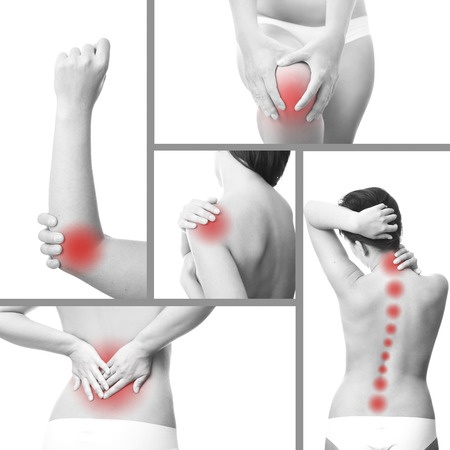
You are a beast in the gym…that is, until a joint injury or flare-up from arthritis, bursitis or sprain threatens to deflate your motivation as a result of the pain. While it is always important to take preventative measures to protect the joints, such as warming up the surrounding soft tissues properly, using proper form during exercises, and taking supplements which promote joint health, there may be times when joint discomfort is so significant that a little TLC needs to be added to the regimen. The recommendation of complete rest usually falls on deaf ears when a fitness fanatic is the one suffering from joint woes, because the general mindset for such an individual is to push through the pain and continue training. However, in most cases, the pain and inflammation will throw a wrench in the works by adversely affecting range of motion and strength. As long as the joint pain isn’t severe, and is not caused by direct, acute injury to the joint, exercises can usually be modified to alleviate load stress on the affected area.

There are a number of exercise modifications which can be made to weightlifting exercises to minimize the loading on affected joints while still effectively training surrounding muscle groups. Bear in mind that you might not be able to perform certain exercises at all, even with a modified grip or stance. The most important thing is to pay attention to your body and stop doing anything which exacerbates the joint discomfort.

SAVE YOUR SHOULDERS AND ARMS

Since shoulder joint issues are relatively common, most of the suggestions made in this article for exercise modifications for the upper body will take this into account. Depending on the degree and location of shoulder pain, you might still be able to perform shoulder presses, but do not perform them behind the neck as they can cause impingement. Incidentally, you will also need to avoid pulling the bar behind your head when doing lat pulldowns. To perform overhead presses, use a straight bar with a grip slightly wider than shoulder width apart, or use dumbbells, and use a light weight. Another exercise which should be modified when shoulder pain is an issue is the bench press. Chest presses should be avoided on an incline bench due to increased abduction and a corresponding increased shear stress and strain on the glenohumeral joint.

Shoulder joint pain can also interfere with lower body barbell exercises like the back squat and lunges. Since the barbell must be stabilized across the back, the shoulder must remain in an externally rotated and abducted position. Even barbell deadlifts force the shoulder into a gravitational load in extension which can be enough to aggravate shoulder joint issues if a heavy weight is used. Modifications to these exercises include performing front squats while holding onto a kettlebell or dumbbell, and switching to dumbbells when performing lunges and deadlifts.

Most cases of shoulder pain from joint instability or arthritis can make it impossible to perform a plank for an extended period of time due to the superior-posterior stress across the shoulder joint complex, but this is easily remedied by modifying the plank so that you rest on your forearms instead of your hands, thus shortening the lever arm and decreasing the stress load.

If you have issues with your elbows, it is wise to avoid pullups, pushups, mountain climbers, overhead tricep extensions and planks, but bicep curls may also be difficult to do, especially as you supinate and flex the elbow. The elbow joint is a tricky one to train around, and the best approach is to completely avoid any direct movements which involve the elbow flexors if the pain is severe. If the pain is minimal, regular dumbbell bicep curls, hammer curls and cable tricep extensions can be performed with light weights. Using a false grip on dumbbells (in which the thumb is not engaged in opposition around the bar), using a cuff around the arm with a cable assembly, or switching to weight plates with a neutral (palms in) grip can also be helpful in minimizing the strain on the elbow stabilizers during delt training routines.

Wrist pain can often be eradicated by using lifting gloves which have wrist support to counteract some of the stress. Since bench dips can aggravate sore wrists, they should be avoided and replaced with cable tricep extensions, which can be performed without extending the wrist. Traditional pushups also force the wrists into a hyperextended position, but a simple switch in hand position, in which the fingers point out to the sides, with hands at least shoulder width apart, will minimize joint stress during the down phase of the movement.

WEIGHT BEARING JOINTS

If you have issues with the joints in your lower extremities (hips, knees, ankles, feet), ballistic movements, such as the ones performed in plyometrics and calisthenics, should be avoided. Unfortunately, exercises which are considered staples in a weightlifter’s regimen, such as squats, lunges and leg presses, can also wreak havoc on achy hips and creaky knees, especially if poor form and heavy weights are used. It’s best to trade these in, at least for a while, and instead turn to leg lifts on all fours, wall sits, front leg raises against a wall, and single leg deadlifts, all of which decrease the load on the hips and knees while still providing good isolation.

Since ankles and feet take the brunt of weight bearing, they should be babied when flare-ups occur, which means that calf raises, leg presses, and squats should be avoided and replaced with moves which do not require excessive joint motion under a loading force. Foot stance should be maintained at shoulder width to maintain the ankle position in a neutral plane and avoid any inversion or eversion. Mat exercises are also an excellent alternative to hardcore standard weight machines when dealing with joint flare-ups in the ankle or foot.

OHHHHH MY BACK

The incidence of low back pain is extremely high, especially among fitness devotees. Since it is usually triggered by extreme positions of flexion or extension, something as simple as standing with your heels on two weight plates and dropping the amount of weight lifted can be enough to maintain a more upright position and avoid the excessive lumbar flexion often seen with back squats. Another modification which spares the low back as well as the knee is performing Bulgarian squats, which keep the upper body in a vertical plane.

If you experience joint pain in your neck or upper back, you should avoid exercises mentioned earlier such as behind the head lat pulldowns and military presses, both of which cause excessive flexion in the cervical spine. In some cases, you will need to omit exercises which involve the use of a barbell behind the neck since this type of load increases flexion stress. You can modify these movements by using dumbbells or by switching to a machine, for example, switching from barbell squats to hack squats.

The most important thing to remember is to listen to your body and stop any movement if you feel sudden pain. By training wisely and making necessary modifications while your joints are inflamed, you will be able to bypass injury and continue to make gains at the gym.

New Vino D. Shootout Locations

Vino Darius Calloway has outdone himself again, with new shoot locations for the Vino D. Utah Shootout for next June! I had the opportunity to shoot at these new locations last month, so I wanted to provide the models with some tips on how to prepare for them.

INFINITE TATTOO AND ART GALLERY:

This awesome location is in downtown Ogden, which is about an hour away from Park City. It’s a great place to shoot in if the weather doesn’t cooperate, and most of the shoot locations are inside the building. Infinite Tattoo and Art Gallery is a tattoo parlor, an art gallery, and a barber shop, and is filled with great furniture, art pieces, and outdoor murals. There is a lot of red and burgundy in this establishment, so colors which pop against red tones work best in this location. If Vino chooses this location, you will most likely leave the house late, perhaps around 3 pm, since you would be able to shoot until around 9 pm during the summer.

MOAB:

Moab was an amazing find, and though it is quite far from Park City, it is well worth the long drive. Moab is a four hour trek from Park City, situated in the southeast border of Utah, and is blessed with the warmest temperatures, making it a great shoot location if mother nature decides to fling some cold weather and wicked wind around Utah. Prepare to leave the house around noon. Once wrapped at this location, you ladies won’t return to the house until 1 am or later! Be sure to pack food for this long trip. Restroom facilities are VERY scarce in Moab, so be prepared to wrap a beach towel around you and find a bush to crouch behind to do your business. I always recommend carrying some tissue or a roll of toilet paper with you for those situations.

Shot at Infinite Tattoo and Art Gallery

Moab has some beautiful spots to shoot in, with panoramic canyon views, but the silt is slippery, there are rocks, twigs and brambles everywhere, and broken glass also litters some spots. For these reasons, it is imperative that you wear rubber-soled shoes or aqua shoes while climbing around in those areas! Keep your eyes open for any broken glass, and hold on to sturdy branches while climbing up and down the embankments.

You might be thinking that it would be better to avoid drinking any fluids, just so you can minimize your restroom breaks, but with the hot weather, you should hydrate throughout the day. Bring water with you to drink while traveling in the van. Every day that I was in Utah for the 2017 Shootout, I drank close to a gallon of water. My skin looked great as a result, and I didn’t have any issues with belly bloat.

It’s also a good idea to carry some extra water which you can use to rinse your feet and legs when at Moab, Salt Flats or Little Sahara.

Moab, Salt Flats, Little Sahara and the marina can get VERY windy. If you have long hair, I recommend shooting so that you are facing the oncoming wind. This way, you’ll avoid having your hair whip in your face and ruin the shots. I also recommend putting your hair in a very durable style, such as crimped waves which won’t unravel when the wind blows. Use a good setting spray to hold your hairstyle in place.

The sun’s rays can be brutal on location, so make sure you slather on sunblock, and use sunglasses to shield your eyes from the sun. If you shoot without sunglasses, and you have difficulty with squinting while facing the sun, close your eyes and have the photographer count to three, then open your eyes for the shot.

My Experience With Food Intolerance

Before I began competing in 2009, I could pretty much eat whatever I wanted without any digestive or reactive consequence. All that changed by the time I earned my IFBB Pro Card in 2013, when I developed a number of food intolerances which forced me to change the way I ate and what I consumed. It was so bizarre for me to mount reactions to healthy foods which had never caused an issue in the past. During one particular contest prep regimen, I began to notice that every single time I ate broccoli, I would get severe abdominal cramps and a headache which persisted for an entire day (now they last for 3-5 days if I am stupid enough to eat even one small floret). I honestly believe that the extreme and repetitive meal plans which I consumed while competing were major factors in the development of my food intolerance issues.

I retired from competing in June of 2014, yet I developed even more food issues. I noticed that other foods were aggravating my gut, my skin, my head and my mood, so I decided to eliminate them. In January of 2015, I had an ALCAT food intolerance test, and discovered that broccoli on the list of offending foods for me. I also had SEVERE gluten intolerance, as well as intolerance to coconut, flaxseed, mangoes, casein, blueberries, and a number of other foods which are considered healthy. In an effort to allow my body to calm down, I eliminated every food which I had any intolerance to (there were about 30 foods) for close to a year. To this day, I am very careful about the foods which my body rejects, and keep my exposure to a minimum.

I will allow myself to have blueberries, coconut, mango, lobster, cashews, bison, and spinach on rare occasion, and have noticed no reactions. However, I mount strong reactions to other foods and food combinations. For example, within two consecutive days of eating flaxseed, I develop one or two deep, painful, cystic pimples on my face which will not resolve until I stop eating flaxseed. When I eat gluten, I become irritable and emotional, I get headaches, my belly aches, and I don’t sleep well. Of course I didn’t know that this was the case until I did an elimination diet and gradually began feeling better, then tried eating gluten after many months of avoiding it. Every time I ingest gluten containing foods, I notice symptoms which can be mild or severe depending on the food and the quantity eaten. Pizza is VERY dangerous for me now, so if I am faced with the prospect of eating the cheesy, gluten filled meal, I have to take a Glutagest (which breaks down gluten in the food eaten) if I want to avoid the ugly consequences of allowing gluten to enter my body. The combination of pizza and wine is even worse. I might as well forget about functioning like a normal person for a couple of days if I dare to consume this food and drink duo.

I agree that the whole gluten-free trend has gotten a little out of hand, but I also strongly believe that there are many people walking around with gluten intolerance and other food intolerances who have no idea that the foods they are consuming are affecting their health and well-being. I have personally benefitted from going gluten free and avoiding foods my body rejects, and have been rewarded with more luminous skin, thicker hair, better digestion, better overall mood and energy, and much better sleep.

If you suspect that you have food intolerance, try eliminating the suspect food to see if it makes a difference. Trust your body’s signals. And if you want to get a food intolerance test, check out ALCAT.com and Everlywell.com for the kits they offer.

Do You Have Food Intolerance?

What Is Food Intolerance?

Have you ever noticed that when you eat a certain food, such as tuna, blueberries, avocado, asparagus or broccoli, that you get extremely bloated to the point that you are extremely uncomfortable? Since the foods I mentioned are celebrated for their many nutritional benefits, it might not occur to you that you most likely have an intolerance to that food. Up to 80% of the U.S. population has some form of food intolerance.

Most people are aware of food allergies, but food intolerance is a different phenomenon which can have a tremendous effect on a person’s quality of life. Food allergies appear quite suddenly, from seconds to minutes after ingestion of the offending food, and can be life-threatening, whereas food intolerance is a more gradual process (taking hours to a couple of days for symptoms to emerge), not life-threatening, and may only occur after a large amount of the food is eaten. Food allergies and food intolerance can both cause similar symptoms, such as abdominal pain, nausea, and diarrhea, but food intolerance is notorious for causing bloating, heartburn, irritability, headaches and general malaise. The most common food allergy triggers are peanuts, tree nuts, shellfish, fish, soy, wheat, milk and eggs, while the foods most commonly associated with food intolerance are dairy products, gluten-containing grains, eggs, citrus, beans, cabbage, and broccoli.

People who are allergic to certain foods know that even a small amount of the food can trigger an allergic response, and the response occurs every single time the person is exposed. The immune system reacts to the food by causing a release of IgE antibodies, which then cause a release of histamines and cytokines designed to attack the offending agent. Sometimes the entire body is affected by this response, and symptoms such as shortness of breath, hives, rash, or a sudden drop in blood pressure can occur. Food intolerance, in contrast, is more insidious, and may only occur if a large amount of the triggering food is eaten or if it is consumed frequently. Trigger foods will cause a rise in IgA, IgG, and IgM antibodies, causing the body to mount a delayed reaction which is characterized by mostly gastrointestinal symptoms, but which can cause other symptoms as well. Regardless of how the body reacts, the discomfort caused by poor digestion of the food can be enough to make the sufferer miserable.

Why does food intolerance occur? There are several explanations. One cause is enzyme deficiency. All enzymes are specific to one type of molecule, such as lipases which break down fats. Sometimes an individual can be deficient or completely lacking in a very specific enzyme which is required for digestion of a particular food. A common example is found in lactose intolerant individuals who do not have enough lactase to break down the milk sugars into their constituent parts for absorption in the intestine. The lactose cannot be broken down so it sits in the intestine, causing bloating, spasm and diarrhea when it sits in the digestive tract. Approximately 25% of the U.S. population suffers from lactose intolerance, which amounts to a lot of bloated bellies from the consumption of dairy products.

Another common type of food intolerance is to gluten. Gluten is highly resistant to digestion as it is, and in some individuals, the gluten cannot be broken down at all. The problem with gluten is that it is found in wheat, rye, barley, spelt and kamut, so avoiding gluten can be challenging to say the least. Approximately 1% of the U.S. population has celiac disease, while about 15% have gluten intolerance. Regardless of whether someone has celiac disease or gluten intolerance, ALL gluten must be avoided. However, if there are occasions in which completely avoiding gluten is impossible, digestive enzymes, specifically DPP-IV, can help individuals to digest meals containing gluten.

The list of substances which people may have an intolerance to doesn’t stop there. Some individuals cannot break down phenols, including salicylates, due to insufficient amounts of xylanase, and suffer from behavioral and learning disorders, including ADHD and autism. Some individuals are unable to break down disaccharides, an intolerance which is closely linked to irritable bowel disease, ulcerative colitis, Candida overgrowth and autism. As if all that wasn’t enough to worry about, there are chemical substances in foods which can spark intolerance, such as caffeine, aflatoxins in undercooked beans, amines in cheeses, artificial colorings and flavorings, preservatives, sweeteners, emulsifiers, nitrates, MSG, sulfites and salicylates. Salicylate intolerance can cause a susceptible individual to react to large amounts of salicylate-containing foods, particularly citrus fruits, teas, mint flavoring, berries and processed foods with flavor additives.

The digestive tract regularly takes the brunt of foods, medications, hormones, and chemical additives which can interfere with repair of the gut lining, causing increased intestinal permeability which is more commonly known as leaky gut. Leaky gut is characterized by the loosening of tight junctions between the cells which line the gut, thus allowing food molecules to pass through. These free floating food molecules are viewed by the immune system as a threat and will mount an immune response which manifests as the signs and symptoms of food intolerance. Think of all that food sitting in the gut, undigested. Pretty unnerving, huh?

How To Diagnose Food Intolerance

Diagnosing food intolerance can be extremely difficult since the signs and symptoms often mimic those of food allergy. One method of ferreting out which foods are involved in a food intolerance is keeping a food diary in which all foods eaten are recorded, along with symptoms and their time of onset. After suspected trigger foods have been determined, an exclusion diet can be implemented, in which those foods are removed from the diet for weeks to months. If the symptoms disappear during the exclusion phase, potential trigger foods can be re-introduced after this phase is completed in order to determine which substances are problematic. If the food intolerance is mild, a small amount of the food will not trigger symptoms, and in many cases may still be consumed, especially if enzymes are taken to aid in digestion. Essentially, many people can return to foods which they were mildly or even moderately intolerant of after avoiding it for a period of time.

Blood testing is considered the most reliable and comprehensive form of testing for food intolerance, but there are only a few laboratories which specialize in this type of test. ALCAT, Pinnertest.com and HEMOCODE Food Intolerance System are laboratories which offer food intolerance testing via serum analysis, with ALCAT considered the largest food intolerance testing group in the U.S. We offer ALCAT testing at the facility where I work (Urban Med) because it is considered the gold standard method for laboratory identification of non-IgG-mediated reactions to foods, chemicals, and environmental triggers. Some insurance plans will cover part or all of the expense of the testing, so it is always worth inquiring about insurance coverage, especially since these panels run from $675 to $850. Here’s the thing: though the testing is pricey, it is very specific. In addition, you get a detailed rotation diet for reintroduction of the foods which you have intolerance to after you have eliminated them for the recommended period (3 months for moderate intolerant foods, 6 months for severe intolerant foods).