Osmanthus is a flowering plant belonging to the genus Osmanthus, which is part of the olive family (Oleaceae). Native to East Asia—particularly China, Japan, and the Himalayas—this evergreen shrub or small tree is best known for its small but incredibly fragrant blossoms, which appear in shades of white, pale yellow, or orange-gold.
🌸 Fragrance of Osmanthus
The fragrance of osmanthus is what makes it truly enchanting and prized in perfumery and tea blending. The scent is:
Sweet and fruity, often compared to ripe apricots, peach, or plum.
Laced with honeyed, creamy, and slightly green floral notes.
Sometimes subtly leathery or reminiscent of tea leaves when dried.
It’s an aroma that manages to be both delicate and persistent—soft, comforting, and refined.
✨ Spiritual and Cultural Significance
In Chinese Culture
Osmanthus, or guì huā (桂花) in Mandarin, is deeply revered in Chinese tradition.
It blooms in autumn, and is strongly associated with the Mid-Autumn Festival, where it symbolizes reunion, harmony, and longevity.
The osmanthus tree is often linked with the moon. Chinese legends tell of Wu Gang, a man condemned to eternally chop down an osmanthus tree on the moon—a myth that adds a sense of the plant’s mystical endurance.
Osmanthus is also a symbol of nobility, love, and romantic longing, sometimes evoking nostalgia or homesickness.
In Traditional Chinese Medicine
Osmanthus flowers are used in herbal remedies to ease coughs, improve skin health, and support digestion.
It’s believed to cleanse the body and mind, representing purity and serenity.
In Perfume and Tea
Osmanthus is a luxury note in high-end perfumery, loved for its unique fruit-floral profile.
In tea, osmanthus blossoms are often blended with green or oolong tea, creating a beverage that is as aromatic as it is soothing.
🌿 Interesting Qualities
Rare Fragrance Profile: Few florals combine fruit and flower in such a balanced way—osmanthus stands apart from heady roses or indolic jasmine.
Cultural Depth: It’s not just a pretty flower; osmanthus is woven into poetry, myth, and ritual across centuries.
Seasonal Beauty: Unlike many spring-blooming flowers, osmanthus blooms in autumn, offering unexpected beauty and fragrance when most other flowers have faded.
Versatility: It’s used in food, tea, perfume, skincare, and spiritual practices—a true multi-sensory botanical.
In essence, osmanthus is a plant that quietly stuns—with a fragrance that whispers rather than shouts, and a cultural legacy that touches everything from ancient moon legends to modern luxury.
Has back pain ever kept you up at night? If the answer is yes, then you should definitely read this article written by Camille Johnson of Bereaver.com
When your back hurts, the night can feel like an uphill battle. Every turn and shift reminds you of the tension nestled deep in your spine. You’re not imagining it — poor sleep and back pain are part of a vicious cycle, each one feeding the other. But the good news is, small, specific choices before and during sleep can help you rest easier. It’s not just about soft pillows or the right medicine. With the right mix of habits and support, you can reclaim your nights and wake up without that familiar ache shadowing your day.
Find a Position That Respects Your Spine
The way you sleep matters more than you think. Lying in positions that twist your lower back or leave it sagging can amplify pain overnight. Experts recommend maintaining neutral spine alignment by sleeping on your side with a pillow between your knees, or on your back with a pillow under your knees to reduce pressure. This subtle support keeps your natural curves intact while muscles finally get the chance to relax. If you’ve been curling into a ball or flopping onto your stomach, try adjusting. It can take a few nights to adapt, but many discover that the right position unlocks hours of uninterrupted rest.
Sleep Better Through Wellness, Not Willpower
Sometimes you need more than just a few tips; you need a plan. For many people, the most effective approach is to follow personalized wellness plans that integrate sleep, exercise, and nutrition. A tailored program addresses the unique factors that might be disrupting your rest, like muscle imbalances or stress patterns that no one‑size‑fits‑all solution can solve. Working with a professional to develop a roadmap helps ensure you’re not just guessing — you’re giving your back and your sleep the care they deserve.
Chiropractic Care When Pain Comes From Trauma
If your back pain stems from a recent injury — especially a car accident — proper care is non‑negotiable. Many people find their pain persists because the trauma never fully healed. In these cases, seeking chiropractic treatment after car accident injuries can help restore alignment, improve mobility, and ease muscular tension that standard rest alone won’t address. A professional who understands the mechanics of accident‑related damage can craft a plan to help you recover while also improving your sleep quality. You don’t have to grit your teeth through sleepless nights; targeted treatment often shortens recovery and brings deeper rest sooner.
Stretch Out the Tension Before Bed
You can’t expect your back to quiet down if you climb into bed wound up like a spring. The simplest way to prepare for sleep is a short, deliberate stretch session. Even just five minutes of gentle bedtime stretches for back relief helps loosen tight hip flexors, lengthen your spine, and cue your nervous system to wind down. Think of it as telling your body, “We’re done bracing for the day.” The key here is gentleness — no forceful lunges or deep backbends. Slow, steady movements will not only ease the physical strain but also calm your mind, which has likely been keeping score all day long.
Let Your Mattress Do Some of the Work
A bed that works against you will sabotage even the best intentions. If your mattress is too soft or sags in the middle, your spine may spend hours out of alignment. It’s worth exploring zoned support mattresses for healing, which provide targeted firmness where your back needs it most while still cushioning your shoulders and hips. The right surface balances comfort with structure, which can mean the difference between tossing in frustration and waking up with fewer aches. Consider testing different setups, even if that means adding a firm topper or rotating what you already own. Your sleep space should feel like an ally, not another source of pain.
Fuel Your Body for Recovery
We often overlook how what we eat sets the tone for how we sleep. Poor nutrition can keep your body inflamed, which means more pain and more wakefulness. But focusing on how diet influences restful sleep can help you support your muscles and calm your nervous system. Magnesium‑rich greens, anti‑inflammatory omega‑3s, and balanced hydration all play a role. Even timing matters: avoid heavy meals right before bed, as digestion can compete with rest. Think of your meals as part of your nightly routine — a way to nourish the body you’re asking to heal as you sleep.
Clean Up Your Evening Environment
Finally, don’t underestimate the power of your habits after sunset. The glow of your phone, the hum of late‑night TV, and the tension of checking emails can all sneak into bed with you. One of the simplest yet most impactful changes you can make is turning off screens pre‑bedtime to let your mind ease into a slower rhythm. Dim the lights, keep your room cool, and treat the hour before bed as sacred. When you create an environment that invites rest, you give yourself permission to let go of the day’s demands — and give your back a break it’s been asking for.
Back pain doesn’t have to dictate your nights. By listening to your body and making a few thoughtful changes — from stretching before bed to adjusting your sleep surface — you can take control of how you rest. Healing and better sleep go hand in hand, each reinforcing the other. When you commit to habits and seek out support where you need it, you not only improve how you sleep but also how you live. So tonight, give yourself the chance to experience what it feels like to wake up without pain weighing you down. You deserve that kind of rest.
Elevate your wellness journey with Stacey Naito to benefit from expert nutrition and fitness plans—visit today to start transforming your lifestyle!
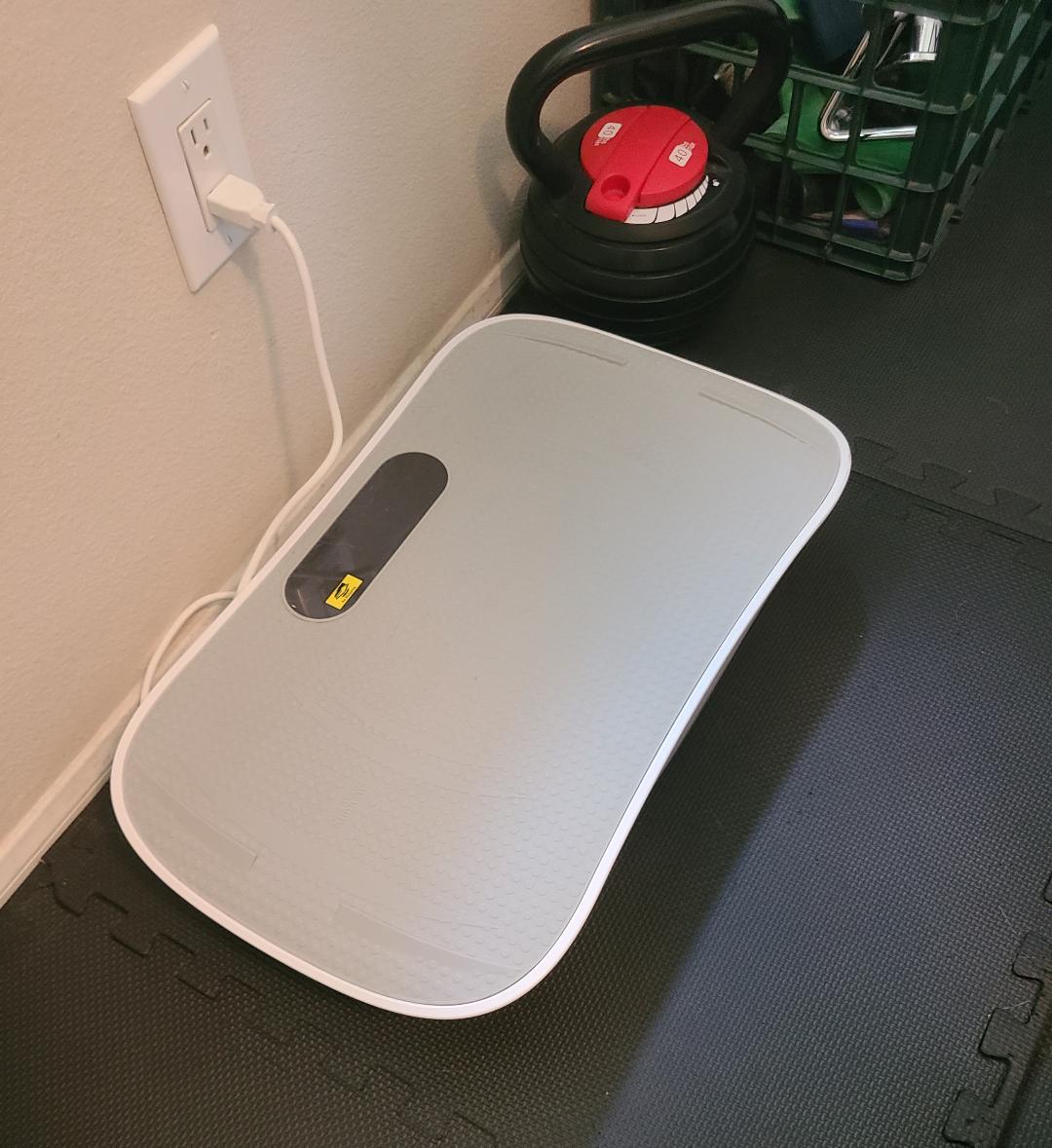
This is the vibration plate I use. There is a link in this article, but I am not being compensated for sharing the link. I truly like it!
Vibration plate therapy, also known as whole-body vibration (WBV), is a fitness and rehabilitation method that involves standing, sitting, or exercising on a machine with a vibrating platform. These vibrations transmit energy to the body, causing muscles to contract and relax dozens of times per second. One of the most appealing aspects of vibration therapy is that it doesn’t require a huge time commitment—even just 10 to 15 minutes a few times a week can offer substantial benefits. I make sure to use my vibration plate for 10 minutes daily, and once a week, I will double my time on the plate.
Key Health Benefits:
1. Improves Muscle Strength and Tone
The rapid muscle contractions stimulated by the vibration plate help build strength and tone. This can be especially helpful for people who find traditional strength training challenging due to joint pain or mobility issues.
2. Boosts Circulation
The vibrations encourage better blood flow, which can enhance oxygen and nutrient delivery throughout the body. This improved circulation supports cardiovascular health and may help reduce swelling in the extremities.
3. Enhances Lymphatic Drainage
The stimulation helps activate the lymphatic system, aiding in the removal of toxins and waste from the body. This can reduce puffiness and support immune function.
4. Increases Bone Density
Regular use has been shown to help maintain or improve bone density, making it a valuable therapy for those at risk of osteoporosis or bone loss—particularly postmenopausal women.
5. Supports Balance and Coordination
By challenging your stability, vibration therapy activates deep core muscles and can enhance proprioception (your sense of body position), which is beneficial for fall prevention and general agility.
6. Aids in Weight Management
While it’s not a calorie-torching workout, WBV can slightly boost metabolism and support fat loss when combined with a healthy lifestyle. It’s often used as a supplement to other forms of exercise.
7. Reduces Muscle Soreness and Aids Recovery
Athletes and physical therapy patients often use vibration plates to reduce delayed-onset muscle soreness (DOMS) and promote faster recovery after strenuous activity. This is the main reason why I bought a vibration plate for my home, and I swear it makes a huge difference in recovery from my workouts.
8. Helps with Joint Pain and Flexibility
The gentle stimulation can increase joint mobility and reduce stiffness, making it an appealing option for people with arthritis or chronic pain.
Minimal Time Commitment, Maximum Results
One of the greatest advantages of vibration plate therapy is how time-efficient it is. Sessions are short—typically 10 to 15 minutes—yet they activate multiple muscle groups simultaneously. This makes it an ideal option for busy individuals, older adults, or those recovering from injury who want a low-impact but effective form of exercise.
Whether you use it as a stand-alone therapy or a complement to a broader fitness routine, vibration plate therapy offers a wide range of benefits in very little time.
Laryngopharyngeal reflux (LPR), sometimes called “silent reflux,” is a condition in which stomach acid or other contents flow backward into the larynx (voice box) and pharynx (throat). Unlike gastroesophageal reflux disease (GERD), LPR often doesn’t cause the classic symptom of heartburn. Instead, it presents with a variety of upper airway and throat symptoms that can be subtle, confusing, and sometimes frightening.
Common Symptoms of LPR:
Chronic throat clearing A frequent need to clear the throat due to irritation caused by acid or digestive enzymes.
Persistent cough Especially at night or after eating, the cough may not respond to traditional treatments.
Hoarseness or voice changes Vocal cords can become inflamed or irritated, leading to a raspy or weak voice, especially in the morning.
Globus sensation A feeling of a lump, tightness, or something stuck in the throat, even when nothing is there.
Postnasal drip or excess mucus The body produces mucus in response to irritation, which can feel like it’s collecting in the back of the throat.
Difficulty swallowing (dysphagia) Swallowing may feel effortful or uncomfortable, and food may seem slow to move down the throat.
Sore throat or burning sensation in the throat Especially after eating or while lying down.
Ear pain or a sensation of fullness Acid can irritate the Eustachian tubes or nearby structures, leading to ear discomfort.
Feeling Like You’re Drowning in Your Own Saliva
One of the more distressing and lesser-known symptoms of LPR is excessive saliva production (also called water brash), along with difficulty swallowing and a sensation of choking. This can feel as though saliva is pooling in the throat, leading to:
A sensation of choking on saliva Because the throat and swallowing reflexes may be disrupted by inflammation, even normal amounts of saliva can feel overwhelming.
Difficulty managing secretions Some people feel they can’t swallow quickly or completely enough, leading to a constant awareness of saliva in the mouth or throat.
Fear of aspiration The fear that the saliva or refluxate could “go down the wrong pipe” and enter the lungs, especially when lying down.
Shortness of breath or throat tightness These may be reflexive responses from the larynx trying to protect the airway, which can exacerbate the sensation of “drowning.”
Why This Happens
Stomach contents, including acid, pepsin, or bile, are not meant to come in contact with the sensitive tissues of the throat and larynx. Even a small amount of reflux reaching these areas can cause inflammation and nerve hypersensitivity. When this happens:
The muscles that control swallowing may become uncoordinated.
The throat may feel constricted.
The body’s natural response is to produce more mucus and saliva to soothe the tissues, which paradoxically makes the feeling of “drowning” worse.
What to Do
If you suspect you have LPR, especially if you’re experiencing this “drowning” sensation, it’s important to:
Consult an ENT or gastroenterologist They may perform a laryngoscopy or pH monitoring to confirm LPR.
Modify diet and lifestyle Avoid acidic, spicy, or fatty foods, eat smaller meals, and don’t lie down after eating. However, I will say that even a clean diet which follows these recommendations might not even make a difference at all. This has been the case for me.
Elevate the head of the bed This reduces nighttime reflux for some people. However, it won’t make any difference for other sufferers (like me).
Use supplements if needed These may include alginate-based therapies or other substances which create a physical “raft” to block off the backflow. Some physicians may recommend proton pump inhibitors (PPIs) or H2 blockers or allergy medications, but these medications might not have any effect on the condition.
While it’s not dangerous in most cases, the sensation of drowning in your own saliva due to LPR can feel alarming. The good news is that with proper diagnosis and treatment, symptoms can usually be well-managed and greatly improved.
It’s a really interesting and somewhat frustrating phenomenon when people develop allergies to new pets, even if they’ve lived with pets for years without issue. This just happened to me when I introduced a new kitten into my home. All these years, I had lived peacefully with my pets with no issues, but all it took was one sweet kitten with her dander to spike my allergic response!
There are several factors that could explain sudden allergic responses when a new pet is introduced to the home.
1. Different Allergen Profiles
Each pet produces different types and amounts of allergens. For instance:
Cats and Dogs: These animals produce dander (tiny, often invisible flakes of skin) that can trigger allergic reactions. However, not all animals produce the same type or quantity of allergens. A person may have developed tolerance to the specific dander or protein in their existing pets, but a new pet may have a different protein structure that their immune system perceives as a threat.
Species Differences: Even between different breeds of dogs or cats, there can be differences in the types of allergens they release. For example, some dog breeds shed less fur or produce different amounts of dander than others. This might explain why someone living with one breed of dog doesn’t experience symptoms, but develops an allergy when adopting a new breed.
2. Immune System Changes
Over time, a person’s immune system can change. Allergies can develop at any age, and the immune system can become sensitized to new allergens at any point in life, even if the person hasn’t had problems before. This might explain why someone who has lived with pets for years can suddenly develop an allergy to a new pet.
Delayed Sensitization: It’s possible that the immune system, over time, becomes sensitized to certain proteins present in animal dander, and the person’s immune response triggers once it encounters a threshold. They might not have had a strong reaction to their old pet, but a new pet could have more potent allergens that push the immune system into overdrive.
3. Environmental and Lifestyle Factors
The environment plays a role in how allergens impact someone. If a person moves to a new home or changes their lifestyle, it could increase their exposure to allergens in a way that makes them more likely to develop a reaction.
New home, different allergens: If the new pet is introduced into a home with different ventilation, humidity, or dust levels, it could change how allergens accumulate and affect the person. For example, an increase in humidity could make allergens like mold or dust mites more problematic in conjunction with the pet’s dander.
Exposure levels: Someone may have had a lower overall exposure to allergens in the past, either due to fewer pets or less contact with them, and the new pet may push that exposure threshold.
4. Cross-Reactivity
There’s a phenomenon called cross-reactivity, where a person who is allergic to one animal might also react to allergens from a different animal. For example:
Cat and Dog Allergies: Some people allergic to cats might also react to dogs because the proteins responsible for causing allergies (like Fel d 1 in cats and Can f 1 in dogs) are similar. The immune system can mistake the proteins of a new pet for those of an older one.
Rodents, Birds, or Other Pets: People allergic to one type of pet might develop allergies to completely different animals (e.g., developing an allergy to birds after having had no issues with a dog). This is because certain proteins in saliva, fur, or feathers might have structural similarities, confusing the immune system.
5. Type and Age of the New Pet
Young pets (puppies, kittens) often shed more allergens, including fur and dander, than older pets. This could be due to the fact that they have more active skin cells or they may shed more frequently as they grow. So, even if someone was fine with an older pet, a younger one might have more dander circulating in the environment.
6. Sensitivity to Specific Proteins in Pet Saliva or Urine
It’s not just the skin dander that can cause problems. Proteins found in a pet’s saliva or urine can also trigger allergic reactions. For example:
Cats and Dogs Licking Fur: Both cats and dogs spread their saliva over their fur when they groom themselves, which means that their saliva proteins get transferred to their fur and skin. If a person has been exposed to the saliva of one pet for a long time without a reaction, the saliva of a new pet could be a different protein altogether, leading to an allergy.
7. Pet Care Products
It’s also worth noting that people might develop sensitivities to products used in caring for pets, such as shampoos, flea treatments, or cleaning supplies. These allergens could cause issues even if someone has lived with other pets without trouble, especially if the new pet is exposed to different brands or types of products.
8. Changes in Body’s Allergic Sensitization
As we age, our immune system changes. A person may have been exposed to the allergens of previous pets without a noticeable allergic response, but their immune system may have become more reactive over time. The introduction of a new pet might be the tipping point.
To sum it up: While someone might not have had issues with existing pets, the combination of new pet dander, proteins, environmental factors, and changes in the immune system can all contribute to the development of an allergy. If this happens, it’s important to consult with a healthcare professional for guidance on managing or alleviating symptoms.
A few months ago, I tried thin beef jerky for the first time, and I was hooked. The crispy texture is far more enjoyable for me than the chewy consistency of traditional beef jerky. Alas, the first brand I tried had spices which did not agree with my digestive tract, so I found another company to order from which did not give me the same issues.
My fondness for Love’s Jerky is so strong that I have ordered their products on a monthly basis for the past 5 months, and don’t anticipate altering that pattern. My favorite flavor is the award-winning Hatch Green Chile variety, but all the flavors are great. I am also very fond of the Teriyaki variety, especially because it isn’t overly sweet, just full of great beef flavor and subtle teriyaki.
This is not a sponsored post, I just wanted to let everyone know how delicious the products from this company are! They offer free shipping on orders over $45, and you can also accumulate points for discounts on future orders.
During my most recent visit to Hawaii in May of this year, I went to 24 Hour Fitness to get three workouts, and I was honestly rather disappointed in the experience. This is saying a lot, since I have always loved being in a commercial gym atmosphere. However, I have spent the past 5 years, ever since we were hit with Covid lockdown, primarily working out at home. I have become accustomed to being able to work on any body part I want, with whatever apparatus I need to use, without having to wait for equipment or work in with another human. I don’t have to wear earbuds for my music, and can blast whatever tunes I want without worrying about disturbing other gym goers. I don’t have to get in my car or drive anywhere, and I have 24-hour access without any additional fees. My gym smells nice and fresh, and all the equipment is clean.
Before you ask me if I can get full workouts in my home gym, I will tell you that I have no restrictions on what I can train while at home. I have a Marcy Smith Machine Multi-Gym, 285 pounds of weight plates, over 300 pounds of other weights, pulley assemblies, barbells, kettlebells, a hyperextension bench, incline bench crunch apparatus, etc. Right after I finish my workout, I hop onto a vibration plate for 10 minutes, and watch the squirrels in my neighborhood eat breakfast outside while I am getting my vibration therapy.
Here’s an article with easy tips to get your mind and body in gear! It was written by Camille Johnson of Bereaver.com
Improving your health doesn’t have to mean turning your life upside down. It’s not about chasing extreme diets or waking up at 4 a.m. to train like an Olympian. Real wellness lives in the everyday stuff — how you move, what you eat, the way you breathe when life gets chaotic. When you stack up the right small habits, they start to carry serious weight, and before you know it, you’re showing up for yourself in a way that feels solid, not stressful.
Start the Day on Your Terms
Waking up just fifteen minutes earlier can be a game-changer, especially if you’re usually scrambling to get out the door. That short pocket of quiet lets you center yourself without jumping straight into reactive mode. Maybe it’s sipping coffee while watching the sun rise, maybe it’s journaling, stretching, or just sitting with your thoughts before the day floods in. Whatever you choose, starting slow gives you more control over how the rest of your day unfolds.
Prioritize Hydration
You’d be amazed at how often what feels like fatigue, hunger, or brain fog is actually just dehydration in disguise. Water isn’t flashy, but it’s fundamental. Carry a water bottle you like, refill it often, and drink before you feel thirsty. When you’re hydrated, your joints feel better, your digestion works smoother, and your mood steadies itself without much effort.
Invest in Career Fulfillment with an Online Degree
It’s hard to feel truly well when your work drains more than it gives. Career fulfillment isn’t just a luxury — it’s a major pillar of overall well-being, and sometimes, leveling up means going back to school with purpose. Choosing from an array of accredited online programs makes the process accessible and flexible; for example, online healthcare programs are readily available if you’re interested in healthcare administration. Online programs are built to support working professionals who want to grow without putting their lives on hold.
Protect Your Mental Bandwidth
You only get so much mental energy in a day — guarding it isn’t selfish, it’s survival. Say no when you need to, mute notifications that suck you into pointless scrolling, and don’t feel bad about opting out of drama. Protecting your peace helps you stay focused on what actually matters. You can’t do everything, and pretending you can is just a shortcut to burnout.
Begin a Fitness Routine That Works for You
The hardest part of any fitness journey is usually just getting started, especially if you’ve been out of the game for a while. Forget chasing fads or forcing yourself into workouts you dread — the key is finding something you don’t hate showing up for. You might begin with bodyweight moves at home, join a local walking group, or enroll in an online exercise program led by Stacey Naito, who brings both expertise and encouragement.
Eat With Intention, Not Restriction
Food doesn’t have to be complicated or joyless to be nourishing. You don’t need to give up the things you love, but it helps to check in with how meals make you feel, not just how they taste. Aim for balance — colorful produce, good fats, clean proteins — but leave space for treats without guilt. The goal is to enjoy food that fuels you, not follow a rigid plan that makes you dread your plate.
Create a Sleep Ritual You Actually Look Forward To
Scrolling your phone until your eyes burn isn’t exactly a bedtime strategy, even if it feels like wind-down time. Building a simple sleep ritual trains your brain to transition out of the chaos. Maybe it’s dimming the lights, reading for ten minutes, or running a hot bath before crawling under the covers. Sleep is when your body repairs, and if you treat bedtime like an afterthought, it’s going to show up in your mood, energy, and focus the next day.
Lean Into Joy and Human Connection
You’re not a machine — you need joy, spontaneity, and people who remind you who you are outside of your responsibilities. Grab coffee with a friend, take a weekend road trip, belt your favorite songs while driving. Laughter, touch, shared experiences — those aren’t extras, they’re part of feeling whole. When life starts to feel mechanical, reconnecting with others can shift everything back into color.
Well-being isn’t some far-off summit you have to claw your way up — it’s woven into the tiny, doable decisions you make every single day. When you show up for yourself with habits that support your mind, body, and spirit, you’re not just surviving — you’re building a life you actually enjoy living. Don’t wait for a perfect Monday or some magical motivation to strike. Start now, with what you have, and let those choices carry you to a version of yourself that feels stronger, calmer, and more alive.Elevate your wellness journey with expert nutrition and fitness plans from Stacey Naito—start transforming your lifestyle today!
When the COVID-19 pandemic swept across the world in early 2020, it disrupted nearly every aspect of daily life—including personal grooming routines. For many women, the closure of hair salons meant they could no longer maintain their regular appointments for root touch-ups or color treatments. Suddenly, the choice to hide gray hair was taken out of their hands. For some, this was initially a distressing situation, especially in a society that has long associated gray hair in women with aging, invisibility, or a lack of vitality.
However, something unexpected happened. As the weeks turned into months, and the pandemic dragged on, many women began to embrace the gray. What started out as a necessity slowly evolved into a movement. Social media played a huge role, with women posting photos of their “silver linings” and sharing their journeys of going gray—roots growing out, transitions in color, and emotional realizations along the way. Hashtags like #grombre (gray + ombré), #grayhairdontcare, and #silversisters began trending, creating a virtual support network that celebrated authenticity over convention.
For many women, going gray became symbolic of something much bigger. It represented a rejection of unrealistic beauty standards and the freedom to age on their own terms. It was an act of self-acceptance and empowerment. Some women shared how liberating it felt to stop covering something that was natural and beautiful. Others described how they felt more themselves than they had in years—bold, honest, and unfiltered.
This shift was about more than hair color; it was about autonomy. In a time of uncertainty, women reclaimed control over something deeply personal. They no longer felt pressured to hide a part of themselves just to conform to societal norms. As a result, what started as a temporary break from salon visits became, for many, a permanent transformation—not just in appearance, but in mindset.
As for my personal hair color journey during the pandemic, I was already so accustomed to coloring my gray roots at home every two weeks that it did not bother me one bit that I wasn’t able to visit a salon. In addition, the hairdresser who had been doing my hair during that time worked out of her home, so the interruption in professional hair care services was very brief for me. However, I was so inspired by the women who were daring enough to go naturally gray that I briefly considered traveling down the same path.
What stopped me was the realization that any lighter hair color looks truly bizarre on me, whether it be blonde, gray or white. I have verified this over the years by donning blonde and platinum white wigs, only to cringe in horror. Last month, I applied a gray hair color paste on my hair and took photos, then washed the stuff away. One friend thought it looked cool and suggested that I sort of resembled Storm, but that certainly wasn’t enough for me to consider leaving the temporary color in my hair for more than a few minutes.
If you have ever considered going naturally gray, I have listed pros and cons of such a decision below.
🌟 Pros of Going Naturally Gray
1. Authenticity and Self-Acceptance Allowing gray hair to come in can be a bold statement of self-acceptance and confidence. It signals a refusal to conform to ageist beauty standards and an embrace of one’s natural evolution.
2. Healthier Hair Frequent coloring, especially with harsh dyes, can damage hair over time. Going gray allows the hair to recover its natural texture, strength, and integrity.
3. Financial Savings Salon visits for color treatments can be costly. Eliminating this routine saves both money and time—no more constant root touch-ups.
4. Time and Convenience Gray hair maintenance often requires less frequent upkeep compared to colored hair. Once the transition is complete, you’re no longer on a schedule.
5. It Can Look Stunning Natural gray or silver hair can be incredibly striking. When properly cared for, it can be glossy, elegant, and eye-catching. Many women find that it enhances their features and gives a sophisticated, modern edge.
6. Social Shifting There’s a growing movement encouraging women to defy beauty norms. Embracing gray can connect you to a supportive community and help challenge outdated societal expectations.
⚠️ Cons of Going Naturally Gray
1. Societal Judgment and Ageism Women are often judged more harshly than men for visible signs of aging. Going gray can provoke unsolicited comments or subtle discrimination, especially in professional environments.
2. Confidence Rollercoaster The transition period—when roots are growing in—can be tough. Many women feel awkward or less attractive during this in-between phase.
3. Maintenance Doesn’t Disappear Entirely While you’re not dyeing your hair anymore, gray hair often has a different texture and can be more coarse, wiry, or dry. It may require new types of products to look its best, including purple shampoos to combat yellowing.
4. Perceived Loss of Youthfulness Some women feel that gray hair makes them look or feel older than they are, and may worry about losing their youthful edge or romantic appeal.
5. Not All Grays Are Created Equal Gray hair doesn’t always come in beautifully silver. It may be patchy, dull, or uneven, and not everyone ends up with that sleek silver fox look.
Today, the visibility of gray-haired women in media, fashion, and public life continues to grow. The pandemic may have forced the change, but what followed was a grassroots movement of women stepping into their power, embracing their natural beauty, and redefining what it means to age gracefully.
Final Thought:
Going gray is not about “giving up”—it’s often about reclaiming control. For some women, coloring their hair helps them feel vibrant and polished. For others, letting it go natural is a power move toward freedom and authenticity. Neither path is superior—it’s about what makes you feel most confident in your skin.




 158276168
 dr. stacey naito's blog
