Source: 123rf.com Image ID : 152344739 Copyright : dolgachov
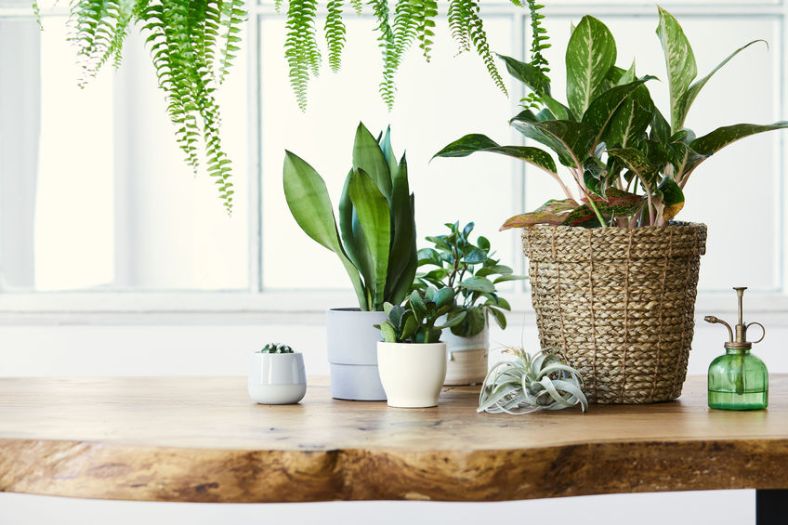
If someone had told me at the end of 2019 that in 2020, I would surpass the level of plant of obsession I experienced in 2000-2002, I would have argued that it would never happen. Yet here I am, with over 100 indoor plants (119 at the time of writing this post, to be exact), still thinking about the next plant I intend to add to my wishlist. I am in good company too, because there is massive and ever growing community of plant fanatics which is knit together by countless social media plant influencers, Facebook groups, and online plant shops. As long as we continue to be sequestered in our homes and encouraged to continue to practice social distancing, the frenzy over hoarding plants is likely to intensify.
Plant people create plant communities inside their homes which serve as therapy and great comfort during the lockdown and social turmoil which has us roiled. There are times when I will walk around my home, surveying the lush environment I have created, noting the character of each plant, and I honestly appreciate them all. Then there’s the anticipation of ordering a plant online, which is akin to meeting a new potential love interest. I can honestly say that I have become giddy after finding a coveted plant and ordering it. And when a plant arrives in the mail, I want to open the parcel immediately, not only because I am concerned for the living thing inside the box, but I simply can’t wait to feast my eyes on the new addition to my plant collection.
Now that I am a “plant person” once again, I have picked up a tremendous amount of knowledge of nomenclature and plant care. I have encountered a number of other plant people who could definitely be accused of being plant snobs, using terms like “etiolated” or “pubescent leaves”, and showing disgust when someone doesn’t know what they are talking about. For the most part, though, plant people tend to be very positive, caring, and friendly.
Source: 123rf Image ID : 158781949 Copyright : followtheflow
For those of you who have plants in your home, have you noticed that your plants don’t look as healthy after you return home from a trip? I have consistently noticed in the past year that whenever I go on a trip, at least one of my plants is drooping, exhibiting brown leaf edges, or some other sign of less than optimal health. I didn’t mind it quite as much last winter, when I only had six plants inside my residence, but by my second out of town trip in September, I had over 30 plants, and wasn’t very pleased by the fact that I came home to see half a dozen droopy, sad plants. Four of my plants swung back to perfect health within three days, while two of them ended up in the houseplant graveyard. Thing is, I was only gone for four days, and I returned the day before my regular weekly plant watering day.
Then in November, I made another four-day trip, and by that time I had over 50 plants. I scheduled my trip so that I would once again return home the day before my weekly plant watering/assessment day, yet I once again returned to a number of plants which were not looking very happy. I’m thankful that they bounced back to health, but I still can’t figure out why this keeps happening.
I only devote one hour, one day per week, to assess the watering needs of my plants, water the ones which need a drink, spray orchid plant food on all my Hoyas (Hoyas love it), and rotate the pots by 90 degrees clockwise. I don’t fuss over my plants daily like some people do, not because I don’t care about my plants, but because my plate is always so full that I avoid plants which are fussy and require that type of attention.
My den and dining area, early February 2021
Now that my indoor plant collection exceeds 100, I truly wonder what would happen if I were to take a short trip out of town. And though plants don’t have feelings per se, why is it that my plants are so much healthier and perkier when I spend more time at home? As weird as this may sound, I’m almost convinced that plants pick up on our energies, and since I admire my now sizeable plant collection and appreciate every single specimen, I believe my plants sense that. I know that in general, I have a very green thumb, and had discovered that talent about a quarter century ago, but my recent foray back into houseplant cultivation somehow seems different. I feel much more connected to the plants in my home, and though I don’t talk to them, simply looking at them makes me happy. I think they know how I feel.
I read this comment on a blog post about plants on The Smiling Gardener which I found quite interesting:
About fifty years ago as an enquiring hippy I ran atest with my wife to see if plant groth could be affected by love and hate . Four pots of garden soil had the same number of seeds sown in them and were placed together in a window and watered the same amount. The pots had either
1) no treatment
2) SM 3 seaweed liquid feed
3) Projection of love or positive feelings every time we passed
4) Projection of hate or bad mental feeligs every time we passed
Now this sounds quite unscientific and already plenty of room for doubters and skeptics to burst out laughing.
The results ?
No treatment -several seeds germinated plus a few garden weeds.
Seaweed treatment – as above but more seeds germinated and more garden weeds.
Projection of ‘love’- a veritable jungle of germination.
Projection of ‘hate’ – NOTHING germinated
Obviously no prejudiced person could even consider these results as indicative of anything but I always found them very interesting . May even try it again in different format fifty years later.
ron daguerre
Feel free to check out the links below, both of which explore the idea of whether plants have feelings. At the very least, there is scientific evidence that plants send chemical signals to each other through the air or soil. Could my plants be chatting it up about how groovy my home is, how the humidity and the grow lights and natural light are (hopefully) just right?
Source: 123rf.com Image ID : 104888033 Copyright : magone
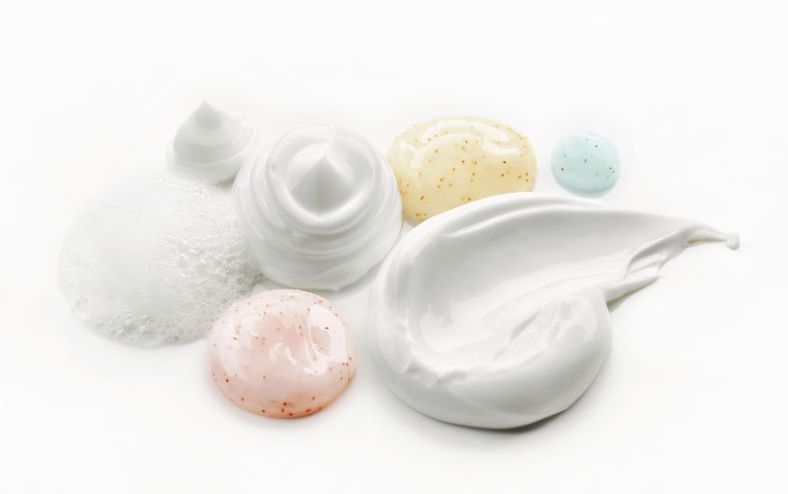
I had spent the last two months of 2020 searching high and low for a natural, rich, mineral-free cream which I could use on my very parched, eczema-tortured skin which developed as a result of an overly aggressive CO2 laser treatment, a 2 month reaction to mineral oil, and the cold, dry winter air. After searching high and low in an effort to find a solution, I stumbled upon a product which fit the bill: Ultra Repair Cream from First Aid Beauty. From the very first application, I got INSTANT relief, and my skin drank this stuff up. I slathered it all over my neck, chest, shoulders, and forehead, and all the itchiness went away almost instantly. Ahhhhhh…
While the cream is extremely thick, almost like frosting, it absorbs quickly and beautifully, and hydrates like a dream. Another thing I appreciate is the fact that this product is fragrance free, and that there is just a nice, clean, very faint neutral scent from the ingredients themselves.
Though I suspect that I will go through the 8.8 ounce tub pretty quickly in an effort to finally heal my angry skin (my entire upper body is suffering), I think it is well worth it, especially since so few creams out there are mineral oil free, and also since this, along with only two other products I have tried (Skyn Iceland Arctic Repair Cream, and La Roche-Posay Cicaplast Baume B5 Balm), have the ability to calm my reactive skin to a point where I don’t feel like I have a million ants crawling all over me.
I will most definitely purchase this cream again. And again. This may be a new holy grail of moisturizers for me!
Source: 123rf.com Image ID : 124956041 Copyright : Andrii Yalanskyi
I absolutely love my current L.A. residence, and I hope that I won’t have to move for a very long time. I know a number of people who are currently looking for places to live in Los Angeles, and I can certainly say that I don’t envy them, because the whole process of searching for a desirable new abode can be downright daunting. Thankfully, there’s Zumper, a fantastic comprehensive site on which people can research the rental market to see what the median rent prices are, browse listings, and even schedule viewings directly through the site.
I love the fact that Zumper enables you to research median rental prices for specific regions within Los Angeles County. Recent data by Zumper shows 63% of housing units are renter-occupied in Los Angeles, California, a fact I was not aware of until I visited the site. I discovered that the current median rental price for a 2 bedroom unit in Los Angeles is at $2,650, with an inventory of 4,087 available rentals. However, those of you who are familiar with Los Angeles County know that it is an enormous county, and the rental prices vary dramatically depending on what part of the county you are considering.
For those of you who are flexible about where you could live in L.A., or if you just want to browse the more popular parts of the county, you can simply access popular listings here:
However, since I am an L.A. native, I am pretty particular about which areas I would be willing to set up my cozy home shack. If I wanted to compare three different cities which I would consider living in, I could pull up findings like this:
Average rent for 2 bedroom rental:
Marina del Rey $3,244
Silver Lake $2,796
Greater Toluca Lake $2,613
Based on the average rental prices for the above cities I discovered on Zumper, I could then really hone in on details by adding filters to a customized search. For example, check out the listings for a 2 bedroom unit in Greater Toluca Lake:
You can make your rental search as specific as you want by adding filters to the search engine such as number of bedrooms, number of bathrooms, pet policy, rental type, lease term, amenities, and even adjacent neighborhoods. When you find a listing you are interested in, you can peruse photos of the unit and property, send a message to a property manager or owner, and even schedule a tour directly through Zumper. Who wants to gather phone numbers and contact property managers the hold fashioned way? I sure don’t, and I simply don’t have the time to sit around and make countless phone calls. It’s so convenient to jump on Zumper and send messages which take less than a minute to compile.
One important point I would like to make about hunting for rentals, is that it’s a good idea to do an area search for activities you enjoy, so you are sure that the area you are considering moving to can accommodate your interests. Since I love hiking, one thing I would do if I were considering a move to Toluca Lake would be to look up hiking trails in the area. Here’s a great resource for finding hiking trails in or near Toluca Lake:
Disclaimer: This is a sponsored post. I was provided with free product in exchange for my unbiased review.
Every once in a while, I encounter a skincare line which impresses me so much that I want to praise it from a mountaintop. This is definitely the case with One Theory Complete Collection, which I recently got a chance to use and review. You can see in the YouTube video review which I have shared at the top of this post that, though I am not standing on a mountaintop, I am definitely a fan of this skincare line, which is paraben-free, fragrance-free, cruelty-free, and is suitable for all skin types, even sensitive skin like mine.
The Complete Collection includes the following products:
Morning Beat™ Vitamin C Serum | 1 fl oz Millionaire Sugar™ Retinol Serum | 1 fl oz HydraMatrix Amino Tea™ Peptide Serum | 1 fl oz La Rituelle™ Kojic Acid & Green Tea Replenishing Moisturizer | 1.7 oz
One Theory recommends using the following products in sequence for your morning ritual after cleansing and toning your skin:
Morning Glow Routine:
Morning Beat™ Vitamin C Serum
HydraMatrix Amino Tea™ Peptide Serum
La Rituelle™ Kojic Acid & Green Tea Replenishing Moisturizer
In the evening, you will use the following products in sequence:
Night Flow Routine:
Millionaire Sugar™ Retinol Serum
HydraMatrix Amino Tea™ Peptide Serum
La Rituelle™ Kojic Acid & Green Tea Replenishing Moisturizer
One Theory Complete Collection
Morning Beat™ Vitamin C Serum:
Probably my favorite aspect of this serum is the fact that it features the more stable magnesium ascorbyl phosphate molecule as its Vitamin C antioxidant. This particular form has both hydrating and calming properties, making it ideal for all skin types. Vitamin C is terrific for combating environmental skin stressors, and it brightens skin beautifully. When I apply this onto my skin, I get wonderful hydration, great absorption, and a glowy tone.
Millionaire Sugar™ Retinol Serum:
Though I am not the biggest fan of retinol (I just don’t like walking around with flaking skin), I do honor its ability to increase cell turnover and refine the skin, reducing the appearance of fine lines and wrinkles. Millionaire Sugar™ features a slow release, active 1% microencapsulated form of Retin-A which prevents the retinol from breaking down before it penetrates your skin. The result is improved skin texture and improved skin renewal.
Imagine my surprise when I developed absolutely NO flakiness or peeling from this product. My skin was already more radiant after using this product for a few nights. I am in love with this retinol product, and look forward to rejuvenating my skin each night as I sleep with this wonderful serum on my face.
HydraMatrix Amino Tea™ Peptide Serum:
This product boasts a collagen-boosting peptide known as Matrixyl 3000® which is phenomenal for the area around my mouth and eyes, because it just smooths out fine lines and rough skin patches (which I developed from a fractional laser procedure in November of last year). The addition of cucumber and green tea make this gel incredibly soothing, something my skin really appreciates. It’s incredible how this serum seems to normalize skin, balancing out redness, dry spots, and oily spots (yes, I still have some oiliness in my T-zone even though I am over the half-century mark).
La Rituelle™ Kojic Acid & Green Tea Replenishing Moisturizer:
Whenever I find a great moisturizer, I get almost giddy with excitement, because they honestly are difficult to find. From the first time I ever used La Rituelle™, I was completely hooked. It nourishes my parched skin without sending it into an oily mess, absorbs completely, and imparts such a smooth, amazing finish to my skin that I often don’t bother using finishing powder (I don’t use foundation, just finishing powder to combat shine).
La Rituelle™ provides a gentle barrier to moisture loss and works beautifully with all three facial serums in the One Theory line. Kojic acid, Willow Bark extract, Green Tea, and Ginseng are combined with a bit of glycolic acid in a Hyaluronic Acid base to create a magical moisturizer which has become a personal favorite.
I never recommend products which I do not personally use, so when I say that I am over the moon with the One Theory skincare line, I truly mean it. My skin is luminous, hydrated, and happy with all four products in the One Theory line. I am also so excited to try their cleanser and toner when they become available, because I have no doubt that they will be outstanding!
To order the One Theory Complete Collection, just click on the link below:
Check out this great article by Karen Weeks on getting a good night’s sleep while battling chronic back pain. Karen has more great content on her website, https://elderwellness.net/
One of the comforts of going to sleep at the end of the day is the privilege of leaving behind your worries for eight hours. However, if you’re living with chronic back pain, that worry sticks around in addition to the fact that you won’t be able to fall asleep right away, compounding your problems. Getting a good night’s sleep can be difficult if you’re suffering from back pain, but there are ways to make it happen. Dr. Stacey Naito presents tips for learning to love falling asleep while living with chronic back pain.
Yoga Before Bed
Practicing yoga before you head to bed for the night can help stretch your sore muscles and give you a better chance of falling asleep right away. The ancient practice has numerous health benefits, and research has shown that practicing yoga regularly may even reduce the need for pain medication. There are many different poses you can do that are beneficial for back pain. Doing a few poses before bed will help strengthen your muscles and improve your posture, leading to less pressure on your back in your day-to-day life, resulting in less overall back pain.
Utilize Your Smartphone
Technology is there to help you in most areas of your life, including your sleep. There are a number of different apps available aimed at helping you sleep better at night. Sleep Cycle is an alarm clock app that monitors where you are in your sleep cycle each night and wakes you at an optimal time within your preferred time frame so you feel the most refreshed. White Noise allows you to play soothing sounds from your phone to help you either drown out outside noises or add sound to a too-quiet room. Calm is a leading meditation app for beginners, allowing you to try out the art of meditation in order to calm down your mind at night.
Note that some of these apps stay running throughout the night in order to monitor your sleep or to keep you from waking up sporadically. Make sure that your smartphone has enough battery life! You’ll also want to ensure that your home internet connection is running smoothly. Fast and reliable internet service will give you the freedom to run any of these apps overnight without worrying about being disconnected.
Improve on Your Sleeping Position
We all have preferences when it comes to our sleep positions. Thankfully, there are different ways to improve your preferred sleeping position to help lower your back pain. For side-sleepers, add a pillow between your legs and pull your knees a little toward your chest to stretch out your lower back. If you prefer sleeping on your stomach, place a pillow under your pelvis and forgo the pillow under your head (or switch to a flatter one). For those who like sleeping on your back, place a pillow beneath your knees to add a slight curve to your spine.
Whatever the cause of your back pain, know that it doesn’t have to sentence you to a lifetime of insomnia. Chronic back pain can impact your daily life in a number of different ways, but don’t let it control how much sleep you get at night. Lack of sleep impacts your life even more, causing you to become disoriented, unfocused, and unable to finish your day’s tasks. Use these tips to sleep easier at night and reduce your chronic back pain one night at a time.
Source: 123rf.com Image ID : 97990750 Copyright : Katarzyna Białasiewicz
There has been a great deal of controversy surrounding the idea of having plants in the bedroom. Feng shui experts generally discourage the use of plants in the same room in which you sleep, since plants carry wood energy, a yang energy which may disrupt the sleep patterns of those who experience difficulties with slumber. Ironically, it is considered healing to have a view of plants and nature from a bedroom window. Just don’t bring those plants indoors and you’ll be fine.
Another concern with bringing greenery into the bedroom is that since plants need to be watered, they also bring in water energy, which is considered bad feng shui for bedrooms. Water energy clashes with fire energy, which brings in passion. Even paintings or photos which depict water scenes are considered a no-no for the boudoir, so I might need to remove three framed photographs from my bedroom which feature water!
Lastly, most plants release carbon dioxide after dark, which may increase the amount of carbon dioxide in your blood to very high levels, which then increases your breathing rate to bring in more oxygen. I don’t know about you, but I don’t exactly feel comfortable knowing that plants in my bedroom might rob me of optimal sleep.
If you are really intent on bringing one or more live houseplants into your bedroom, make sure the room is large enough to offset the buildup of carbon dioxide, or choose plants which actually absorb carbon dioxide at night, including spider plants and orchids. Bring in only one plant in at a time so that you can determine whether the new additions have any negative effect on your sleep. I avoid any issues with houseplants in my bedroom by keeping them out entirely. There are plants in my master bathroom which is attached to my bedroom, but they are far enough from my bed, and I haven’t noticed any disruptions since adding the greenery in 2020.
In this video I review BN Labs Vegan Protein, which is a very clean, all natural plant-based protein powder. My review is unbiased, and I was only given sample packets to try for the purposes of reviewing the product. This video was shot about 3-1/2 years ago, but I still love this protein!
A brand new year is ahead of us, making it the perfect time to adopt healthy habits like eating nutritiously, exercising regularly, and spending time with loved ones (whether in-person or virtually). Below, Dr. Stacey Naito offers five senior-friendly habits that can be adopted in the new year — and how seniors can go about incorporating them in their lives.
1. Eat Nutritiously
According to the Academy of Nutrition and Dietetics, seniors need adequate amounts of calcium and vitamin D, B12, dietary fiber, healthy fats, and potassium in order to lead long and healthy lives. And fortunately, seniors can get all the nutrients they need by consuming plenty of fresh leafy greens, lean meats, beans, and healthy fats like avocados and fish. Supplementation may also be necessary if calcium, B12, B6, or vitamin D levels are low.
If you’re looking for some ways to eat better this year, try buying a new cookbook or two, purchasing a grocery delivery service, or visiting your local health foods store to stock up on fresh fruits and veggies, healthy grains, and lean proteins. If you’re thinking of paying for a grocery delivery service, some of the best options for produce include Imperfect Foods, Misfits Market, and Farmbox.
2. Exercise Often
Like good nutrition, seniors need plenty of physical activity — including strength training activities, exercises for balance and flexibility, and aerobic activities such as walking, biking, swimming, or dancing. And fortunately, there are several things seniors can do to increase their physical activity in the year ahead:
Following along to exercise DVDs or online fitness classes.
Walking or biking alone or with friends (while practicing social distancing, of course).
Parking further away from store entrances when shopping.
If you have a medical condition or you’re experiencing body aches or pains, a physical therapist can help you to select the best exercises for you. Plus, many physical therapists are offering virtual services amidst COVID-19.
3. Socialize With Loved Ones
Socializing is tough in the age of the coronavirus, but it isn’t impossible! With senior-friendly video chat software, online multiplayer games and apps, and safe in-person gatherings (like outdoor activities and walks with loved ones), seniors can safely spend more time with their friends and family members in the new year. Regular socialization keeps seniors physically, mentally, and emotionally well — and reduces their risk of cognitive decline and depression.
4. Keep the Mind Sharp
Speaking of cognitive decline, seniors should also make time for brain games and activities in the new year. Brain games keep the mind young and healthy, fight boredom, and improve overall mental well-being. A few brain training activities for seniors include:
Jigsaw puzzles, crosswords, and word finds.
Classes on cooking, foreign languages, dance, or music.
Arts and crafts like knitting, scrapbooking, and upcycling.
Reading, coloring, and drawing.
5. Clean and Declutter
Clutter is harmful for a number of reasons. Not only does it create tripping hazards at home, but excess clutter often triggers anxiety, concentration issues, irritability, and even depression. So, if you’ve been feeling especially negative or depressed as of late, the new year is the perfect time to freshen up your living space by cleaning, decluttering, and letting in as much fresh air as possible. Redfin shares a checklist with some ideas for cleansing your home and creating a happier and healthier living space.
New Year, New You
It’s never too late to adopt healthier habits and take steps to improve your life, and these five tips will help you to tackle everything from changing your diet to eliminating excess clutter at home. No matter your age, the start of a new year is the perfect time to reinvent yourself and improve various areas of your life.
Looking for more health tips and advice? Visit Dr. Stacey Naito’s blog at staceynaitoblog.com.




 dr. stacey naito's blog